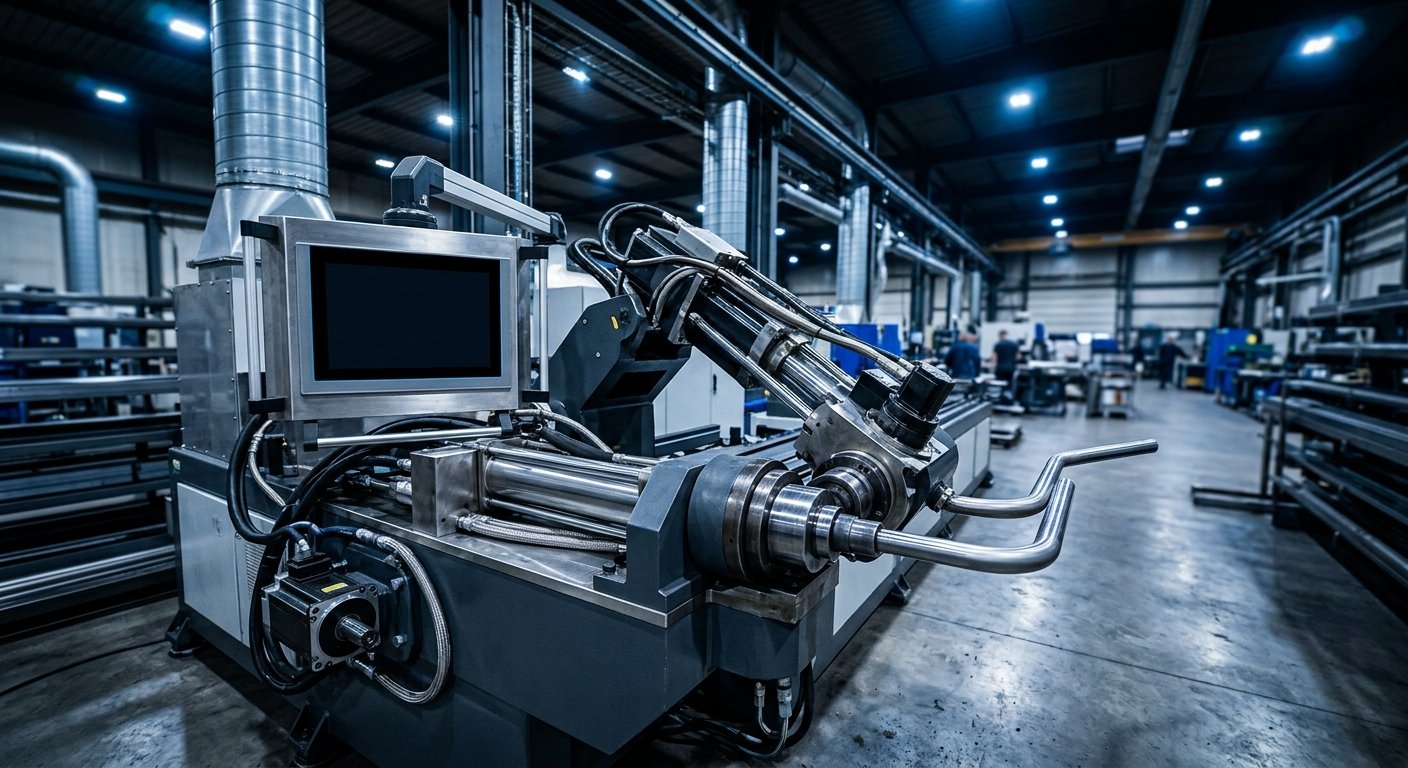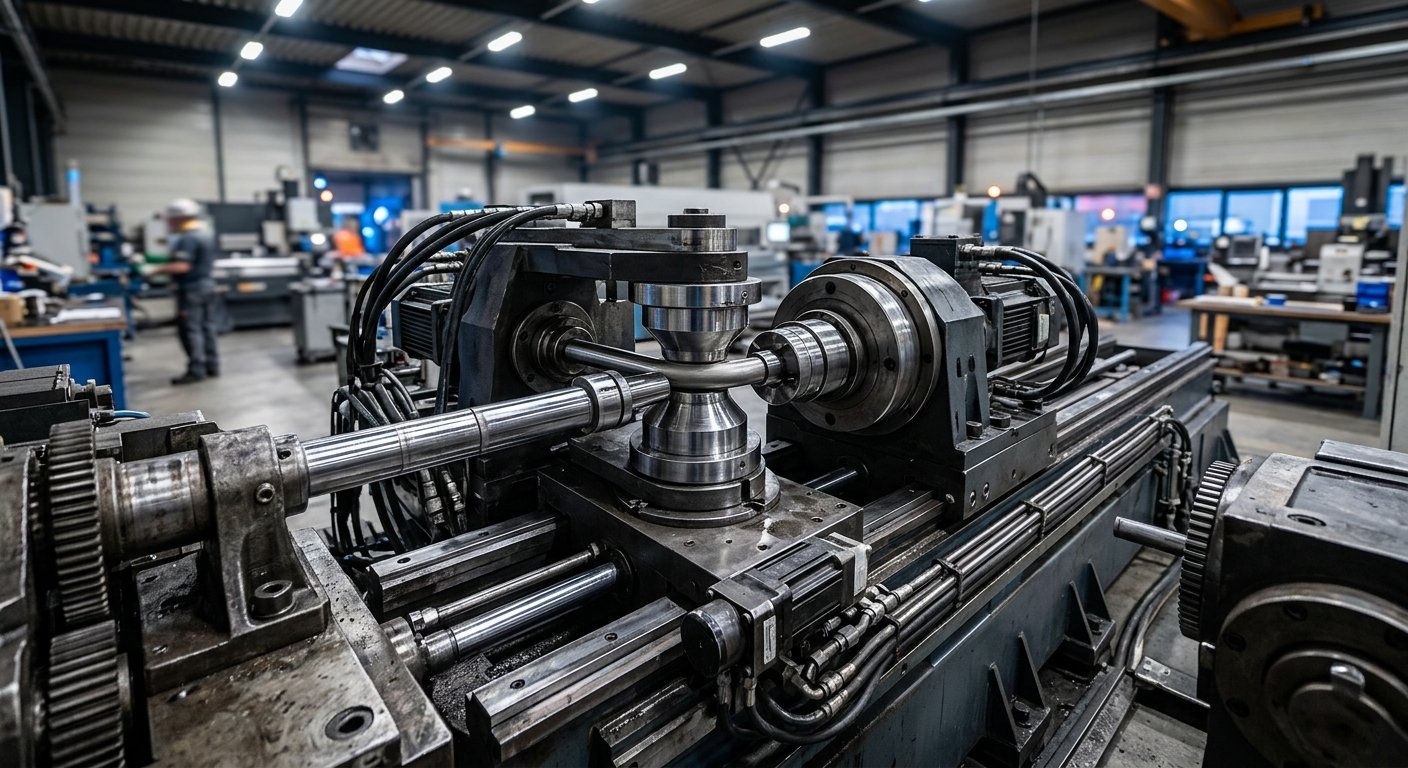
The market for used pipe benders has expanded significantly in 2026, with dozens of sellers offering equipment at prices 40-70% below new machinery costs. While the savings appear attractive, the actual cost of a poorly-vetted used machine can far exceed the initial purchase price when factoring in repairs, production downtime, and replacement parts. Understanding what separates a legitimate value from an expensive mistake requires technical scrutiny and systematic risk assessment.
The True Economics of Pre-Owned CNC Tube Benders
Used industrial pipe benders represent a substantial investment despite the discount. A quality reconditioned bending machine still commands $30,000-$150,000 depending on capabilities, while refurbished tube bending machines with full CNC controls can exceed $200,000. These aren’t impulse purchases—they’re strategic decisions that affect production capacity for years.
The fundamental question isn’t whether used equipment costs less than new, but whether it delivers reliable performance at a lower total cost of ownership. A $50,000 used machine that requires $30,000 in repairs and causes three weeks of production delays becomes far more expensive than anticipated. Conversely, a properly inspected and refurbished unit from a reputable source can provide decades of service at substantial savings.
Critical Inspection Points for Used Pipe Benders for Sale
Frame and Structural Integrity
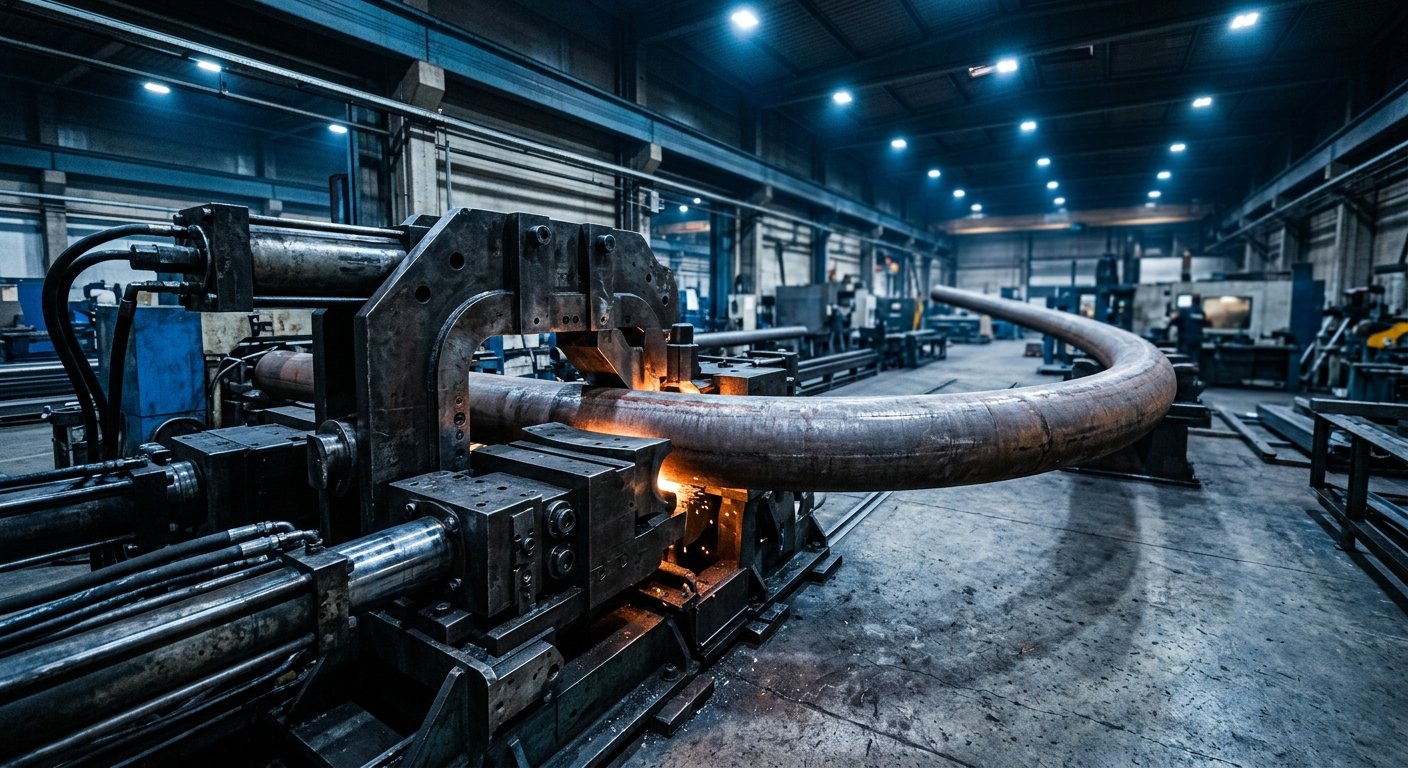
The bender’s frame absorbs tremendous forces during operation. Begin your inspection here, as structural damage typically renders a machine unsuitable regardless of other conditions. Look for cracks in welds, particularly around mounting points and stress concentration areas. Check for frame distortion using precision levels and straightedges—even minor twisting affects bending accuracy permanently.
Examine mounting surfaces for wear patterns that indicate misalignment or excessive vibration during previous operation. Deep scoring, uneven wear, or evidence of repair welds should raise immediate concerns. The frame represents the machine’s foundation; compromise here cascades through every subsequent operation.
Bending Head and Tooling Components
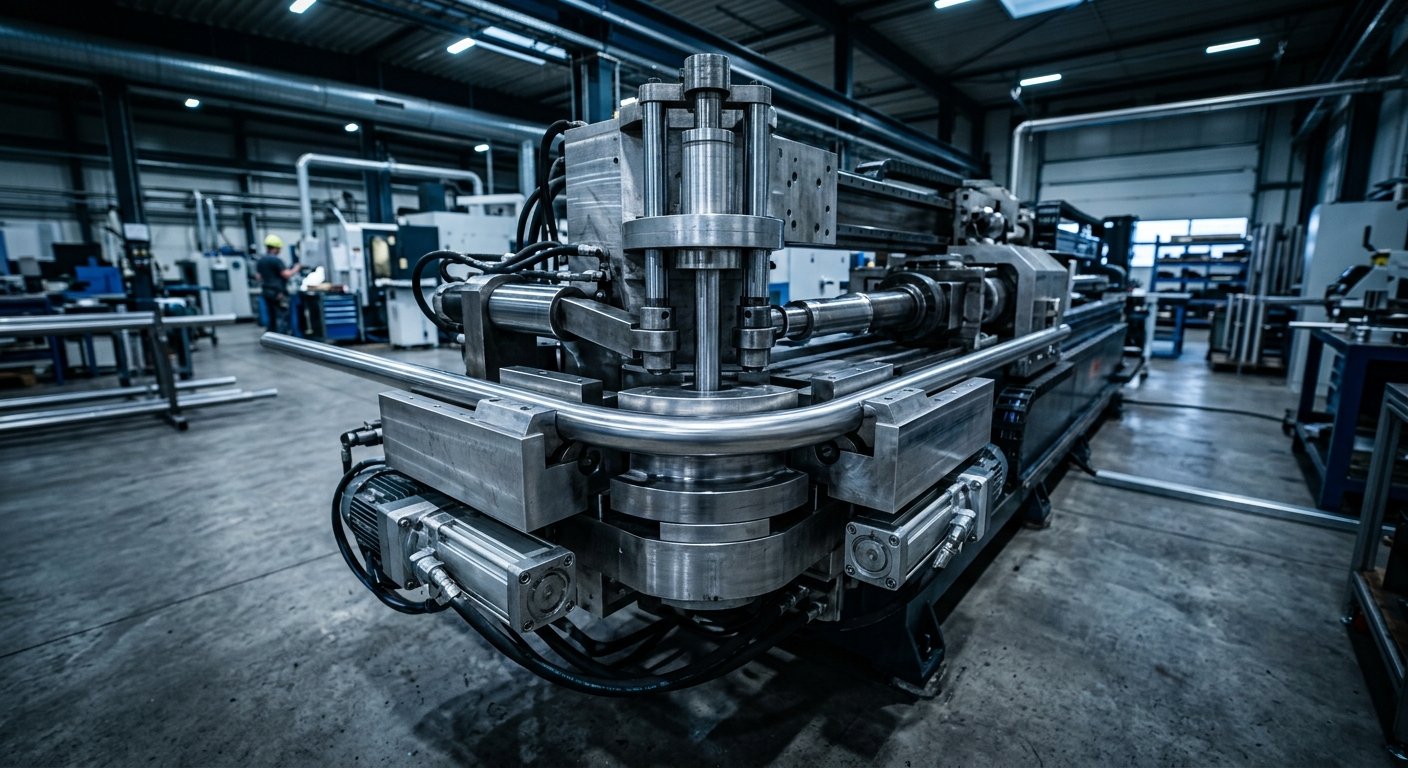
The bending head performs the actual forming work, making it the most critical functional component. Inspect the mandrel extraction system for smooth, consistent operation. Binding, jerky movement, or unusual noise indicates wear in guides, bearings, or the extraction mechanism itself.
Evaluate the condition of pressure dies, clamp dies, and wiper dies. Excessive wear, gouging, or improper modifications affect tube surface finish and dimensional accuracy. Original tooling from manufacturers like Hines represents precision-machined components designed for specific materials and bend radii—aftermarket replacements rarely match this quality.
Check the bend die for wear patterns. Uneven wear suggests previous misalignment issues. The die’s radius should show consistent measurements across the entire bending surface. Variations exceeding 0.010 inches indicate replacement necessity for precision work.
Hydraulic and Pneumatic Systems
Hydraulic systems power most industrial pipe benders. Inspect all cylinders for signs of leakage around seals and rod surfaces. Check for scoring on piston rods, which indicates seal failure and contamination. Request a pressure test demonstrating the system maintains rated pressure without drop-off.
Examine hydraulic hoses for age-related deterioration. Hoses typically require replacement every 5-7 years regardless of appearance. Factor complete hose replacement into your cost analysis if the equipment shows original hoses beyond this timeframe.
Pneumatic systems controlling clamps and other auxiliary functions deserve equal attention. Test all pneumatic cylinders through complete stroke cycles. Listen for air leaks at connections and valve bodies. Pneumatic issues often seem minor but cause significant production interruptions.
CNC Control Systems and Electronics
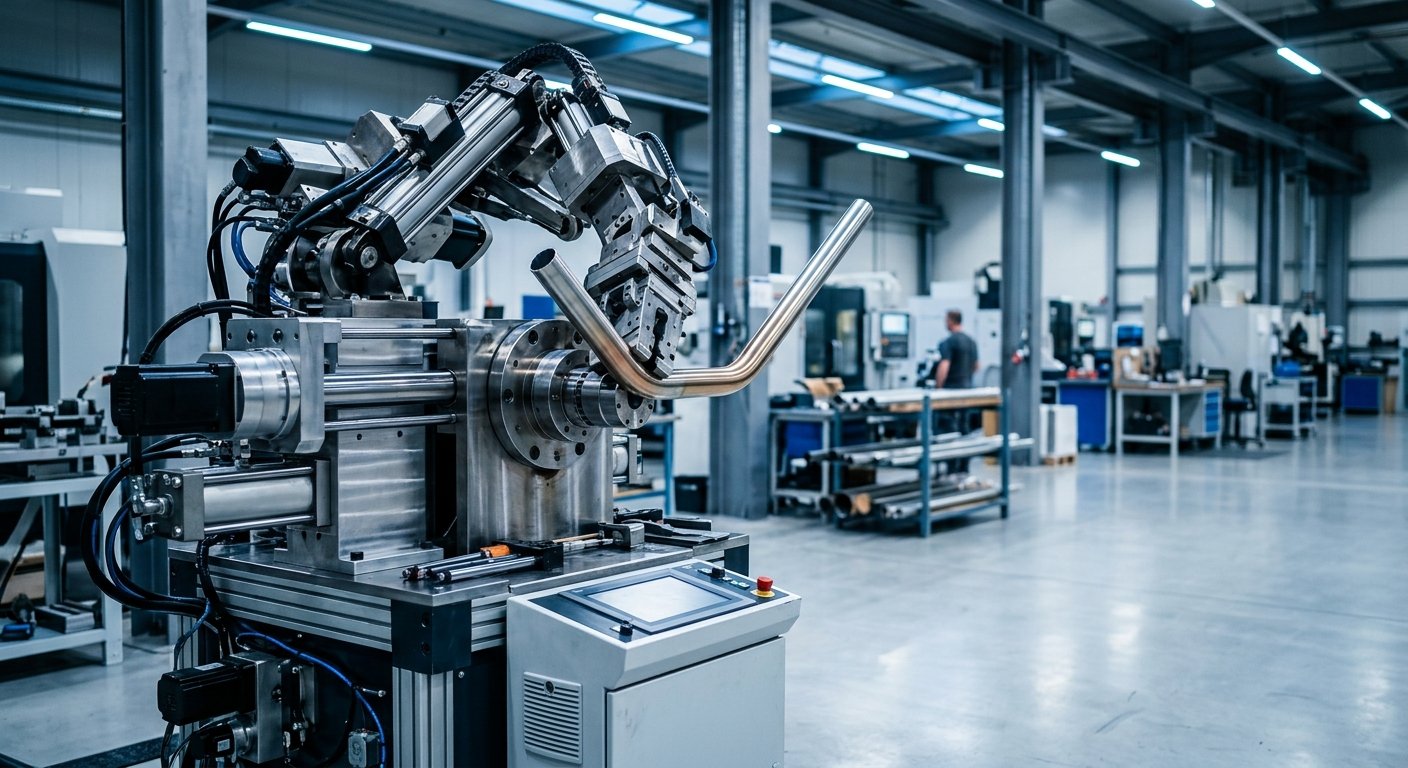
Pre-owned CNC tube benders present unique challenges regarding control systems. Determine the exact controller model and research parts availability. Controllers manufactured before 2015 may have discontinued support, making future repairs difficult or impossible.
Test every programmed function. Run the machine through multiple bending cycles using various stored programs. Verify that all axes respond correctly and repeatably to commands. Check encoder feedback systems for accuracy—position errors indicate failing encoders or controller issues.
Inspect wiring harnesses for damage, improper repairs, or modifications. Amateur electrical work represents serious risk for intermittent failures that prove difficult to diagnose. Factory wiring uses specific gauge wire, proper shielding, and correct connector types for reliability.
Carriage and Linear Motion Systems
The feed carriage must move smoothly with precise positioning. Manually move the carriage through its full travel range, feeling for binding, rough spots, or excessive play. Linear bearings and ways wear over time, with replacement costs ranging from $5,000-$20,000 depending on machine size.
Check way surfaces for scoring, gouging, or signs of inadequate lubrication. Deep scratches in precision ground ways cannot be economically repaired. Measure carriage perpendicularity to the bending head using precision squares or laser alignment tools. Misalignment here directly translates to bent tube positioning errors.
Documentation and Provenance Assessment
Legitimate sellers of reconditioned bending machines provide comprehensive documentation. Request original manuals, electrical schematics, hydraulic diagrams, and maintenance records. Missing documentation significantly impacts long-term serviceability and should reduce the machine’s value accordingly.
Investigate the machine’s history. Equipment from aerospace or defense applications typically received superior maintenance compared to machines from cost-focused operations. A bender previously used for NASA-specification work likely maintained tight tolerances and proper maintenance schedules.
Verify the machine’s serial number and manufacturer records. This confirms the unit’s specifications, original build date, and any factory modifications. Some sellers misrepresent machine capabilities, either through ignorance or intentionally. Manufacturer verification prevents costly mistakes.
Risk Factors Specific to 2026 Market Conditions
The 2026 used equipment market faces unique challenges. Supply chain disruptions continue affecting replacement parts availability, particularly for non-domestic machines. Used pipe benders manufactured outside North America may have extended lead times for critical components, turning minor repairs into extended downtime.
Tariff policies implemented in 2025 affect imported replacement parts economics. Factor these costs into total ownership calculations, particularly for European or Asian-manufactured equipment. Domestic manufacturers maintain better parts support and often provide retrofit capabilities for aging equipment.
The proliferation of auction sites and international brokers has introduced equipment of questionable provenance. Machines from dismantled facilities may have experienced poor storage conditions, resulting in corrosion, moisture damage to electronics, and deteriorated seals. Physical inspection becomes non-negotiable in this environment.
Warranty and Support Considerations
New equipment typically includes comprehensive warranties and training. Used machines rarely offer comparable protection. Evaluate what support the seller provides—reputable refurbishment specialists offer limited warranties covering major components for 90 days to one year.
Determine parts availability and technical support accessibility. Can you reach knowledgeable service personnel when issues arise? Are replacement parts stocked domestically or requiring international shipment? These factors dramatically affect production reliability.
Consider whether the original manufacturer offers retrofit programs or ongoing support for older models. Hines maintains extensive archives and can often provide support for machines manufactured decades ago, while some manufacturers abandon older equipment entirely.
Financial Risk Assessment Framework
Calculate total cost of ownership beyond purchase price. Include transportation, installation, operator training, initial tooling, and anticipated first-year maintenance. Add contingency reserves of 15-25% for unforeseen repairs on older equipment.
Evaluate production impact if the machine requires unexpected repairs. What’s the cost per day of idle production capacity? For critical path operations, this risk may outweigh the savings from purchasing used equipment.
Compare financing options. Some sellers offer equipment financing, but rates on used machinery typically exceed new equipment programs. Factor these carrying costs into your comparison.
When Used Equipment Makes Strategic Sense
Refurbished tube bending machines excel in specific scenarios. Short-term projects with defined lifecycles don’t justify new equipment investments. Backup capacity for peak demand periods or insurance against primary machine failures represents another valid application.
Small to medium operations entering tube bending can acquire capability at accessible price points. This allows market testing and process development before committing to new equipment investments. However, purchase quality used equipment from reputable sources rather than bottom-tier machines that reinforce negative impressions of bending processes.
Prototype and low-volume custom work suits used equipment well. The reduced capital investment improves project economics while providing necessary capability. This application tolerates occasional downtime better than high-volume production environments.
The Case for New Equipment
Despite attractive pricing, used pipe benders for sale may not serve every application. High-volume production requiring maximum uptime justifies new equipment investments. Modern machines offer improved efficiency, faster setup, and enhanced control systems that reduce per-part costs.
Aerospace, defense, and other industries with stringent quality requirements often mandate current equipment meeting latest standards. Used machines may lack necessary documentation, traceability, or certification capabilities.
New equipment provides warranty protection, comprehensive training, and established support networks. For companies without experienced bending personnel, this support infrastructure proves invaluable during startup and ongoing operations.
Making the Final Decision
Purchasing used industrial pipe benders requires systematic evaluation balancing cost savings against operational risks. Conduct physical inspections using qualified personnel—don’t rely solely on seller representations or photographs. Engage third-party inspection services if lacking internal expertise.
Budget appropriately for recommissioning. Even well-maintained used equipment requires new tooling, updated safety features, and integration with existing facilities. These costs add 20-40% to acquisition price.
Consider your long-term needs. A machine serving five years before requiring replacement still provides value, but equipment potentially lasting twenty years changes the economic calculation entirely. Quality equipment from reputable manufacturers like Hines often provides decades of service when properly maintained.
The used equipment market offers genuine value for informed buyers. However, the difference between a strategic acquisition and an expensive mistake lies in thorough inspection, honest risk assessment, and realistic cost analysis. When uncertainty exists or application requirements demand maximum reliability, investing in new equipment from established American manufacturers provides peace of mind and long-term value that used equipment cannot match.
Ready to discuss your specific tube bending requirements? Contact our engineering team to explore whether new, refurbished, or custom-configured equipment best serves your application. With proven expertise serving aerospace, defense, and industrial clients, we provide honest assessments and solutions matched to your actual needs—not just what’s currently in inventory.