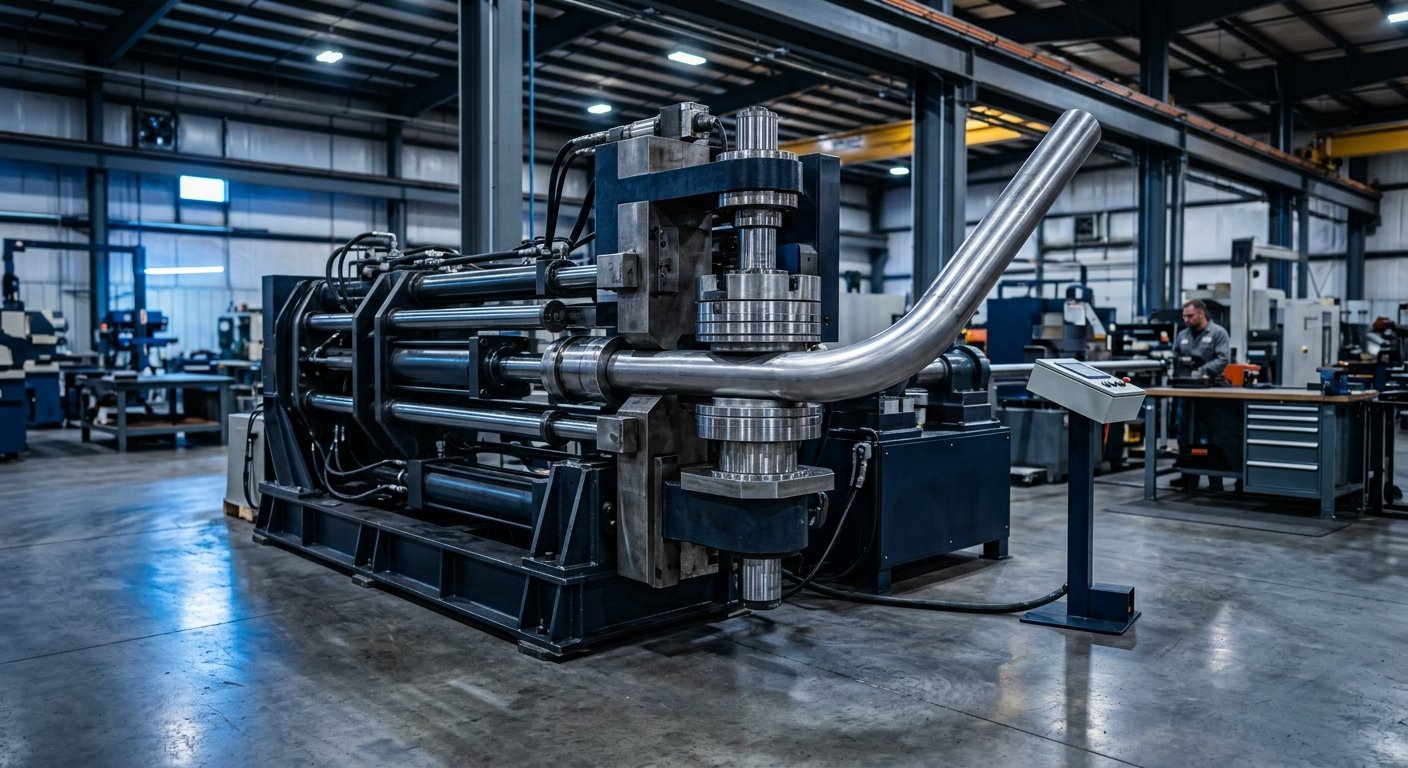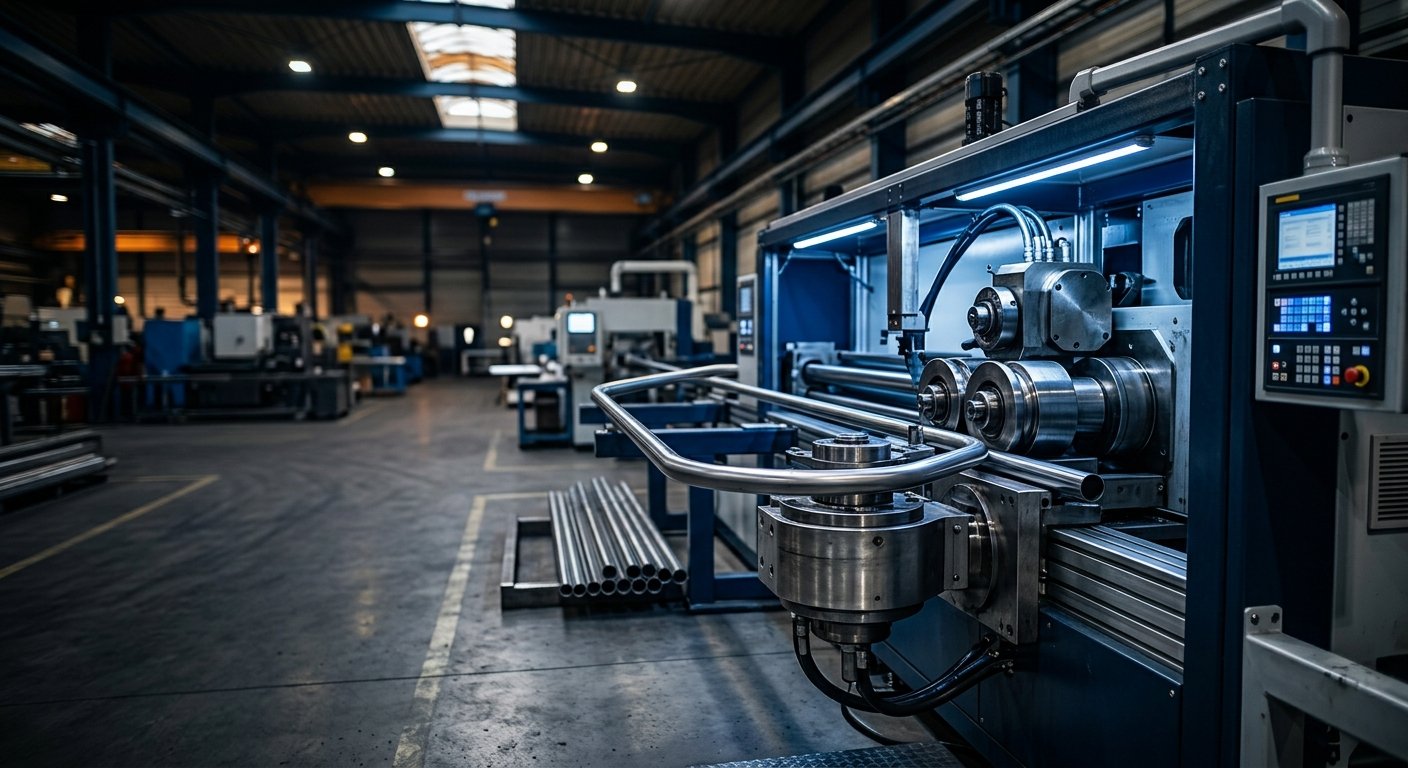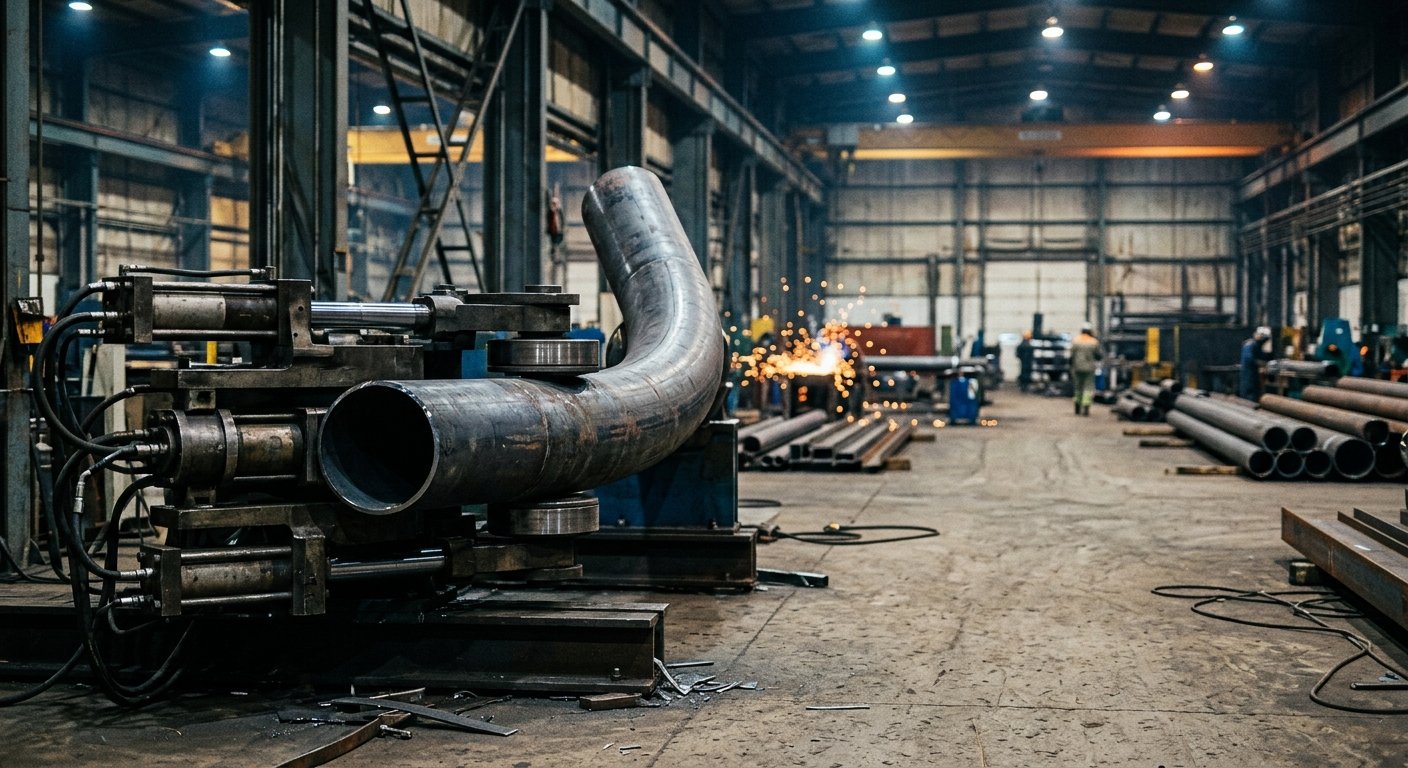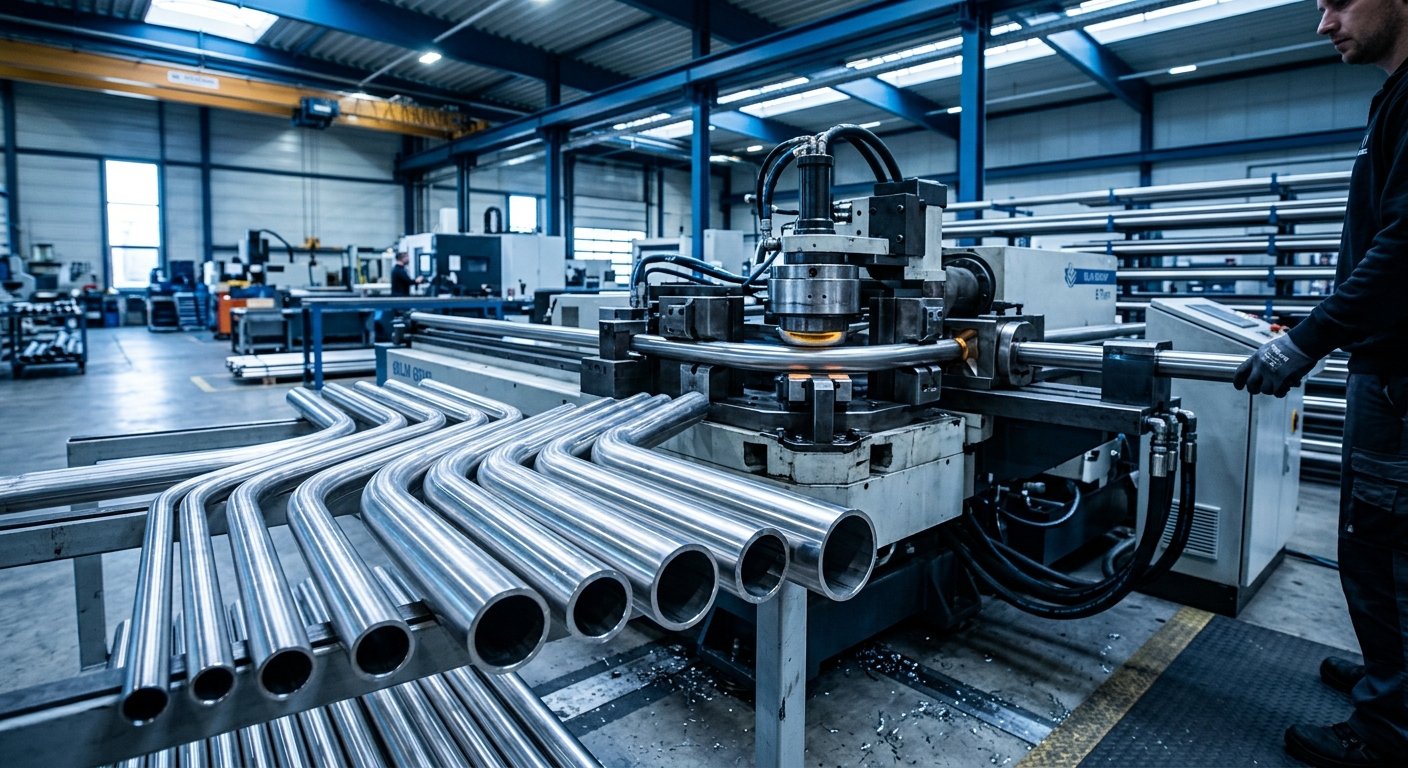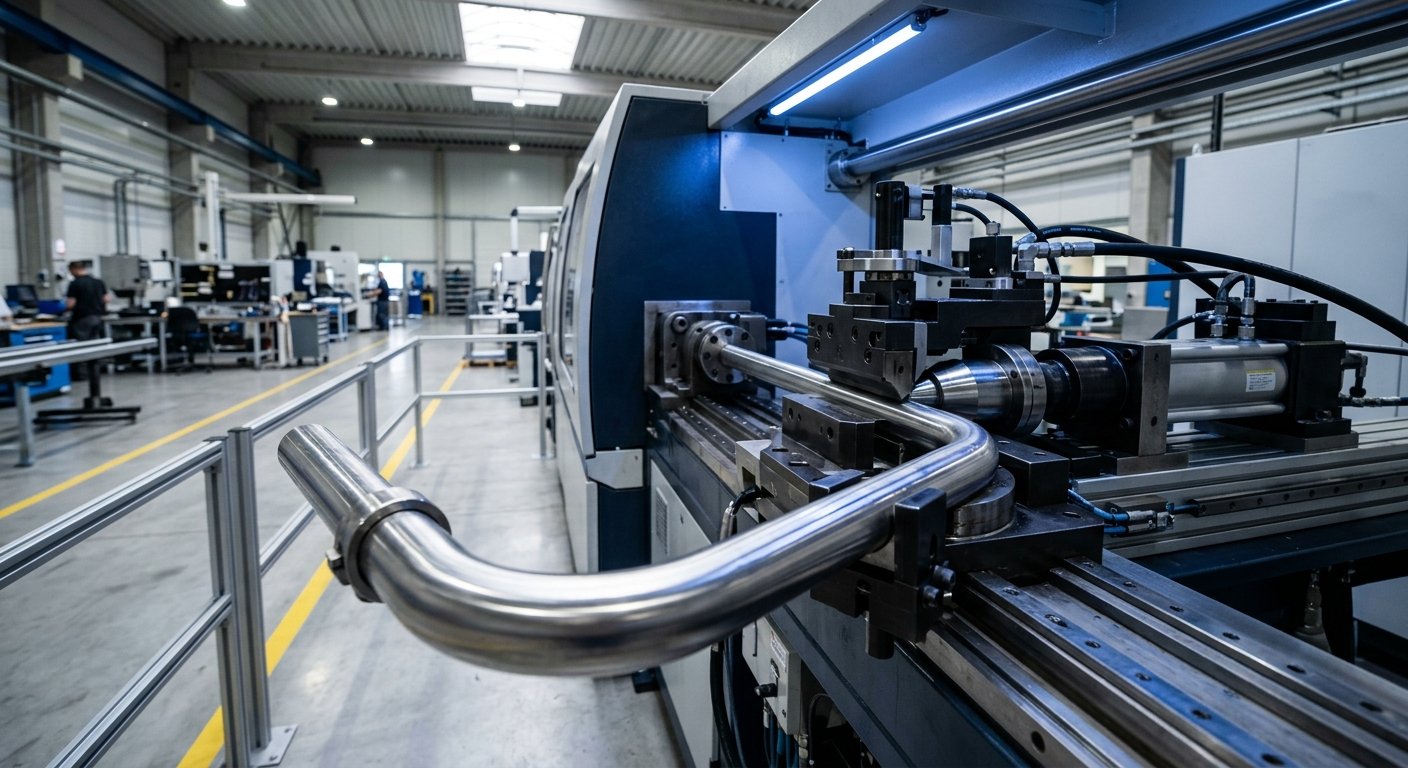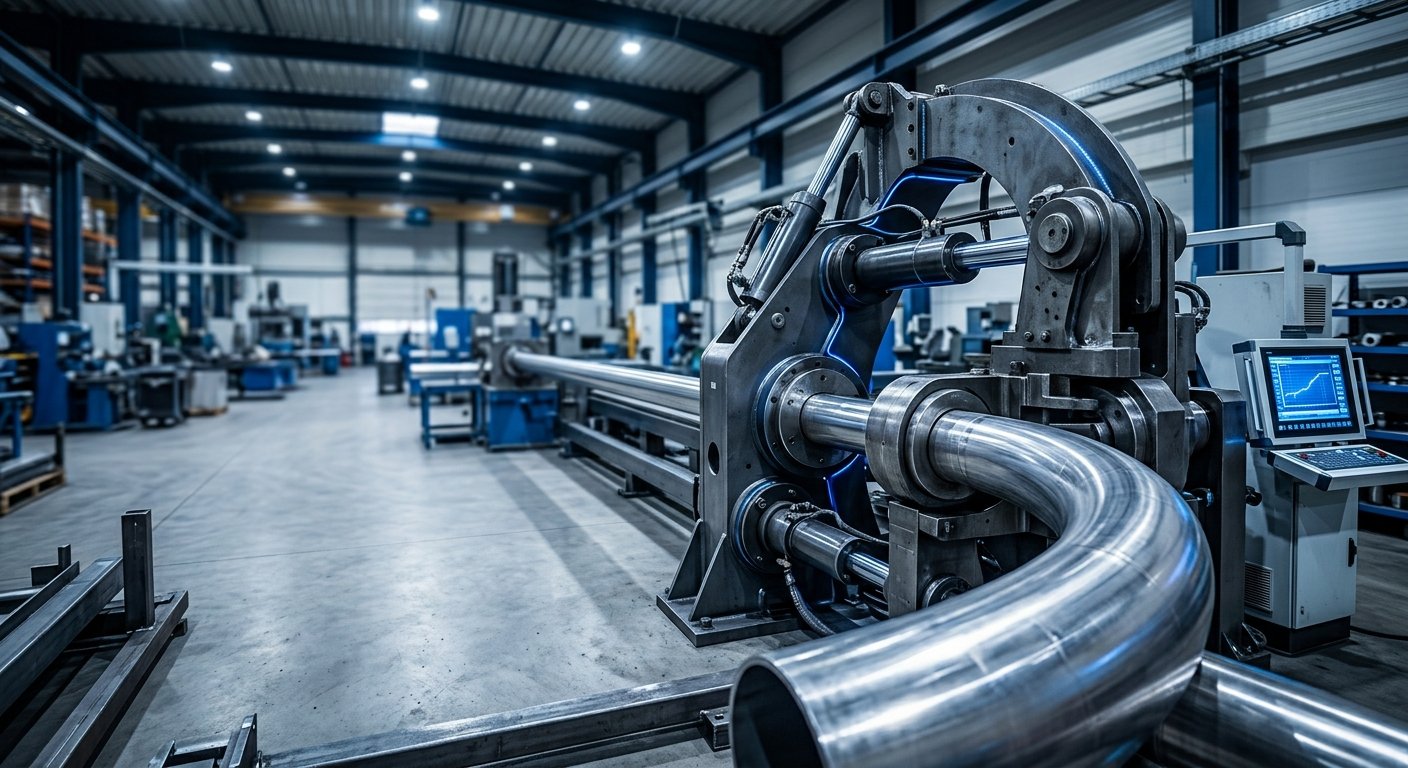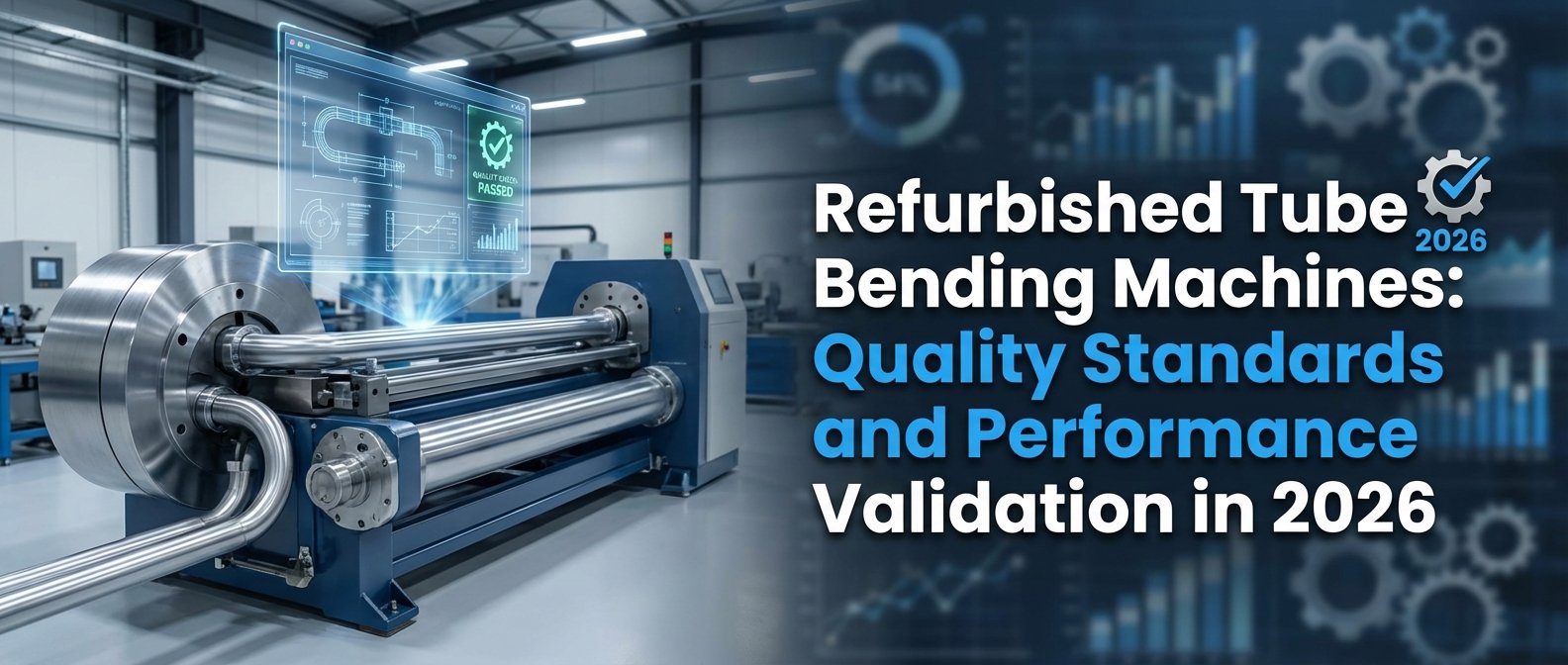
The secondary equipment market for tube and pipe bending machinery has evolved dramatically over the past decade. What was once viewed as a compromise solution now represents a strategic procurement option for manufacturers seeking proven technology at reduced capital expenditure. In 2026, refurbished tube bending machines undergo rigorous testing protocols that often exceed original factory specifications, making pre-owned equipment a viable alternative to new machinery for demanding industrial applications.
Understanding the quality standards, validation processes, and performance criteria that distinguish professionally rebuilt machines from simply “used” equipment is essential for engineering managers making capital equipment decisions.
The Refurbishment Process: Beyond Basic Repairs
Professional refurbishment of tube and pipe bending equipment involves comprehensive disassembly, inspection, replacement of worn components, and systematic performance testing. This process differs fundamentally from basic maintenance or repair work performed on used machinery.
A proper refurbishment program addresses several critical systems:
- Mechanical components: Bearing assemblies, ball screws, guide rails, and servo motors undergo dimensional inspection and replacement when tolerances exceed specifications
- Hydraulic systems: Complete fluid analysis, seal replacement, valve testing, and pressure verification ensure consistent bending force
- Electrical systems: Control cabinets receive updated wiring, relay replacement, and circuit verification to current safety standards
- CNC controllers: Software updates, backup battery replacement, and integration testing restore full programmability
- Tooling interface: Mandrel support systems, wiper die holders, and clamp mechanisms are rebuilt to factory specifications
The distinction between reconditioned bending machines and equipment simply labeled “used pipe benders for sale” often comes down to documentation. Professional refurbishers maintain detailed inspection records, replacement part lists, and test data that provide traceability comparable to new equipment certification.
Quality Standards in the Refurbished Equipment Market
In 2026, the precision manufacturing industry has established informal but widely recognized standards for evaluating rebuilt pipe bending machines. While no single regulatory body governs the refurbishment process, reputable rebuilders adhere to quality benchmarks derived from aerospace and defense industry requirements.
Geometric Accuracy Verification
Positional accuracy represents the most critical performance parameter for CNC tube benders. Refurbished machines should demonstrate positioning accuracy within ±0.005 inches for rotary draw bending applications and ±0.010 inches for compression bending. This requires:
- Laser alignment of bend die centerlines
- Verification of carriage slide perpendicularity
- Confirmation of rotation axis concentricity
- Measurement of clamp die face parallelism
These measurements should be documented with traceable calibration certificates from ISO 17025 accredited laboratories, providing confidence that pre-owned CNC tube benders will maintain dimensional consistency across production runs.
Structural Integrity Assessment
The machine frame and bending head assembly experience substantial stress during operation, particularly when forming high-strength materials like Inconel 625 or stainless steel 316L. Professional refurbishment includes non-destructive testing methods to identify stress fractures, weld degradation, or structural fatigue that could compromise long-term reliability.
Magnetic particle inspection, dye penetrant testing, and ultrasonic examination should be performed on critical load-bearing components. Any machine with structural defects should be rejected for refurbishment, as frame integrity cannot be reliably restored without complete replacement.
Performance Validation Protocols
Testing methodology separates professionally refurbished tube bending machines from equipment that has merely received cosmetic attention. Comprehensive validation requires both static measurements and dynamic performance testing under realistic operating conditions.
Bend Quality Testing
The ultimate measure of bending machine performance is the quality of formed parts. Validation protocols should include test bends across the machine’s full capability range:
- Minimum and maximum material diameters
- Tightest centerline radius (typically 1.5D to 3D depending on tooling)
- Various wall thicknesses from thin-wall aerospace tubing to heavy pipe
- Different material types representing customer applications
Test specimens should be measured for ovality, wall thinning, springback consistency, and surface finish. For aerospace applications, ovality should remain below 5% of nominal diameter, while wall thinning typically must stay within 10% of original thickness.
Repeatability Documentation
Production environments demand machines that produce identical parts across thousands of cycles. Refurbished equipment should demonstrate statistical process capability through repeatability studies measuring critical dimensions across minimum 30-piece sample runs.
Statistical analysis using Cpk methodology provides objective evidence of process capability. A Cpk value of 1.33 or higher indicates the machine can consistently hold tolerances with minimal variation—essential for aerospace, medical device, and automotive applications where dimensional consistency directly affects assembly and performance.
Control System Updates and Modernization
Many rebuilt pipe bending machines from the 2010-2020 era feature mechanically sound frames and bending heads but outdated control systems. In 2026, controller modernization has become a standard component of professional refurbishment, addressing both functionality and parts availability concerns.
Modern CNC retrofits provide significant advantages:
- Integration with CAD/CAM software for direct program import
- Enhanced springback compensation algorithms
- Real-time bend monitoring and quality verification
- Network connectivity for production data collection
- Touchscreen interfaces replacing membrane keyboards
Controller updates also address obsolescence issues. Original equipment from the early 2000s may use components no longer manufactured, creating future maintenance risks. Modern controls use current-generation PLCs and industrial PCs with assured long-term support.
Material Traceability and Component Certification
Professional refurbishers maintain comprehensive documentation identifying all replacement components, their sources, and relevant certifications. This traceability becomes particularly important for machines serving aerospace, nuclear, or defense applications where equipment pedigree affects facility certification.
Documentation packages for refurbished tube bending machines should include:
- Original equipment manufacturer specifications
- Complete inspection reports with dimensional data
- List of replaced components with part numbers and sources
- Calibration certificates for all measuring instruments used during validation
- Test bend reports with measured dimensions and material certifications
- Electrical safety testing results complying with NFPA 79 standards
- Hydraulic pressure testing documentation
- Software version documentation and backup media
This documentation level supports quality management systems conforming to ISO 9001, AS9100, or API Q1 requirements, enabling refurbished equipment to integrate seamlessly into certified production environments.
Warranty and Post-Installation Support
The warranty offered with reconditioned bending machines provides insight into the refurbisher’s confidence in their work. In 2026, industry-leading rebuilders typically offer 12-month warranties covering mechanical components, hydraulics, and electrical systems—comparable to new equipment warranties.
Warranty terms should clearly specify covered components, response times, and whether support includes on-site service or requires return to the refurbishment facility. The availability of emergency support, replacement parts inventory, and applications engineering assistance often proves more valuable than the warranty duration itself.
Cost-Benefit Analysis: Refurbished Versus New Equipment
Pre-owned CNC tube benders typically cost 40-60% of equivalent new machinery, creating substantial capital expenditure savings. However, the total cost of ownership extends beyond purchase price to include installation, tooling, training, and long-term maintenance.
Refurbished equipment advantages include proven technology with established performance characteristics, immediate availability avoiding 6-12 month lead times common for new machinery, and compatibility with existing tooling inventories for manufacturers adding capacity.
The decision criteria should weigh production requirements against equipment capabilities. For established processes using common materials and bend geometries, refurbished machines often provide identical performance to new equipment at significant savings. Applications requiring the latest control features, maximum automation integration, or cutting-edge bending technology may justify new equipment investment.
Selecting a Refurbishment Partner
The refurbisher’s expertise and reputation determine whether used pipe benders for sale represent genuine value or future problems. Evaluation criteria should include:
- Years of experience with specific machine brands and models
- In-house engineering capabilities for troubleshooting and upgrades
- Quality management system certification
- Customer references from similar industries
- Technical support infrastructure and parts availability
- Applications support for tooling selection and setup optimization
Manufacturers with tube bending expertise—not just equipment dealers—bring valuable knowledge to machine setup, tooling configuration, and process optimization that maximizes the refurbished equipment’s performance potential.
Future-Proofing Refurbished Equipment Investments
Technology evolution continues accelerating in precision tube forming. When investing in rebuilt pipe bending machines, consider the platform’s upgrade potential. Machines with modular control systems, standard industrial communication protocols, and well-documented mechanical interfaces offer better long-term value through incremental capability improvements.
The ability to add servo-electric bending technology, upgrade to more sophisticated springback compensation, or integrate quality measurement systems extends equipment useful life and protects capital investment against obsolescence.
Making the Right Equipment Decision
Refurbished tube bending machines represent a mature, validated procurement option for manufacturers requiring proven precision forming capability without new equipment costs. The quality standards and validation protocols established by professional refurbishers in 2026 provide confidence that properly reconditioned equipment delivers performance comparable to new machinery for most production applications.
Success depends on partnering with refurbishment specialists who understand the difference between cosmetic restoration and genuine performance validation. When documentation, testing, and support match the rigor applied to new equipment, pre-owned CNC tube benders deliver exceptional value while maintaining the precision and reliability that demanding applications require.
For nearly seven decades, Hines Bending Systems has specialized in precision tube and pipe bending solutions for aerospace, defense, energy, and industrial applications. Our refurbished equipment undergoes the same rigorous testing and validation protocols we apply to custom-built systems, backed by comprehensive documentation and long-term technical support. Contact our engineering team to discuss how refurbished bending equipment can meet your specific application requirements while optimizing your capital equipment investment.