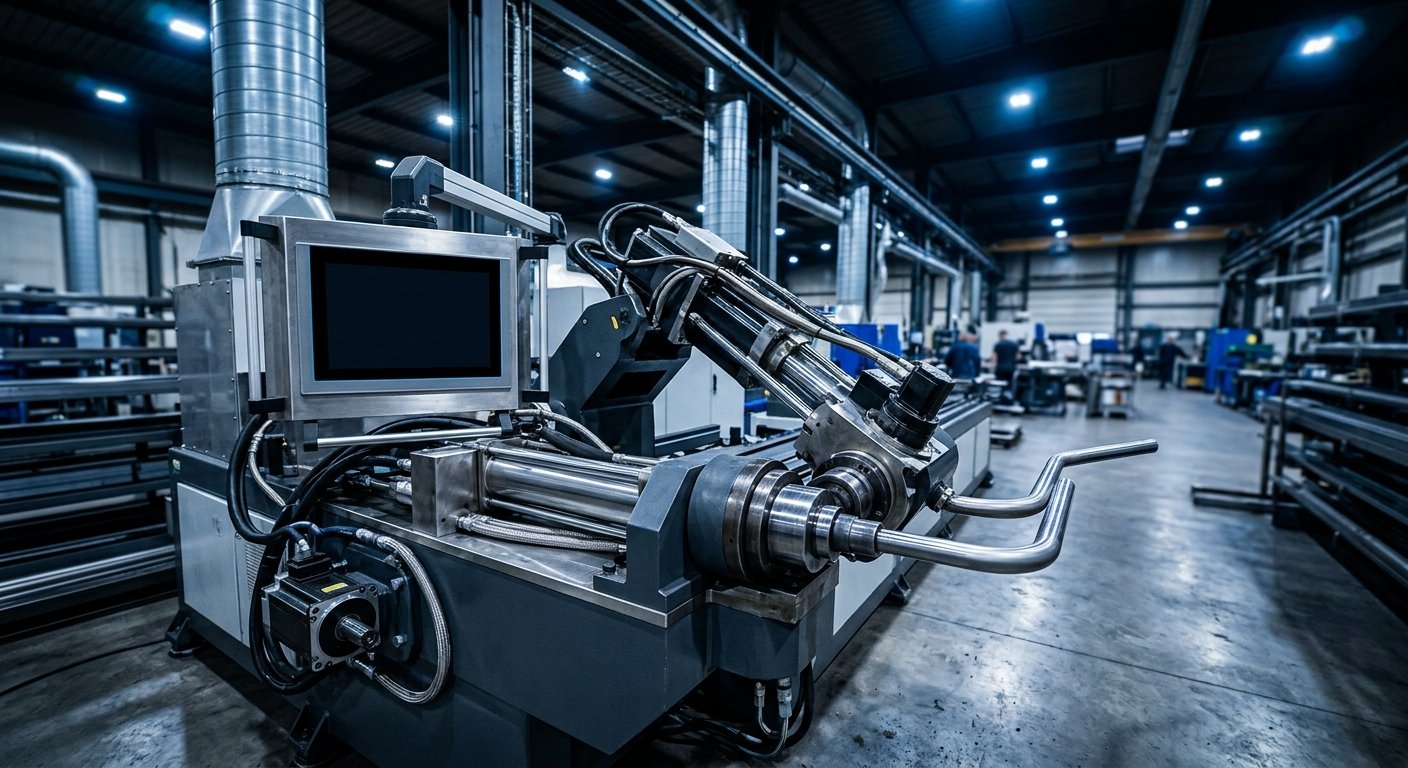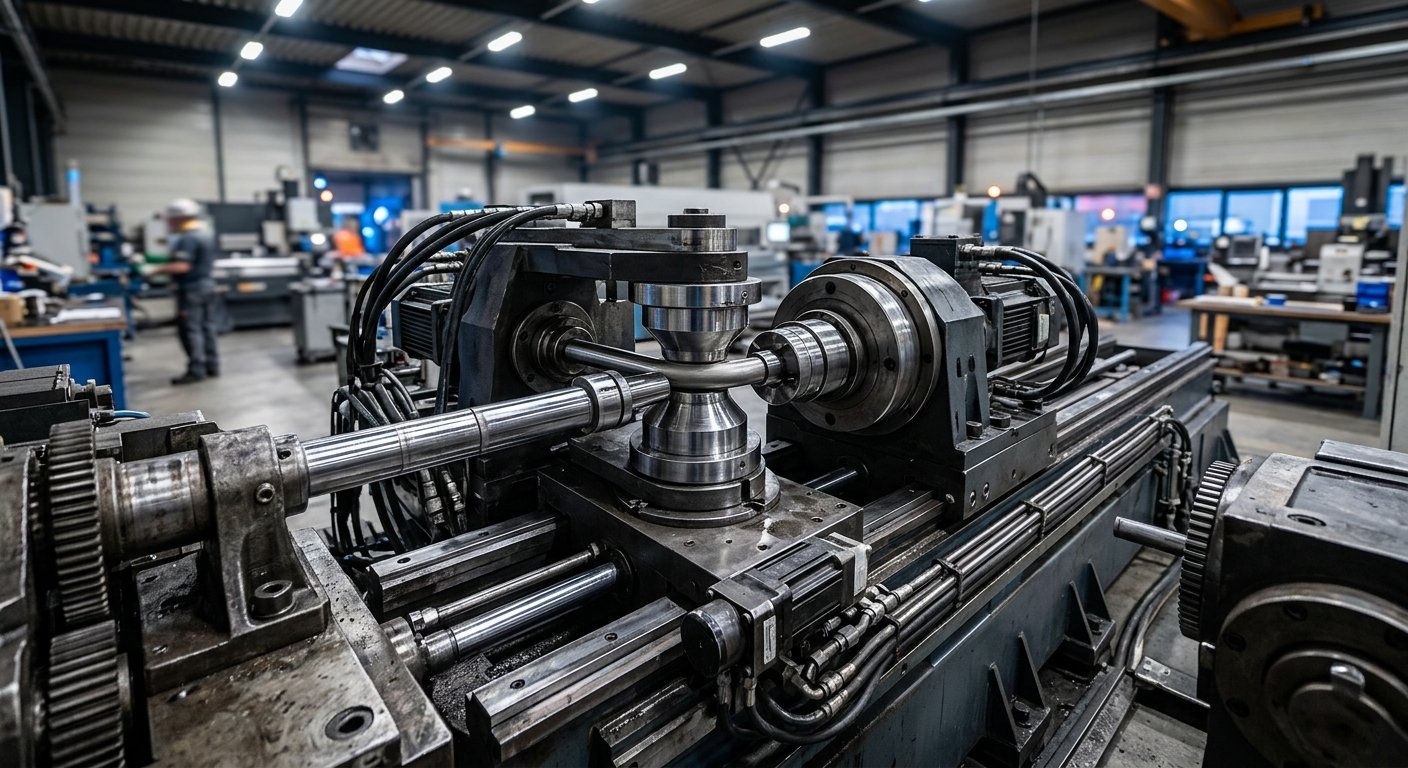
When equipment failure shuts down a critical production line, the difference between a one-hour fix and a three-day delay often comes down to a single factor: whether you purchased from an authorized tube bender dealer or not. This distinction separates manufacturers who maintain operational continuity from those who scramble through equipment downtime, expedited shipping costs, and production delays that cascade through their entire operation.
The tube bending equipment market includes various sales channels—from authorized dealers to gray-market importers and auction-site sellers. While price differences might seem attractive initially, the total cost of ownership tells a dramatically different story, especially for operations requiring precision, reliability, and ongoing technical support.
The Authorization Framework: What It Actually Means
An authorized tube bender dealer maintains a formal contractual relationship with the equipment manufacturer, establishing clear responsibilities, technical standards, and support protocols. This authorization isn’t merely a certificate on the wall—it represents a verifiable commitment to factory-trained technicians, genuine replacement parts inventory, and direct communication channels with engineering teams.
Authorization typically includes:
- Regular technical training updates from the manufacturer’s engineering staff
- Access to proprietary diagnostic software and calibration tools
- Priority allocation of replacement parts and retrofit components
- Direct engineering support for complex applications or troubleshooting
- Warranty administration authority and repair certification
For a CNC tube bender dealer, this authorization becomes particularly critical. Modern CNC systems integrate mechanical, hydraulic, electrical, and software subsystems that require specialized diagnostic capabilities. Factory authorization ensures dealers possess the technical depth to address issues across all these domains rather than relying on generic troubleshooting approaches.
Technical Support Infrastructure: Beyond Basic Service
The support infrastructure behind authorized dealers creates measurable value throughout equipment ownership. When an aerospace manufacturer needs to bend Inconel 625 tubing to tight tolerances for engine components, the application engineering support becomes as important as the machine itself.
Authorized tube bending equipment distributors provide application-specific expertise covering:
- Material springback calculations for exotic alloys including titanium, Inconel, and duplex stainless
- Mandrel and wiper die selection for thin-wall tubing applications
- Tooling design optimization for complex multi-plane bends
- Process parameters for controlling wall thinning and ovalization
- CNC programming support for difficult geometries
This technical depth stems from ongoing collaboration with the factory’s engineering team. When a dealer encounters an unusual application challenge, authorized channels provide direct access to the engineers who designed the equipment. This connection shortens problem-solving cycles from weeks to hours.
Parts Availability and Quality Assurance
Component failure in production equipment creates immediate pressure to restore operation. The parts sourcing channel directly impacts both downtime duration and long-term equipment reliability.
Authorized industrial tube bending machine sales networks maintain factory-specified parts inventory based on predictive maintenance data and failure rate analysis. Critical wear components—mandrels, pressure dies, collets, hydraulic seals—remain in stock at regional service centers rather than requiring overseas shipment from manufacturing facilities.
Quality assurance represents an equally important consideration. Genuine factory parts meet the original equipment specifications for material composition, heat treatment, dimensional tolerances, and surface finish. Alternative parts from unauthorized sources may appear identical but often use substitute materials or manufacturing processes that compromise performance or longevity.
For tube bending operations in petrochemical facilities or power generation plants—where equipment reliability directly impacts safety and regulatory compliance—parts quality isn’t negotiable. The documentation trail from authorized dealers provides traceability that satisfies quality management systems and audit requirements.
The Hidden Costs of Counterfeit Components
Gray-market parts present risks beyond immediate failure. A mandrel manufactured from incorrect steel grades may function initially but wear prematurely, introducing dimensional inconsistencies that waste material and create scrap. Hydraulic seals using substitute elastomers might tolerate some fluid types but fail catastrophically with others, causing environmental incidents and equipment damage far exceeding the original part cost.
Authorized dealers eliminate these risks through verified supply chains and factory-direct component sourcing.
Training Programs and Knowledge Transfer
Equipment capability means little without operator proficiency. The gap between basic operation and precision tube bending mastery determines productivity, scrap rates, and product quality consistency.
Factory-authorized training programs address multiple skill levels:
- Operator certification: Basic machine operation, safety protocols, routine maintenance, and quality verification procedures
- Setup technician training: Tooling installation and adjustment, first-article verification, and process optimization
- Programming instruction: CNC code development, simulation software utilization, and multi-stack bending sequences
- Maintenance certification: Preventive maintenance schedules, diagnostic procedures, and component replacement protocols
These training programs utilize the same equipment and documentation as the factory’s internal training facilities. Curriculum updates reflect engineering changes, software revisions, and best practices developed across the entire installed base.
For organizations implementing new tube bending capacity, this structured knowledge transfer accelerates the transition from equipment installation to full production capability. Rather than learning through trial and error—consuming material and time—operators develop proficiency through systematic instruction based on thousands of previous installations.
Warranty Protection and Long-Term Value
Equipment warranties provide protection against premature failure and manufacturing defects, but warranty value depends entirely on administration capabilities. Unauthorized sellers may technically offer warranties, but enforcement becomes problematic when the manufacturer doesn’t recognize the sales channel.
Authorized tube bending machine dealers provide:
- Seamless warranty claim processing with direct manufacturer communication
- On-site warranty service rather than return-to-depot requirements
- Expedited parts replacement for warranty-covered failures
- Extended warranty options with factory backing
- Documented service history that maintains warranty validity
Equipment purchased through unauthorized channels often carries warranties that prove unenforceable. The manufacturer may refuse warranty coverage for machines sold outside authorized networks, leaving buyers with expensive paperweights when problems arise.
Application Engineering: Matching Equipment to Requirements
Tube bending equipment selection involves numerous technical variables: bend radius capabilities, material compatibility, production volume requirements, dimensional tolerance specifications, and automation integration needs. Incorrect equipment selection creates lasting problems—machines either incapable of meeting application requirements or vastly over-specified for actual needs.
An authorized CNC tube bender dealer brings application engineering resources to the specification process. Rather than simply selling available inventory, these dealers analyze the specific requirements:
- Review part drawings and tolerance specifications
- Evaluate material properties and forming characteristics
- Calculate required bend forces and machine capacity
- Assess tooling requirements and complexity
- Consider future application expansion and flexibility needs
This consultative approach ensures equipment investments align with both current requirements and anticipated growth, avoiding costly capability gaps or unnecessary expense.
Custom Configuration and Integration
Many industrial applications require equipment modifications or custom integration. Authorized dealers possess the factory relationships necessary to specify custom configurations—specialized tooling packages, material handling automation, quality inspection integration, or facility-specific safety systems.
These modifications maintain factory warranty coverage because they’re engineered and documented through official channels rather than field-improvised alterations that void warranties and introduce reliability concerns.
Preventive Maintenance and Lifecycle Support
Production equipment represents a long-term investment requiring ongoing maintenance to preserve accuracy, reliability, and safety. Authorized dealer networks provide structured preventive maintenance programs based on factory engineering data and fleet-wide operational experience.
Regular maintenance services include:
- Hydraulic system analysis and fluid condition monitoring
- Mechanical component inspection and adjustment
- Electrical system testing and connection verification
- CNC system diagnostics and software updates
- Dimensional accuracy verification and calibration
These services extend equipment operational life while maintaining the precision necessary for demanding applications. Deferred maintenance eventually compounds into major rebuilds or premature replacement—both far more expensive than routine preventive care.
As equipment ages, authorized dealers provide retrofit options that extend capability and relevance. Control system upgrades, automation enhancements, and tooling improvements keep older machines productive rather than forcing premature replacement.
Regulatory Compliance and Documentation
Industries including aerospace, defense, nuclear power, and medical device manufacturing operate under strict regulatory requirements. Equipment documentation, maintenance records, and parts traceability become compliance necessities rather than administrative preferences.
Authorized tube bending equipment distributors maintain documentation systems that satisfy regulatory requirements:
- Equipment specifications and certification documentation
- Service history records with technician credentials
- Parts traceability for critical components
- Calibration certificates with NIST-traceable standards
- Software version control and update documentation
This documentation infrastructure supports quality management systems and audit preparation, reducing compliance burden while maintaining verification trails.
Evaluating Dealer Authorization Status
Verifying authorization status protects equipment investments. Legitimate authorized dealers welcome verification and provide clear evidence of their factory relationships.
Confirmation methods include:
- Direct verification with the manufacturer’s sales department
- Review of formal authorization certificates with validity dates
- Examination of dealer facilities including parts inventory and service capabilities
- Technician certification documentation from factory training programs
- References from existing customers with similar applications
Price alone shouldn’t drive equipment purchasing decisions. The lowest initial cost often indicates compromised support infrastructure, limited parts availability, or questionable warranty coverage—all factors that increase total ownership costs over equipment lifecycle.
Making the Authorization Advantage Work
The value proposition of authorized dealers extends throughout equipment ownership—from initial specification through decades of production service. This advantage becomes most apparent during critical moments: complex application challenges, unexpected failures, regulatory audits, or capacity expansion projects.
Organizations serious about precision tube bending capability recognize that equipment represents only part of the investment. The support infrastructure, technical expertise, and factory relationships behind that equipment determine whether it becomes a reliable production asset or an ongoing source of frustration and expense.
For operations where tube bending quality, reliability, and operational continuity matter—aerospace components, petrochemical processing systems, power generation equipment—authorized dealer networks provide measurable value that far exceeds any initial price premiums. The question isn’t whether authorization matters, but rather whether you can afford the risks of purchasing without it.
When precision tube bending capacity impacts your production capability and product quality, partner with dealers who bring complete factory support to your operation. Contact Hines Bending Systems to discuss your tube bending requirements with a team backed by decades of American manufacturing excellence and comprehensive technical support infrastructure.