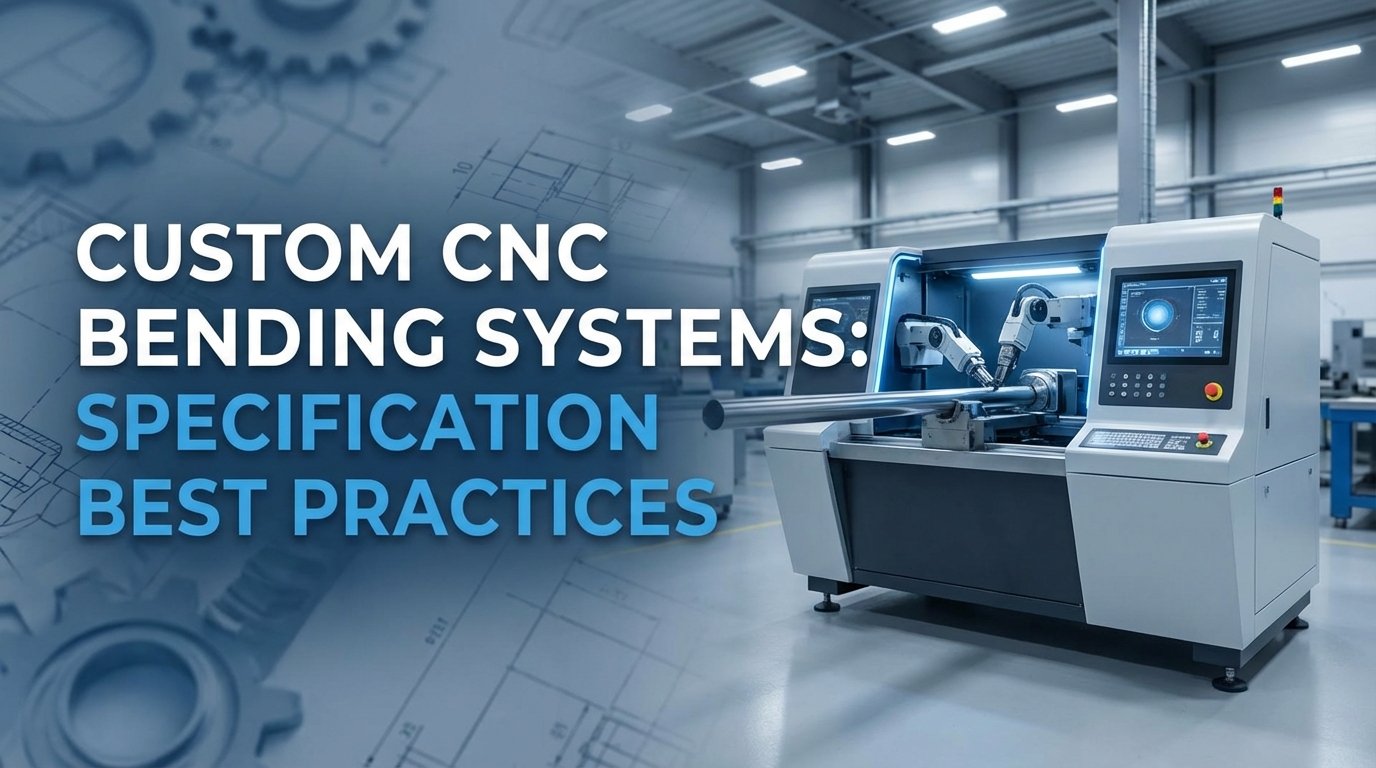
Specifying custom CNC bending systems represents one of the most critical investment decisions in precision manufacturing operations. Unlike off-the-shelf equipment, engineered bending solutions must align perfectly with your production requirements, material specifications, and long-term manufacturing strategy. A poorly specified system can create bottlenecks, quality issues, and costly rework for years to come.
The challenge lies in translating complex manufacturing requirements into precise technical specifications that equipment manufacturers can execute. This process requires understanding not just what you need today, but anticipating future production demands, material variations, and integration requirements within your existing workflow.
Understanding Your Application Requirements
Before engaging a custom bending machine manufacturer, conduct a comprehensive analysis of your bending applications. This groundwork determines whether you need a specialized solution or can adapt standard equipment to meet your needs.
Material and Geometric Specifications
Document every material you’ll process through the system. Custom tube bending equipment specifications should account for:
- Material types and grades: Stainless steel, titanium, Inconel, aluminum, copper-nickel alloys, and specialty aerospace materials each present unique bending characteristics
- Tube and pipe dimensions: Outside diameter, wall thickness, and the relationship between these dimensions (D/t ratio) directly impacts bending feasibility
- Bend radius requirements: Centerline radius (CLR) specifications typically range from 1D to 5D, with tighter radii demanding more sophisticated tooling and machine capabilities
- Geometric complexity: Single-plane versus multi-plane bending, number of bends per part, and spatial orientation between bends
- Tolerance requirements: Angular accuracy, radius consistency, and dimensional repeatability standards for your application
For aerospace applications, these specifications often trace back to AS9100 quality standards and specific customer requirements. Oil and gas applications may need to meet ASME B31.3 or API specifications. Understanding these industry-specific requirements upfront prevents costly modifications later.
Production Volume and Cycle Time Analysis
Application specific bending machines must balance capability with throughput. Calculate your required production capacity considering:
Current production volumes with projected growth over the equipment’s expected lifespan (typically 15-20 years for quality CNC bending systems). Peak demand periods that may require surge capacity. Changeover time between different part numbers if you’re running varied production. Target cycle times per part, including load, bend, unload, and inspection operations.
A common specification error involves optimizing for average production rather than peak capacity, creating bottlenecks during high-demand periods. Conversely, over-specifying capacity for applications that don’t require it unnecessarily inflates capital costs.
Critical Machine Capabilities and Features
Tailored tube bending machines incorporate specific capabilities that standard equipment may lack. Your specification should address these technical parameters with precision.
Bending Technology Selection
The fundamental bending method significantly impacts part quality and production efficiency. Rotary draw bending remains the most common approach for precision applications, offering excellent repeatability and surface finish. This technology uses a rotating bend die with a mandrel support system to prevent collapse and wrinkling.
For large-diameter pipe or applications requiring minimal setup time, compression bending or roll bending may be more appropriate. Some custom CNC bending systems integrate multiple bending technologies in a single platform, providing flexibility for diverse product lines.
Mandrel and Tooling Systems
Mandrel selection dramatically affects bend quality, particularly for thin-wall tubing and tight radius applications. Your specification should define:
- Mandrel types required (plug, form, ball, cable, or specialized designs)
- Quick-change tooling systems to minimize changeover time
- Tool material requirements for abrasive or high-temperature materials
- Automated tool verification systems to ensure correct setup
For high-mix, low-volume production environments, rapid tool changeover capability often provides more value than maximum bending speed. Conversely, high-volume operations benefit from dedicated tooling and automated part handling.
Control System and Programming Interface
Modern CNC control systems should offer intuitive programming, simulation capabilities, and integration with upstream CAD/CAM systems. Specify requirements for:
Programming methods (teach pendant, offline programming, or direct CAD import). Collision detection and simulation to validate programs before production. Data collection and Industry 4.0 connectivity for production monitoring. User interface language options and skill level of operators. Integration with existing enterprise systems (ERP, MES, quality management).
Custom bending machine manufacturers increasingly offer advanced control features like automatic springback compensation, which adjusts bend angles based on material properties and previous bend history. For demanding applications, these intelligent control features significantly reduce setup time and scrap rates.
Integration and Automation Considerations
Custom CNC bending systems rarely operate in isolation. Specification must address how equipment integrates into your broader manufacturing ecosystem.
Material Handling and Loading Systems
Automated loading and unloading systems dramatically impact overall equipment effectiveness (OEE). Consider specifying:
- Automatic tube feeding systems for lights-out operation
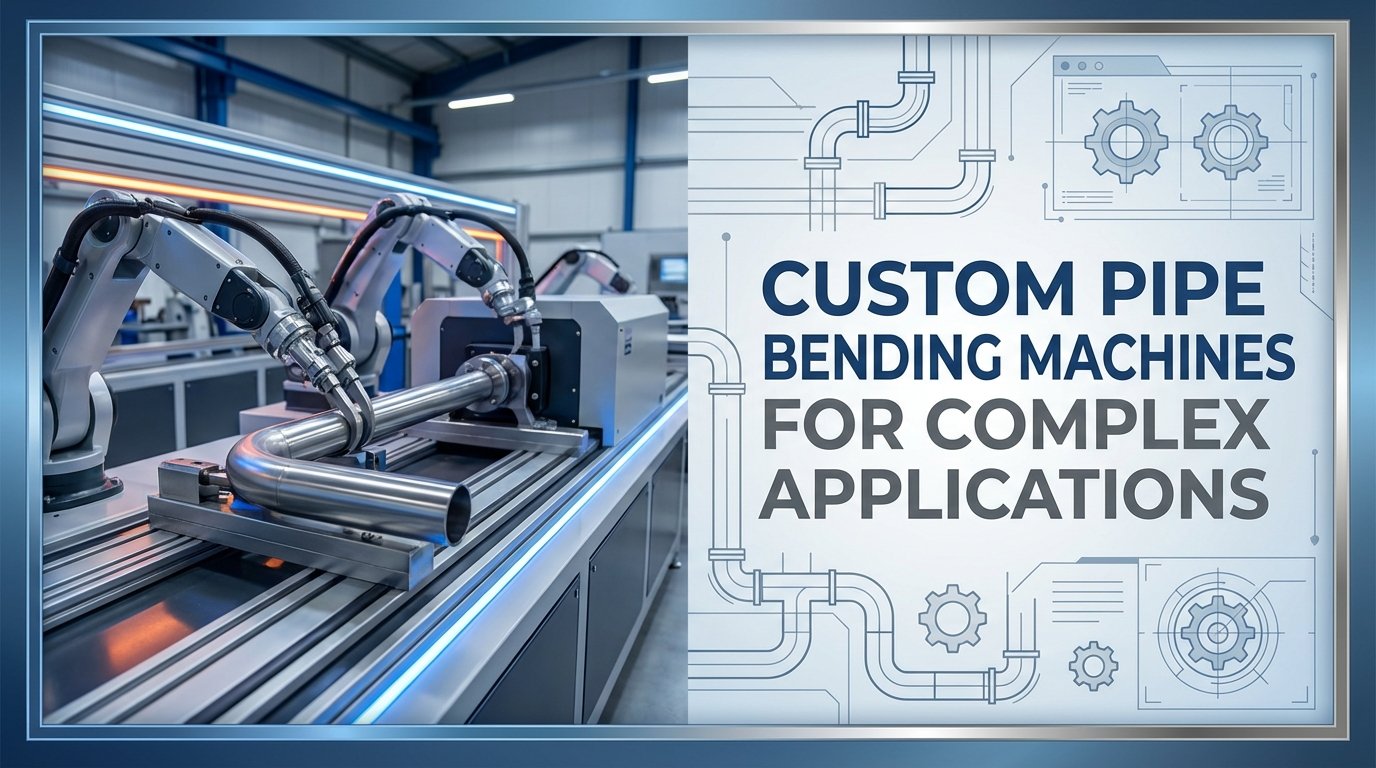
- Robotic part extraction and placement systems
- Integration with upstream cutting operations
- Downstream process handoff (welding, assembly, finishing)
For aerospace applications producing complex assemblies, some manufacturers integrate bending with automated measurement systems that verify dimensional accuracy before releasing parts to subsequent operations.
Quality Verification and Inspection
Built-in quality verification capabilities reduce manual inspection requirements and catch errors before they propagate through production. Engineered bending solutions can incorporate:
In-process measurement systems that verify bend angles and rotation positions. Vision systems for bend location verification. Automated documentation systems that record machine parameters for each part. Statistical process control (SPC) data collection for trend analysis.
For critical applications in nuclear, aerospace, or medical device manufacturing, traceability requirements may dictate specific documentation and verification capabilities.
Facility Requirements and Installation Planning
Custom tube bending equipment specifications must account for facility constraints and utility requirements.
Physical Space and Access
Document available floor space, including clearances for maintenance access, tool storage, and material handling equipment. Consider ceiling height for overhead cranes or material handling systems. Large-diameter pipe bending equipment may require significant swing clearance.
Plan for equipment installation, including removal of walls, doors, or other modifications required to position the machine. Some custom CNC bending systems arrive as modular components for assembly on-site, while others ship as integrated units requiring specialized rigging.
Utility and Infrastructure Requirements
Specify available electrical service (voltage, phase, amperage), compressed air capacity and quality (CFM, pressure, filtration requirements), hydraulic system preferences (integrated versus central system), and environmental conditions (temperature range, humidity, contamination concerns).
For operations in temperature-controlled environments, heat generation from hydraulic systems may require additional cooling capacity in your facility.
Vendor Selection and Partnership Criteria
Choosing the right custom bending machine manufacturer extends beyond technical specifications. Evaluate potential partners on multiple criteria.
Manufacturing Capability and Quality Systems
American manufacturing heritage often correlates with robust quality systems and responsive support. Evaluate manufacturers based on their quality certifications (ISO 9001, AS9100 for aerospace applications), track record with demanding customers (NASA, military, major OEMs), engineering depth and custom design capabilities, and domestic manufacturing versus overseas sourcing.
Manufacturers with proven experience in your industry understand application-specific challenges and bring valuable insights to the specification process.
Support and Service Infrastructure
Long-term success with custom equipment depends heavily on ongoing support. Assess:
- Technical support availability and response time commitments
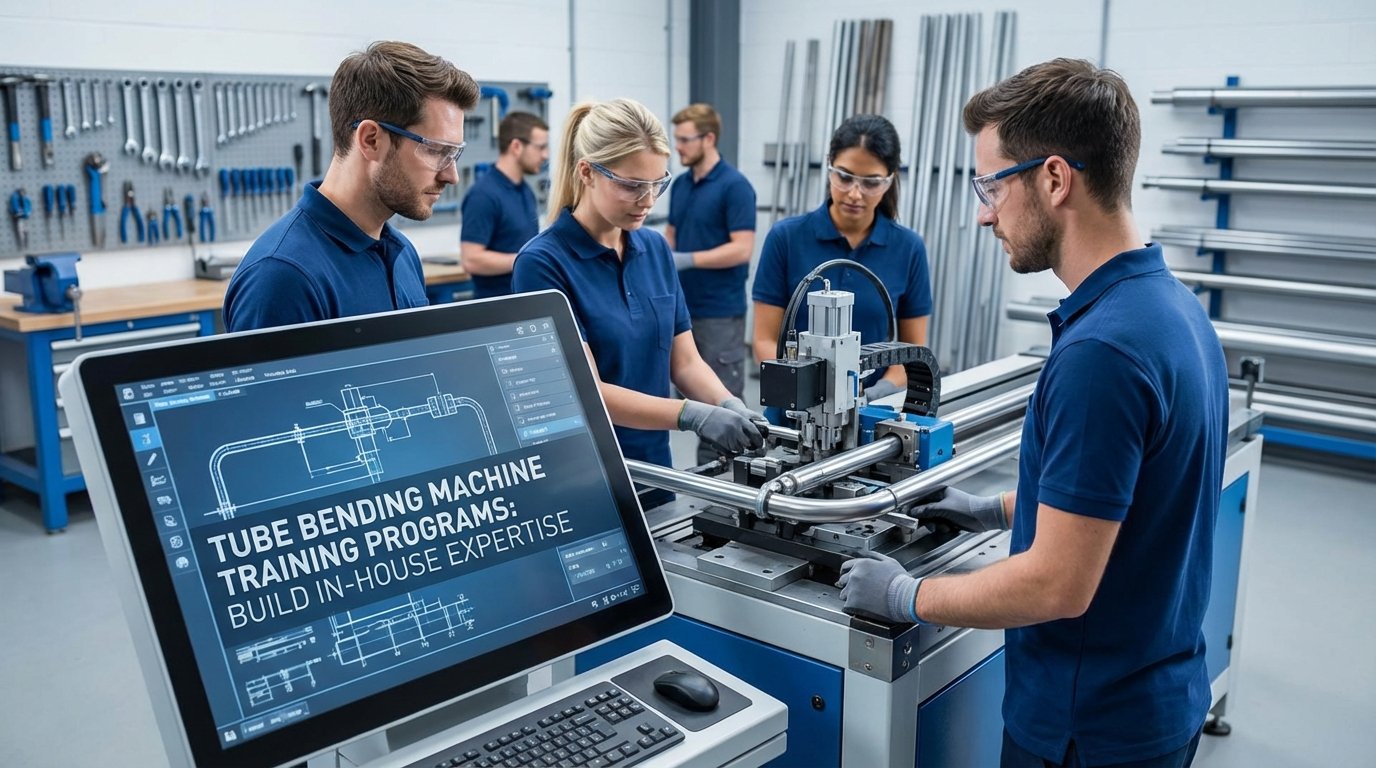
- Training programs for operators, programmers, and maintenance personnel
- Spare parts availability and delivery timelines
- Field service capabilities and technician expertise
- Remote diagnostic and troubleshooting capabilities
Application specific bending machines may require specialized knowledge that only the original manufacturer possesses. Establish clear service level agreements before finalizing equipment purchase.
Financial and Timeline Considerations
Custom equipment procurement requires realistic expectations about investment and delivery.
Total Cost of Ownership Analysis
Look beyond initial capital cost to evaluate total cost of ownership over the equipment’s lifespan. Factor in energy consumption, maintenance requirements, consumable tooling costs, training expenses, and expected productivity gains versus current methods.
For high-value aerospace or defense applications, reduced scrap rates and improved first-pass yield often justify premium equipment costs within the first year of operation.
Project Timeline and Acceptance Testing
Custom CNC bending systems typically require 6-18 months from order to installation, depending on complexity. Establish clear milestones for design review and approval, factory acceptance testing (FAT), delivery and installation, and site acceptance testing (SAT).
Define acceptance criteria in advance, including specific test parts that represent your most challenging production requirements. Successful completion of these criteria should trigger final payment and warranty commencement.
Moving Forward with Custom Bending Solutions
Specifying tailored tube bending machines demands thorough analysis, clear communication with potential manufacturers, and realistic expectations about timeline and investment. The most successful custom equipment projects begin with collaborative partnerships where manufacturers contribute application expertise and engineering insight to refine specifications.
Begin by documenting your current process challenges and future production requirements. Engage potential manufacturers early in the specification process to benefit from their experience with similar applications. Visit reference installations when possible to see equipment performance firsthand and speak with operators and maintenance personnel.
When you’re ready to explore custom bending solutions for your unique manufacturing requirements, partnering with experienced American manufacturers ensures you receive equipment engineered specifically for your application, backed by comprehensive support throughout the equipment’s operational life. The investment in properly specified custom equipment pays dividends through improved quality, increased productivity, and reduced long-term operating costs.