The procurement landscape for precision tube bending equipment has evolved significantly from the straightforward manufacturer-to-customer model that dominated American industrial manufacturing for decades. Today’s buyers face a complex network of sales channels—from authorized dealers and regional distributors to direct manufacturer relationships and international resellers. Understanding these pathways isn’t merely about finding the lowest price; it’s about securing the right equipment, proper technical support, and long-term service commitments that keep production lines running efficiently.
For engineering managers and procurement specialists specifying CNC tube bending systems for aerospace components, petrochemical installations, or high-pressure hydraulic assemblies, the choice of sales channel directly impacts project timelines, equipment performance, and total cost of ownership. The wrong distributor relationship can mean delayed installations, inadequate training, or orphaned equipment with no service support five years into operation.
Understanding the Tube Bending Equipment Distribution Ecosystem
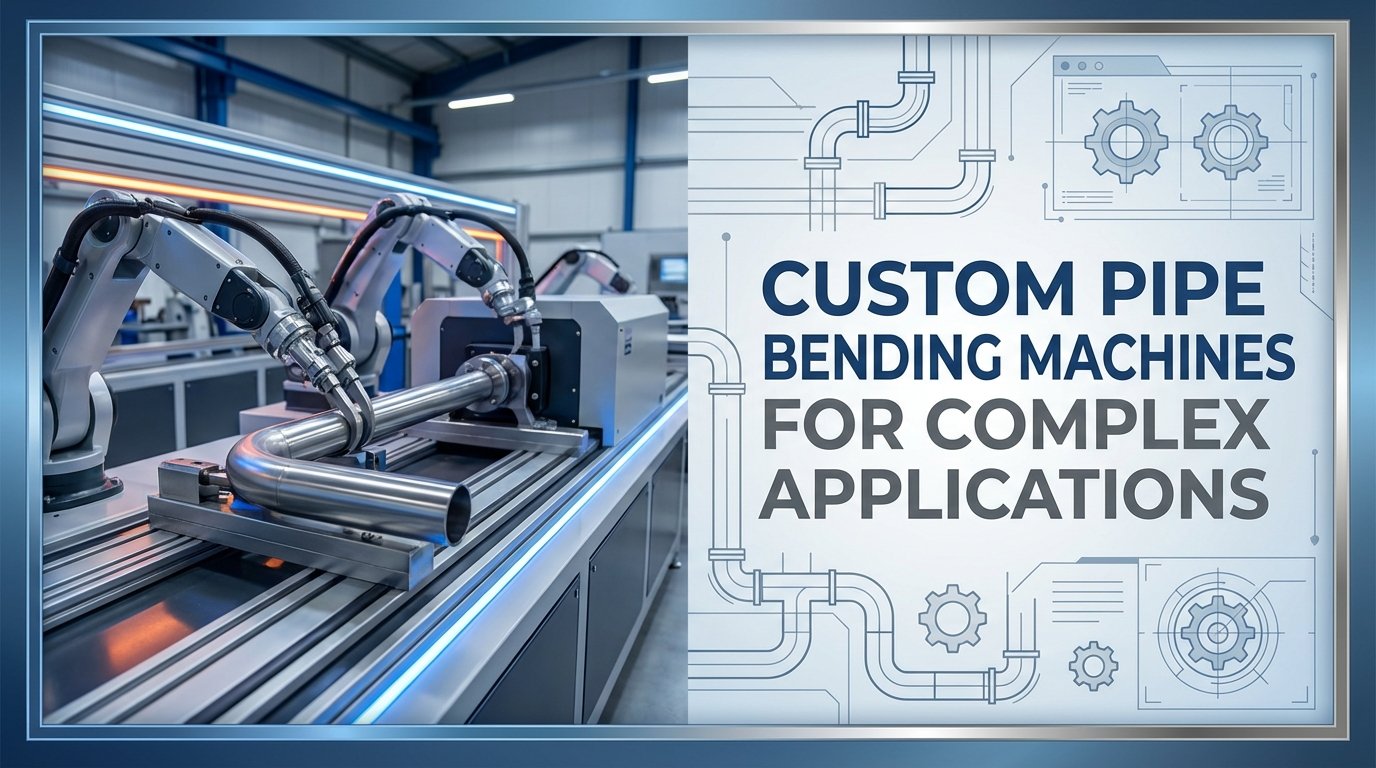
The industrial tube bending machine sales network operates through several distinct channels, each with specific advantages and potential limitations. Authorized dealers represent manufacturers within defined territories, maintaining inventory, providing demonstrations, and offering local service support. Regional distributors often carry multiple equipment lines, positioning themselves as one-stop procurement sources for fabrication shops and manufacturing facilities. Direct manufacturer sales remain common for large capital investments, particularly when custom engineering is required for specialized applications.
The critical distinction lies in authorization status. An authorized tube bender dealer maintains formal agreements with manufacturers, ensuring access to genuine parts, factory training, warranty support, and technical documentation. Unauthorized resellers may offer attractive pricing on used or imported equipment, but buyers frequently discover these savings evaporate when faced with proprietary control systems, unavailable tooling, or voided warranties.
The Authorization Advantage
Working with authorized channels provides documented equipment provenance—essential for aerospace and defense applications where material certifications and manufacturing traceability aren’t optional. Authorized tube bending equipment distributors undergo factory training on specific machine models, understanding the nuances of servo control systems, mandrel configurations, and pressure die adjustments that determine bend quality. This expertise proves invaluable during equipment specification, when selecting a rotary draw bender versus a compression bender can mean the difference between meeting tolerances or scrapping expensive aerospace-grade tubing.
Authorization also establishes clear service pathways. When a CNC tube bender experiences control system faults or servo drive issues during second-shift production, authorized dealers can access manufacturer technical support, expedite genuine replacement parts, and dispatch factory-trained service technicians. Unauthorized sources leave buyers navigating these challenges alone, often discovering that proprietary software locks prevent third-party repairs.
Direct Manufacturer Relationships: When to Bypass Distributors
Large-scale procurements and highly customized applications often warrant direct manufacturer engagement. When specifying multi-stack CNC bending systems for automotive exhaust manifold production, or designing custom tooling packages for nuclear-grade stainless steel tubing, direct manufacturer relationships provide access to engineering resources that typical CNC tube bender dealers cannot match.
American manufacturers with proven track records in aerospace and defense applications—companies that have supplied NASA with precision bending equipment for launch vehicle fluid systems—offer engineering collaboration that transforms equipment procurement into genuine problem-solving partnerships. These relationships enable custom machine configurations, application-specific tooling design, and integrated quality control systems that address unique production requirements.
The trade-off involves commitment and volume. Manufacturers prioritize direct relationships when project scope justifies engineering investment. For companies requiring standard equipment configurations with conventional tooling packages, authorized dealers provide more responsive service without minimum order quantities or extended lead times associated with custom engineering.
Evaluating Industrial Tube Bending Machine Sales Representatives
Not all sales channels demonstrate equal technical competency. Effective evaluation separates knowledgeable partners from transactional resellers. Competent representatives understand material properties—how 6061-T6 aluminum behaves differently from 304 stainless steel during mandrel bending, why wall factor calculations determine feasible bend radii, and when induction bending becomes necessary for large-diameter, heavy-wall pipe.
Request application-specific demonstrations. A tube bending machine dealer claiming expertise in aerospace hydraulic tube fabrication should readily demonstrate tight-radius bends in .035-wall titanium tubing without wrinkling, flattening, or wall thinning. Ask about mandrel selection, wiper die materials, and pressure die settings—specific technical details that reveal genuine experience versus sales rhetoric.
Technical Support Capabilities
Assess post-sale support infrastructure before purchase commitments. Quality distributors maintain application engineers who assist with program development, tooling selection, and process optimization. They stock commonly needed wear components—collets, mandrels, wiper dies—minimizing production downtime when consumables require replacement. Service response times matter: can the distributor dispatch qualified technicians within 24 hours for critical production equipment failures?
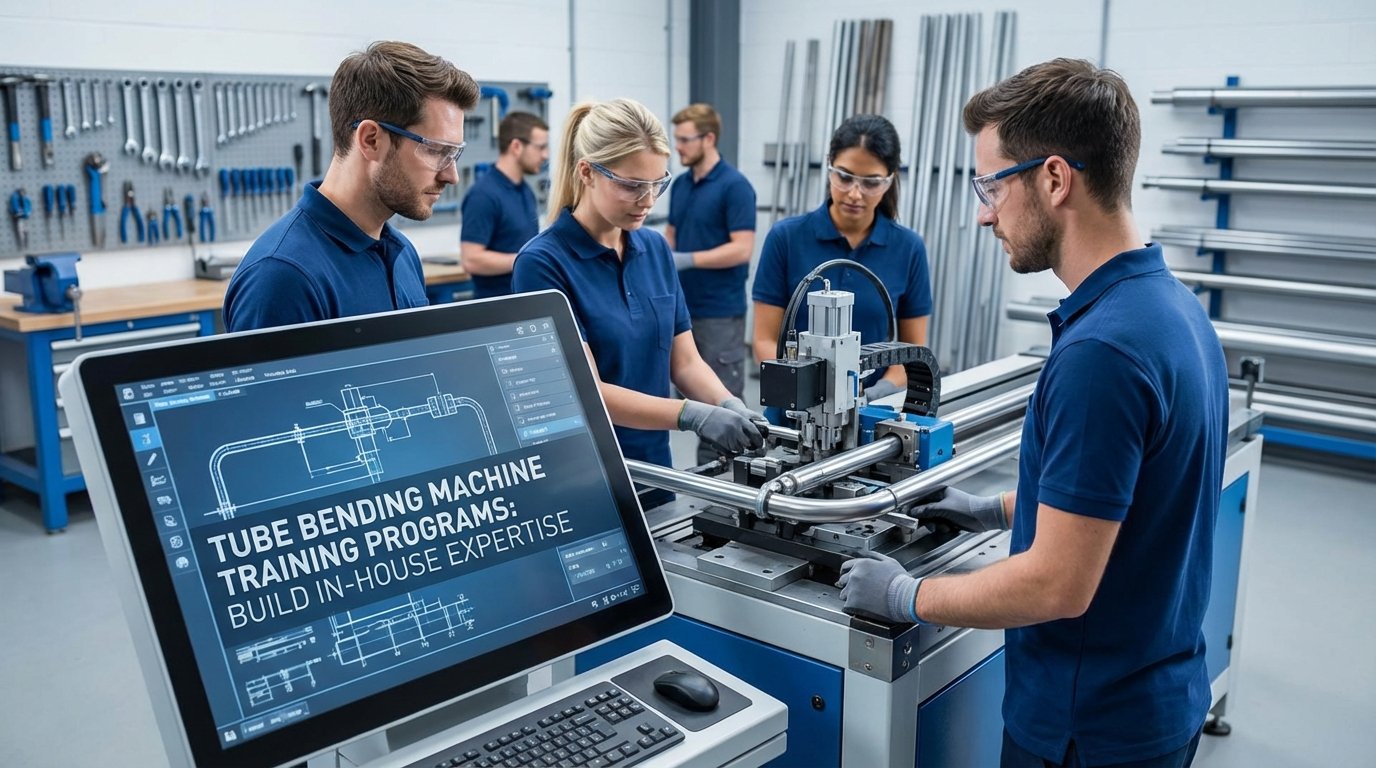
Training programs represent another differentiator. Comprehensive operator training ensures production staff understand machine capabilities, proper setup procedures, and preventive maintenance requirements. Engineering training enables in-house program development for new part geometries without ongoing dependence on vendor support. Distributors offering structured training programs demonstrate commitment beyond initial equipment sales.
Geographic Considerations and Regional Distribution
Location impacts service responsiveness and total procurement costs. Regional distributors provide local presence—advantageous for equipment demonstrations, operator training, and emergency service calls. However, geographic proximity shouldn’t override technical competency or manufacturer authorization. A distant authorized dealer with genuine expertise often delivers superior long-term value compared to a nearby unauthorized reseller offering minimal support.
Transportation logistics affect capital equipment procurement. Precision CNC tube bending machines require careful rigging, climate-controlled transport, and professional installation. Established distributors manage these logistics routinely, coordinating millwright services, electrical installations, and machine leveling. Inexperienced resellers may deliver equipment curbside, leaving buyers scrambling for qualified installation contractors.
Pricing Structures and Total Cost of Ownership
Initial equipment pricing represents one component of total ownership costs. Authorized channels typically maintain manufacturer-established pricing with limited negotiation flexibility on standard equipment. This structure prevents price erosion that compromises long-term manufacturer viability—a legitimate concern when equipment service life spans 20-25 years.
Evaluate total cost comprehensively. Lower initial pricing from unauthorized sources often accompanies higher tooling costs, premium pricing on replacement parts, and expensive third-party service calls. Calculate projected consumables costs, annual maintenance expenses, and potential production downtime from inadequate support. Authorized tube bending equipment distributors may justify higher initial investment through reduced lifecycle costs and superior production uptime.
Financing and Leasing Options
Established dealers and distributors typically offer financing arrangements or leasing programs that ease capital equipment acquisition. These options preserve working capital while enabling immediate production capacity expansion. Evaluate financing terms carefully—interest rates, buyout provisions, and early termination clauses significantly impact total equipment costs. Direct manufacturer relationships may provide competitive financing through captive finance companies or preferred lending partnerships.
Vetting Equipment Condition: New, Rebuilt, and Used Markets
Market channels extend beyond new equipment sales. Rebuilt machines offer cost savings when sourced from reputable rebuilders who replace worn components, update control systems, and provide warranties approximating new equipment. Used equipment markets attract budget-conscious buyers but demand careful evaluation. Proprietary control systems, discontinued parts, and unknown maintenance histories create substantial risks.
When considering used or rebuilt equipment, insist on documented service records, component replacement history, and remaining tool life estimates. Verify parts availability for critical components—particularly control systems and servo drives where obsolescence can render otherwise functional machines unusable. Authorized dealers occasionally offer certified pre-owned equipment with factory inspections and limited warranties, bridging the gap between used equipment risks and new equipment costs.
Building Strategic Supplier Relationships
Effective procurement transcends transactional purchasing. Strategic relationships with knowledgeable tube bending machine dealers create ongoing value through application support, process optimization assistance, and early access to equipment innovations. These partnerships prove particularly valuable as production requirements evolve, new materials enter specifications, or tightening tolerances demand equipment upgrades.
Communicate openly about production challenges, volume projections, and future capability requirements. Quality distributors respond with proactive recommendations—additional tooling to expand part range, automation integration to reduce labor costs, or preventive maintenance programs to maximize equipment availability. This collaborative approach transforms vendors into genuine manufacturing partners.
Red Flags: Warning Signs of Problematic Distributors
Certain indicators suggest problematic sales channels. Reluctance to provide customer references, particularly from similar applications, raises concerns about actual experience. Vague responses to technical questions about bend tolerances, material capabilities, or tooling requirements reveal inadequate expertise. Pressure tactics emphasizing immediate purchase decisions without adequate evaluation time suggest prioritization of sales commissions over customer success.
Verify authorization claims directly with manufacturers. Unauthorized resellers sometimes misrepresent relationships, claiming factory support they cannot deliver. Check business stability—how long has the distributor operated, do they maintain permanent facilities, and what is their financial condition? Equipment requiring decades of parts and service support demands suppliers with demonstrated longevity.
Making the Procurement Decision
Successful equipment procurement balances multiple factors: technical capability, application expertise, service infrastructure, and total lifecycle costs. Prioritize authorized channels with demonstrated competency in your specific applications. For aerospace hydraulic tube fabrication, seek distributors experienced with tight-tolerance mandrel bending in aerospace alloys. Petrochemical applications demand understanding of heavy-wall pipe bending, induction heating processes, and high-strength material properties.
Request detailed proposals encompassing complete system costs—machine, tooling, installation, training, and first-year consumables. Compare proposals comprehensively rather than focusing exclusively on equipment pricing. The lowest-priced quote frequently becomes the most expensive choice when accounting for inadequate tooling, insufficient training, or minimal ongoing support.
For over six decades, Hines Bending Systems has served as a trusted American manufacturer providing precision tube and pipe bending equipment directly to demanding industries including aerospace, defense, and energy. Our engineering team collaborates with customers to specify optimal bending solutions, from standard production machines to fully customized systems addressing unique application requirements. We stand behind our equipment with comprehensive training, responsive technical support, and genuine American-made parts inventory ensuring long-term production success. Contact our team to discuss your specific tube bending requirements and discover how direct manufacturer partnership delivers superior value throughout equipment lifecycle.