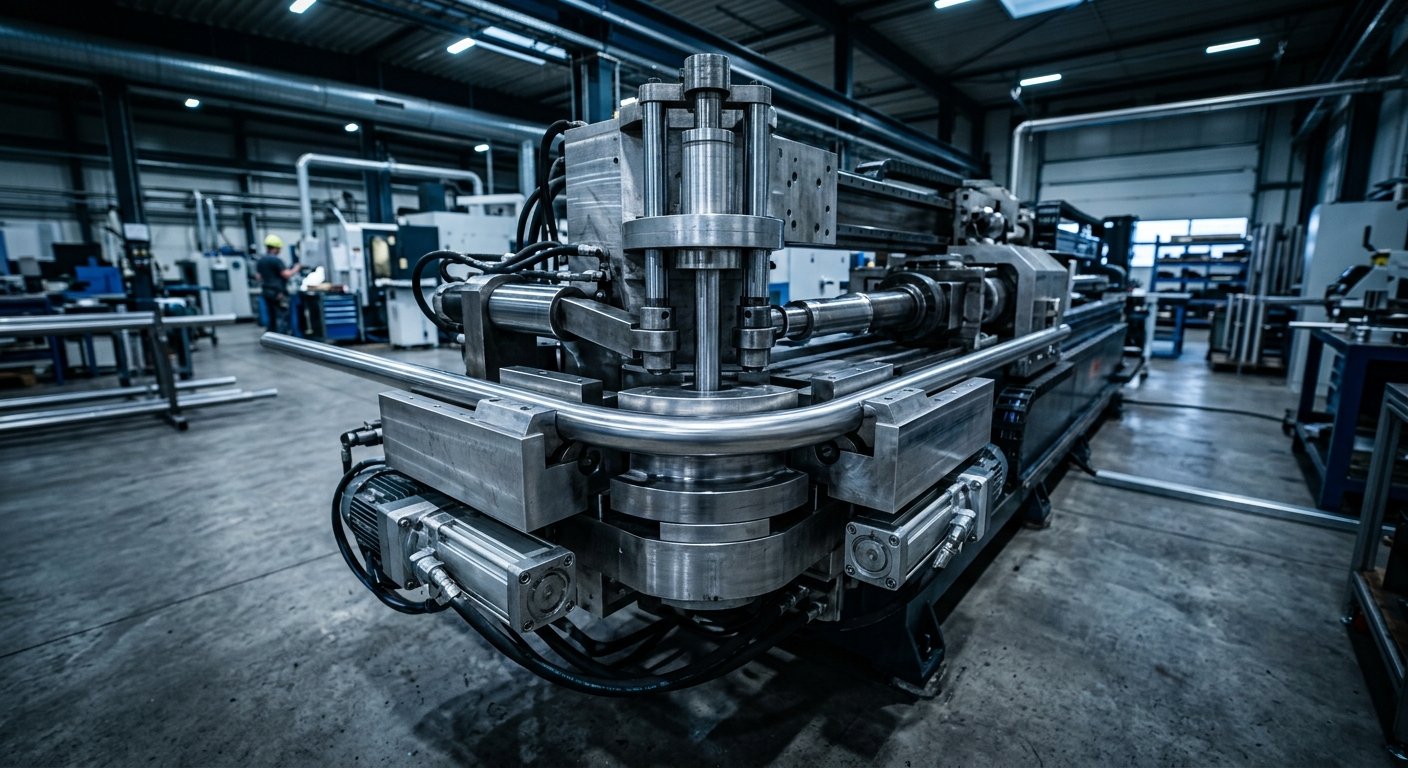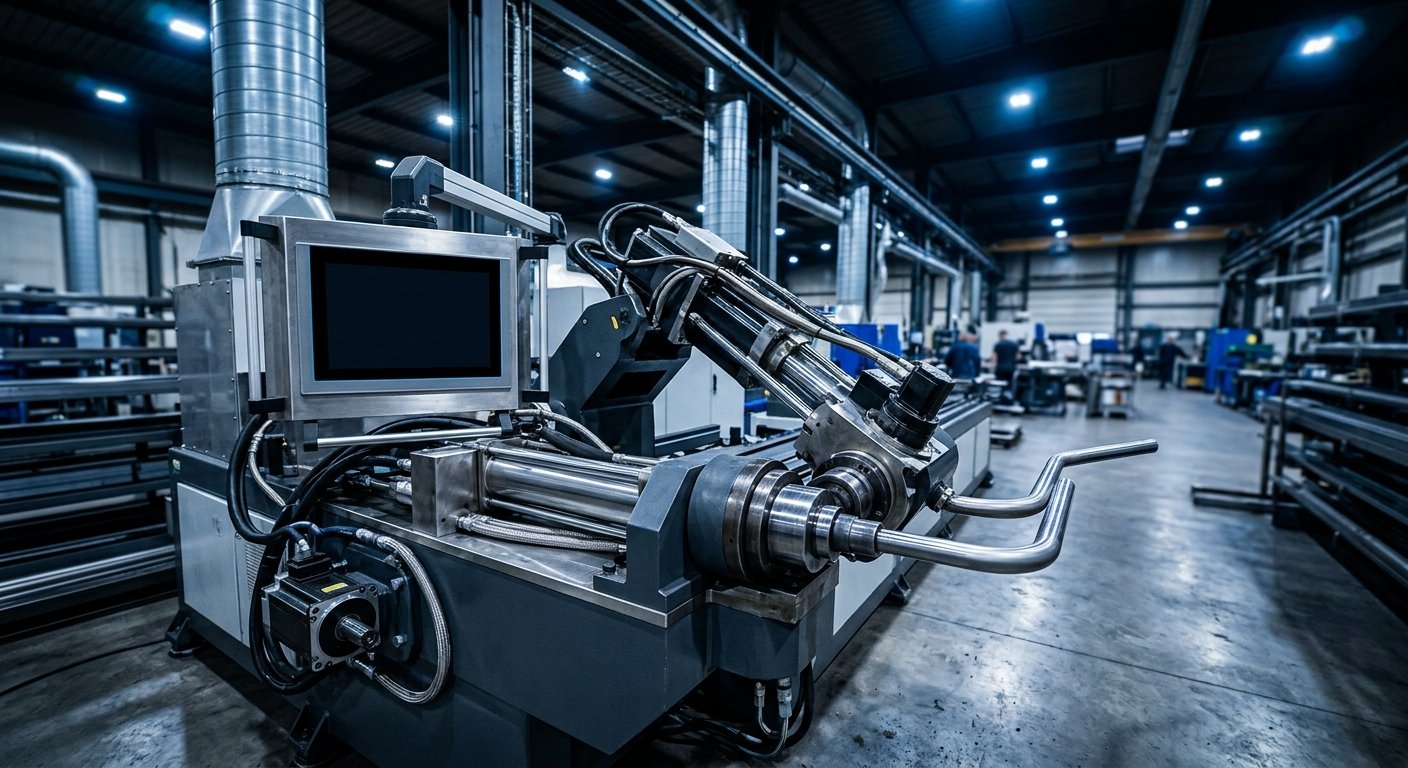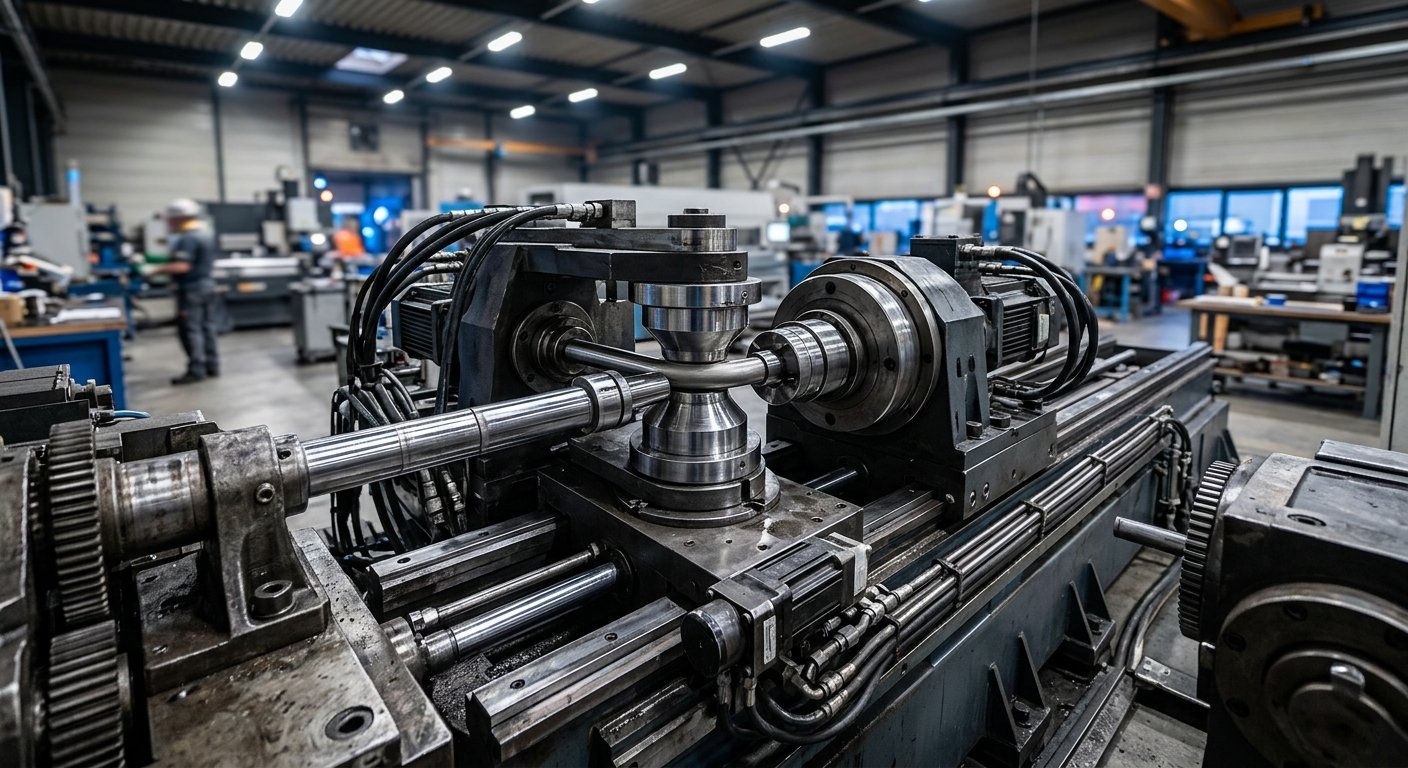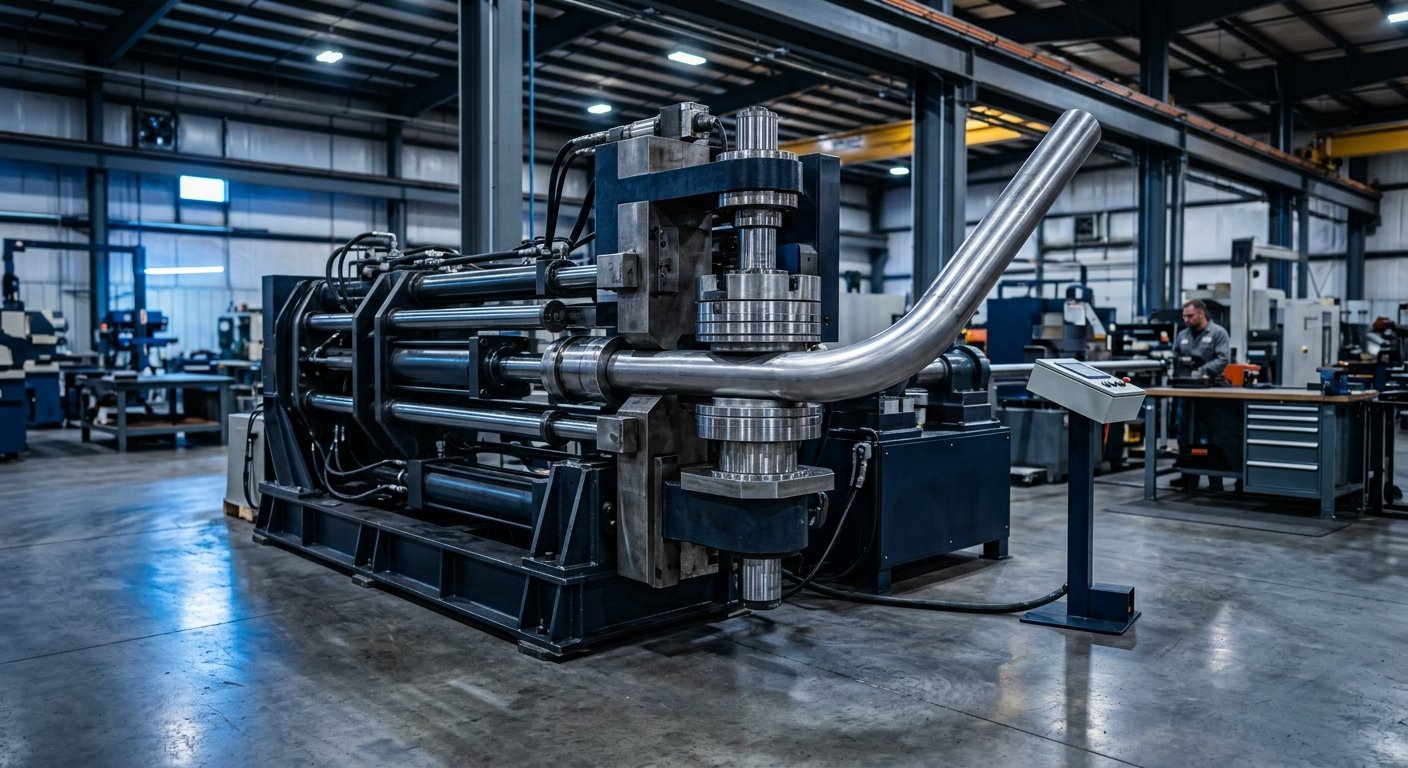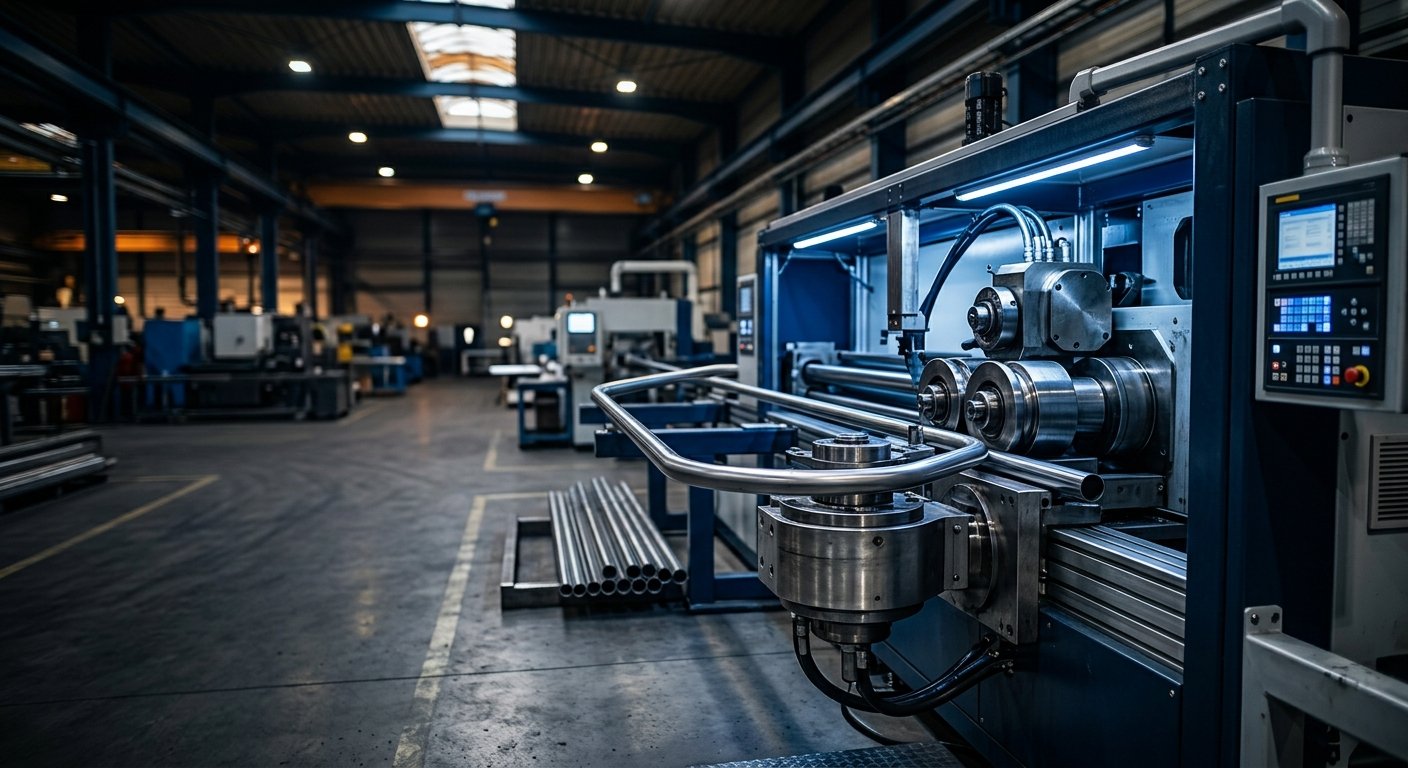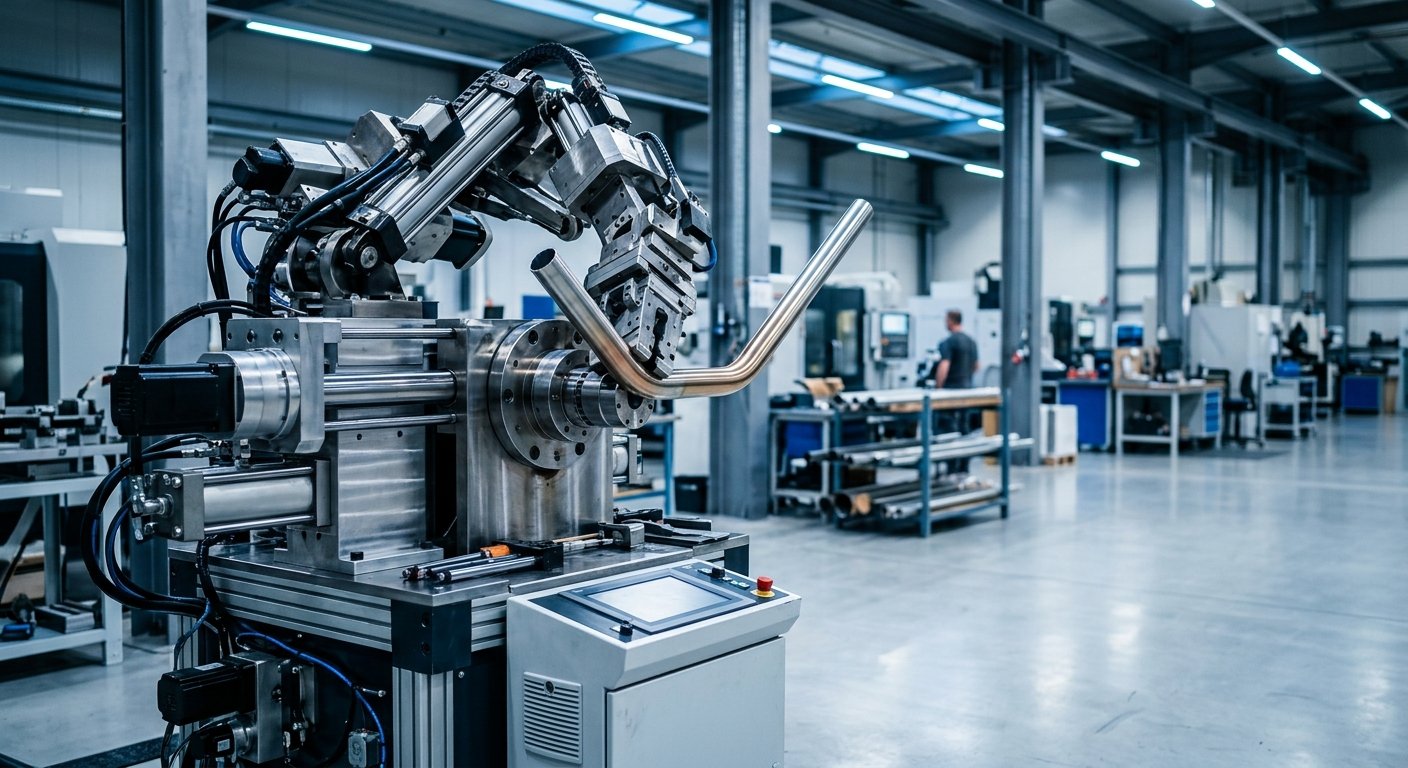
When purchasing a CNC tube bender, engineers and procurement managers face a fundamental choice: buy directly from the manufacturer or source through an authorized distributor. For most precision industrial applications—aerospace, oil & gas, petrochemical, defense—buying direct from the manufacturer or through a vetted, authorized channel ensures full technical support, accurate application engineering, and warranty integrity. The right channel depends on your application complexity, volume, and support requirements.
- Direct manufacturer relationships offer the deepest technical support and custom configuration capability—critical for high-stakes aerospace and defense applications.
- Authorized distributors can provide regional access and faster equipment availability, but verify their authorization status before committing.
- Unauthorized or grey-market tube bending equipment carries significant risks: voided warranties, missing calibration documentation, and no factory support.
- Application engineering—matching the machine to your material, bend radius, and production volume—should be part of any legitimate purchase process.
- Total cost of ownership, not purchase price, is the correct metric for evaluating industrial tube bending equipment.
Why the Purchase Channel Matters for Precision Bending Equipment
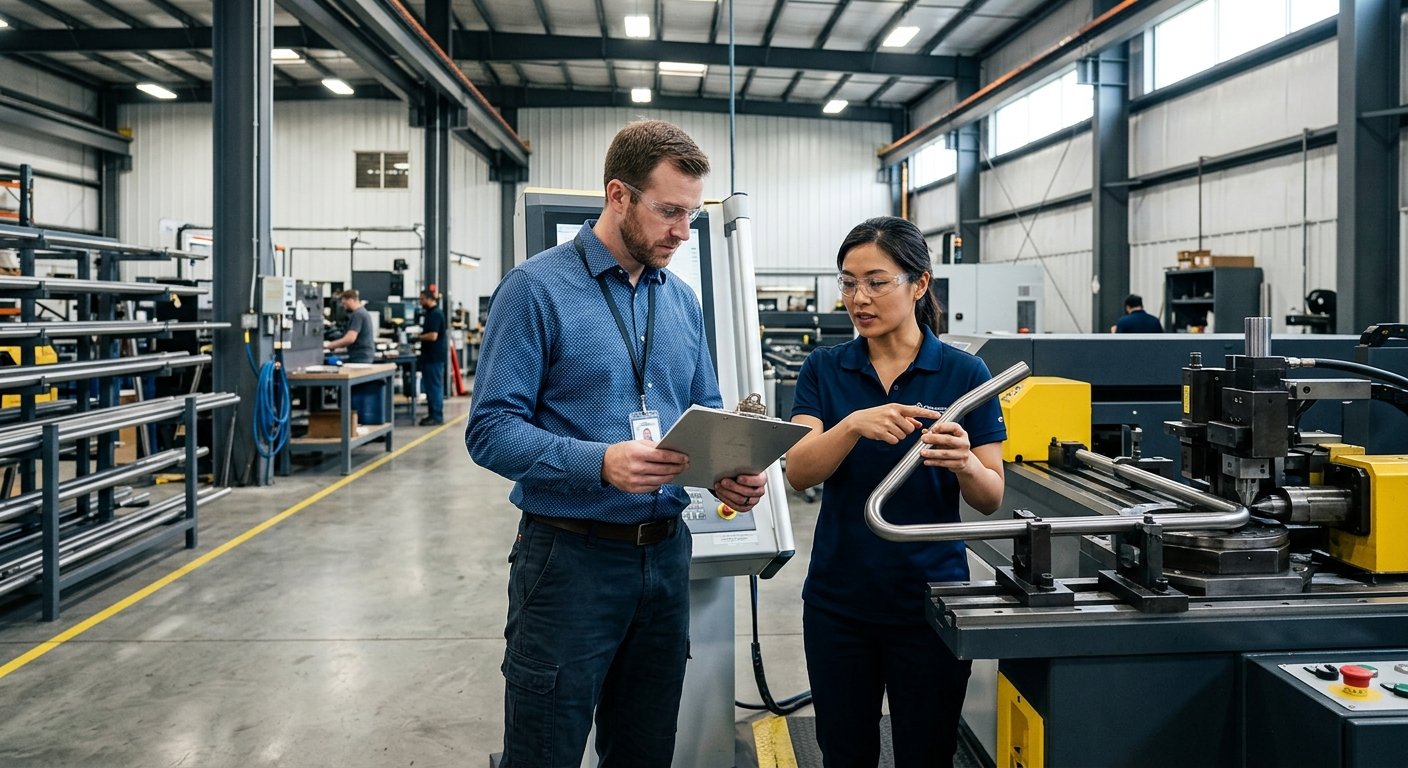
A CNC tube bender is not a commodity purchase. For engineers specifying equipment that will form titanium hydraulic lines for aircraft or high-pressure piping for petrochemical facilities, the purchase channel directly affects whether you receive a machine properly configured for your application—and whether you have expert support when something complex arises during commissioning or production.
Industrial pipe bending equipment manufacturers design their machines around specific application parameters: material type, wall thickness, centerline radius, production rate, and regulatory requirements. When that specification knowledge is filtered through an intermediary who lacks direct factory training, critical details get lost. The result is equipment that arrives misconfigured or without the tooling optimized for your work.
Grey-market or unauthorized resellers may offer CNC tube benders at discounted prices, but these machines frequently lack factory calibration documentation, OEM tooling, and any path to manufacturer support. In regulated industries like aerospace and defense, this creates compliance exposure that far outweighs any upfront savings.
What “Authorized” Actually Means
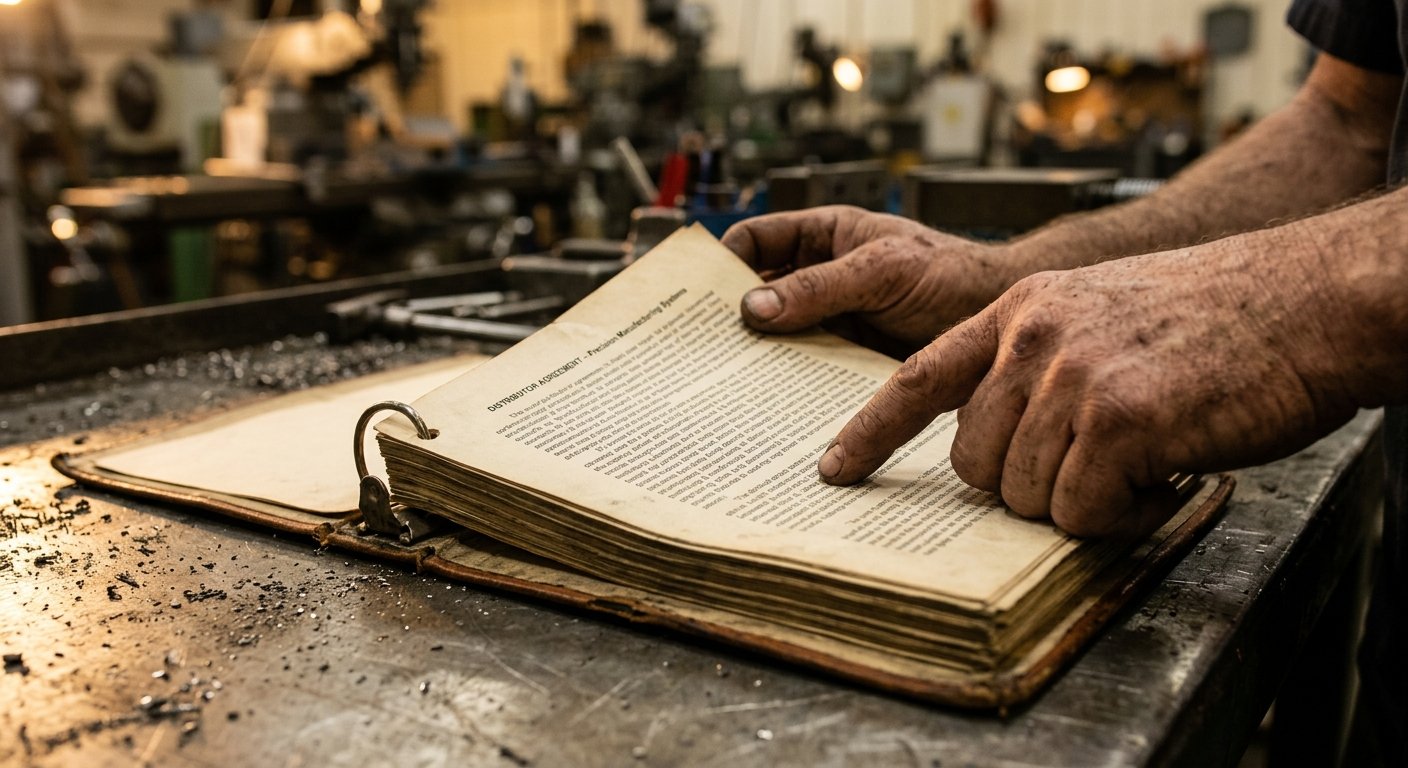
The term “authorized dealer” or “authorized tube bender dealer” is sometimes used loosely in industrial equipment markets. True authorization means the distributor has a formal agreement with the manufacturer, has received product and application training, can access factory technical support on your behalf, and is permitted to sell the equipment with full warranty coverage intact.
Before purchasing through any distributor channel, procurement teams should request written confirmation of dealer authorization directly from the manufacturer. A legitimate authorized distributor will have no hesitation providing this documentation. If the seller deflects or cannot produce it, treat that as a disqualifying signal.
Key questions to ask any tube bending machine distributor before proceeding:
- Do you have a current, written authorized dealer agreement with the manufacturer?
- What factory training have your sales and application engineers completed?
- Does the warranty flow directly from the manufacturer, or only from your company?
- Can you provide factory application engineering support for our specific material and bend requirements?
- Who handles spare parts—you or the manufacturer directly?
The Case for Buying Direct from the Manufacturer
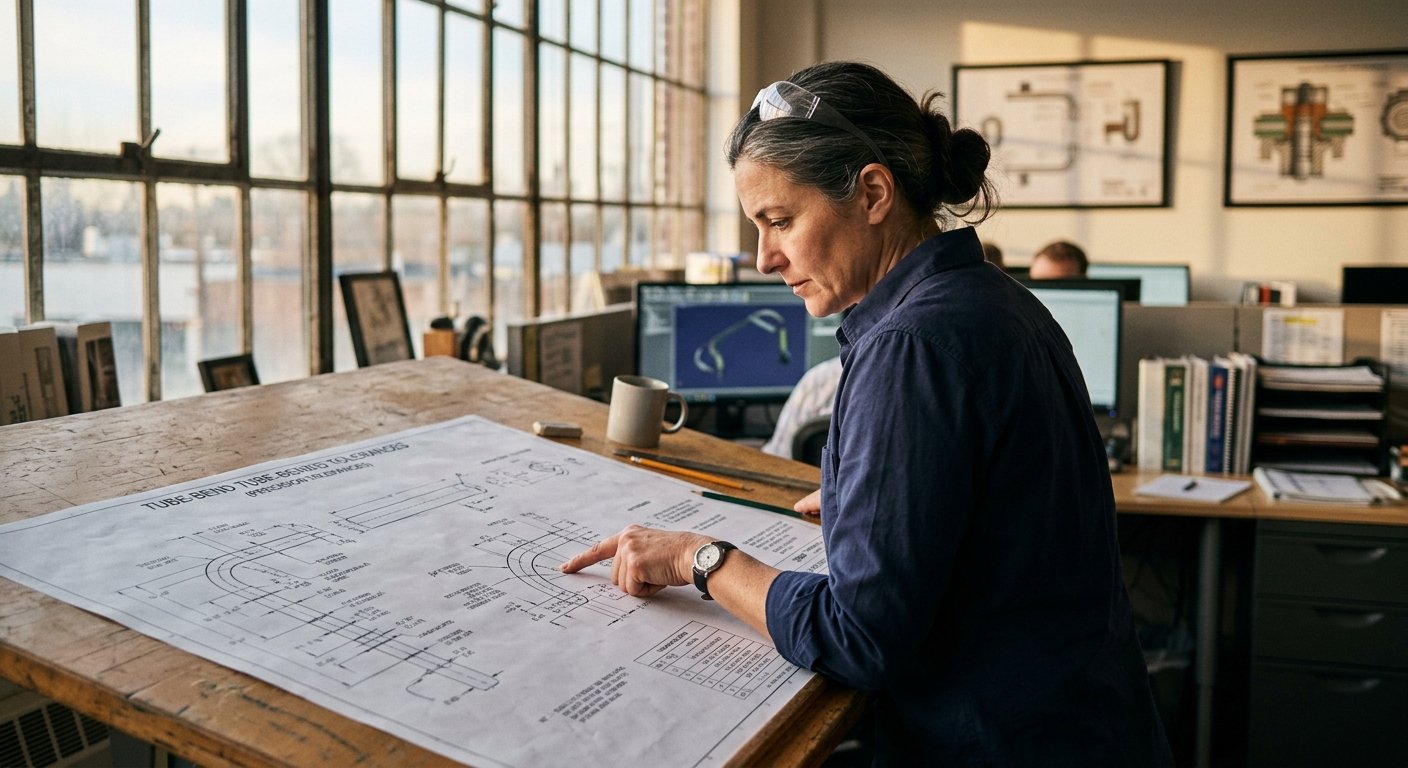
For demanding applications—particularly in aerospace, defense, and petrochemical—purchasing directly from the manufacturer of precision tube bending equipment is often the most technically sound path. The advantages are concrete.
Application Engineering from the Source
When you work directly with a manufacturer, their engineers understand every capability and limitation of the machine because they built it. They can configure tooling for your specific bend-to-bend distance, recommend the correct mandrel design for your alloy, and advise on springback compensation settings before the machine ships. This level of specificity is difficult to replicate through a third-party distributor who may carry multiple brands and lack deep product expertise.
Custom Configuration Capability
High-volume production bending for automotive or energy applications may require multi-stack tooling configurations. Aerospace work may demand machines with documented traceability for quality management systems. These custom requirements are only addressable at the manufacturing level. A precision tube bender sales process that does not include custom configuration discussions is a process that has skipped the most important part.
Warranty and Regulatory Documentation
Industries governed by standards from bodies like ASTM International or specifications issued by the FAA for airworthiness require traceable documentation for manufacturing equipment and processes. Buying direct ensures that calibration certificates, material certifications for tooling, and machine documentation originate from the authoritative source—critical for audit trails in aerospace and defense supply chains.
Precision tube bending for aerospace applications frequently involves materials like Inconel, titanium, and stainless steel with tight bend radius-to-diameter ratios. These applications require machine configurations and tooling geometries that must be engineered for the specific alloy and specification. This is fundamentally an engineering conversation, not a catalog selection.
When an Authorized Distributor Makes Sense
Authorized distributors serve a legitimate and useful role in the industrial tube bending equipment market. For buyers seeking standard configurations, faster regional availability, or equipment for less demanding applications, a qualified authorized dealer can provide genuine value—particularly when they offer demonstration capabilities, application support, and local service technicians.
The industrial pipe bending equipment manufacturer relationship is also important from a support continuity standpoint. A well-capitalized, experienced tube bending equipment distributor with factory authorization can be a long-term partner—especially for companies that don’t want to manage a direct manufacturer relationship for routine equipment needs.
| Consideration | Direct from Manufacturer | Authorized Distributor |
|---|---|---|
| Application engineering depth | Highest — source-level expertise | Moderate — depends on distributor training |
| Custom configuration | Full capability | Limited to standard options |
| Warranty integrity | Direct factory warranty | Manufacturer warranty (if truly authorized) |
| Regional availability | May require longer lead times | Often faster for standard equipment |
| Documentation for regulated industries | Comprehensive, factory-originated | Varies by distributor capability |
| Ongoing technical support | Direct factory access | Mediated through distributor |
Total Cost of Ownership: The Right Metric
Purchase price is a poor primary metric for precision bending equipment. A machine that arrives without proper tooling for your application, requires a factory technician visit to correct configuration errors, or sits idle while warranty disputes are resolved costs far more than the invoice suggests.
Total cost of ownership for a CNC tube bender includes:
- Purchase price and tooling costs
- Commissioning and application setup
- Operator training (essential for CNC bending proficiency)
- Ongoing spare parts access and service responsiveness
- Downtime cost if support is unavailable or delayed
- Machine lifespan and resale or trade-in value
American-manufactured precision bending equipment, supported directly by experienced engineering teams, consistently performs well on this total cost basis—even when the initial purchase price is higher than alternatives. Fifty years of expertise in tube and pipe bending translates directly into machines designed for service life and supportability, not just initial sale.
The purchase channel is not a logistics decision—it’s an engineering decision that determines what support, documentation, and capability you actually receive.
Used and Refurbished Equipment Considerations
Some buyers in energy, oil & gas, and construction applications evaluate used CNC tube bending equipment as a cost-effective option. This is a legitimate strategy, but the channel considerations are even more critical for used equipment. Used machines purchased through unauthorized resellers may lack service history, calibration documentation, or parts availability from the original manufacturer.
Purchasing used equipment directly from a manufacturer’s certified used equipment program—or from an authorized dealer who can verify machine history—provides a much stronger foundation. Hines Bending’s used pipe bender inventory is one example of a factory-backed approach to used equipment that preserves traceability and support access.
Frequently Asked Questions
How do I verify that a dealer is truly an authorized tube bender dealer?
Contact the manufacturer directly and ask them to confirm the dealer’s authorization status in writing. A legitimate authorized dealer will have a current dealer agreement and will be listed or confirmable through the manufacturer. Never rely solely on the distributor’s own claims of authorization.
Does buying direct from the manufacturer affect lead times?
Lead times vary based on machine configuration and production schedules, not solely on whether you buy direct or through a distributor. For custom-configured equipment, direct purchasing often streamlines the process because there is no intermediary to manage specifications. Standard configurations may be available faster through distributors with inventory on hand.
What documentation should I receive with a new CNC tube bending machine?
You should receive machine calibration documentation, tooling specifications, operator and maintenance manuals, parts lists, and any application-specific setup records. For aerospace and defense applications, additional traceability documentation may be required. Confirm documentation requirements with your quality team before purchase and ensure the seller commits to delivering them.
Is training typically included with industrial tube bending machine sales?
Training practices vary by manufacturer and dealer. Reputable manufacturers include or offer structured operator training as part of the commissioning process. For CNC tube bending equipment, adequate operator training is not optional—it directly affects bend quality, tooling life, and machine longevity. Confirm training scope and format before finalizing any purchase.
How does buying from an authorized source affect my warranty coverage?
Purchasing through unauthorized channels typically voids the manufacturer’s warranty entirely. Even if a distributor offers their own warranty, it may not cover factory-level repairs, OEM parts, or software support. In regulated industries, an invalid warranty can also affect equipment qualification status. Always confirm that the manufacturer’s warranty is fully transferable through your purchase channel.
Making the Right Decision for Your Application
For aerospace, defense, petrochemical, and energy applications, the channel through which you acquire your tube and pipe bending equipment is a technical decision with long-term consequences. Buyers who prioritize application engineering fit, documentation integrity, and support access consistently make better long-term investments than those focused primarily on purchase price.
Hines Bending Systems has spent 50 years manufacturing precision tube and pipe bending equipment trusted by NASA, military organizations, and demanding industrial customers across America. Whether you’re specifying equipment for high-volume aerospace production or a specialized one-off application, our engineering team works directly with you to configure the right solution. Explore our full range of tube bending machines or review our aerospace tube bending capabilities to understand what application-specific configuration looks like in practice.
Talk to an Application Engineer Before You Buy
Get direct access to Hines engineering expertise—configure the right machine for your material, radius, and production requirements before committing to a purchase.

About Hines Bending Systems
Hines Bending Systems is a leading American manufacturer of precision tube and pipe bending equipment serving aerospace, energy, oil & gas, petrochemical, and defense industries. With 50 years of proven expertise and a track record of supplying NASA and military clients, Hines delivers custom bending solutions for demanding applications ranging from high-volume production to specialized one-off projects. The company combines deep technical knowledge with comprehensive support including training and service, positioning itself as a partner in customer success rather than just an equipment supplier. Visit hinesbending.com →