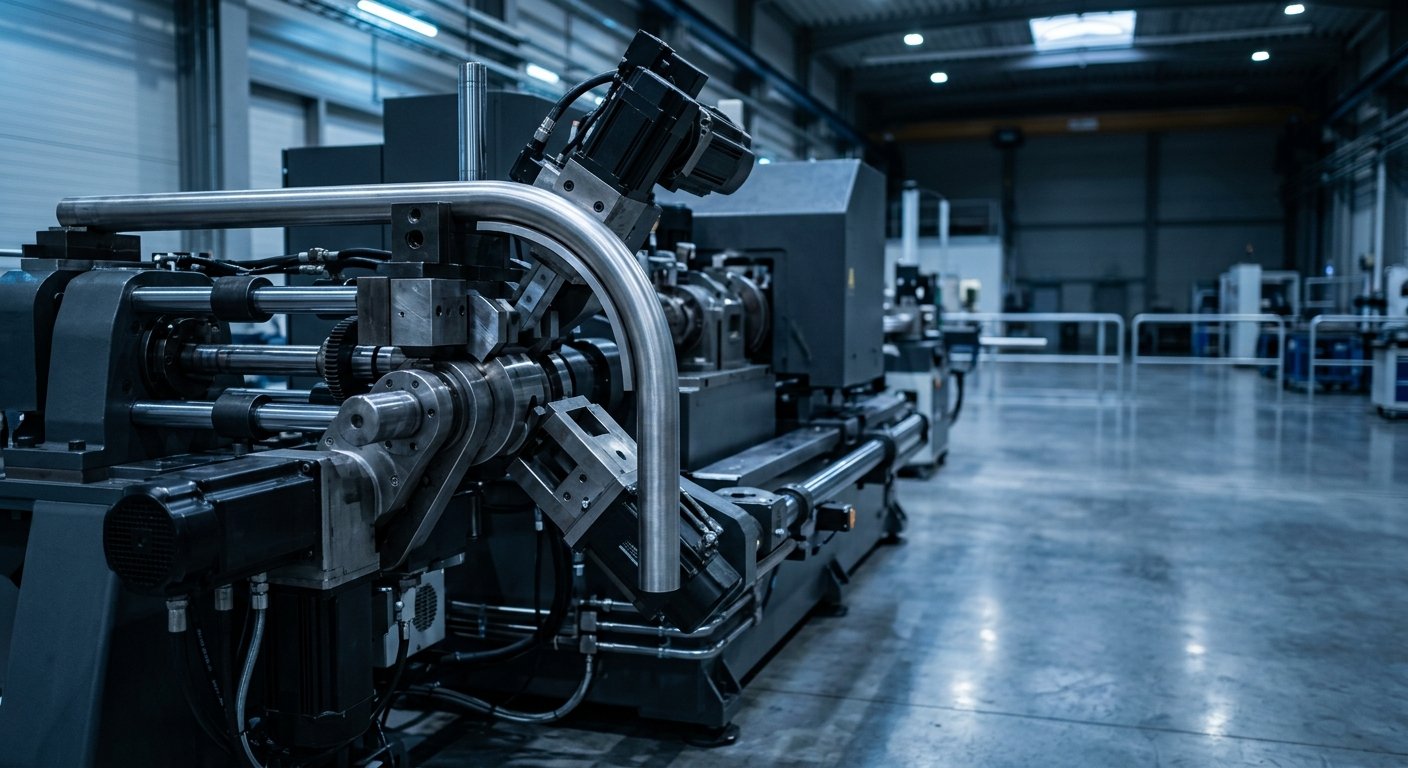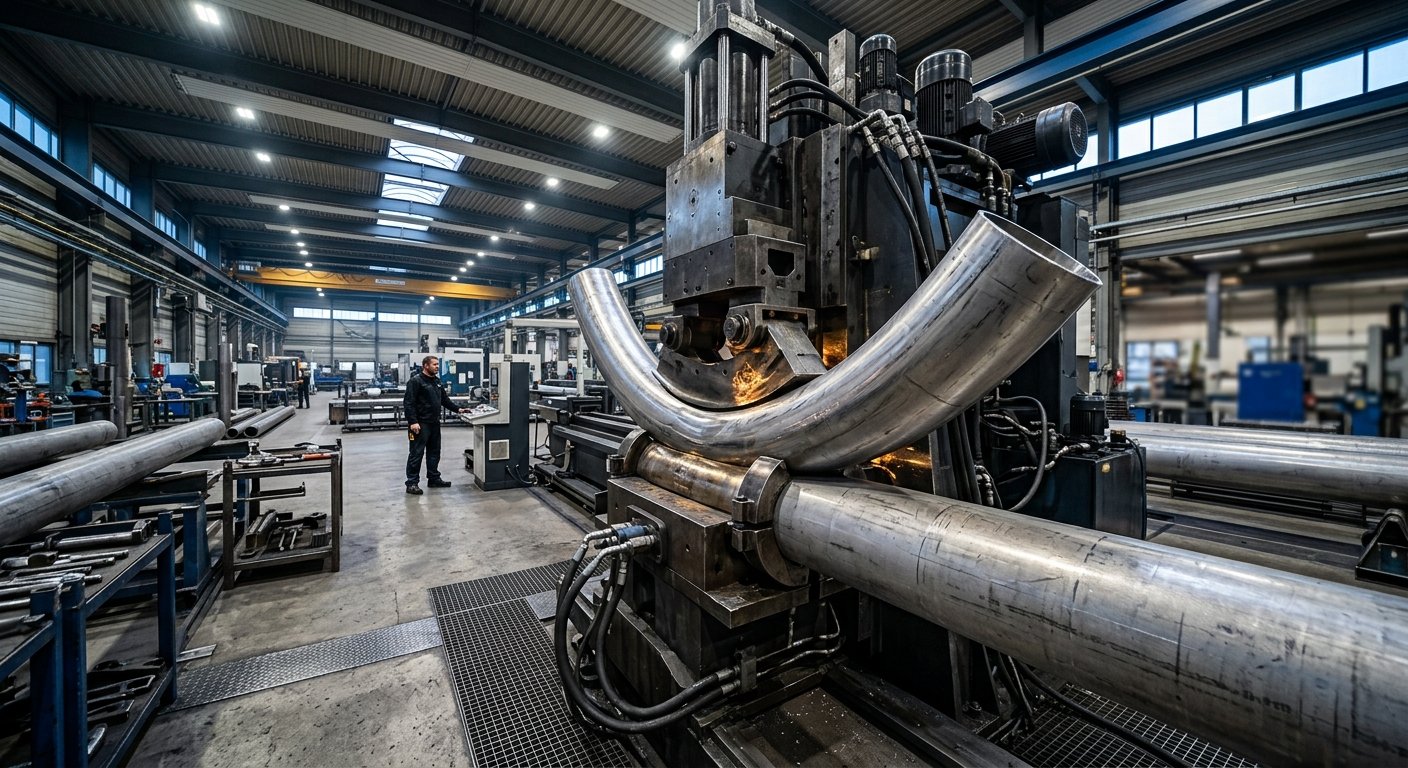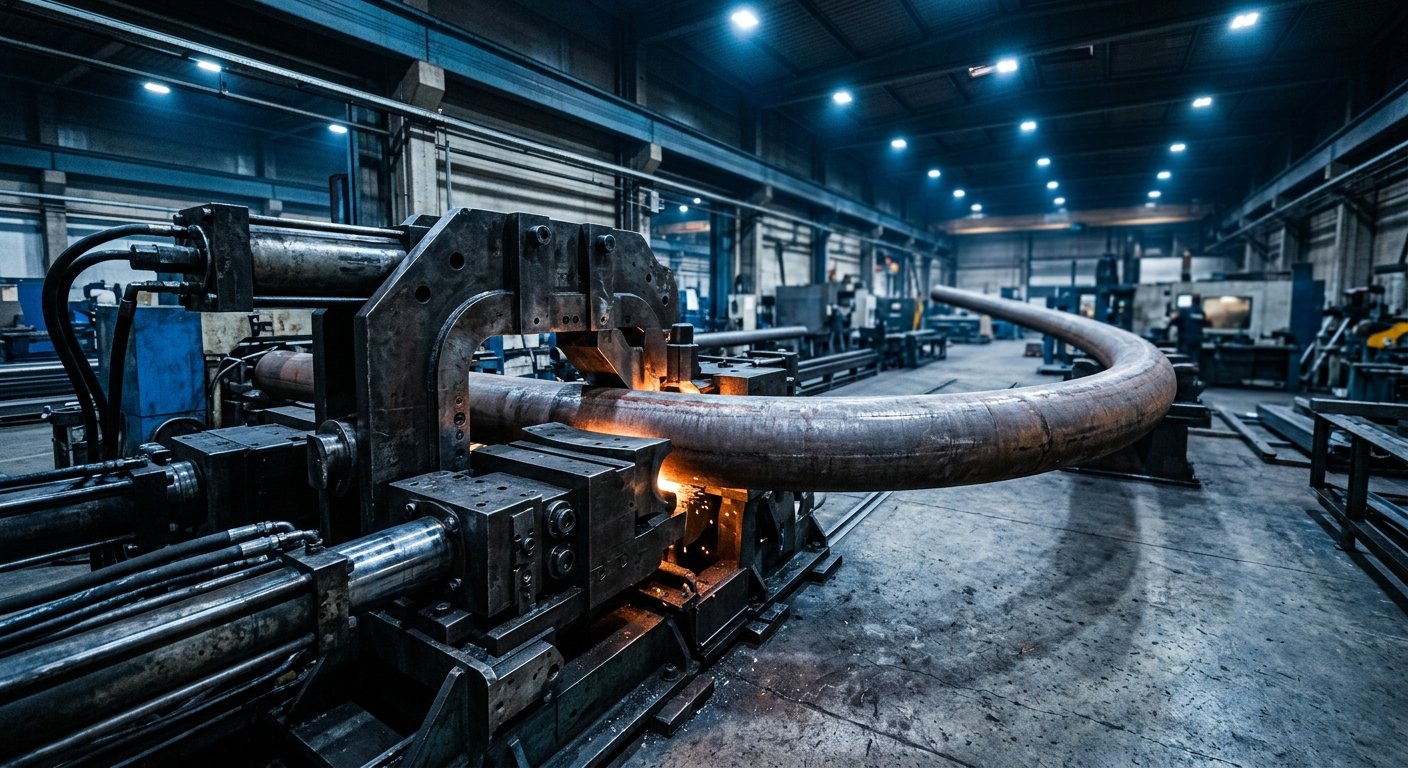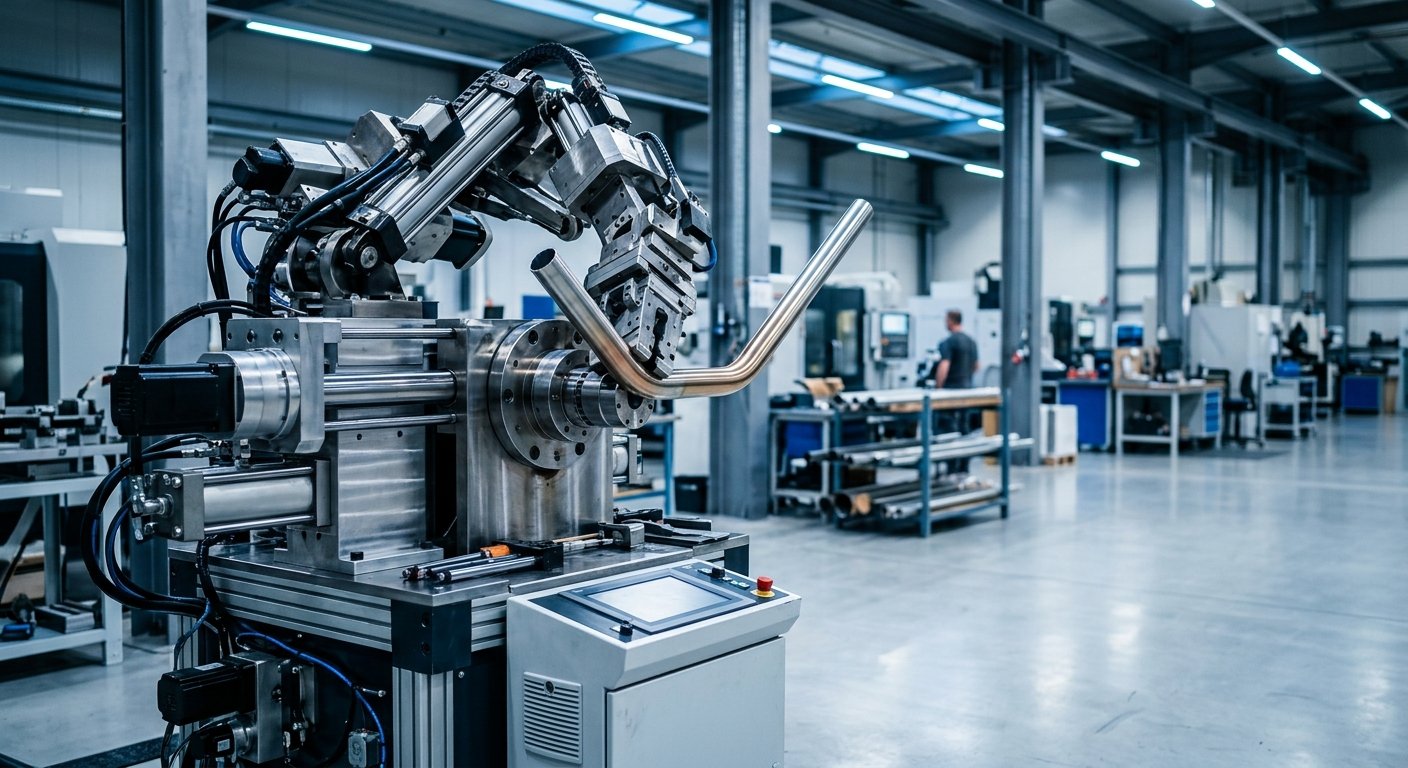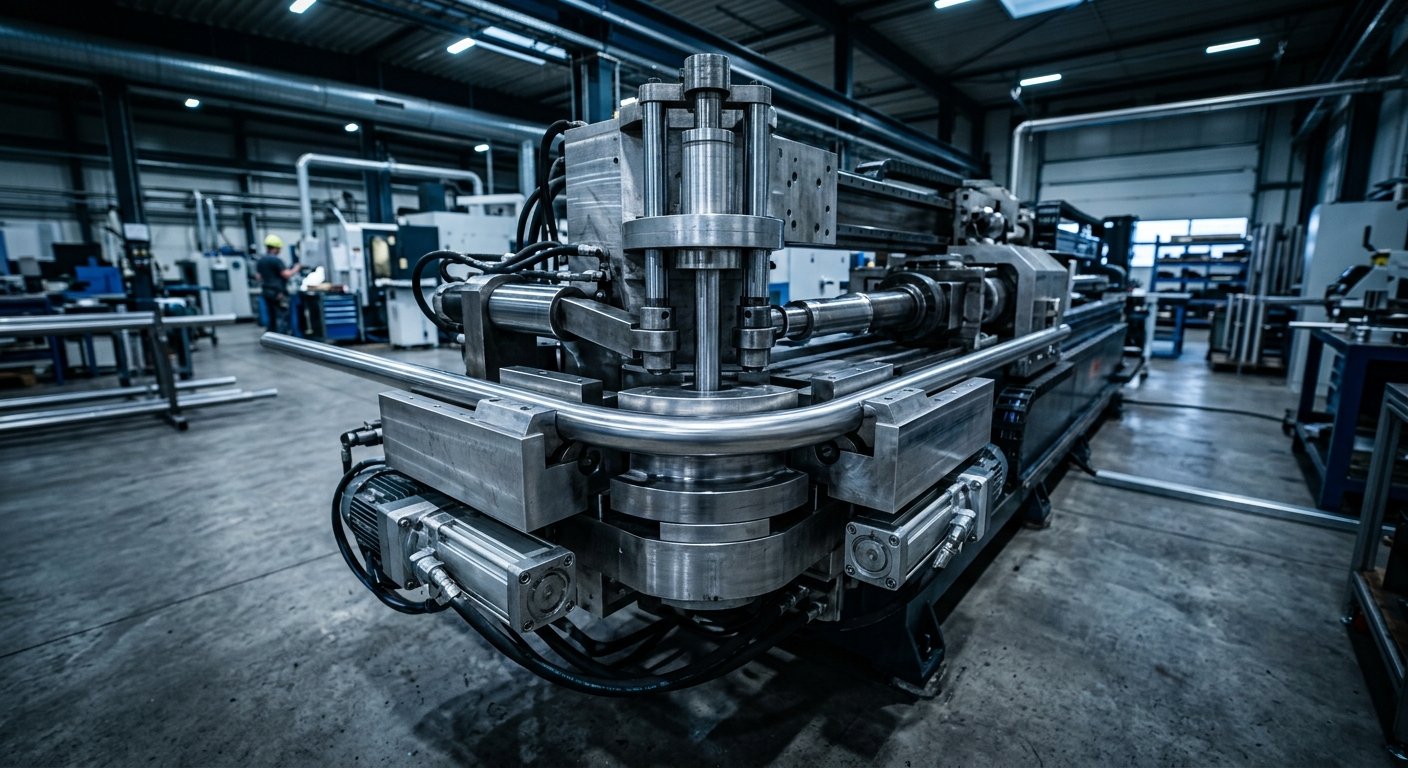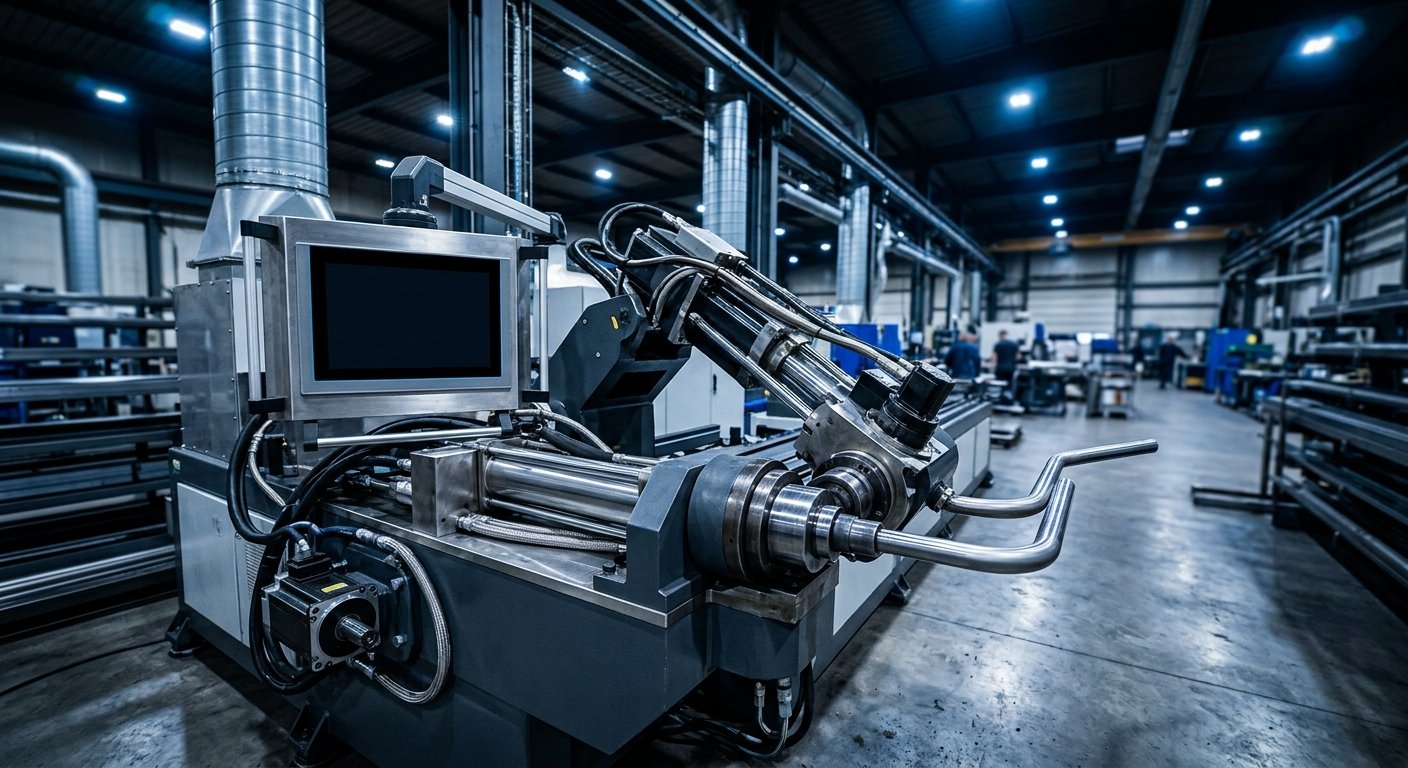
When evaluating pre-owned CNC tube benders, five specifications determine whether a machine will deliver production-grade performance or become a costly liability: bending radius range, control system generation, tooling compatibility, structural rigidity, and service history. Engineers and procurement managers in aerospace, oil & gas, and petrochemical industries should verify each before committing to any purchase.
- Bending radius range and CLR-to-diameter ratio directly dictate what jobs the machine can handle — confirm these match your actual production specs.
- Older CNC control systems can be a hidden dealbreaker; know what generation of control you’re buying and whether support and parts are still available.
- Tooling compatibility is often overlooked — mismatched tooling costs more to remedy than the price difference between machines.
- Structural integrity can only be confirmed through physical inspection; surface condition is not a reliable proxy for frame rigidity.
- A verifiable service and maintenance history separates reconditioned bending machines from machines that have merely been cleaned up for resale.
Why the Used Market Deserves Serious Consideration
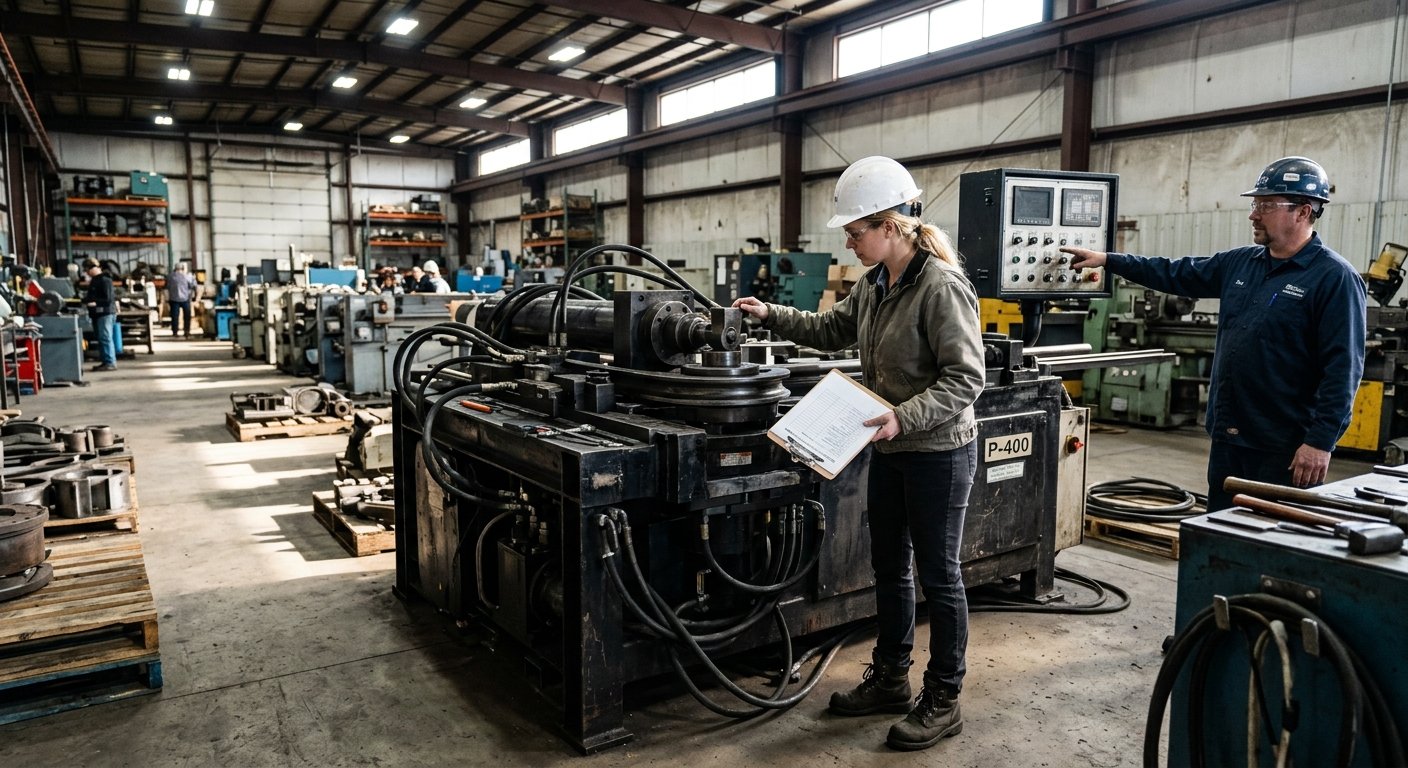
Capital equipment budgets across manufacturing sectors tightened considerably between 2024 and 2026, pushing more engineering and procurement teams toward the secondary market. Used pipe benders for sale from reputable sources can represent genuine value — particularly when the underlying machine platform is proven, robust, and still supported by the original manufacturer.
The critical distinction is between a machine that has been genuinely reconditioned and one that has simply changed hands. A rebuilt pipe bending machine from a trustworthy supplier will have documented refurbishment, verified geometry, and updated components where necessary. A machine sold “as-is” with minimal documentation carries risks that can easily exceed any upfront savings. Understanding which category a machine falls into starts with a rigorous spec review.
Never rely on photographs alone when evaluating pre-owned CNC tube benders. Clean paint and polished tooling are easy to apply; worn spindle bearings, cracked pressure die carriages, and degraded hydraulic seals are not visible in sales listings. Always arrange a live inspection or request a documented condition report from a qualified technician.
Spec #1: Bending Radius Range and CLR Capability
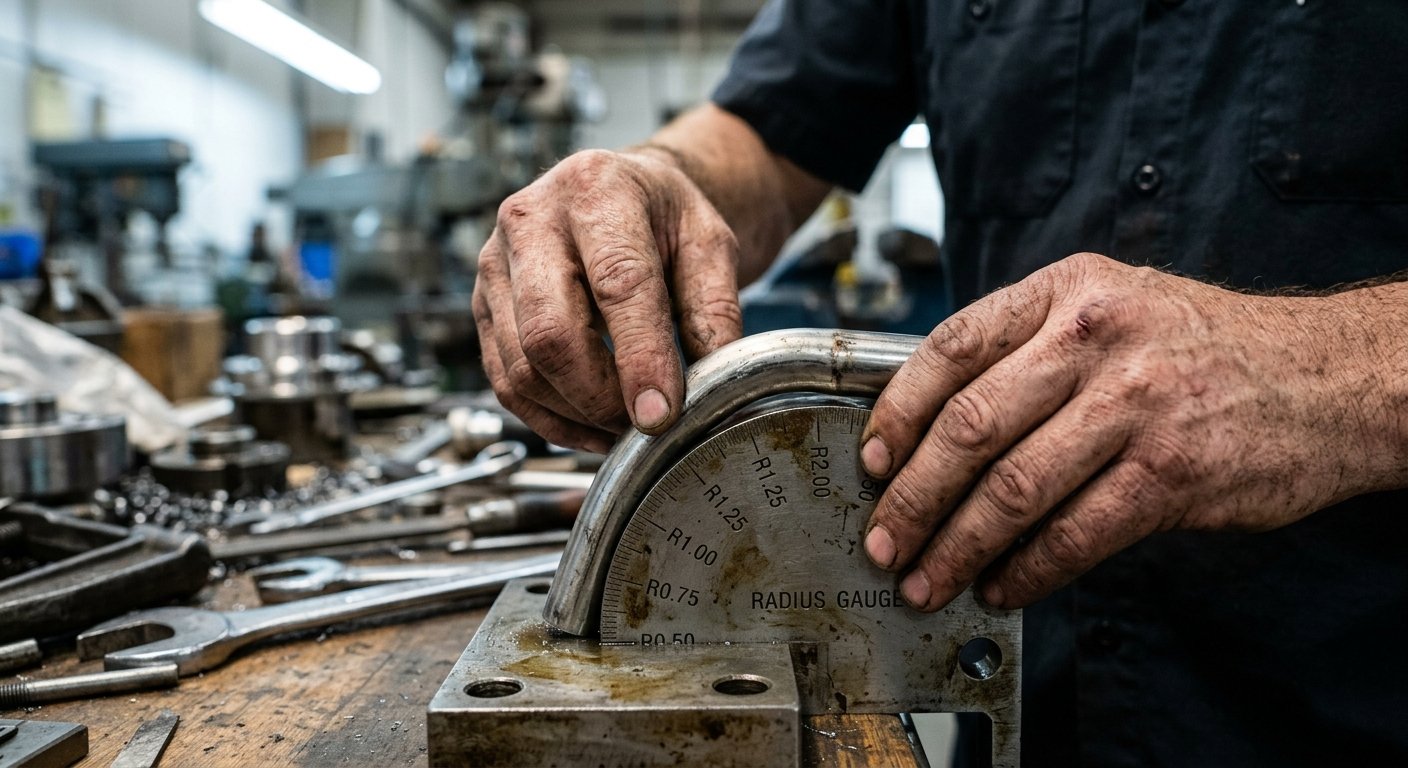
The centerline radius (CLR) to outside diameter (OD) ratio is the single most important geometric specification on any tube bending machine. For most precision bending applications in aerospace and energy systems, a CLR-to-OD ratio of 1.5:1 to 3:1 covers the majority of standard bend geometries. Tighter radii — such as 1D bends — require both the right machine design and matched mandrel tooling to prevent wall thinning or ovality beyond acceptable tolerances.
When reviewing used pipe benders for sale, verify the rated minimum bend radius across the full diameter range the machine supports. A machine rated for 3-inch OD pipe at a 2D radius may not be capable of a 1.5D radius on the same tube without additional tooling investment or geometric compromises. Ask for the original manufacturer’s specification sheet, not just the seller’s description.
Spec #2: CNC Control System Generation
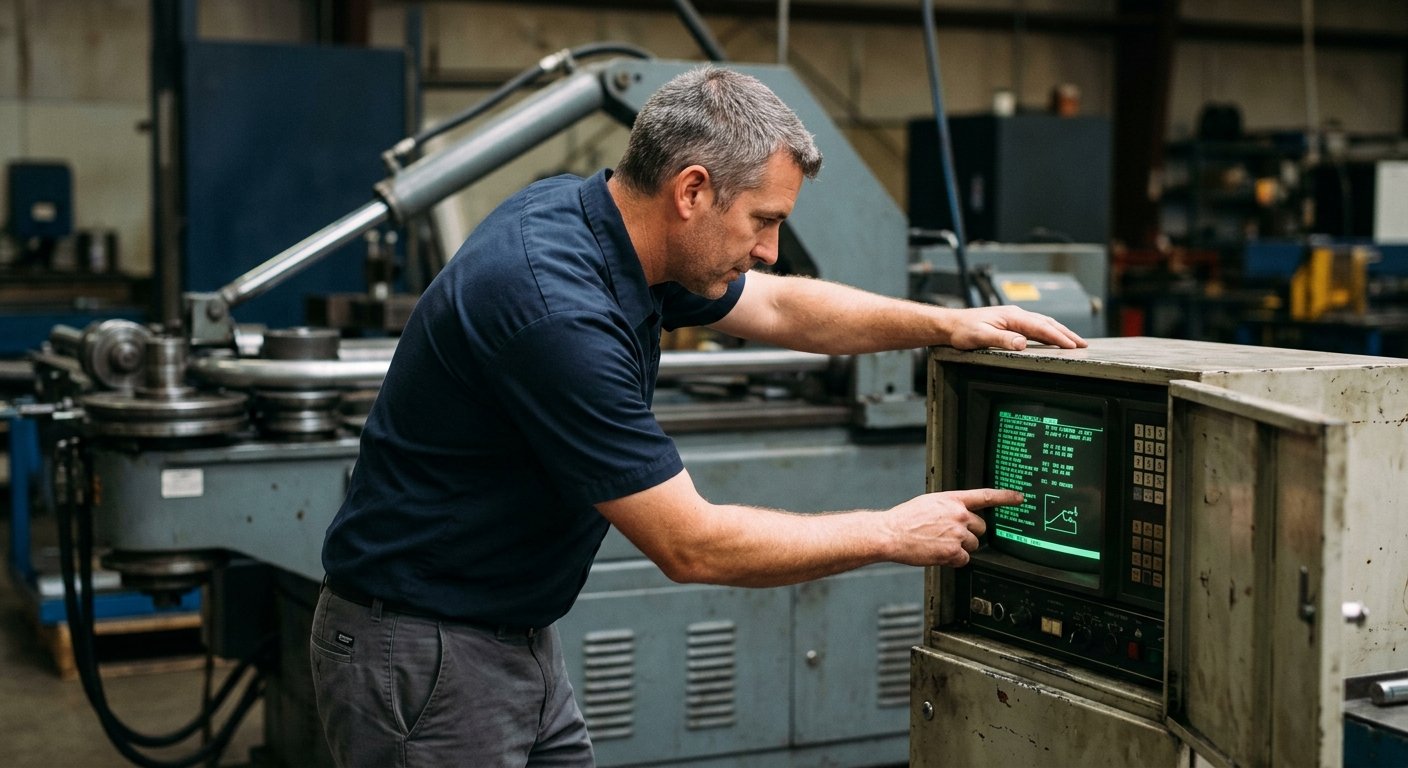
The control system is the brain of any CNC bending machine, and it’s also one of the first components to become a support liability on older equipment. Pre-owned CNC tube benders from the early 2010s may be running control platforms that have reached end-of-life status with their respective manufacturers — meaning replacement parts, software updates, and technical support are no longer available.
Before purchase, identify the exact control model and confirm that the control manufacturer still provides support. Key questions to ask include: Is the operating software still receiving updates? Are replacement servo drives and interface boards available? Can the machine communicate with modern CAD or production management systems via standard protocols? A machine with an outdated or orphaned control system is a productivity risk, even if the mechanical components are sound.
Modern Control Features Worth Confirming
- Multi-stack and multi-plane bending programming capability
- Part program storage with network or USB transfer capability
- Real-time springback compensation and angle correction feedback
- Documented calibration routines and axis homing procedures
- Compatibility with current CAD-to-bend translation software formats
If the seller cannot provide the original CNC control documentation and software backup, treat that as a significant red flag. Reputable suppliers of reconditioned bending machines will always have this documentation as part of their refurbishment process.
Spec #3: Tooling Compatibility and Availability
Tooling is where many buyers of pre-owned CNC tube benders discover their first unpleasant surprise. Bend dies, clamp dies, pressure dies, wiper dies, and mandrels are precision components matched to specific tube OD, wall thickness, and material combinations. When a used machine arrives with mismatched, worn, or proprietary tooling that is no longer manufactured, the cost to re-tool can rival or exceed the machine’s purchase price.
The ASTM International standards governing tube dimensions — particularly ASTM A269 for stainless tubing and ASTM A513 for mechanical tubing — define the tolerance ranges your tooling must accommodate. Confirm that the tooling supplied with any used mandrel pipe bender is dimensionally current for the tube specs in your production schedule, and that replacement tooling can be sourced without custom manufacturing lead times.
Tooling compatibility is often overlooked — and it’s the spec that most frequently turns a bargain machine into a budget overrun.
Spec #4: Structural Rigidity and Frame Condition
CNC bending machines operate under significant cyclical load. The pressure die carriage, bend arm, and machine frame absorb forces that accumulate over hundreds of thousands of cycles. On a well-maintained machine, these forces are managed within design tolerances. On a machine with a fatigued or damaged frame, no amount of control system refinement will produce repeatable, accurate bends.
Structural evaluation should include a check for frame cracks, especially around weld joints and casting transitions. Verify the levelness of the machine bed using precision instruments, not just visual inspection. Check the bend arm for deflection under load — any measurable flex beyond the manufacturer’s stated tolerance is cause for concern. Hydraulic cylinder mounts and carriage guides deserve equal scrutiny.
| Inspection Area | What to Check | Red Flag |
|---|---|---|
| Machine frame | Cracks, weld repairs, distortion | Any visible repair welds or asymmetric wear |
| Bend arm | Deflection under rated load | Measurable flex beyond OEM spec |
| Carriage guides | Play, scoring, seal condition | Excessive backlash or visible scoring |
| Hydraulic system | Leaks, pressure stability, fluid condition | Pressure drift, contaminated fluid |
| Spindle bearings | Runout, noise under rotation | Any detectable runout above 0.001″ |
Spec #5: Service History and Rebuild Documentation
The final and arguably most revealing specification is the machine’s documented history. A genuine rebuilt pipe bending machine will come with records: maintenance logs, component replacement records, hydraulic fluid service dates, bearing replacement documentation, and calibration certificates. This documentation is what separates reconditioned bending machines from machines that have simply been cosmetically refreshed.
Request the full maintenance history, and if the seller cannot provide it, ask who performed the reconditioning and what was replaced. Reputable suppliers — including original equipment manufacturers offering certified used equipment programs — will stand behind their reconditioning work with documentation and, in many cases, a limited warranty or service guarantee. The Manufacturing.gov resources on capital equipment procurement also emphasize documented asset history as a key risk mitigation factor for industrial buyers.
Request full documentation
Ask for original OEM specifications, control manuals, maintenance logs, and any rebuild or reconditioning records before scheduling an inspection.
Conduct a physical inspection
Inspect frame, carriage guides, hydraulics, and tooling in person or through a qualified third-party inspector — never purchase based on photos alone.
Verify control system support status
Contact the CNC control manufacturer directly to confirm parts availability, software support, and end-of-life timeline for the specific control model.
Confirm tooling compatibility
Cross-reference supplied tooling against your production tube specs and verify that replacement tooling is available without custom lead times.
Negotiate support terms
Establish what post-sale support, training, and warranty coverage the seller provides — a reputable supplier will back their equipment.
The Value of Buying from the Original Manufacturer
One of the most effective ways to mitigate risk when purchasing pre-owned CNC tube benders is to source equipment directly from the original manufacturer or a certified reseller with full access to OEM documentation and parts. Hines Bending Systems maintains a used equipment inventory built around machines we know intimately — because we built them. With 50 years of tube and pipe bending expertise and a track record serving NASA, military, and major industrial clients, our team can evaluate, recondition, and support used equipment at a level that general equipment resellers simply cannot match.
For demanding applications in aerospace or energy where dimensional accuracy is non-negotiable, explore our aerospace tube bending capabilities alongside our used equipment options to understand the full range of machine specifications appropriate for your production requirements. Our tube bending machines page provides detailed specifications across our current and reconditioned equipment lines.
Frequently Asked Questions
What is the most important specification to verify on a pre-owned CNC tube bender?
Bending radius range and CLR-to-OD capability are the most immediately limiting specifications — if the machine cannot achieve your required bend geometry, nothing else matters. However, the CNC control system support status is equally critical for long-term reliability and should be verified before purchase.
How do I know if a used pipe bender has been genuinely reconditioned?
Genuine reconditioning is documented. Ask for component replacement records, calibration certificates, hydraulic service records, and bearing replacement documentation. A machine described as “reconditioned” without supporting paperwork should be treated with skepticism and priced accordingly.
Are replacement parts available for older CNC tube bending machines?
Parts availability depends heavily on the machine’s age, manufacturer, and control system. Mechanical components are often still available or can be manufactured. CNC control components — particularly proprietary servo drives and interface boards — are the most likely to be discontinued. Always verify parts availability with both the machine manufacturer and the control system manufacturer before purchasing.
Can a used mandrel pipe bender handle aerospace-grade tubing materials?
A well-maintained used mandrel pipe bender can absolutely process aerospace-grade alloys including titanium, Inconel, and 321 stainless steel — provided the machine has appropriate rigidity, correctly matched tooling, and a control system capable of the precise speed and pressure control these materials demand. Machine condition and tooling quality are the determining factors, not the machine’s age alone.
What training and support should I expect when buying used bending equipment?
Reputable sellers should provide operator and maintenance training, access to service technicians, and documentation sufficient for your team to operate and maintain the machine independently. Buying from the original manufacturer or an authorized source with OEM knowledge significantly improves access to qualified training and ongoing support.
Talk to an Expert About Used Bending Equipment
Our team can help you evaluate specifications, confirm compatibility with your application, and source the right pre-owned or new equipment for your production requirements.

About Hines Bending Systems
Hines Bending Systems is a leading American manufacturer of precision tube and pipe bending equipment serving aerospace, energy, oil & gas, petrochemical, and defense industries. With 50 years of proven expertise and a track record of supplying NASA and military clients, Hines delivers custom bending solutions for demanding applications ranging from high-volume production to specialized one-off projects. The company combines deep technical knowledge with comprehensive support including training and service, positioning itself as a partner in customer success rather than just an equipment supplier. Visit hinesbending.com →