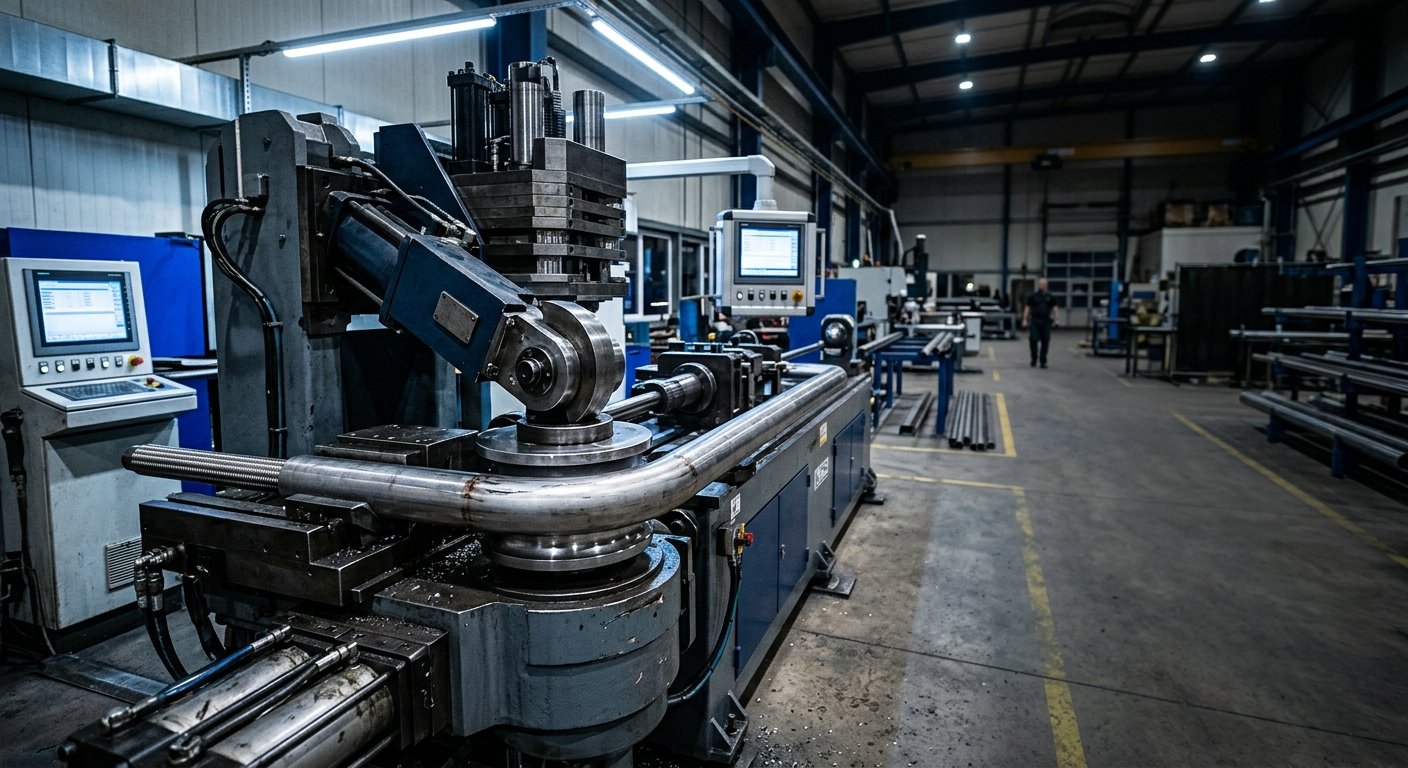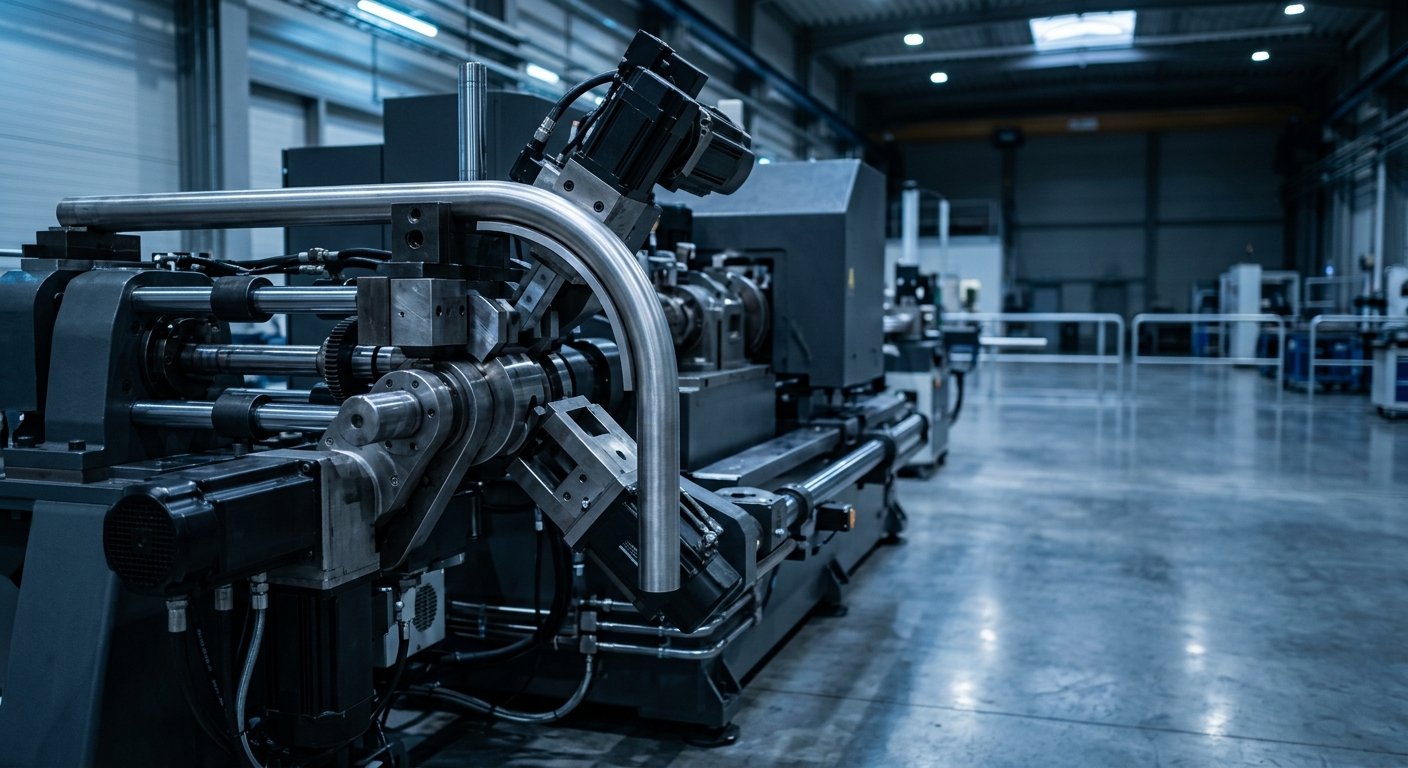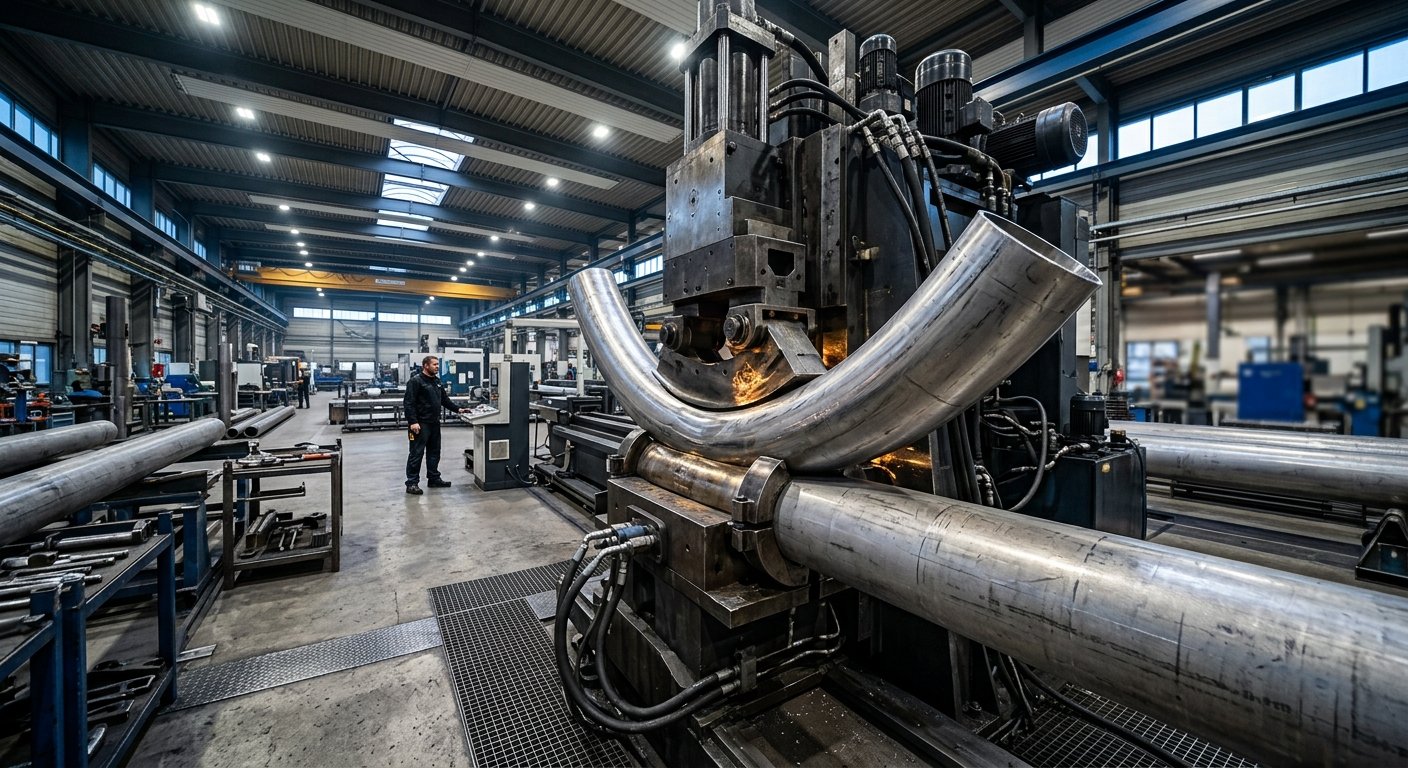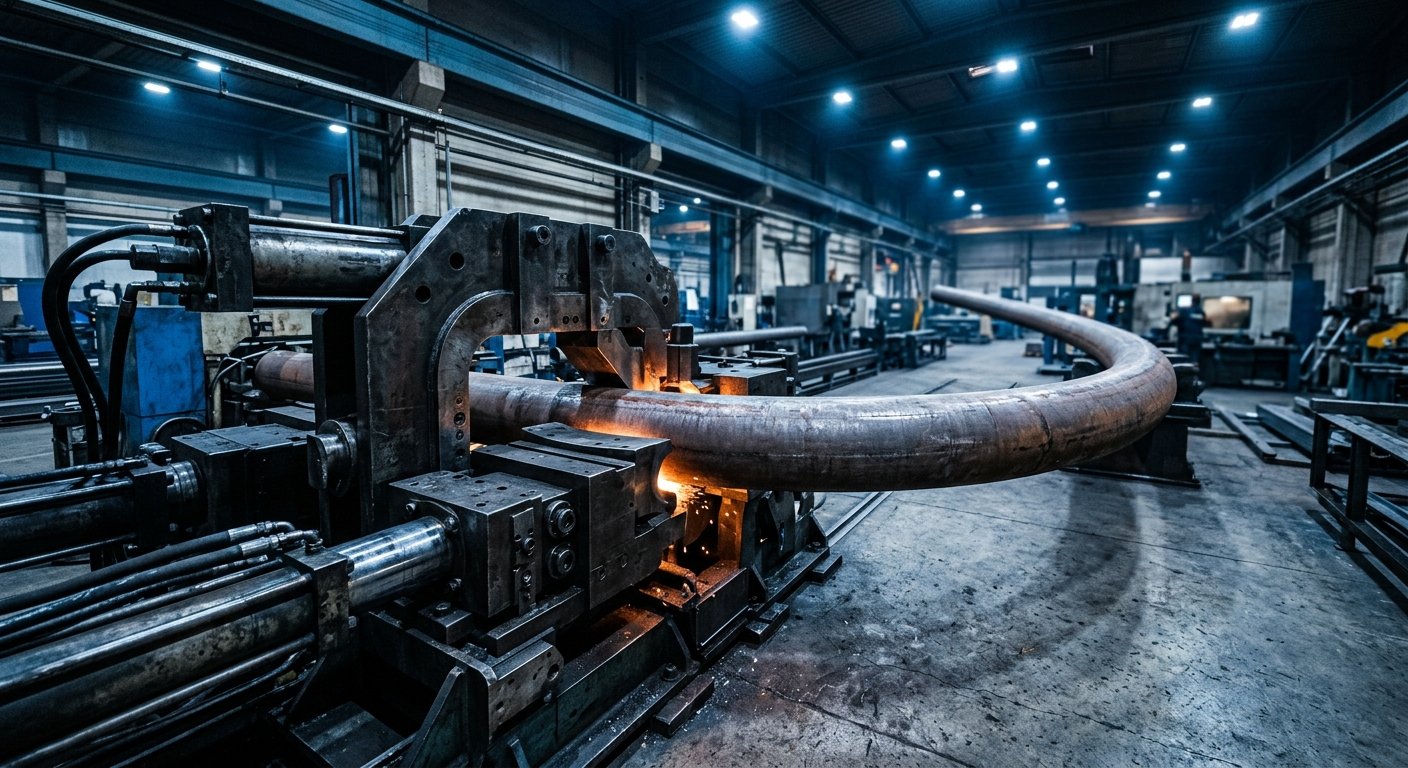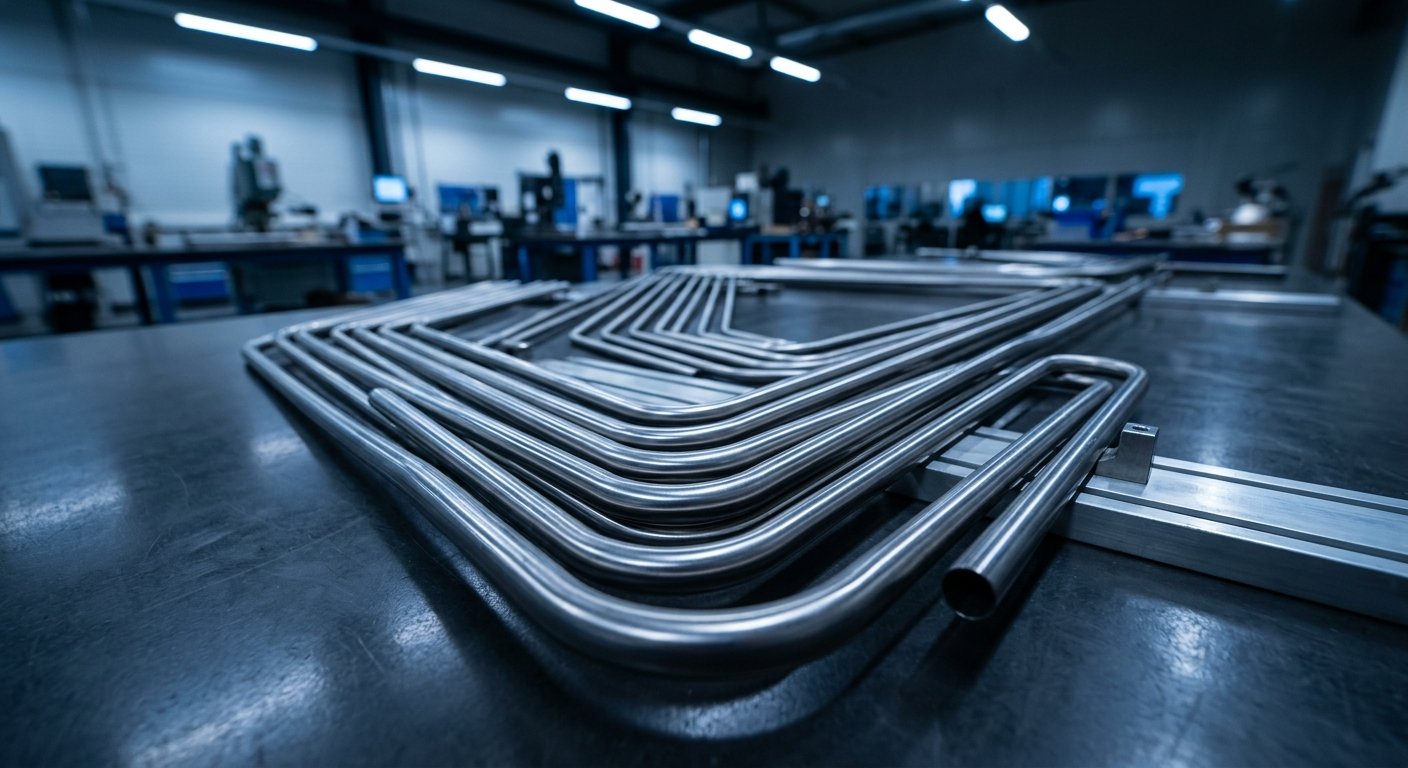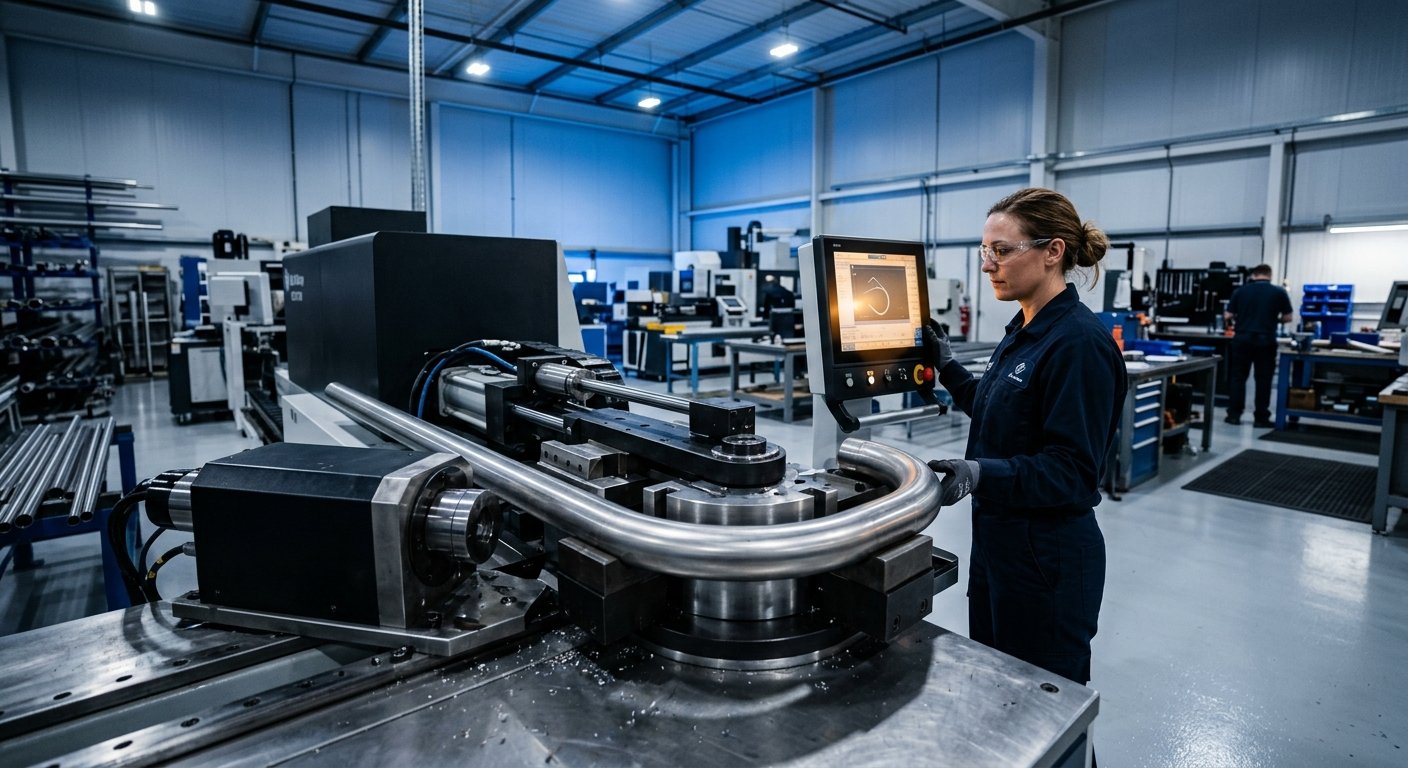
An effective tube bending training program starts with defining clear operator skill tiers, establishing machine-specific certification paths for both CNC and NC equipment, and documenting process qualifications before production begins. For shops serving aerospace, oil and gas, or petrochemical industries, structured training is not optional—it directly determines dimensional accuracy, weld-prep quality, and compliance with governing standards.
- Define at least three operator skill levels—beginner, qualified, and lead—before writing a single training procedure.
- CNC and NC tube benders require separate certification tracks because the failure modes, setup variables, and tooling knowledge differ significantly.
- Process qualification documentation should be completed before production runs, not after a nonconformance event.
- Safety training must reference OSHA machine guarding standards and be refreshed whenever equipment changes or operators transfer between machines.
- Sustaining training quality over time requires scheduled requalification intervals, not just one-time onboarding.
Why Structured Training Matters in Precision Bending
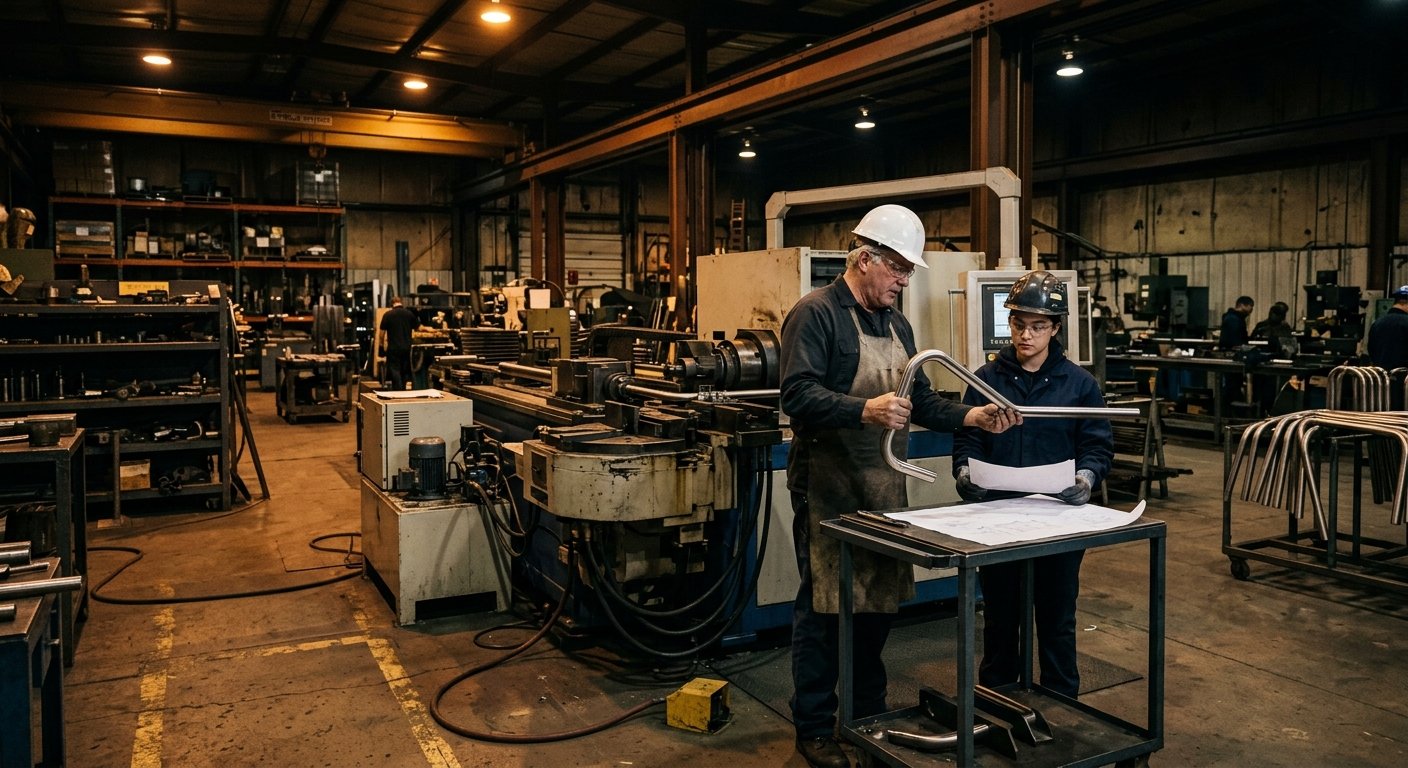
Tube bending looks deceptively straightforward until wall thinning, ovality, or springback variation shows up in first-article inspection. In aerospace and defense environments, where AS9100 standards govern every production step, an untrained operator can invalidate a process qualification with a single incorrect tooling setup. In oil and gas, a poorly bent pipe joint can fail hydrostatically under field pressure. The cost of training is always lower than the cost of rework, scrap, or a failed audit.
Structured training also protects your equipment investment. Precision tube bending machines—whether CNC or NC—are capital assets that depend on correct operation for longevity. Improper mandrel lubrication, incorrect clamp die seating, or over-forcing a tight radius bend damages tooling and machine components that are expensive to replace.
Step 1: Define Operator Skill Levels
Level 1 — Trainee Operator
Understands machine safety interlocks, can load and unload tube stock, and performs basic machine housekeeping. Does not run production independently. Works under direct supervision of a qualified operator.
Level 2 — Qualified Operator
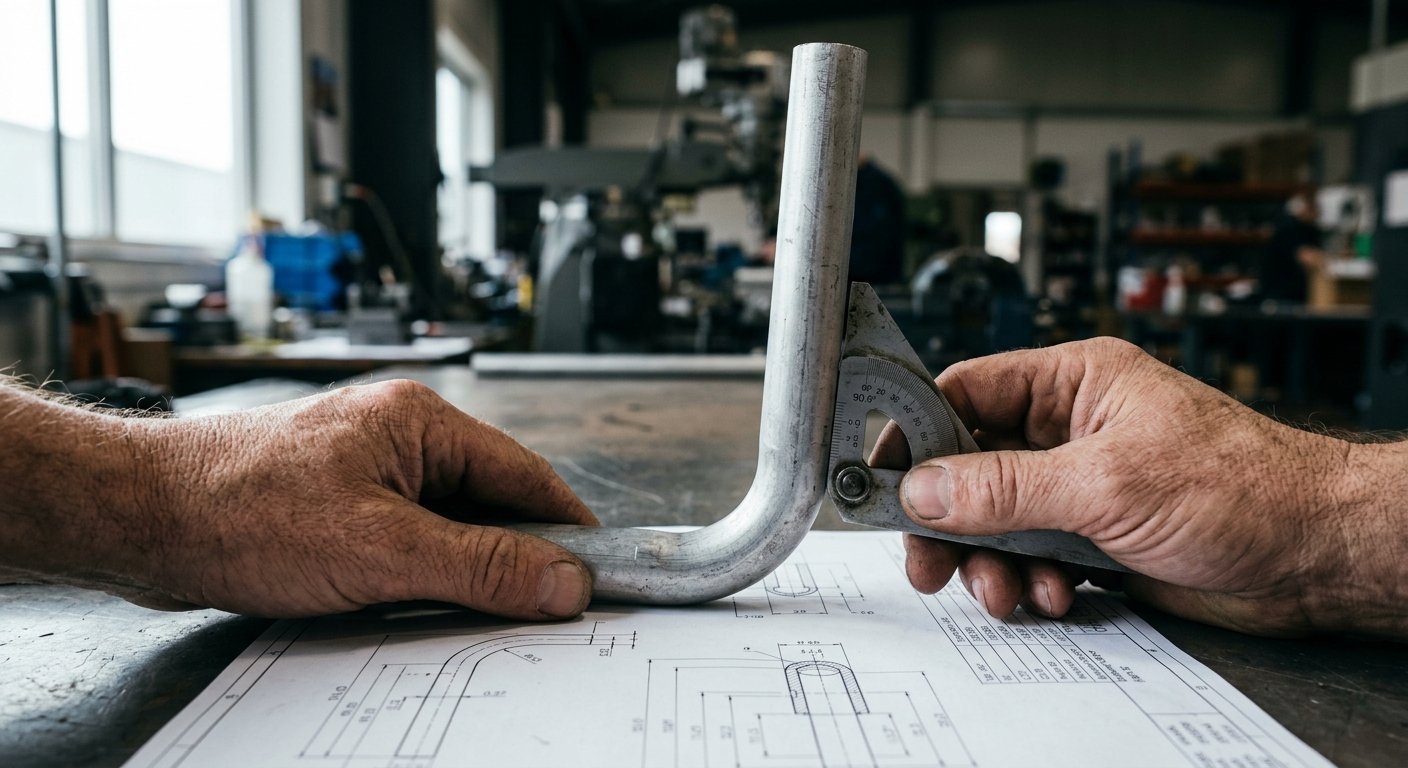
Can set up tooling for approved bend programs, perform first-piece verification against engineering drawings, adjust for springback within approved limits, and document production records. Cleared to run defined part numbers without supervision.
Level 3 — Lead/Trainer Operator
Understands machine mechanics deeply enough to troubleshoot out-of-tolerance bends, write setup sheets, develop new bend programs on CNC equipment, and formally train Level 1 and Level 2 operators. Participates in process qualification activities.
Document these tiers in a formal skills matrix. Each operator’s name, machine certifications, and current skill level should be recorded and accessible to your quality team during audits. The OSHA training guidelines for manufacturing environments provide a baseline framework for documenting worker competency that integrates naturally with an internal skills matrix.
Step 2: Build Separate Certification Tracks for CNC and NC Equipment
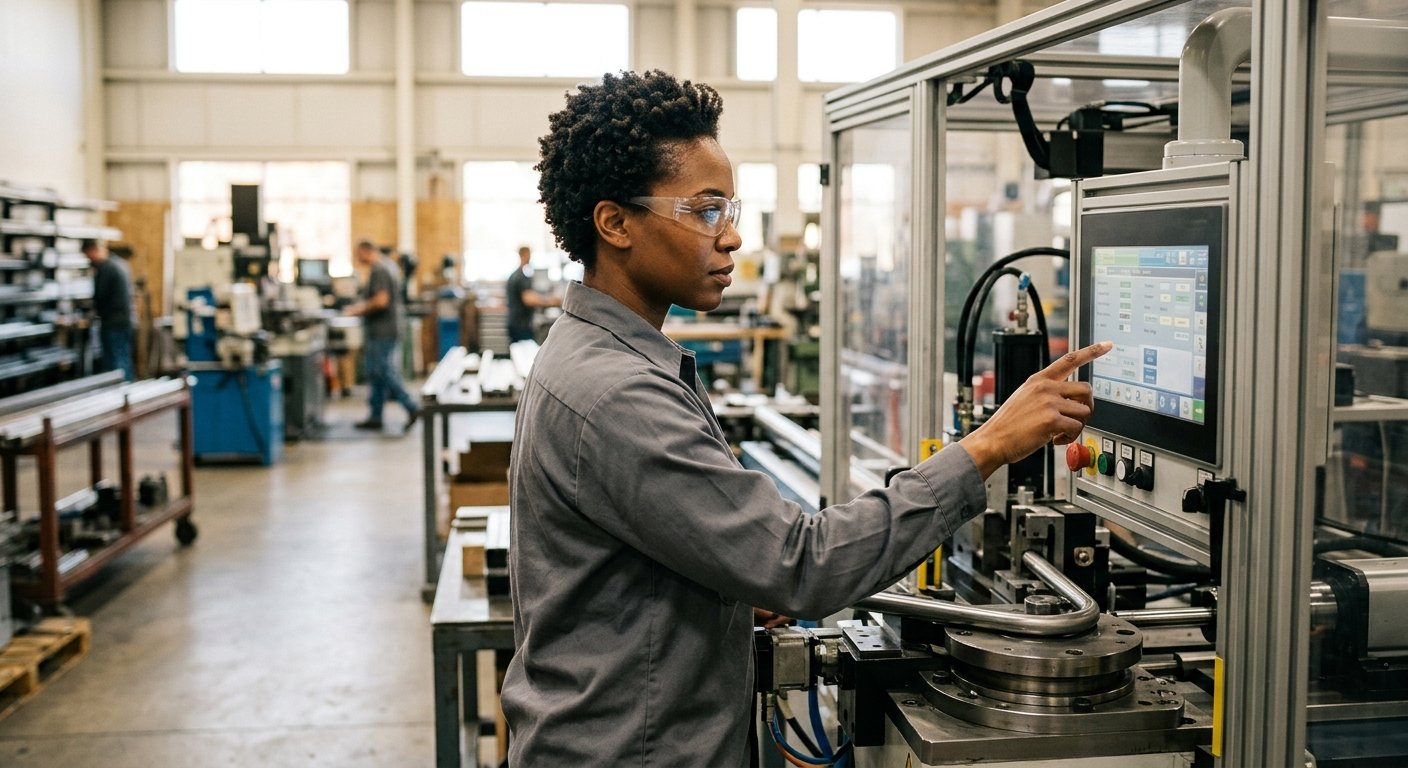
One of the most common structural errors in shop training programs is treating all bending equipment identically. CNC tube benders and NC tube benders are fundamentally different in how operators interact with them, and the knowledge required to run each safely and accurately does not fully overlap.
| Training Dimension | NC Tube Benders | CNC Tube Benders |
|---|---|---|
| Program entry method | Manual dial/switch input | Software-based program storage and recall |
| Springback adjustment | Operator judgment and manual correction | Programmed compensation values |
| Setup documentation | Setup card / traveler | Digital program file + setup card |
| Primary failure mode | Operator input error | Program error or tooling mismatch |
| Certification time (example only) | Typically shorter for basic parts | Longer due to software and multi-axis complexity |
For each machine type, the certification track should include a written knowledge test, a supervised practice period with defined minimum bend counts, a first-article inspection sign-off by a Level 3 operator or quality engineer, and a final practical assessment. Tie certification to specific machine models, not just machine categories—an operator certified on one NC bender is not automatically qualified on a different model with different tooling geometry.
Hines Bending Systems provides machine-specific training and comprehensive support as part of its customer partnership model. When you invest in American-manufactured precision bending equipment, leveraging factory training resources accelerates your internal certification program and ensures operators learn from the engineers who designed the machine.
Step 3: Develop Process Qualification Documentation
Process qualification (PQ) documentation answers a specific question: under defined conditions, using qualified operators on qualified equipment, does this process consistently produce parts within tolerance? Completing this documentation before production protects you during customer audits and internal nonconformance reviews.
A minimum PQ package for a tube bending operation should include:
- Equipment identification: Machine make, model, serial number, and current calibration status
- Tooling record: Bend die, clamp die, pressure die, wiper die, and mandrel specifications including material and condition
- Material specification: Tube alloy, OD, wall thickness, and temper per applicable standard (e.g., ASTM for material specs)
- Bend parameters: Centerline radius, bend angle, feed rate, boost pressure where applicable
- Acceptance criteria: Wall thinning limits, ovality limits, springback tolerance, and surface condition requirements drawn from the engineering drawing or applicable standard
- Operator identification: Name and certification level of the operator who performed qualification runs
For oil and gas applications, your PQ documentation should align with applicable API standards for pipe integrity. If you are producing aerospace tube assemblies, the AS9100 quality management system framework governs how this documentation is created, controlled, and retained.
Process qualification documentation completed before production is a quality investment; completed after a nonconformance, it is damage control.
Step 4: Integrate Safety Training from Day One
Safety training is not a separate module to schedule after operators learn the machine. It should be woven into every level of certification. Tube bending machines involve rotating tooling, high clamping forces, and in some configurations, hydraulic pressures that demand respect. Key safety topics for every operator regardless of level:
- Machine guarding requirements per OSHA 29 CFR 1910.212 for general machine guarding
- Lockout/tagout procedures specific to each machine during tooling changes
- Correct personal protective equipment for the operation (eye protection, foot protection, no loose clothing near rotating tooling)
- Emergency stop location and function verification before each shift startup
- Proper tube stock handling to prevent roll-out injuries from stored material
Refresher safety training should be mandatory whenever a new machine is introduced to the floor, when an operator transfers to a different machine, or after any incident—even a near-miss. Document every safety training event with date, content covered, and operator signature.
Step 5: Sustain Training Quality as Your Team Evolves
A training program that exists only as an onboarding document degrades quickly. Operator turnover, equipment upgrades, and evolving customer specifications all create gaps between what operators were trained on and what current production demands. Build sustainability into the program structure from the start.
Set a calendar-based requalification interval for every certification level—annually works well for most shops. If a certified operator has not run a specific machine or part family for more than 90 days, require a supervised practice run and first-article sign-off before returning to independent production status.
When you add new equipment—for example, upgrading from NC to CNC capability or adding a machine configured for a tighter CLR-to-OD ratio—treat that as a new certification event even for your most experienced operators. The custom bending solutions available today often incorporate multi-stack tooling and servo-controlled boost that introduce variables experienced NC operators have never encountered. Similarly, when your engineering team updates a part drawing or changes material specifications, review whether existing process qualifications remain valid.
Shops that get this right maintain a living training matrix that is reviewed quarterly and updated in real time when changes occur. Assign ownership clearly—typically a manufacturing engineer or a designated quality function—so the program does not become orphaned when personnel change.
It is also worth connecting your internal training investment to your equipment selection decisions. Understanding common specification mistakes in tube bending machines helps training managers anticipate which machine features will require the most focused operator development—and factor that into procurement planning from the outset.
Frequently Asked Questions
How long does it take to certify an operator on a CNC tube bender?
Certification timelines depend on operator background, part complexity, and the number of machine axes involved. A trainee with mechanical aptitude and prior metalworking exposure may reach Level 2 qualification on a straightforward CNC program in several weeks of supervised operation. Complex multi-radius aerospace programs with tight tolerances take longer. Use a minimum bend-count requirement rather than a fixed calendar duration to ensure readiness is based on demonstrated performance.
Do we need separate training documentation for each tube bending machine we own?
Yes. Machine-specific documentation is strongly advisable even when machines are similar models. Tooling configurations, calibration records, and approved bend programs differ between individual machines. During an AS9100 or customer audit, auditors will look for documentation that ties operator certification to specific equipment, not just a general machine type.
What is the difference between operator training and process qualification?
Operator training certifies that an individual has the knowledge and demonstrated skill to run a machine correctly. Process qualification certifies that a specific combination of machine, tooling, material, and parameters produces parts within tolerance. Both are required in regulated industries—an operator can be fully certified and still produce out-of-tolerance parts if the process itself was never formally qualified.
How should we handle training when we upgrade from NC to CNC bending equipment?
Treat the upgrade as a new certification event for all operators, regardless of their experience on NC equipment. CNC platforms introduce software-based program management, multi-axis coordination, and digital parameter storage that require specific training. Factory training from the equipment manufacturer is the most efficient path, and many manufacturers—including Hines Bending—provide comprehensive training as part of their support model.
Can our internal lead operators run the training program, or do we need outside resources?
Experienced Level 3 in-house operators can effectively deliver daily skills training and certification assessments, provided they have been formally trained on the equipment themselves. For initial program setup, new machine introductions, or preparing for customer or AS9100 audits, manufacturer-provided training or an external quality consultant adds credibility and fills knowledge gaps that internal trainers may not recognize.
Build a Stronger Bending Operation
Hines Bending Systems supports customers beyond the machine—with 50 years of precision bending expertise and comprehensive training resources for aerospace, oil and gas, and industrial applications, we help your team operate at the level your production demands.

About Hines Bending Systems
Hines Bending Systems is a leading American manufacturer of precision tube and pipe bending equipment serving aerospace, energy, oil & gas, petrochemical, and defense industries. With 50 years of proven expertise and a track record of supplying NASA and military clients, Hines delivers custom bending solutions for demanding applications ranging from high-volume production to specialized one-off projects. The company combines deep technical knowledge with comprehensive support including training and service, positioning itself as a partner in customer success rather than just an equipment supplier. Visit hinesbending.com →