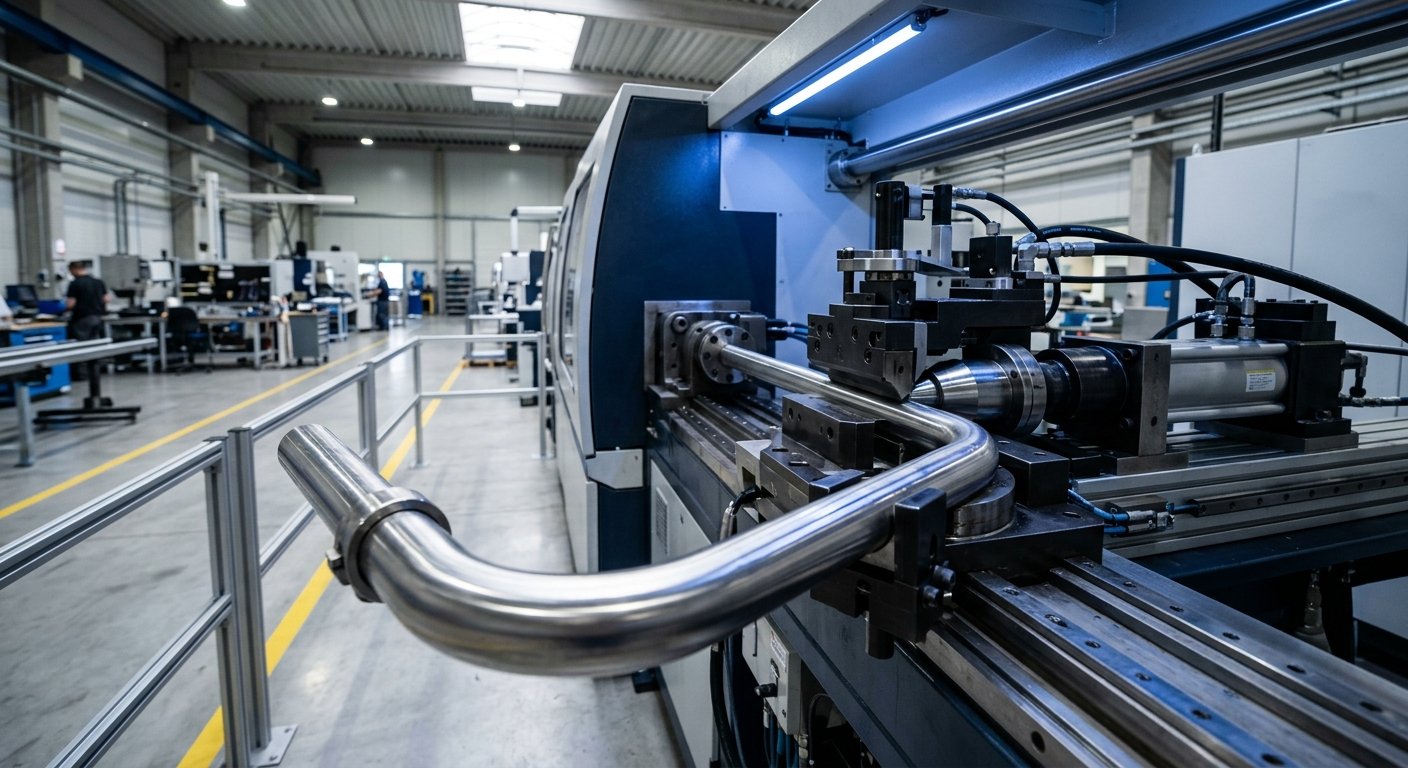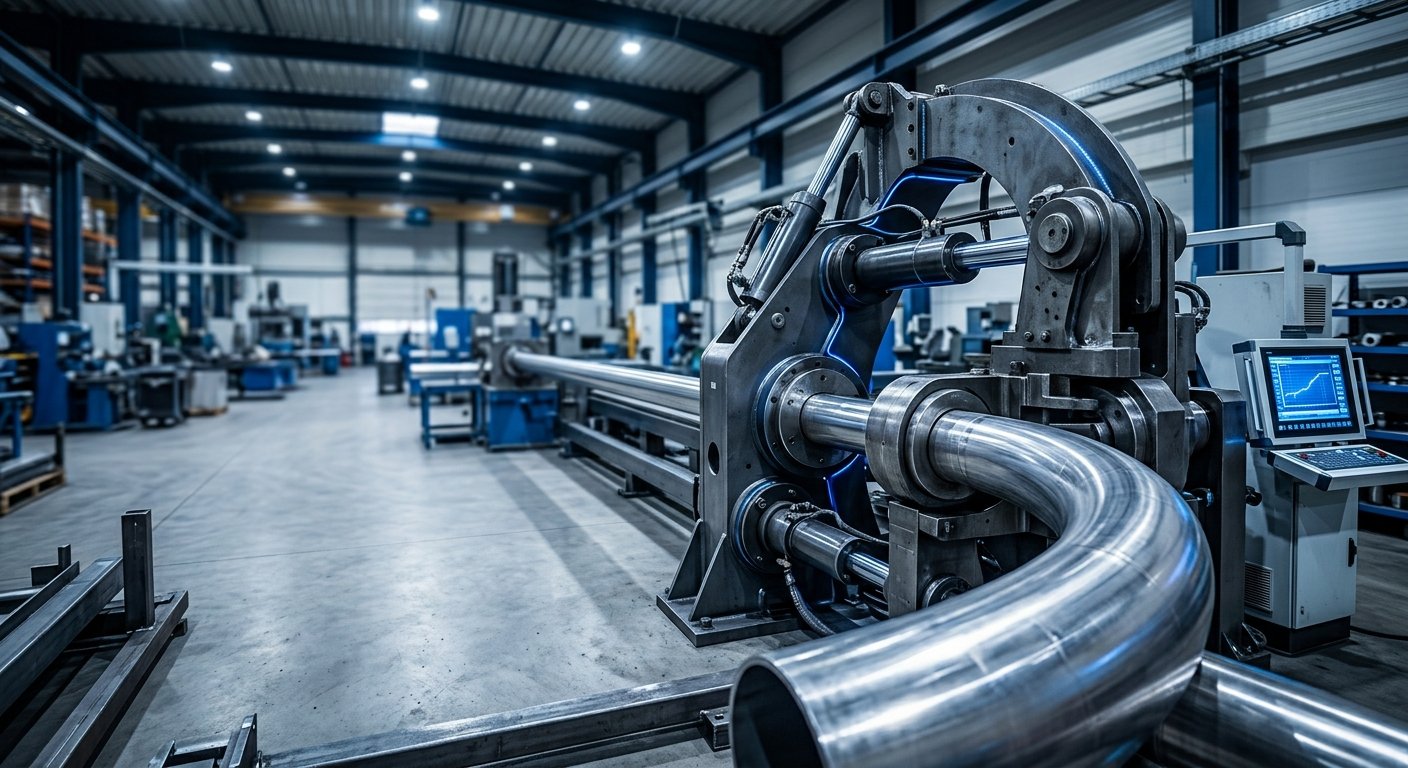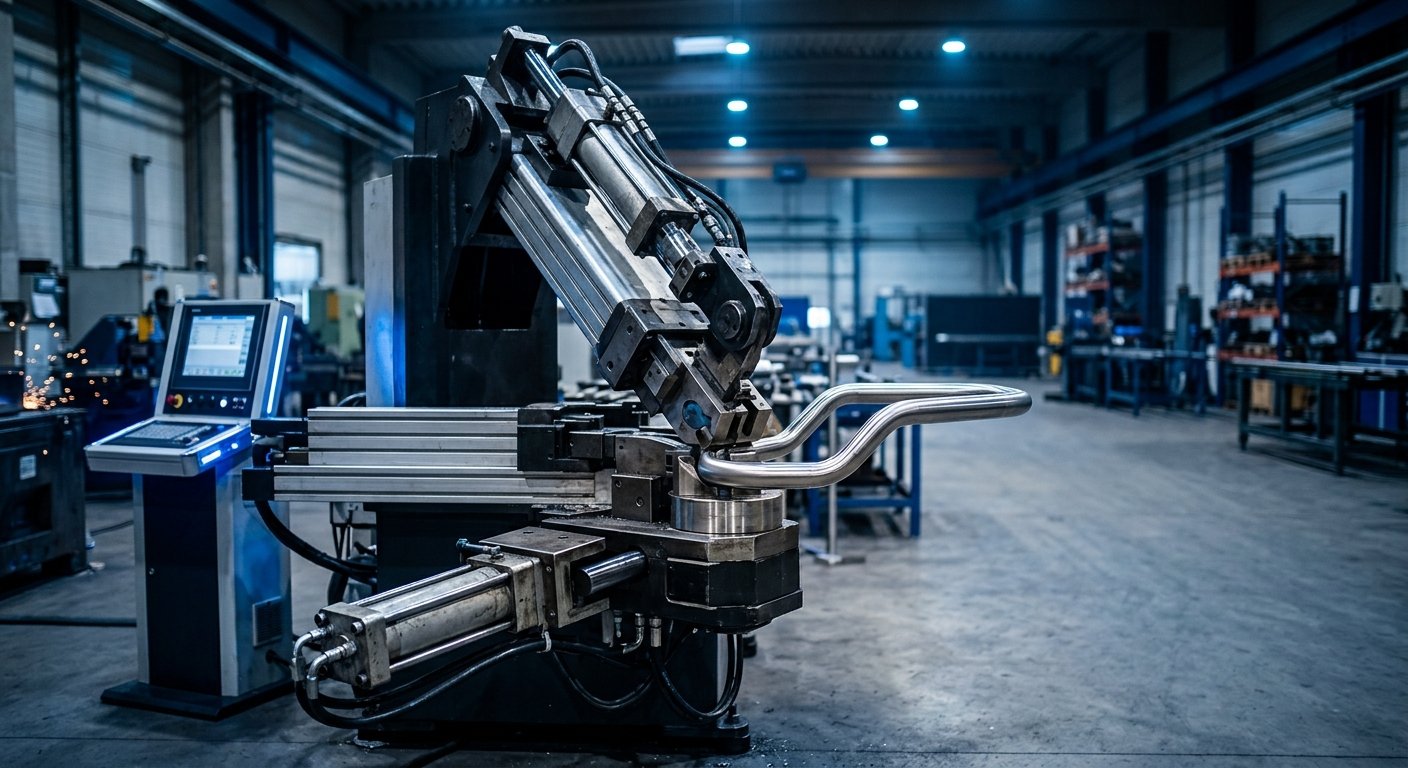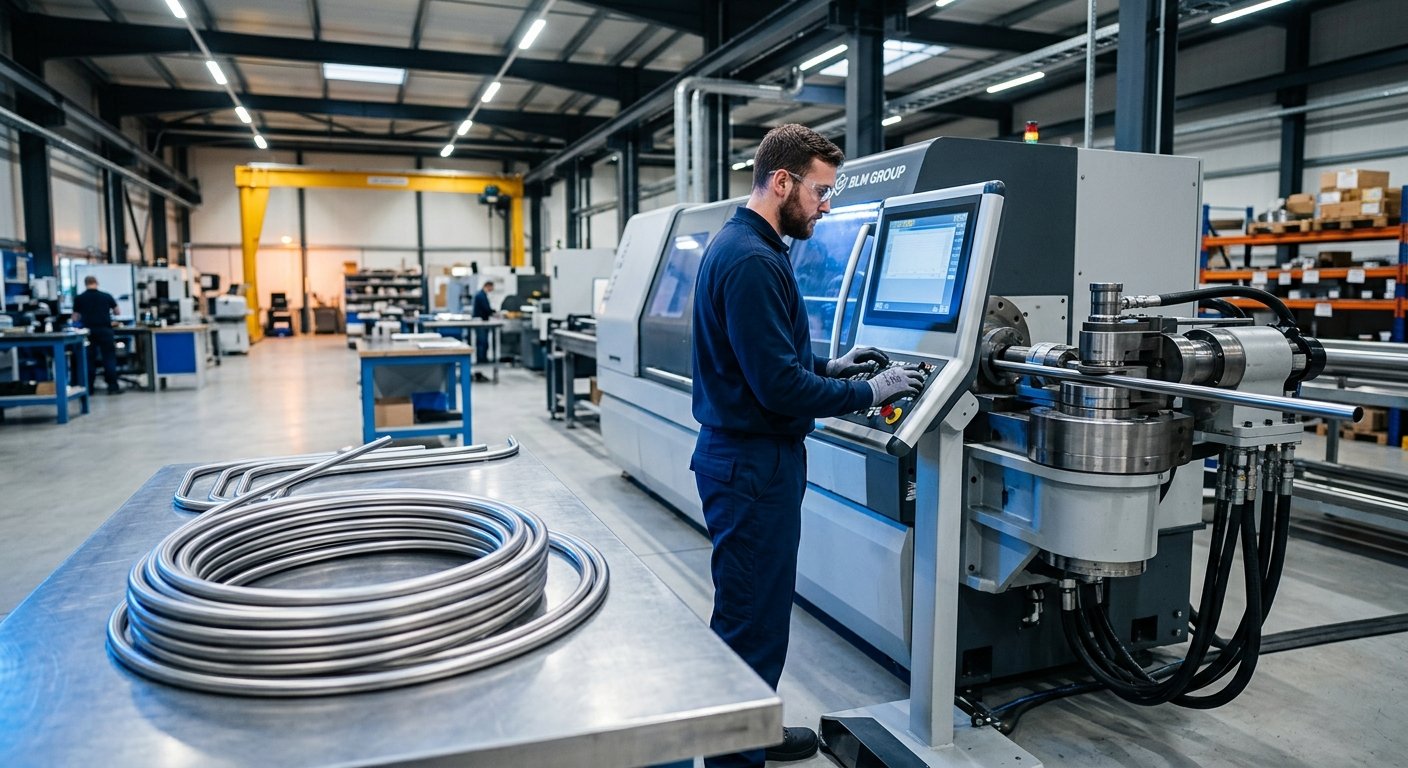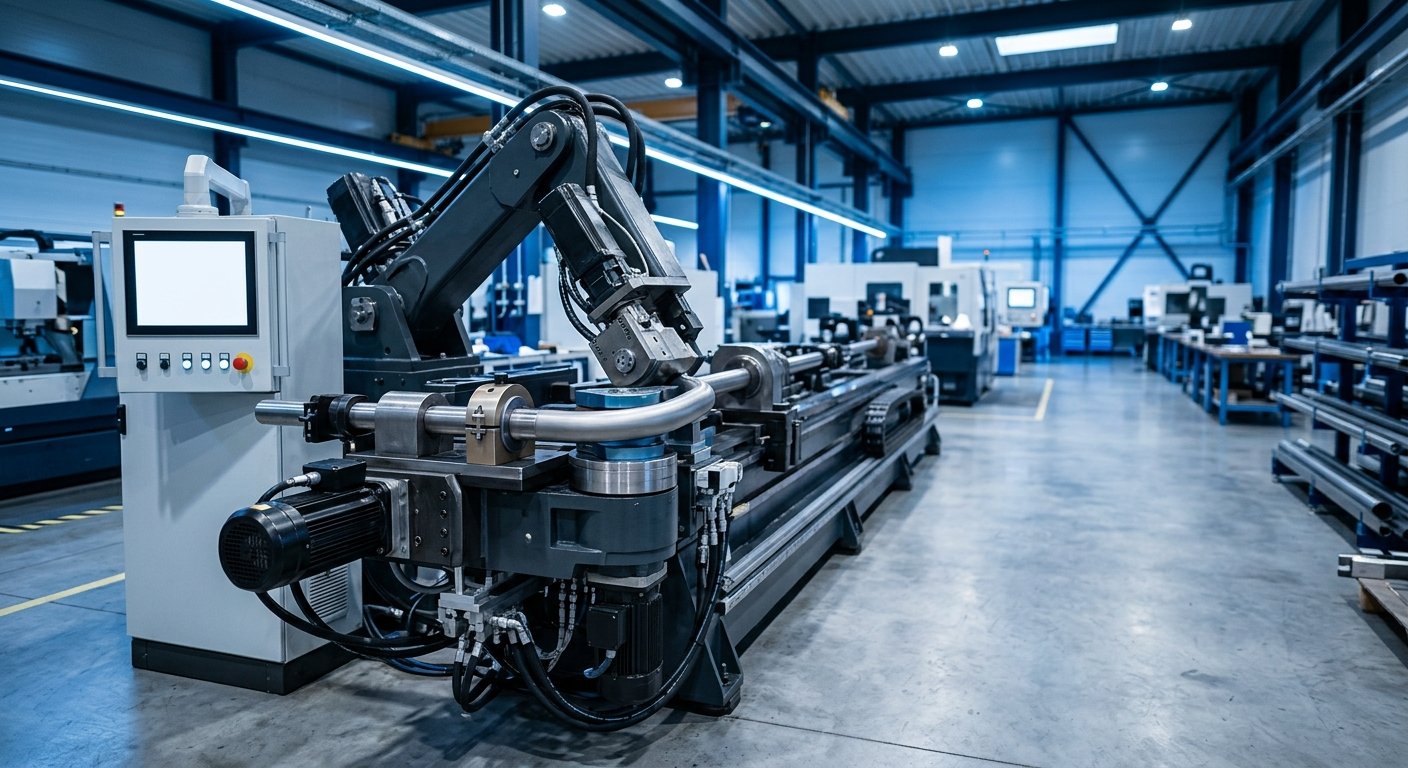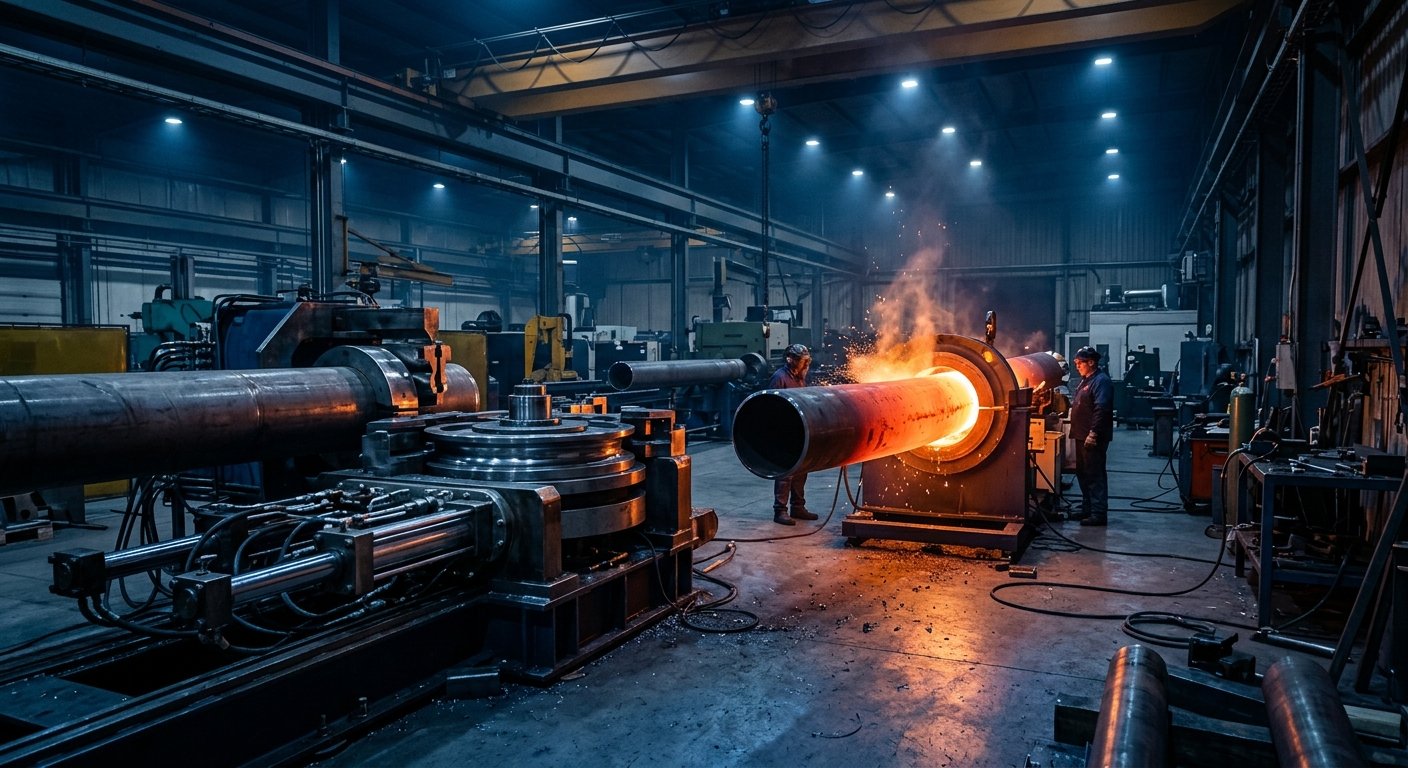
Acquiring surplus pipe bending equipment requires more strategic thinking than simply finding the lowest price. For engineering managers and procurement specialists navigating budget constraints, the difference between a smart acquisition and a costly mistake often comes down to timing, technical assessment, and understanding market cycles. The secondary market for industrial pipe benders has evolved significantly, offering opportunities for organizations to access precision equipment at 40-60% below new pricing—but only when approached with a structured evaluation framework.
Understanding the Surplus Equipment Market Dynamics
The market for used pipe benders for sale operates on predictable cycles influenced by industry consolidation, capital equipment refreshes, and economic conditions. When large aerospace manufacturers upgrade to newer CNC systems or when oil and gas contractors downsize operations, high-quality equipment enters the secondary market. These inflection points create acquisition windows where budget-constrained projects can access equipment that would otherwise remain financially out of reach.
Second hand pipe bending equipment availability peaked in recent years as industries recovered from economic disruptions and manufacturers modernized their facilities. This trend continues through 2026, particularly in sectors where companies invested heavily in automation and now retire functional hydraulic and semi-automated systems that still deliver precision results for specific applications.
Market Timing Indicators
Several factors signal optimal acquisition timing for pre-owned cnc tube benders and hydraulic systems:
- Fiscal year-end liquidations: Companies often sell surplus assets in Q4 to improve balance sheets, creating concentrated inventory availability from October through December
- Industry consolidation events: Mergers and acquisitions typically generate equipment redundancy within 6-12 months of closing
- Technology transitions: When manufacturers adopt servo-electric systems, their hydraulic equipment—often with significant remaining service life—enters the market
- Project completion cycles: Large infrastructure or energy projects generate equipment surpluses 18-24 months after peak construction phases
Technical Assessment Framework for Used Equipment
The financial advantage of surplus pipe bending equipment disappears rapidly if the machine requires extensive refurbishment or cannot meet your specifications. A systematic technical evaluation protects against costly mistakes and identifies truly viable opportunities.
Critical Inspection Points
Begin with the bending die sets and tooling inventory. Dies represent substantial value—often 15-25% of total equipment cost when purchased new. Used industrial pipe benders with comprehensive die sets for your required bend radii and material specifications deliver immediate value. Document the available tooling diameter range, centerline radii, and material compatibility.
Hydraulic system condition determines long-term reliability and maintenance costs. Inspect cylinder seals, pump performance, and fluid contamination levels. Request maintenance records showing regular fluid analysis and component replacement. A well-maintained hydraulic system on a 15-year-old bender often outperforms a neglected 5-year-old machine.
For CNC-controlled equipment, software compatibility and control system support availability are non-negotiable. Controllers from established manufacturers like Siemens, Fanuc, or Allen-Bradley ensure parts availability and technical support. Proprietary or discontinued control systems create ongoing operational risks regardless of mechanical condition.
Capacity Verification Protocol
Verify actual bending capacity against manufacturer specifications through test bends using your specific materials. Aluminum, stainless steel, and high-strength alloys each stress the equipment differently. A machine rated for 2-inch mild steel may struggle with 1.5-inch stainless depending on wall thickness and bend radius requirements.
Measure repeatability across multiple bend cycles. Position deviation should remain within ±0.5 degrees for angular accuracy and ±0.030 inches for dimensional consistency on quality equipment. Greater variation indicates worn components, calibration issues, or fundamental mechanical problems requiring costly correction.
Application-Specific Acquisition Strategies
Different industrial applications demand distinct approaches to surplus equipment acquisition. Aligning your evaluation criteria with application requirements prevents mismatched purchases.
Aerospace and Defense Applications
Aerospace applications involving titanium or Inconel tubing require equipment with documented calibration history and traceability. Pre-owned cnc tube benders from aerospace facilities often include calibration certifications and maintenance documentation meeting AS9100 standards. These machines command premium pricing in the secondary market but deliver immediate qualification advantages.
When acquiring equipment for military or defense-related projects, verify that previous applications didn’t involve specialized materials requiring dedicated tooling. Cross-contamination concerns or material traceability requirements may necessitate complete die set replacement even on otherwise excellent equipment.
Oil, Gas, and Petrochemical Systems
Energy sector applications prioritize high-volume capacity and material versatility. Used industrial pipe benders from refineries or fabrication shops typically show higher utilization but often include heavy-duty construction suitable for continuous operation. Focus on frame rigidity, carriage wear, and die condition rather than cosmetic appearance.
Corrosion-resistant material capability proves essential for petrochemical applications. Equipment previously used for carbon steel may require tooling upgrades for stainless or duplex alloys. Factor die coating costs and specialized mandrel requirements into total acquisition budgets.
Automotive and High-Volume Production
Production environments demand cycle time efficiency and minimal changeover requirements. Evaluate quick-change tooling systems, automated loading features, and integration capabilities with existing production lines. Second hand pipe bending equipment from automotive suppliers often includes these production-oriented features at substantial discounts.
Financial Analysis Beyond Purchase Price
The acquisition cost represents only one component of total ownership economics. Comprehensive financial analysis captures the complete picture and enables accurate budget projections.
Refurbishment and Upgrade Costs
Budget 10-20% of purchase price for standard refurbishment including seals, bearings, and calibration. More extensive upgrades—control system modernization, structural repairs, or safety system updates—can reach 30-40% of purchase price. Request detailed inspection reports before acquisition to establish realistic refurbishment budgets.
Control system upgrades deserve particular scrutiny. Retrofitting modern CNC controls onto quality mechanical platforms extends equipment life 15-20 years while maintaining the precision characteristics of proven designs. This approach often delivers better value than purchasing newer equipment with lighter construction.
Installation and Training Expenses
Factor rigging, transportation, and installation costs into acquisition budgets. Heavy hydraulic benders may require specialized rigging equipment and foundation preparation. Installation typically runs 5-8% of equipment value for domestic moves, increasing for international acquisitions.
Operator training requirements vary based on control system familiarity and application complexity. Equipment from manufacturers offering comprehensive training documentation and support reduces training costs and accelerates productive operation.
Vendor Selection and Due Diligence
The source of surplus pipe bending equipment significantly impacts acquisition risk and long-term satisfaction. Established dealers specializing in precision metal forming equipment provide advantages over general industrial auctions or direct purchases.
Dealer Advantages
Reputable dealers typically perform basic refurbishment, provide warranty coverage, and offer technical support after sale. This service layer reduces risk substantially compared to as-is purchases. Dealers with in-house service capabilities can also provide ongoing maintenance support and parts sourcing.
Verify dealer experience with your specific equipment type and application. A dealer specializing in hydraulic rotary draw benders brings different expertise than one focused on CNC multi-stack machines. Application-specific knowledge helps match equipment capabilities to your requirements.
Direct Purchase Considerations
Purchasing directly from the retiring facility eliminates dealer markup but shifts all assessment and refurbishment responsibility to the buyer. This approach works well when you possess in-house expertise for equipment evaluation, transportation coordination, and installation. Request complete maintenance records, operating manuals, and spare parts inventory.
Optimal Timing Strategies for Budget-Constrained Projects
Strategic timing transforms budget constraints from limitations into competitive advantages by accessing quality equipment during favorable market conditions.
Planning Horizon Approach
Begin equipment searches 6-9 months before required installation dates. This extended timeline allows selective evaluation of multiple opportunities rather than forcing compromised decisions under deadline pressure. Monitor market availability patterns and pricing trends during this period.
Establish clear technical requirements and budget parameters early. Documenting must-have specifications versus desirable features enables quick decision-making when ideal opportunities appear. Surplus equipment moves quickly when priced appropriately—decision delays mean missed opportunities.
Seasonal Market Patterns
Equipment availability and pricing follow seasonal patterns. Late fall through year-end typically offers the broadest selection as companies execute asset disposition strategies. Spring periods following capital budget approvals see increased competition and firmer pricing as buyers enter the market simultaneously.
Counter-seasonal purchasing—acquiring equipment during high-availability periods for installation during slower production periods—optimizes both pricing and implementation efficiency. This approach requires advance planning but delivers measurable economic advantages.
Risk Mitigation and Quality Assurance
Implementing structured risk mitigation processes protects investments in second hand pipe bending equipment and ensures performance meets project requirements.
Pre-Purchase Testing Protocols
Whenever possible, conduct witnessed test runs using representative materials and specifications. Bring sample tubing in your required materials, diameters, and wall thicknesses. Execute complete bend cycles including multiple angles and radii to verify both capacity and repeatability.
Document baseline performance metrics during testing. Record dimensional accuracy, surface finish quality, and cycle times. These baseline measurements establish performance expectations and provide comparison points for post-installation verification.
Warranty and Support Arrangements
Negotiate warranty coverage appropriate to equipment age and condition. Thirty to ninety-day mechanical warranties protect against undisclosed defects while remaining realistic for used equipment. Longer warranty periods may be available from dealers on refurbished machines at premium pricing.
Establish parts sourcing and technical support arrangements before purchase. Equipment from manufacturers with strong aftermarket support and parts availability reduces long-term operational risk. American-manufactured equipment often provides superior parts availability and technical support compared to imported machines.
Making the Acquisition Decision
Successful surplus equipment acquisition balances technical capability, financial constraints, and timing considerations. Organizations that approach the secondary market strategically access quality equipment enabling project success within budget limitations.
The key differentiator between successful acquisitions and problematic purchases lies in thorough evaluation, realistic assessment of total costs, and disciplined decision-making. Pre-owned cnc tube benders and hydraulic systems deliver exceptional value when matched appropriately to application requirements and supported with proper refurbishment and integration planning.
Budget constraints need not compromise capability when approached with strategic timing and systematic evaluation. The current market offers substantial opportunities for organizations prepared to invest effort in proper equipment assessment and vendor selection.
Whether your project involves aerospace precision, energy sector volume production, or specialized fabrication requirements, quality surplus pipe bending equipment provides proven capabilities at accessible pricing. The difference between opportunity and obstacle comes down to preparation, timing, and expertise in equipment evaluation—three factors entirely within your control.
Ready to explore how strategic equipment acquisition can enable your next project? Contact our team to discuss your specific bending requirements and discover how proven equipment solutions can deliver the precision and reliability your applications demand while respecting your budget realities.