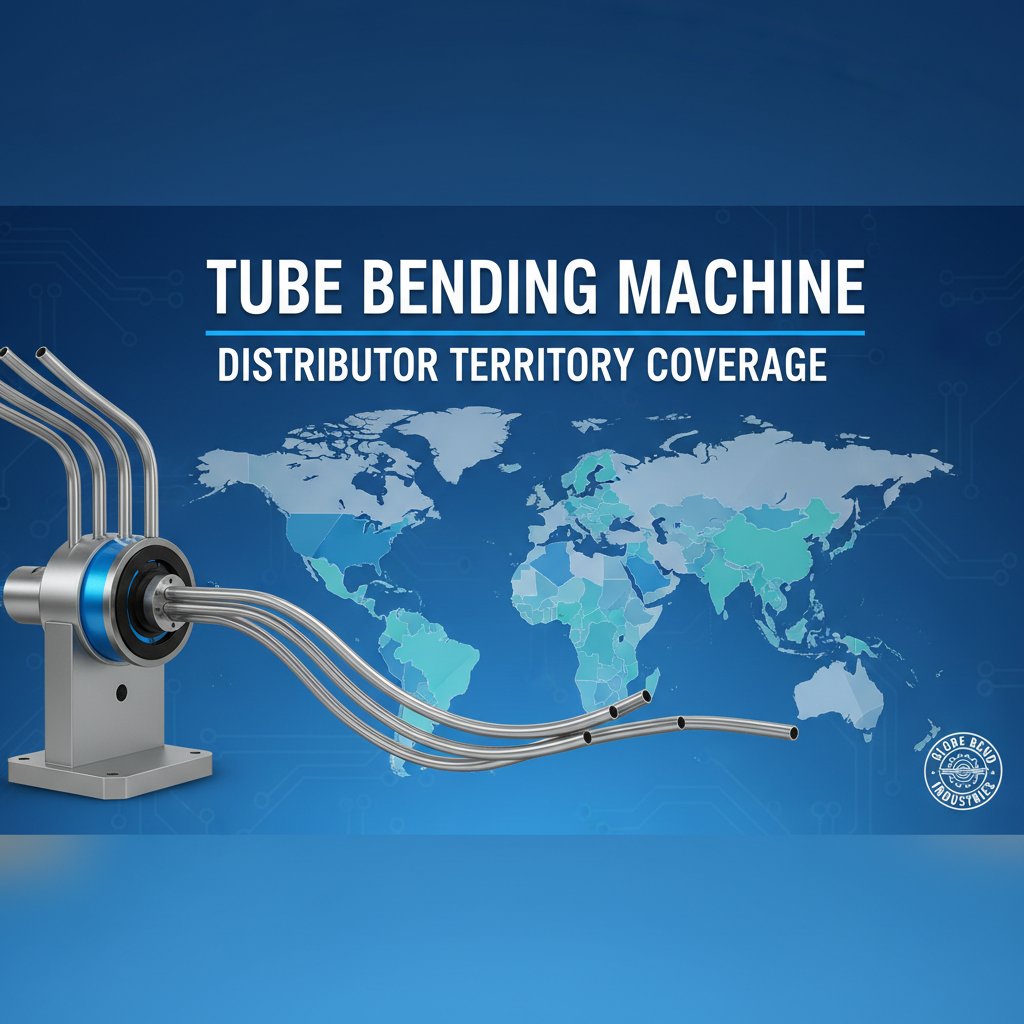
Selecting the right tube bending machine distributor isn’t just about equipment specifications—it’s about long-term partnership, regional support capabilities, and technical expertise that extends far beyond the initial sale. In 2026’s complex manufacturing landscape, where precision tube bending serves critical applications from aerospace fuel lines to petrochemical process systems, understanding distributor territory coverage and support structures can mean the difference between seamless production and costly downtime.
The tube bending equipment market has evolved significantly, with manufacturers increasingly recognizing that local service availability, rapid parts delivery, and hands-on training support are as crucial as machine capabilities themselves. For engineering managers and procurement specialists evaluating precision tube bender sales options, navigating the distributor landscape requires understanding how territory coverage impacts your operation’s efficiency and bottom line.
Direct Manufacturing vs. Distributor Models: Understanding the Landscape
The industrial tube bending machine sales ecosystem operates through two primary channels: direct manufacturer relationships and authorized distributor networks. Each approach offers distinct advantages depending on your facility’s location, application requirements, and support expectations.
Direct manufacturer relationships, particularly with American manufacturers like Hines Bending Systems, provide unfiltered access to engineering expertise and custom solution development. This model excels when projects demand specialized tooling, unique material considerations, or integration with existing production lines. Facilities working with exotic alloys for aerospace applications or managing complex bend sequences for defense contracts often benefit from this direct technical collaboration.
Conversely, tube bending machine dealer networks expand geographic reach and can offer faster response times in regions distant from manufacturing facilities. However, the quality of distributor support varies dramatically based on their technical training, parts inventory management, and commitment to specific product lines.
Critical Support Components Beyond Territory Boundaries
When evaluating any tube bending equipment distributor, several support dimensions transcend simple geographic proximity and fundamentally impact operational success.
Technical Training and Knowledge Transfer
The sophistication of modern CNC tube bending equipment demands comprehensive operator and programmer training. A distributor’s territory coverage means little if their technical team lacks deep product knowledge or practical bending experience across diverse materials and applications.
Effective training programs address setup procedures, tooling selection for different bend radii and wall thicknesses, material springback compensation, and preventive maintenance protocols. For facilities running aerospace-grade titanium or Inconel tubing, this expertise becomes mission-critical. The best distributors maintain staff with hands-on manufacturing backgrounds who understand real-world production challenges rather than simply reading from equipment manuals.
Parts Inventory and Delivery Logistics
Regional parts availability directly impacts machine uptime. A tube bending machine distributor serving your territory should maintain strategic inventory of wear components, tooling elements, and critical replacement parts. In 2026’s lean manufacturing environment, waiting weeks for overseas shipment of a $200 component that halts a $500,000 machine represents unacceptable operational risk.
Smart procurement teams evaluate distributors based on their stocking policies, supplier relationships, and emergency delivery capabilities. Questions to ask include: What is standard delivery time for common wear items? Do they stock tooling for your specific tube diameters and materials? Can they expedite critical components when production schedules demand it?
Field Service Capabilities
Equipment installation, calibration, troubleshooting, and repair require technicians who combine mechanical aptitude with specific product training. The geographic coverage of qualified service personnel determines response times during equipment issues.
For high-volume production facilities where every hour of downtime cascades through delivery schedules, service response time carries quantifiable value. A distributor with regional technicians positioned for same-day or next-day response provides tangible advantage over one requiring multi-day travel arrangements. Additionally, remote diagnostic capabilities have advanced significantly, allowing experienced technical teams to resolve many issues through video guidance and detailed troubleshooting protocols.
Evaluating Territory Coverage for Your Specific Needs
Not all facilities require identical support structures. A job shop running custom architectural metalwork has fundamentally different needs than an automotive supplier producing exhaust components at 10,000 units monthly. Aligning distributor capabilities with your operational profile ensures appropriate support levels.
High-Volume Production Environments
Operations running continuous or multi-shift production schedules require distributors with robust emergency support infrastructure. These facilities benefit from:
- Guaranteed response time agreements for service calls
- Comprehensive spare parts kits maintained on-site
- Dedicated technical contacts familiar with specific equipment configurations
- Preventive maintenance programs scheduled around production cycles
- Application engineering support for process optimization
For these critical applications, proximity matters less than commitment and resource depth. A manufacturer with direct support capabilities and national service infrastructure often outperforms geographically closer distributors lacking specialized expertise.
Custom and Low-Volume Applications
Facilities focused on prototype development, custom fabrication, or specialized applications prioritize engineering collaboration over rapid parts delivery. These operations value distributors or manufacturers offering:
- Application development assistance and bend sequence optimization
- Custom tooling design and fabrication capabilities
- Material testing and springback analysis for new alloys
- Flexible training programs accommodating varied projects
- Technical documentation and setup procedure development
The best precision tube bender sales partners for these applications invest time understanding unique requirements rather than pushing standardized solutions.
The American Manufacturing Advantage in Support Infrastructure
Domestic tube bending equipment manufacturers offer distinct advantages in support responsiveness and engineering collaboration. Time zone alignment, common language communication, and cultural understanding of American manufacturing practices facilitate smoother technical exchanges.
American manufacturers with established relationships serving NASA, military, and aerospace prime contractors bring proven quality systems and documentation standards. These capabilities translate directly to support quality—technicians trained in environments demanding absolute precision and traceability naturally apply those standards to customer service.
Additionally, domestic manufacturing enables rapid custom tooling fabrication, modification of standard equipment for specific applications, and engineering changes that would require lengthy approval processes with overseas suppliers. For facilities managing projects with evolving specifications or unexpected material challenges, this agility provides competitive advantage.
Questions to Ask Prospective Distributors
Thorough vetting of any tube bending machine distributor should address these critical areas:
Technical Capability: What certifications or training programs have your technicians completed? Can you provide references from facilities running similar applications in comparable industries?
Parts and Service: What components do you stock locally? What is typical delivery time for items not in inventory? What are your standard service response times, and what emergency support options exist?
Application Support: Can you assist with tooling selection and bend sequence development? Do you offer on-site training, and can it be customized to our specific applications and materials?
Long-term Partnership: How do you handle equipment upgrades and technology updates? What is your process for addressing technical issues that require manufacturer engineering involvement?
Territory Commitment: How many facilities do you currently support in this region? Are you the exclusive representative, or do multiple channels serve this territory?
The Direct Manufacturer Relationship Alternative
For many operations, particularly those with demanding specifications or complex applications, working directly with the equipment manufacturer eliminates distributor limitations entirely. Manufacturers like Hines Bending Systems, with decades of experience serving aerospace, defense, and energy sectors, provide comprehensive support nationwide without distributor intermediaries.
This direct model offers several advantages: unfiltered communication with design engineers who created the equipment, immediate access to application specialists familiar with thousands of successful installations, and custom solution development capabilities that distributors rarely match. When projects involve exotic materials, tight tolerance requirements, or integration with sophisticated manufacturing systems, direct manufacturer collaboration often proves most effective.
American manufacturers with proven track records supporting critical applications understand that equipment sales represent the beginning of long-term partnerships. Their support infrastructure reflects this philosophy, with technical teams available for troubleshooting, process optimization, and continuous improvement initiatives extending years beyond initial installation.
Making the Right Choice for Your Operation
Selecting between distributor partnerships and direct manufacturer relationships ultimately depends on your specific requirements, application complexity, and support expectations. Operations with standard bending needs in regions with strong distributor presence may find local partnerships sufficient. Facilities managing critical applications, working with challenging materials, or requiring custom solutions often benefit from direct manufacturer relationships.
Regardless of channel choice, prioritize partners demonstrating genuine technical expertise, proven support capabilities, and commitment to long-term success rather than transactional equipment sales. The right tube bending equipment distributor or manufacturer becomes an extension of your engineering team, contributing application knowledge and technical support that enhances production efficiency and product quality.
As manufacturing continues evolving toward greater precision, efficiency, and customization, the support infrastructure surrounding your tube bending equipment will increasingly determine competitive advantage. Choose partners equipped to grow with your capabilities and committed to your success beyond the initial purchase order.
For operations requiring precision tube bending equipment backed by comprehensive American manufacturing expertise and nationwide support capabilities, contact Hines Bending Systems to discuss your specific application requirements. Our engineering team brings decades of experience serving aerospace, defense, energy, and industrial markets with custom bending solutions and technical support that extends throughout your equipment’s operational lifetime.