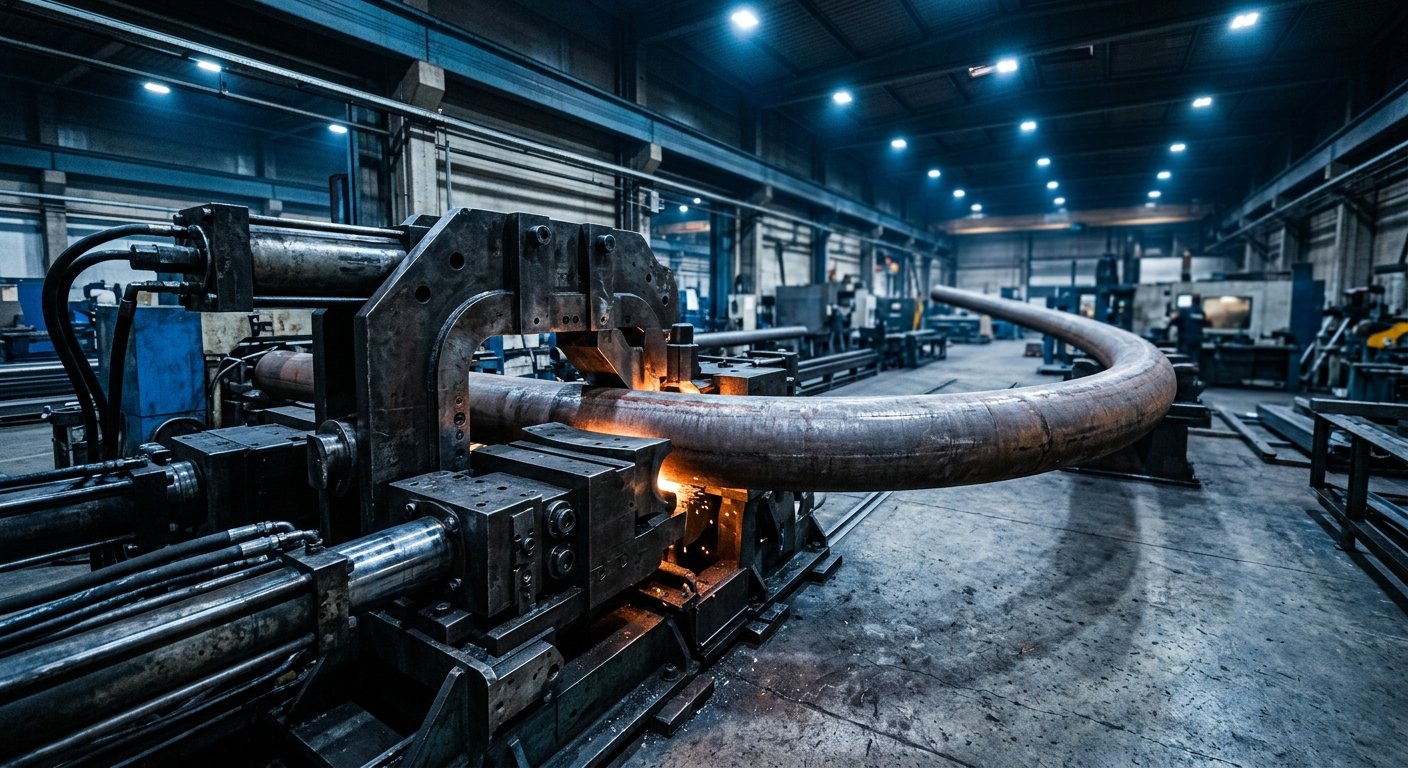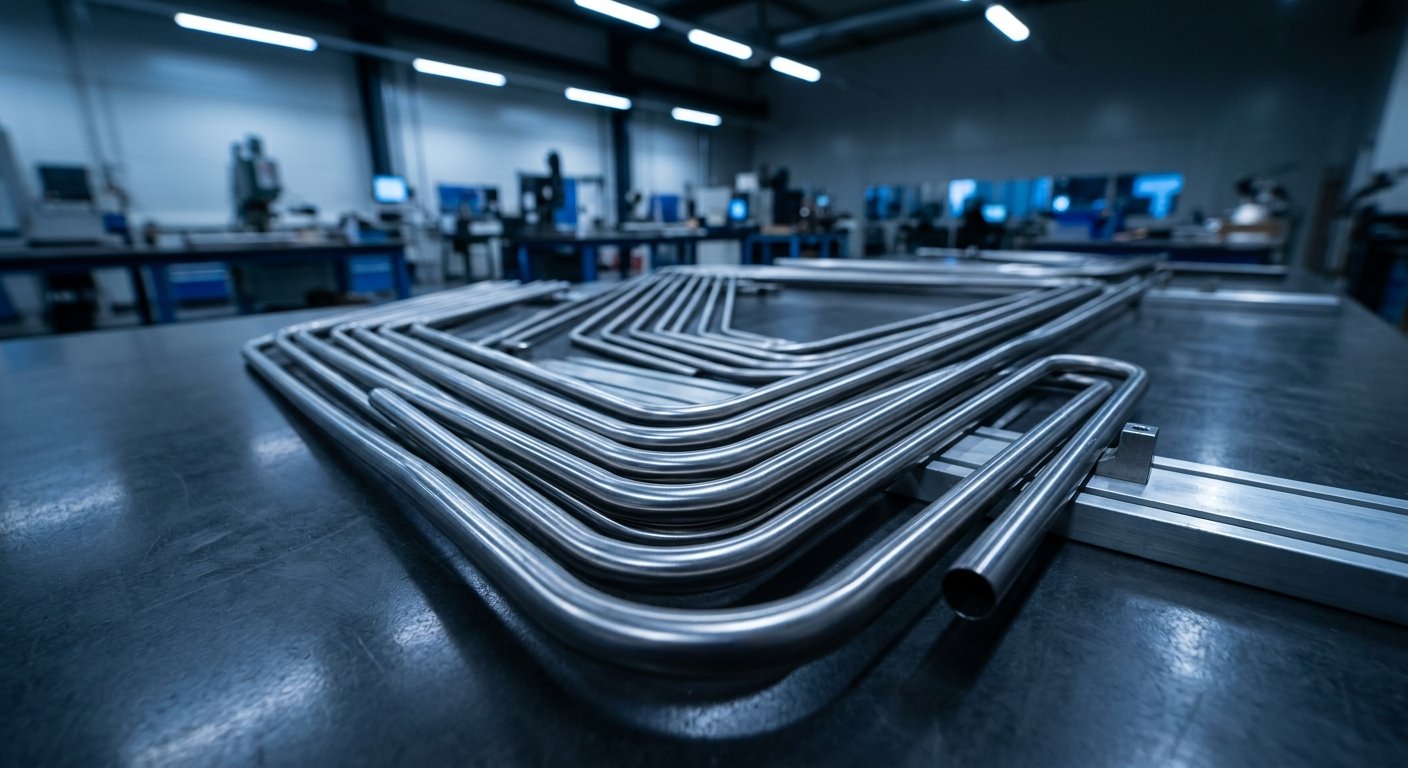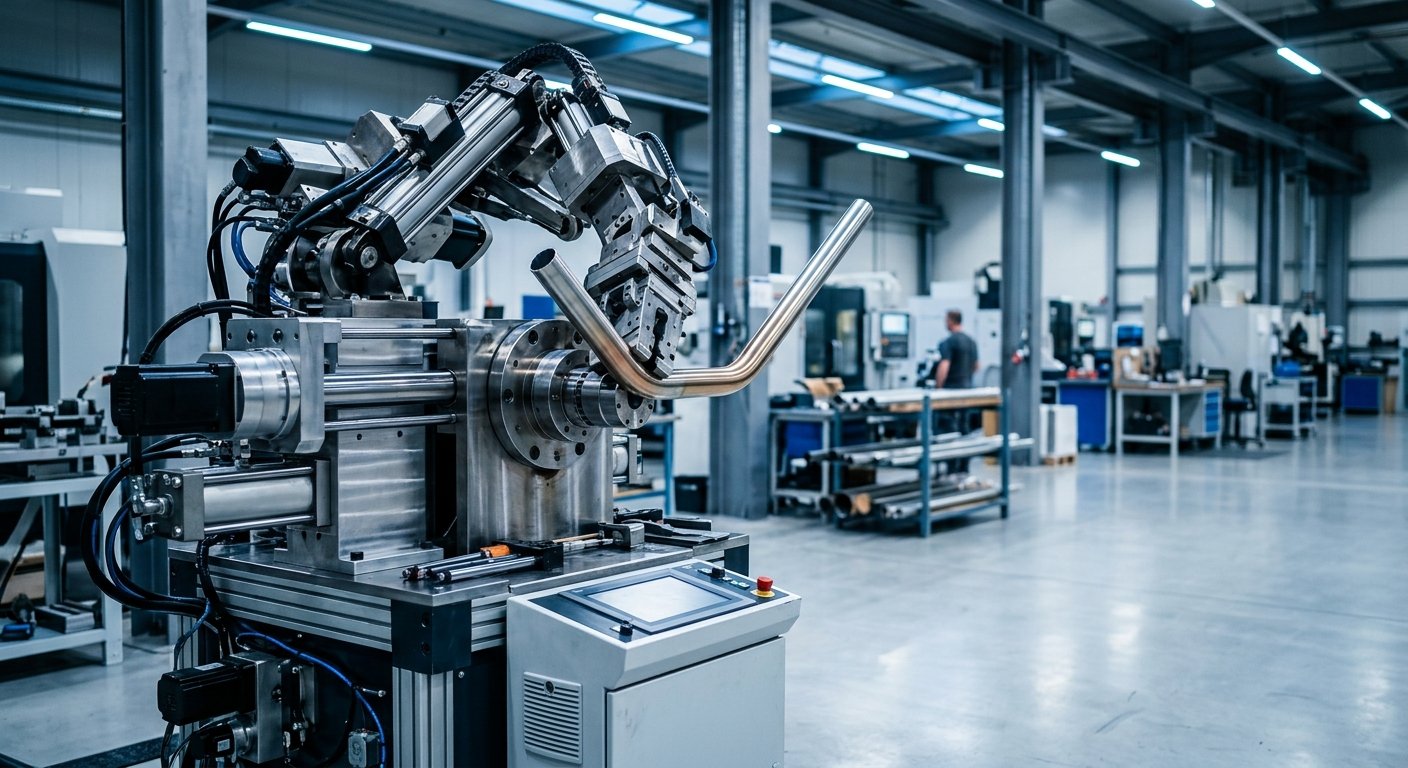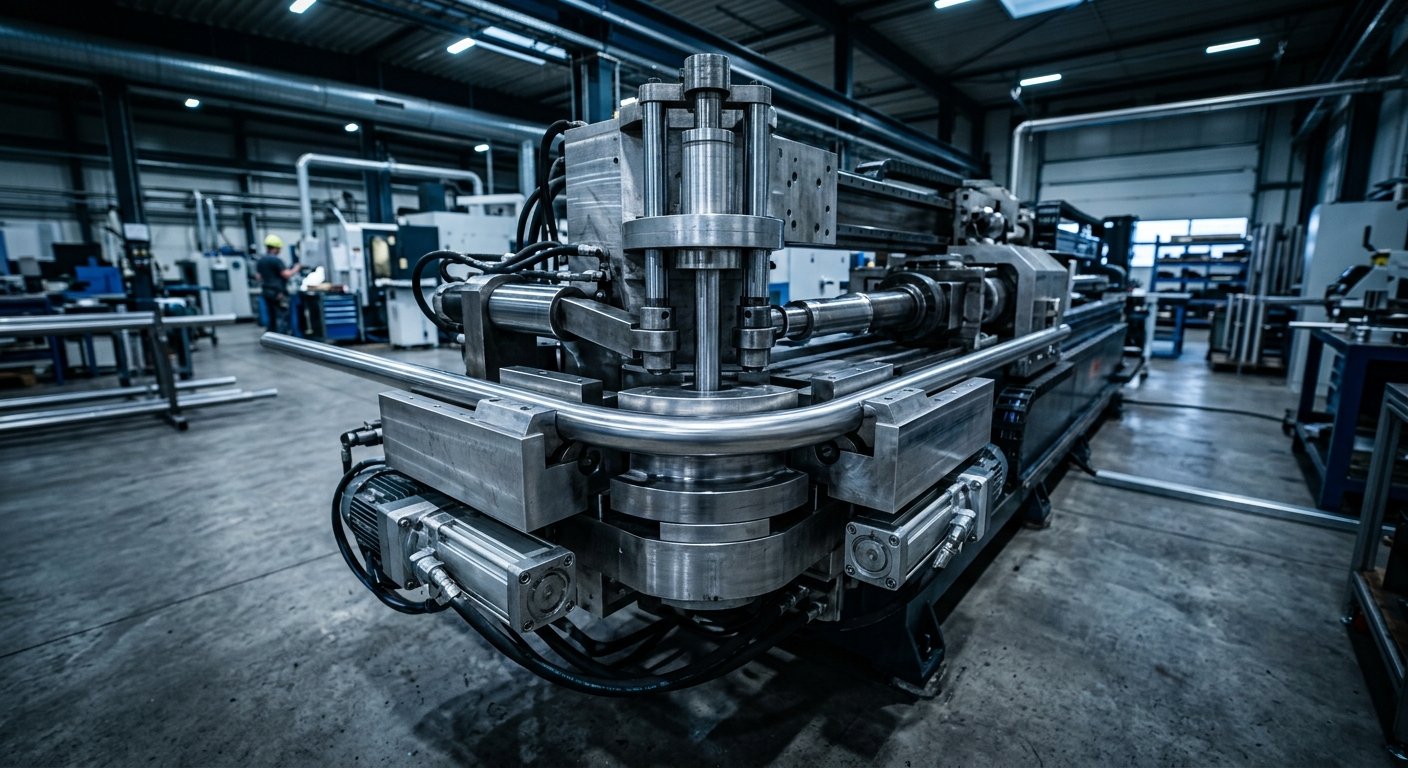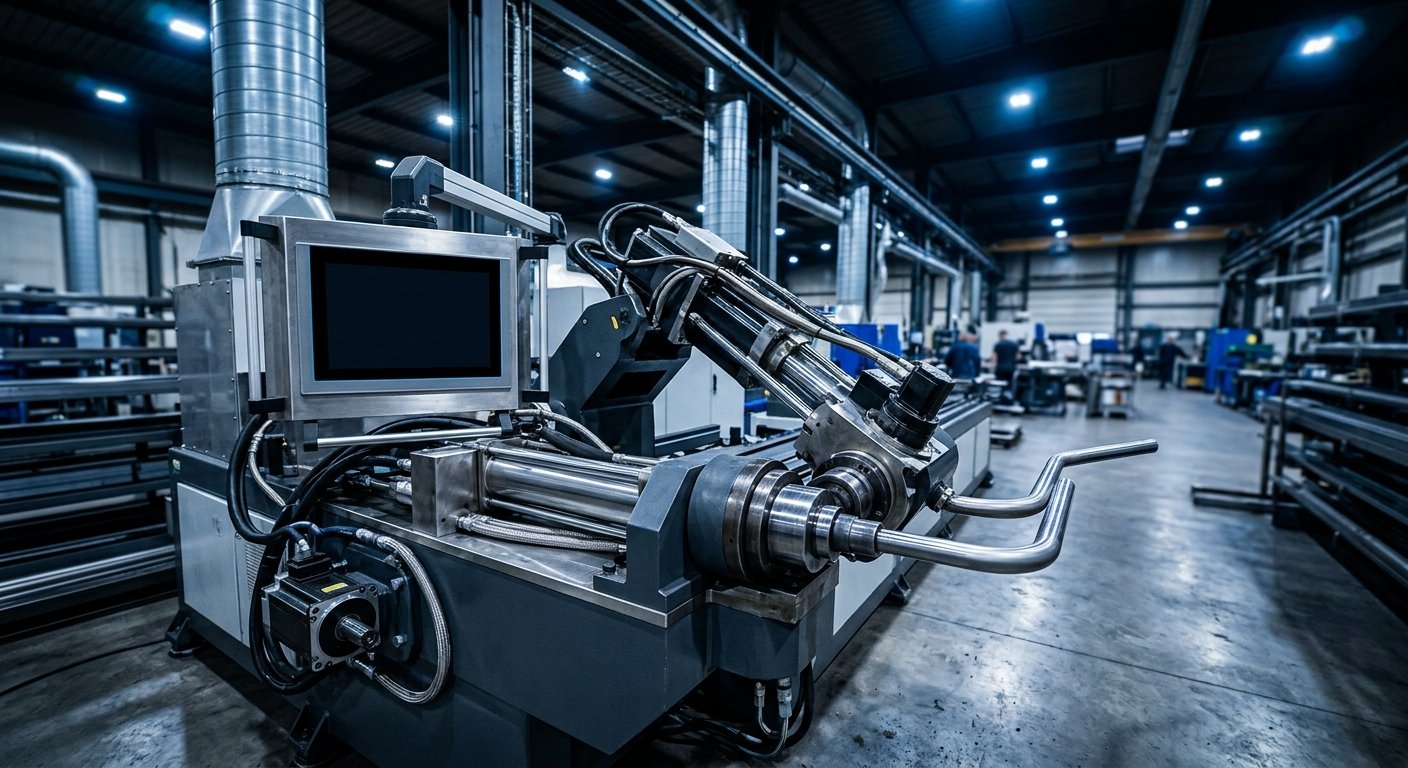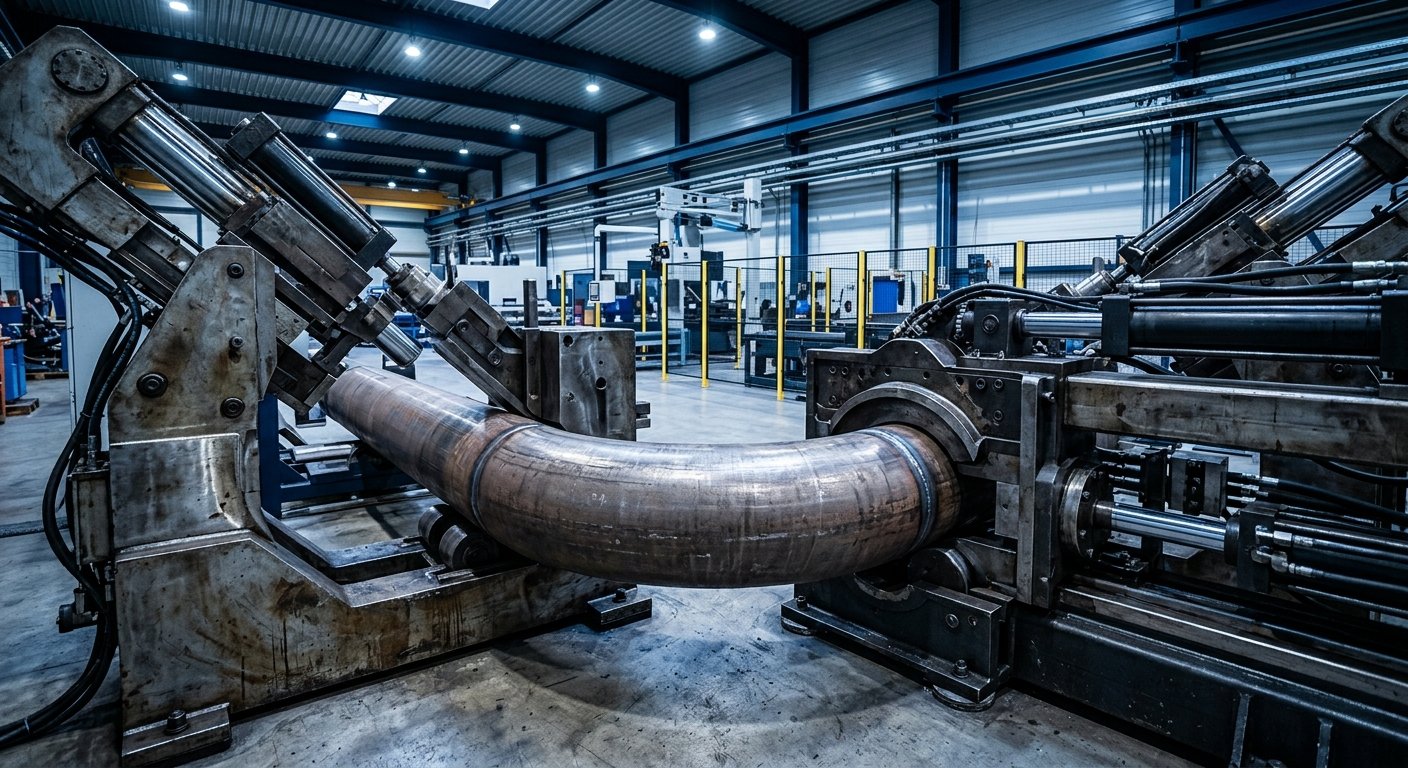
When a pipeline failure in a high-pressure oil and gas system isn’t an option, the bending process that shapes those pipes becomes critically important. Heavy wall pipe bending sits at the intersection of material science, machine capability, and process discipline—and getting it wrong has consequences that extend far beyond a scrapped workpiece. For engineers specifying bending equipment or planning production processes in 2026, understanding the techniques, tooling requirements, and best practices for heavy wall applications can mean the difference between a reliable system and a costly rework.
What Defines Heavy Wall Pipe?
Heavy wall pipe is generally characterized by a wall thickness-to-outside-diameter ratio (t/D) that creates significantly higher resistance to bending than standard pipe. In practical terms, this means wall thicknesses often exceeding 0.5 inches, though the classification varies by industry and specification. The American Society of Mechanical Engineers (ASME) publishes pipe and pressure vessel codes that define dimensional standards and service requirements relevant to heavy wall applications across oil and gas, petrochemical, and energy infrastructure.
Materials commonly processed include carbon steel, stainless steel, duplex stainless, chrome-moly alloys, and nickel-based alloys—each presenting unique challenges for precision tube bending. The combination of thick walls and high-strength materials demands equipment with substantial tonnage, rigid tooling, and process control that less demanding applications simply don’t require.
Core Challenges in Heavy Wall Pipe Bending
Springback and Overbend Calculations
Heavy wall materials exhibit pronounced springback—the elastic recovery that occurs after bending force is released. In thin-wall applications, a modest overbend correction may suffice. With heavy wall pipe, springback values can be substantial and vary significantly between material heats, making predictive calculation and machine repeatability essential. CNC tube benders with closed-loop feedback systems allow operators to program overbend compensation that adjusts automatically, reducing the trial-and-error iterations that consume time and material.
Wall Thinning and Ovalization
During any bend, the outer wall stretches while the inner wall compresses. In heavy wall applications, maintaining acceptable wall thinning percentages on the extrados and avoiding ovalization of the cross-section are critical quality metrics—especially for pressure-rated piping. ASME B31.3 Process Piping, for example, specifies limits on wall thinning that must be achieved consistently across a production run.
Wrinkling on the Intrados
Without proper internal support, the compressive forces on the inside of the bend can cause wrinkling, which is structurally unacceptable in pressure systems. This is one of the primary reasons mandrel bending machines are the standard solution for demanding heavy wall work.
Mandrel Bending: The Foundation of Heavy Wall Work
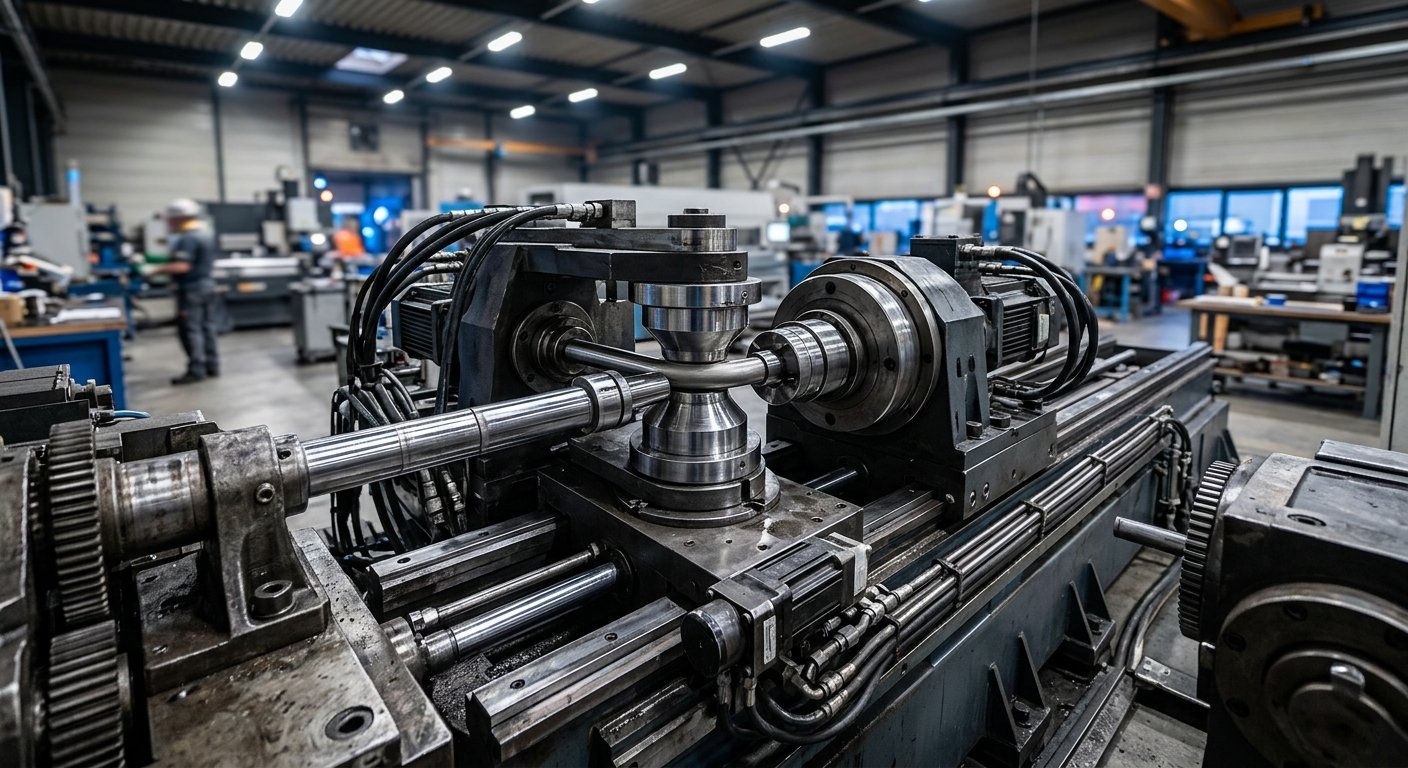
Mandrel bending is the technique of choice for heavy wall pipe bending in aerospace, oil and gas, petrochemical, and defense applications. A mandrel—inserted inside the pipe during the bending operation—provides internal support that prevents collapse and wrinkling while controlling ovalization. The mandrel geometry, ball count, and positioning relative to the bend tangent point must be precisely engineered for each application.
Key mandrel bending variables include:
- Mandrel type: Plug, ball, and linked-ball mandrels offer different levels of support; linked-ball designs are typically required for tighter bend radii in heavy wall material
- Mandrel nose position: Forward positioning provides more support but increases drag; the optimal position balances wrinkle prevention against surface finish requirements
- Wiper die geometry: Critical for preventing wrinkling on the intrados; must be matched precisely to the tube OD and wall thickness
- Clamp and pressure die loads: Must be sufficient to hold the pipe without causing surface damage, particularly important with coated or corrosion-resistant materials
For heavy wall applications, tooling is not a commodity item. Precision-ground tooling matched to material specifications and bend geometry is an investment that pays for itself in reduced scrap rates and consistent part quality. Explore Hines’ custom bending solutions for applications where standard tooling configurations don’t meet your requirements.
CNC Tube Benders and Process Control
The advancement of CNC tube benders has transformed heavy wall pipe bending from a craft-dependent process into a repeatable, documentable manufacturing operation. Modern industrial pipe benders with full CNC control manage every bend parameter—bend angle, rotation, linear feed, boost pressure, and mandrel retract timing—through programmable sequences that can be stored, recalled, and adjusted systematically.
For production environments, CNC control delivers:
- Consistent repeatability across long production runs with minimal operator-to-operator variation
- Data logging capabilities that support quality documentation requirements common in aerospace and defense procurement
- Multi-stack bending capability for complex assemblies with multiple bends in different planes
- Faster changeover through stored programs when processing families of similar parts
In 2026, the integration of tube bending technology with broader digital manufacturing frameworks—including quality management systems and production tracking—is increasingly standard in tier-one aerospace and energy suppliers. Equipment that supports data connectivity and documentation output isn’t a luxury; it’s a procurement requirement from major end-users.
Hines’ tube bending machines are engineered with the CNC control architecture and structural rigidity that heavy wall applications demand. With 50 years of expertise and a track record that includes supplying NASA and military organizations, the engineering behind these machines reflects the realities of the most demanding production environments in American industry.
Material-Specific Considerations
Chrome-Moly and High-Strength Alloys
Chrome-moly pipe (such as P91 and P22 grades common in power generation and petrochemical service) requires careful attention to post-bend heat treatment. The bending process introduces residual stresses and can affect the microstructure of heat-treated materials. Coordination between the bending operation and downstream heat treatment—stress relief or normalizing—is essential to meet final mechanical property specifications. Equipment selection should account for the higher bending forces these materials demand.
Duplex and Super-Duplex Stainless
Duplex stainless steels combine high strength with corrosion resistance, making them attractive for offshore oil and gas applications. However, their dual-phase microstructure is sensitive to excessive cold work. Minimum bend radii and forming limits must be respected to avoid compromising corrosion resistance—a consideration that makes precision machine control critical. The U.S. Department of Energy’s manufacturing resources provide context on advanced materials processing relevant to energy infrastructure applications.
Carbon Steel Heavy Wall
High-yield carbon steel pipe used in transmission and gathering systems requires careful springback management and attention to the pipe’s actual yield strength, which can vary from nominal values. Working from certified material test reports and establishing process parameters for each material heat is best practice in quality-conscious operations.
Best Practices for Heavy Wall Pipe Bending
Drawing from decades of application experience across oil and gas, petrochemical, and defense industries, the following practices consistently separate reliable heavy wall bending operations from problematic ones:
- Engineer the tooling to the application. Heavy wall work punishes generic tooling. Specify tooling based on actual material properties, wall thickness, and bend radius—not just nominal pipe size.
- Qualify the process before production. Run qualification bends with dimensional inspection and, where required, destructive testing to establish your process window before committing production material.
- Calibrate regularly. CNC systems are only as accurate as the mechanical systems they control. Scheduled calibration and preventive maintenance on industrial pipe benders prevents drift that compounds across a production run.
- Document everything. Material certifications, machine parameters, inspection results—documentation is increasingly required by end-users and regulatory frameworks for pressure system components.
- Invest in operator training. Even with full CNC automation, setup decisions and process monitoring require trained personnel. Comprehensive training programs reduce costly errors and accelerate proficiency on new equipment.
Hines provides comprehensive training and service support alongside equipment delivery—a recognition that machine capability is only realized through informed operation.
Equipment Selection for Heavy Wall Applications
Selecting the right industrial pipe bender for heavy wall work requires honest assessment of several factors: maximum wall thickness and OD in your material range, required bend radii, production volume, and whether you’re handling a consistent product family or diverse custom work. For high-volume production of consistent parts, a dedicated CNC mandrel bending machine optimized for your specific range delivers the lowest cost-per-part. For custom and job-shop environments, flexibility and quick changeover capability take priority.
Hines’ pipe bending machines span this range, with American-manufactured equipment designed for the structural demands of heavy wall industrial applications. Custom configurations are available for applications where standard catalog specifications don’t align with production requirements.
Frequently Asked Questions
What is the minimum bend radius achievable with heavy wall pipe?
Minimum achievable bend radius depends on material, wall thickness, and OD. As a general guideline, 1.5D bend radii are achievable with proper mandrel tooling for many heavy wall carbon and stainless steel applications, though tighter radii are possible with specialized tooling. Material properties—particularly yield strength and elongation—are the primary constraints.
When is mandrel bending required versus rotary draw bending without a mandrel?
Mandrel bending is required when wall thinning limits, ovalization tolerances, or wrinkle-free requirements cannot be met without internal support. For heavy wall pipe in pressure service (oil and gas, petrochemical, power generation), mandrel bending is generally the appropriate technique. Rotary draw without mandrel may be acceptable for thick-wall, large-radius bends where the D/t ratio provides sufficient self-support.
How does CNC control improve heavy wall bending quality?
CNC tube benders improve heavy wall bending quality by delivering precise, repeatable control over all bend parameters simultaneously, eliminating the manual variability that affects consistency. Stored programs reduce setup time and human error, while data logging supports quality documentation requirements increasingly demanded by aerospace and defense end-users.
What post-bend operations are typically required for heavy wall pipe?
Common post-bend operations include dimensional inspection against specification tolerances, visual inspection for surface defects, and for pressure-rated applications, potentially nondestructive examination. Heat treatment (stress relief or normalization) is required for certain alloy grades and may be mandated by applicable codes such as ASME B31.3 or B31.1.
Can heavy wall stainless steel pipe be bent cold?
Yes, heavy wall stainless steel is routinely bent cold using mandrel bending equipment with appropriate tooling and force capacity. Hot bending may be specified for particularly thick walls or tight radii, or where post-bend heat treatment requirements make warm forming advantageous. Material grade and end-use specifications determine the appropriate approach.
Partner With Precision Engineering Experience
Heavy wall pipe bending is an engineering discipline, not just a production task. The combination of right-sized equipment, precision tooling, process-qualified parameters, and trained operators determines whether your operation consistently meets dimensional and quality requirements—or absorbs expensive scrap and rework costs. Hines Bending Systems brings 50 years of American manufacturing expertise to these exact challenges, with custom solutions engineered for the most demanding applications across aerospace, oil and gas, petrochemical, energy, and defense industries.
Ready to discuss your heavy wall pipe bending requirements? Contact Hines Bending Systems to connect with engineers who understand your application and can specify the right solution.