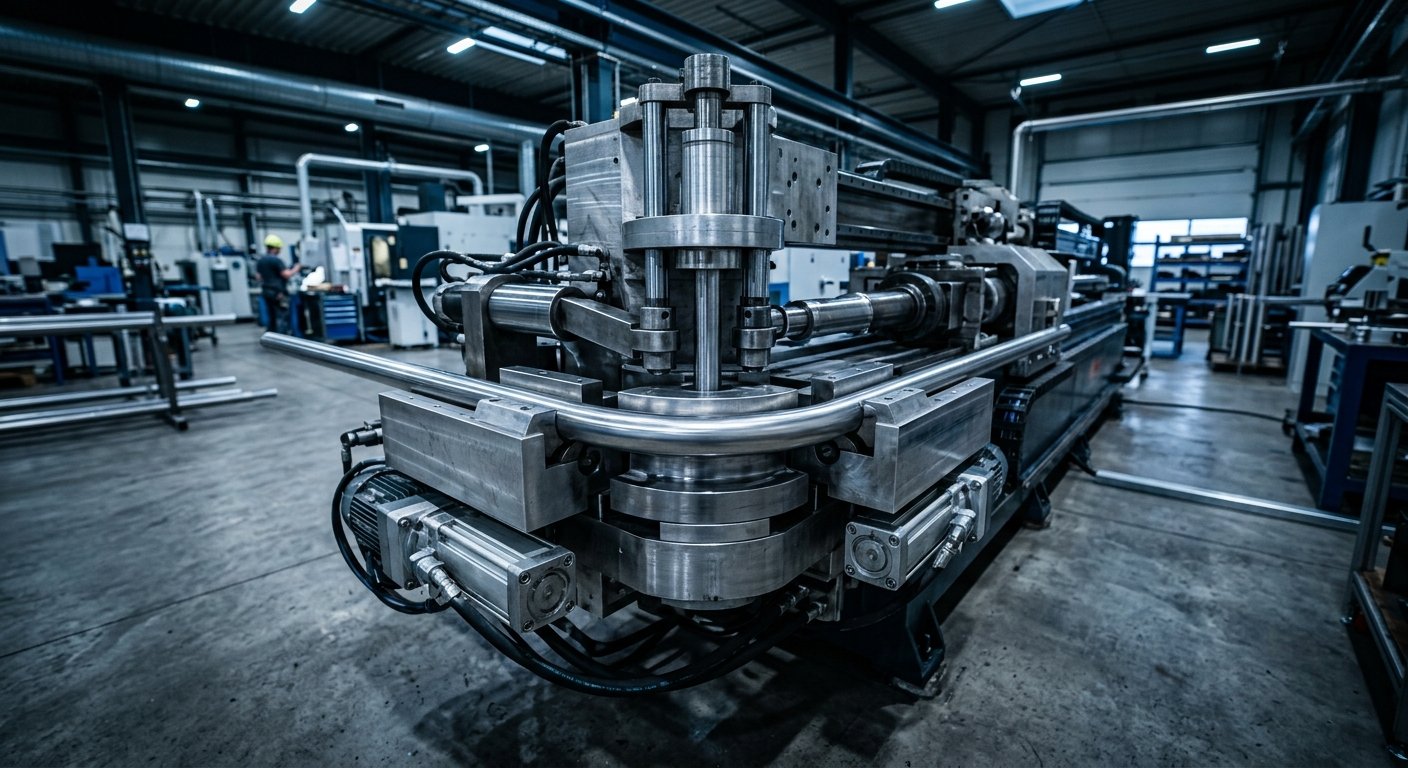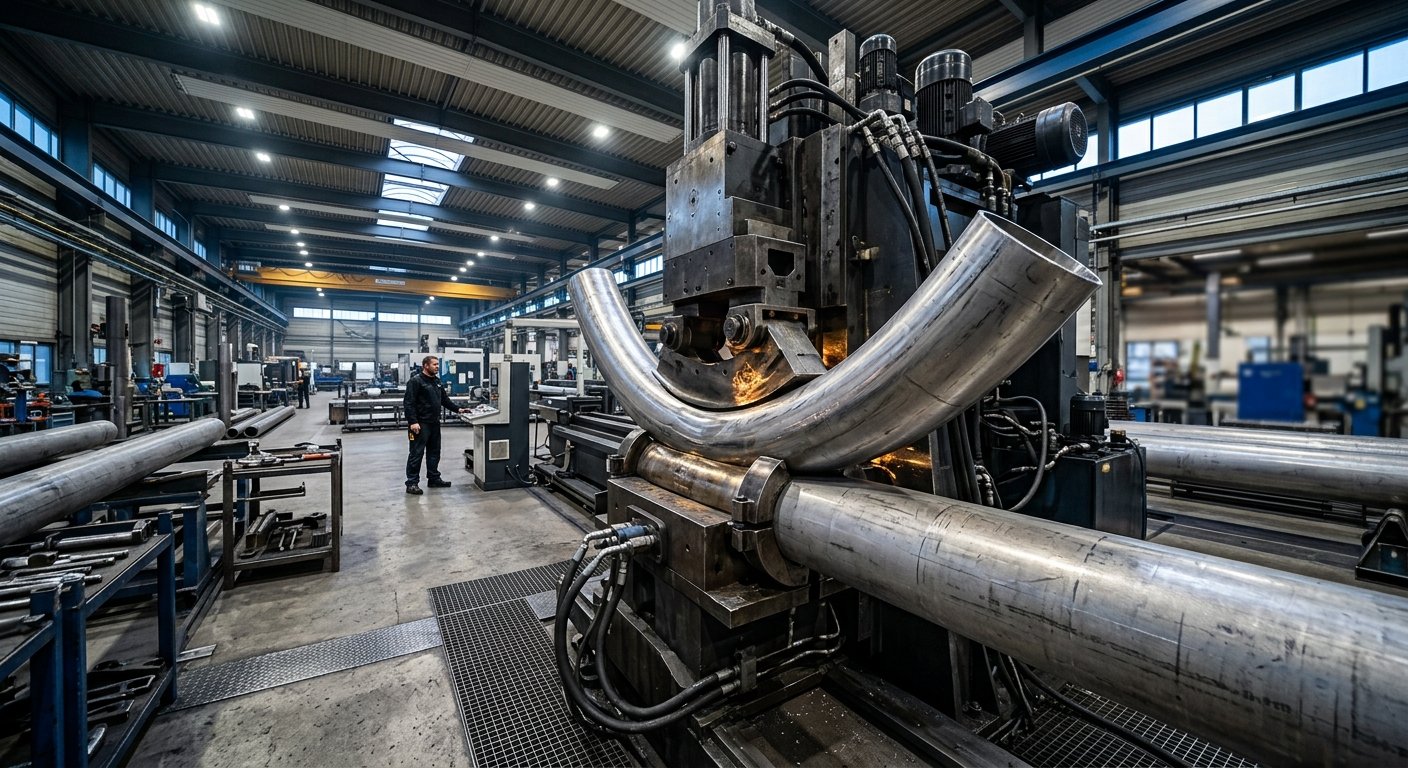
Specifying industrial pipe benders for petrochemical plants requires matching machine capability to process fluid demands, wall thickness, material hardness, and bend radius tolerances—before a single quote is issued. The right specification protects weld integrity downstream, minimizes thinning in high-pressure service lines, and keeps production schedules on track. This guide covers the criteria engineering and procurement teams must evaluate when selecting precision bending equipment for petrochemical service.
- Material grade, wall thickness, and bend radius determine machine tonnage and tooling requirements for petrochemical pipe.
- Mandrel bending is typically required for thin-wall or alloy pipe where ovality and thinning tolerances are tightest.
- CNC-controlled machines reduce setup time and improve repeatability across large production runs of identical spool configurations.
- ASME B31.3 process piping requirements directly shape bend quality criteria—your bender specification must reflect the code.
- Custom bending solutions are often necessary when exotic alloys, heavy wall schedules, or non-standard bend radii are involved.
Why Petrochemical Pipe Bending Is Its Own Discipline
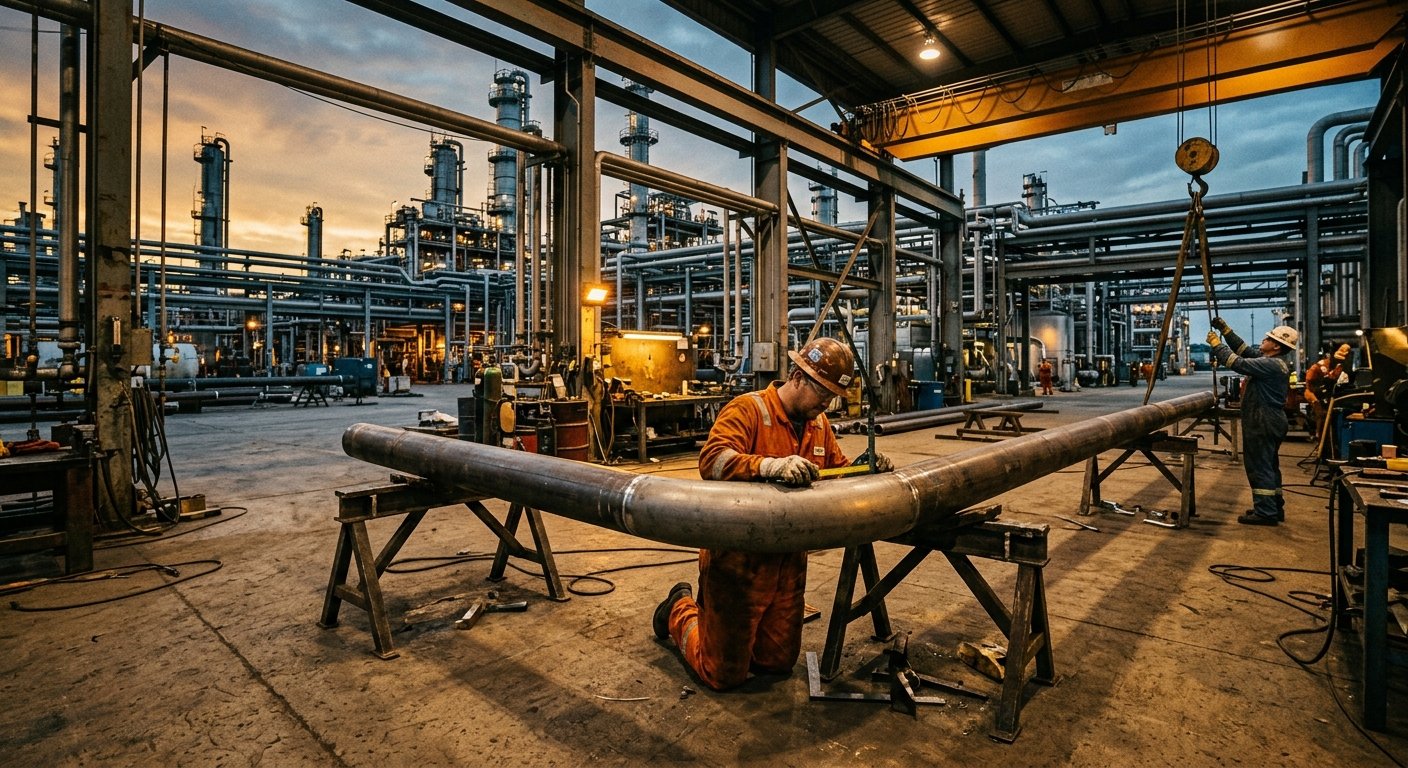
Petrochemical plants operate under process conditions that leave no margin for substandard fabrication. Piping systems carry hydrocarbons, caustic fluids, and high-pressure steam at temperatures ranging from cryogenic to several hundred degrees Fahrenheit. A bend that falls outside ovality tolerances or develops excessive wall thinning on the extrados is not a cosmetic defect—it is a potential failure point in a safety-critical system.
The governing standard for process piping in these facilities is ASME B31.3 Process Piping, which sets explicit limits on intrados wrinkling, extrados thinning, and ovality after bending. Specifying a pipe bender without referencing these limits is working backward. Machine selection must start with the code requirements and work outward to equipment capability.
ASME B31.3 requires that the finished wall thickness at any point in a bend shall not be less than the minimum required by the pressure design equations. This is not a guideline—it is a fabrication pass/fail criterion that drives tooling and machine selection from the start.
Key Variables That Drive Machine Specification
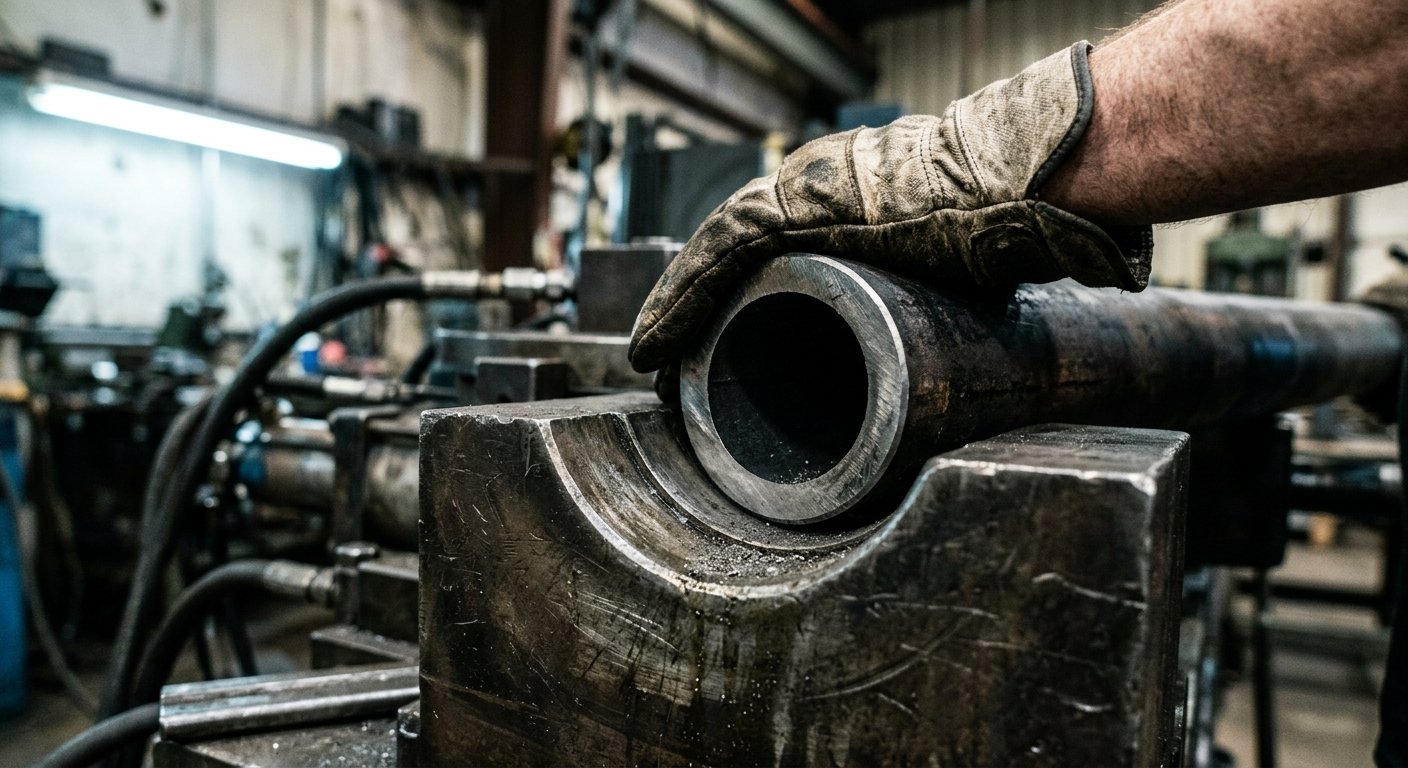
Pipe Schedule and Wall Thickness
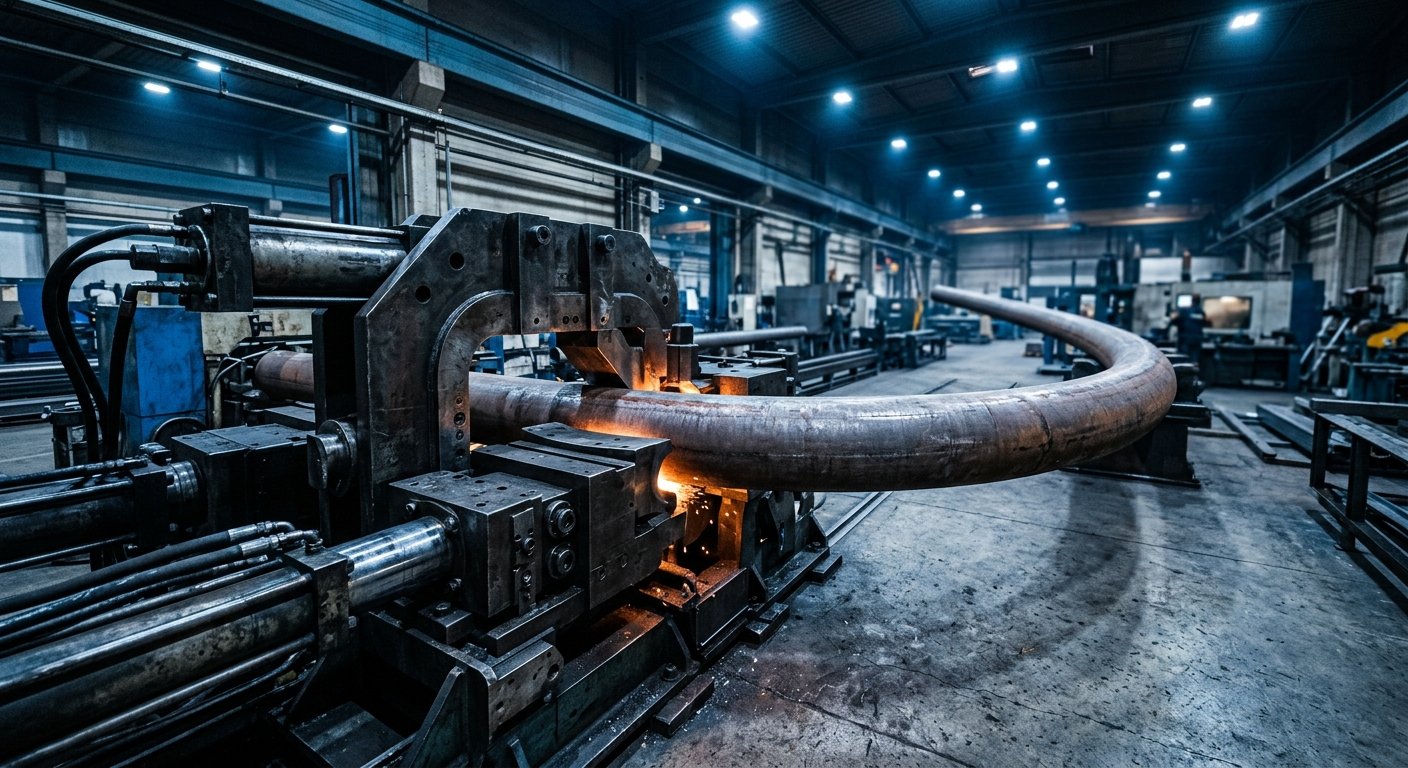
Heavy wall pipe bending is among the most demanding applications in industrial fabrication. Schedule 80, 120, 160, and XXH (double extra heavy) pipe require machines with substantially higher bending force than standard Schedule 40 work. The relationship between wall thickness and required clamp force is not linear—as wall thickness increases, springback also increases, meaning the machine must both form and overbend to achieve the specified angle after elastic recovery.
For heavy wall carbon steel, chrome-moly alloys (such as P91 and P22 commonly used in high-temperature petrochemical service), and duplex stainless grades, the bending machine must be sized for worst-case material yield strength, not nominal published values. Material heat lot variation is real, and a machine operating near its capacity limit has no reserve for harder-than-specified heats.
Bend Radius Requirements
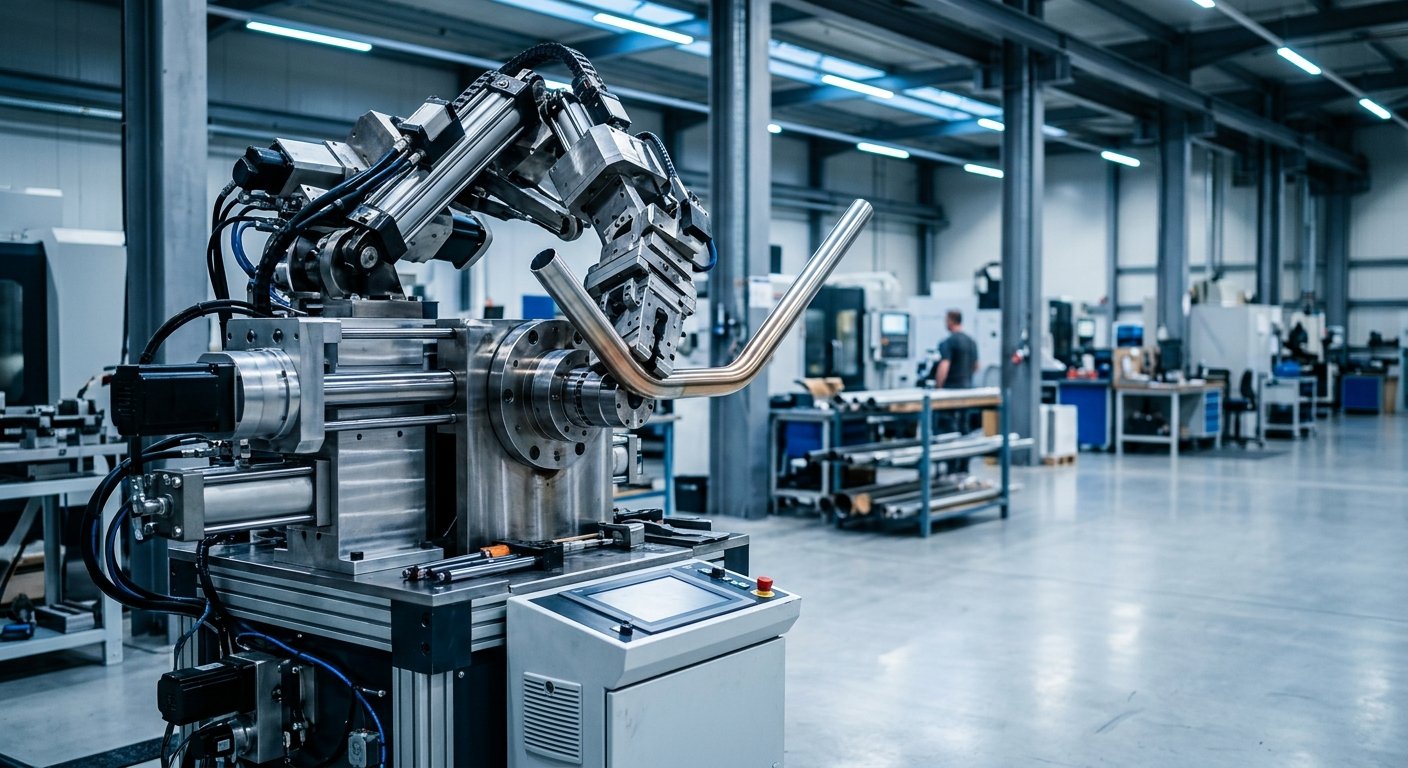
Petrochemical piping specifications frequently call for 1.5D to 3D centerline bend radii to minimize pressure drop and ease inspection access. Tighter radii demand more aggressive tooling—wiper dies, pressure dies, and in most cases a mandrel. Mandrel selection (ball, plug, or linked-ball) depends on the D/t ratio of the pipe. The lower the D/t ratio (thicker wall relative to diameter), the less mandrel support is typically needed. For thin-wall or high-alloy pipe, a segmented ball mandrel is often essential to prevent collapse at the intrados.
| Bend Radius | Mandrel Requirement | Typical Petrochemical Application |
|---|---|---|
| 1.0D (tight) | Linked-ball mandrel required | Instrument tubing, small-bore alloy lines |
| 1.5D | Ball or linked-ball mandrel | Process headers, alloy spool fabrication |
| 3.0D | Plug mandrel or no mandrel | Carbon steel utility piping, large-bore lines |
| 5.0D+ | Typically mandrel-free | Low-pressure condensate, cooling water |
Material Grade and Alloy Considerations
Petrochemical service environments drive the use of materials well beyond standard carbon steel. Duplex and super-duplex stainless steels, Inconel, Hastelloy, and titanium alloys each behave differently under bending loads. High-nickel alloys in particular exhibit significant springback and work-hardening during the bend cycle. A machine specified only for carbon steel will underperform or fail on these materials without appropriate tooling upgrades and force capacity reserves.
Chrome-moly alloys like P91 used in high-temperature steam and hydrogen service require careful attention to pre-heat and post-bend heat treatment requirements per AWS and ASME Section IX welding and fabrication standards—but the bending machine specification itself must also account for the elevated yield strength of these grades at room temperature during the bending operation.
CNC vs. Hydraulic: Choosing the Right Control Architecture
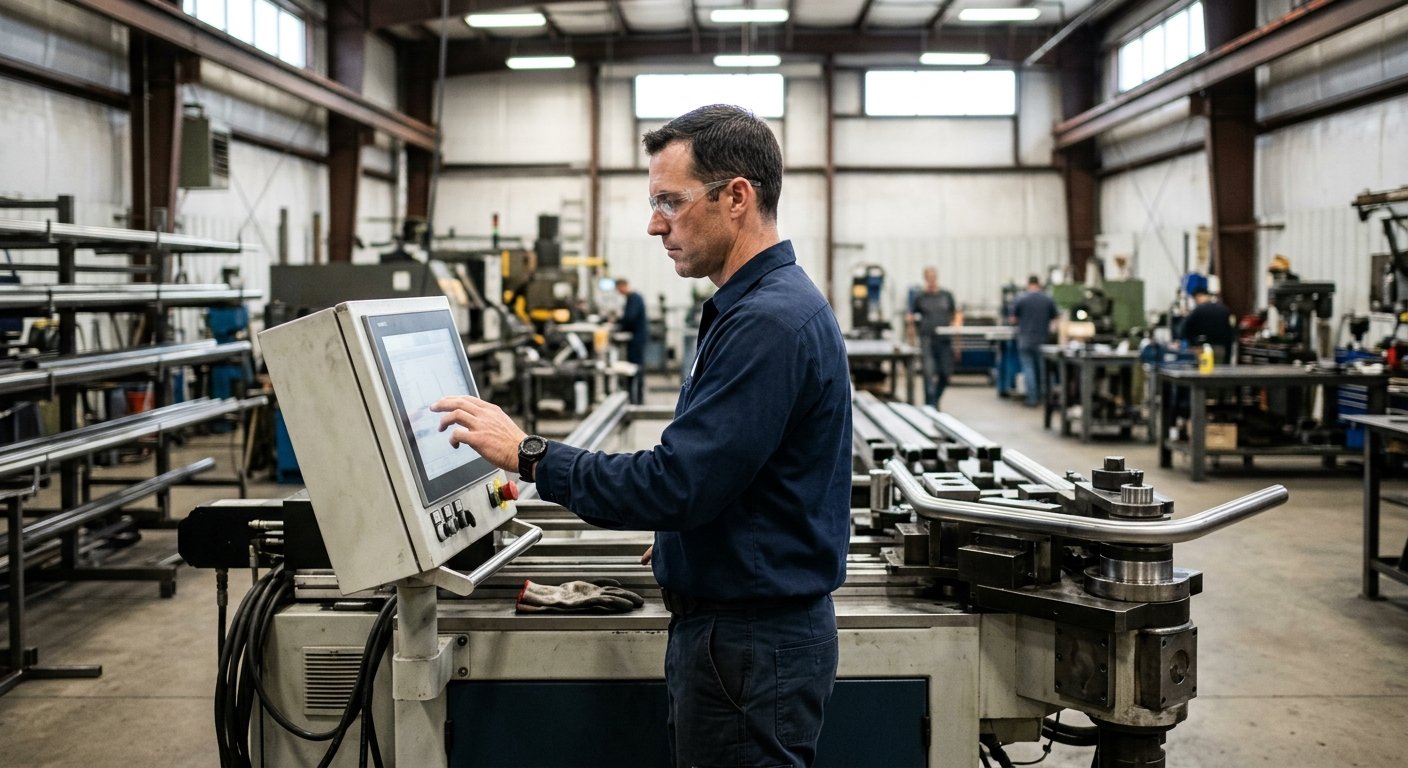
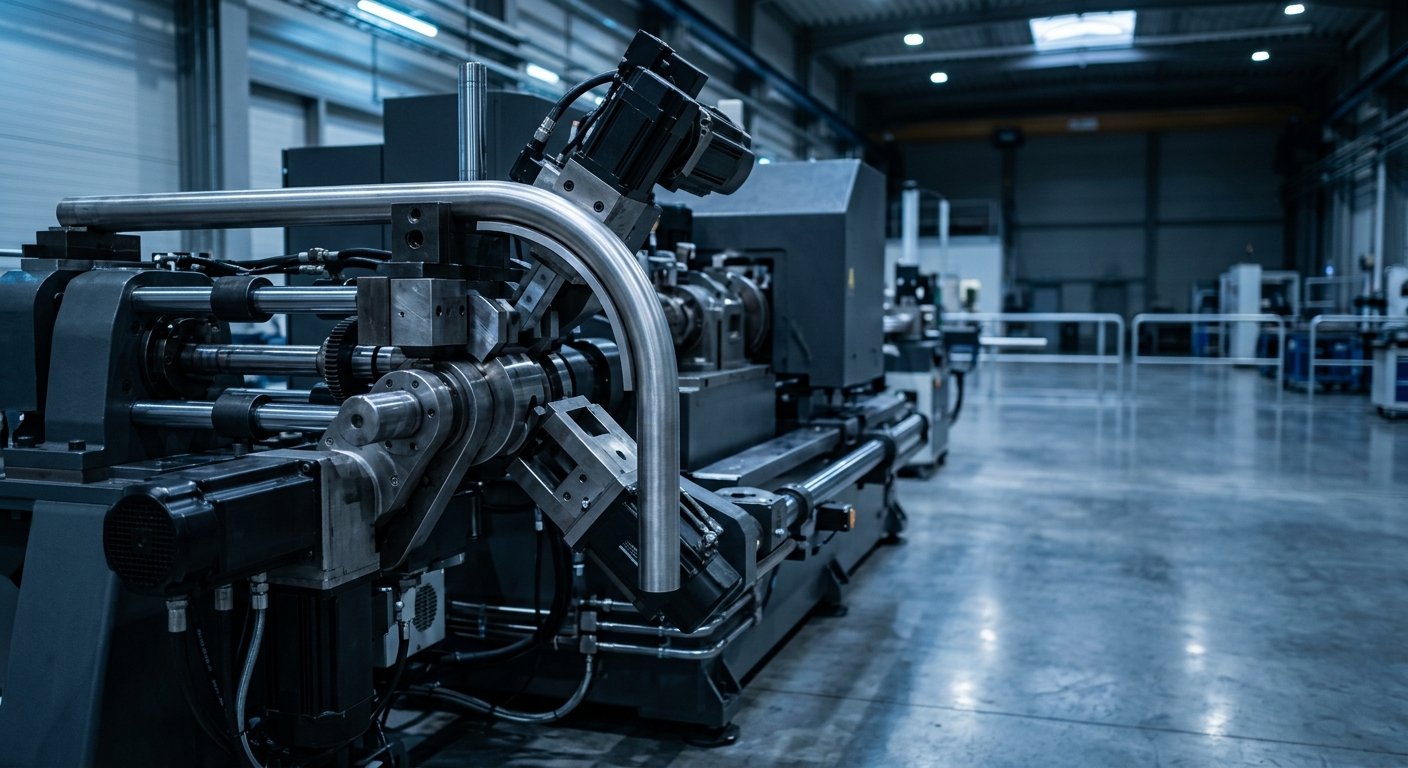
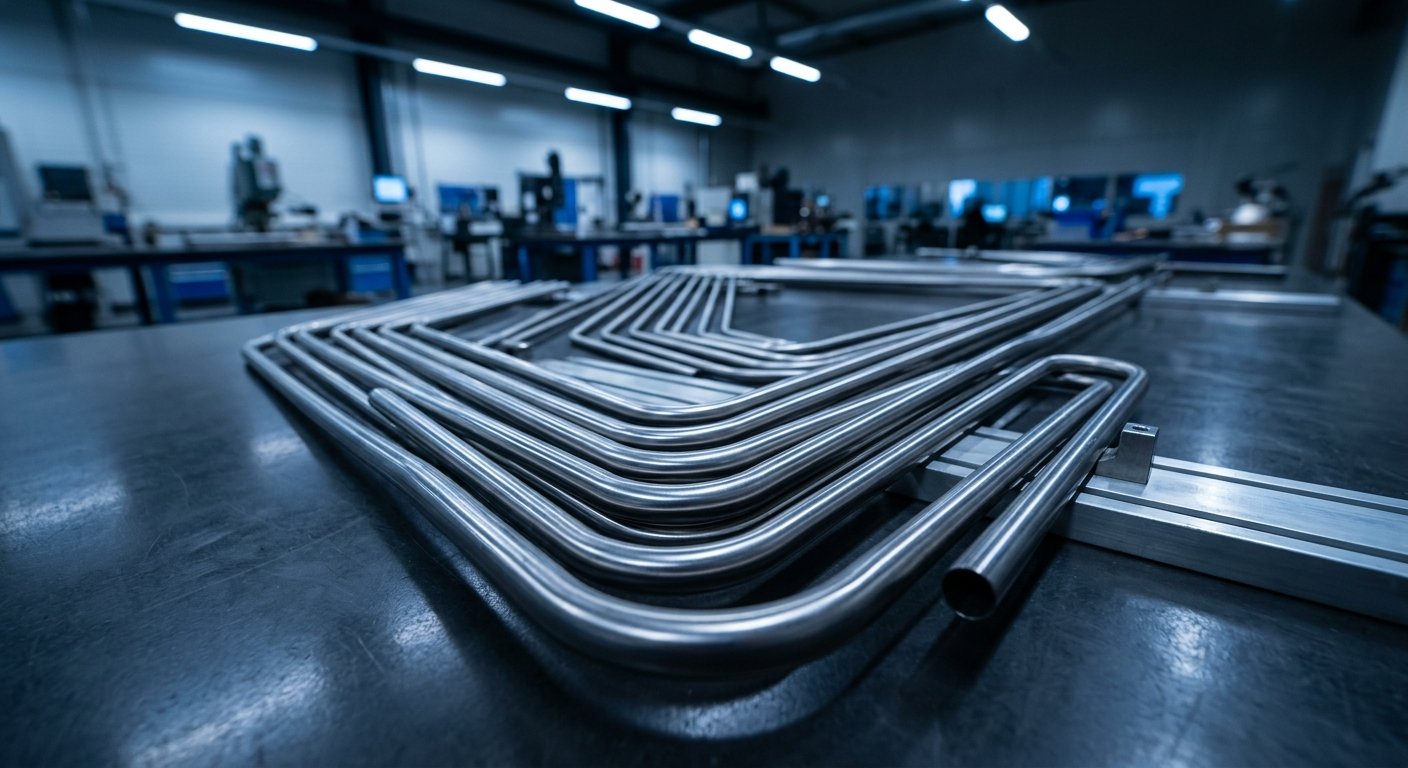
For petrochemical spool fabrication involving repeating configurations—common in modular plant construction and turnaround replacement projects—CNC-controlled precision tube bending and pipe bending machines deliver measurable advantages. Once a bend program is qualified and validated against a first-article inspection, subsequent parts can be produced with high angular and length repeatability without manual re-setup.
Hydraulic benders with manual or semi-automatic control remain appropriate for job-shop environments handling highly varied work, one-off replacement spools, or projects where the investment in CNC programming time is not justified by production volume. The decision is not about which technology is “better”—it is about matching control architecture to production workflow.
The right specification is not the most capable machine on the market—it is the machine that matches your production volume, material mix, and quality requirements without over-engineering the solution.
When specifying a CNC pipe bender for petrochemical spool work, confirm that the control system can store and recall full multi-bend programs with boost pressure settings, mandrel retract timing, and wiper die positions as part of the saved recipe. Manual re-entry of these parameters between runs is a source of both error and lost production time.
Tooling: The Specification Element Most Often Underspecified
The bending machine itself is only part of the system. Tooling—bend dies, clamp dies, pressure dies, wiper dies, and mandrels—must be specified simultaneously and to the same engineering rigor. Tooling that is worn, mismatched in radius, or manufactured to loose tolerances transfers those errors directly into the finished bend.
For petrochemical applications, tooling should be specified in hardened steel appropriate to the material being bent. Bending chrome-moly or duplex stainless with tooling designed for mild steel will result in accelerated tooling wear and degraded bend quality. Custom bending solutions that include matched, application-specific tooling packages are the correct approach for demanding alloy work rather than adapting standard tooling from another application.
Hines Bending Systems, with 50 years of precision bending expertise and a track record that includes supplying equipment trusted by NASA and military organizations, designs tooling systems as an integrated part of the bending solution—not as an afterthought. American-manufactured to the application, not to a catalog.
Production Rate and Footprint Considerations
Petrochemical fabrication shops often operate under turnaround schedules where delivery of completed spool assemblies is on the critical path. Machine throughput—measured in bends per hour at the required quality level—must be part of the specification. A mandrel bender requiring 20 minutes of manual setup per bend is not compatible with a production schedule calling for 50 unique bends per shift.
Floor space, overhead clearance for long pipe sections, and material handling integration also belong in the specification. Large-diameter pipe in longer stock lengths requires adequate space on both the feed and exit sides of the bending machine, plus appropriate support to prevent the pipe from deflecting under its own weight during the bend cycle. These are not installation details to sort out after purchase—they drive machine selection.
Explore Hines Bending’s full range of pipe bending machines and tube bending machines to understand the capability range available for petrochemical applications. For operations with budget constraints, the used pipe benders inventory offers qualified equipment for less capital-intensive programs.
Frequently Asked Questions
What pipe sizes do petrochemical bending machines typically handle?
Industrial pipe benders for petrochemical service commonly range from ½-inch to 24-inch nominal pipe size, though larger-diameter machines exist for specialized applications. Machine selection is determined by the largest and heaviest wall pipe in the project scope, sized with capacity reserve for alloy materials that exhibit higher yield strength than standard carbon steel.
Is mandrel bending always required for petrochemical pipe?
Not always. Mandrel bending is required when the pipe D/t ratio is low enough that the pipe wall cannot support itself through the bend without deforming. Heavy wall, large-diameter pipe often bends without a mandrel, while thin-wall alloy tubing almost always requires one. The specific requirement is determined by the D/t ratio, bend radius, and material yield characteristics.
How does ASME B31.3 affect pipe bender specification?
ASME B31.3 sets maximum allowable ovality and minimum remaining wall thickness for bends in process piping systems. These limits define the quality target your bending machine and tooling must consistently achieve. A machine that cannot hold angular tolerances and produce bends within B31.3 thinning limits is not code-compliant regardless of its rated capacity.
What is the difference between CNC and hydraulic pipe benders for this application?
CNC pipe benders store complete multi-bend programs and reproduce them with high repeatability, making them ideal for production runs of identical or near-identical spool configurations. Hydraulic machines with manual or semi-automatic controls are better suited for highly varied, low-volume, or one-off work where programming time cannot be amortized across multiple identical parts.
Should tooling be specified at the same time as the machine?
Yes, always. Tooling and machine must be matched to the same application parameters—pipe size, wall schedule, bend radius, and material grade. Specifying the machine and treating tooling as a separate purchase decision frequently results in mismatched systems that underperform or produce out-of-tolerance bends. Custom bending solutions include tooling as an integrated part of the system design.
Get the Right Pipe Bender Specified for Your Plant
Tell us your pipe sizes, wall schedules, alloy grades, and production volume—Hines Bending Systems will work with your engineering team to develop a complete, application-specific bending solution built on 50 years of proven expertise.

About Hines Bending Systems
Hines Bending Systems is a leading American manufacturer of precision tube and pipe bending equipment serving aerospace, energy, oil & gas, petrochemical, and defense industries. With 50 years of proven expertise and a track record of supplying NASA and military clients, Hines delivers custom bending solutions for demanding applications ranging from high-volume production to specialized one-off projects. The company combines deep technical knowledge with comprehensive support including training and service, positioning itself as a partner in customer success rather than just an equipment supplier. Visit hinesbending.com →