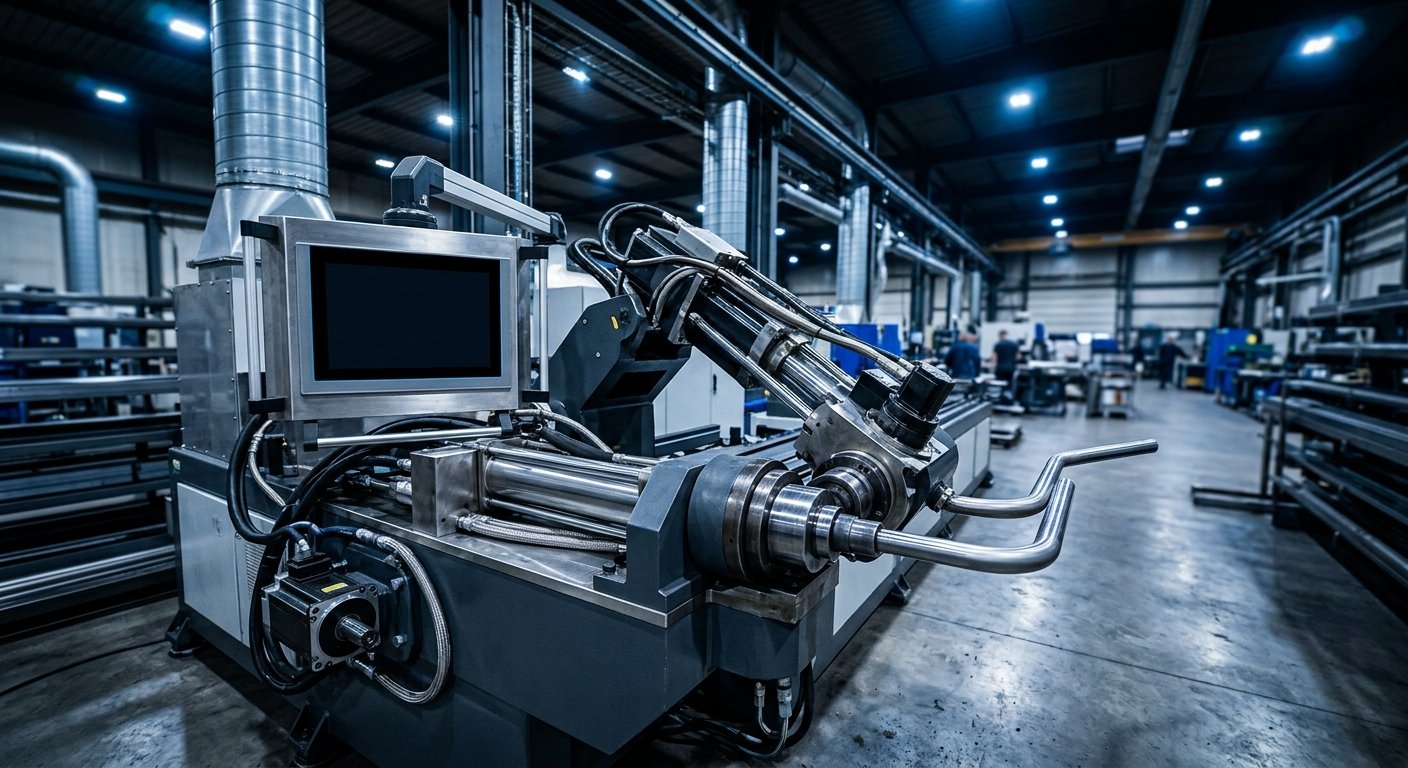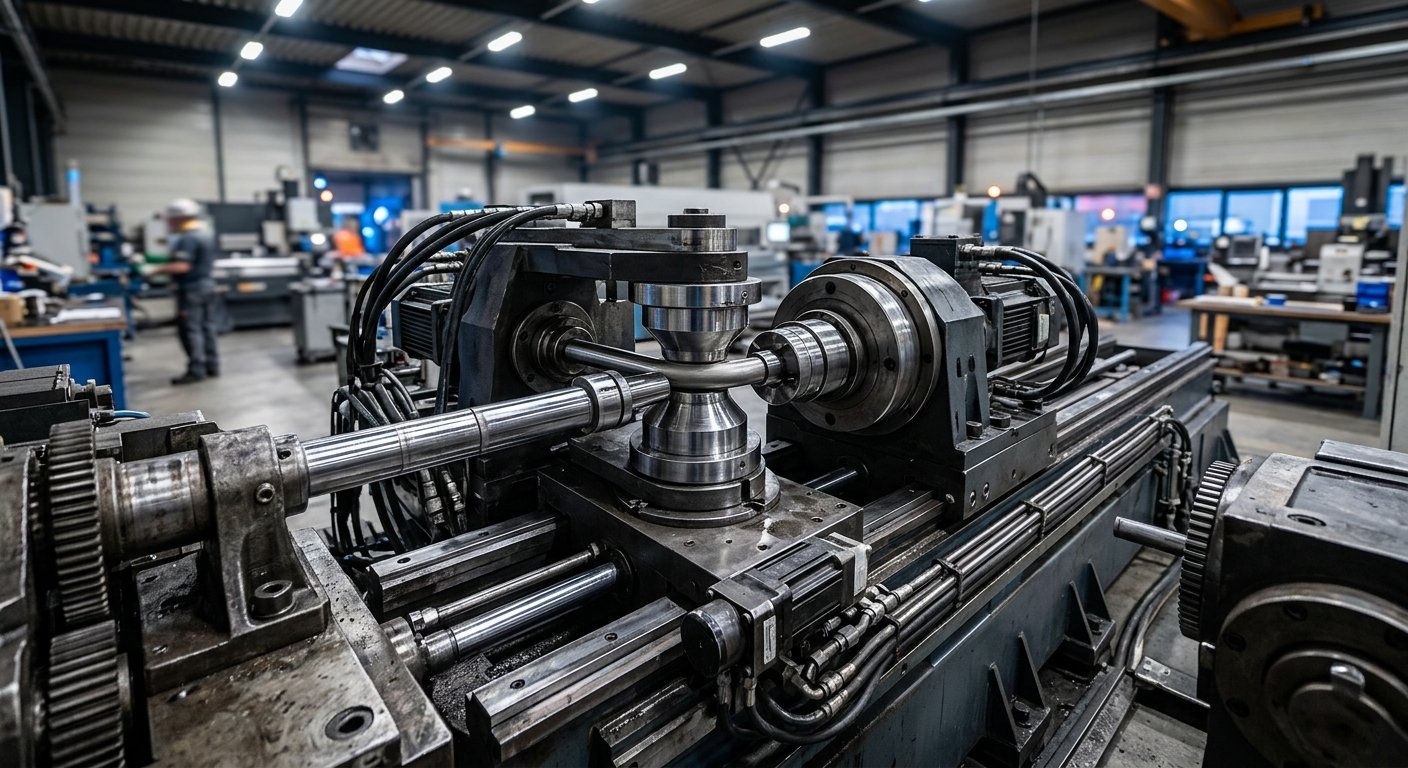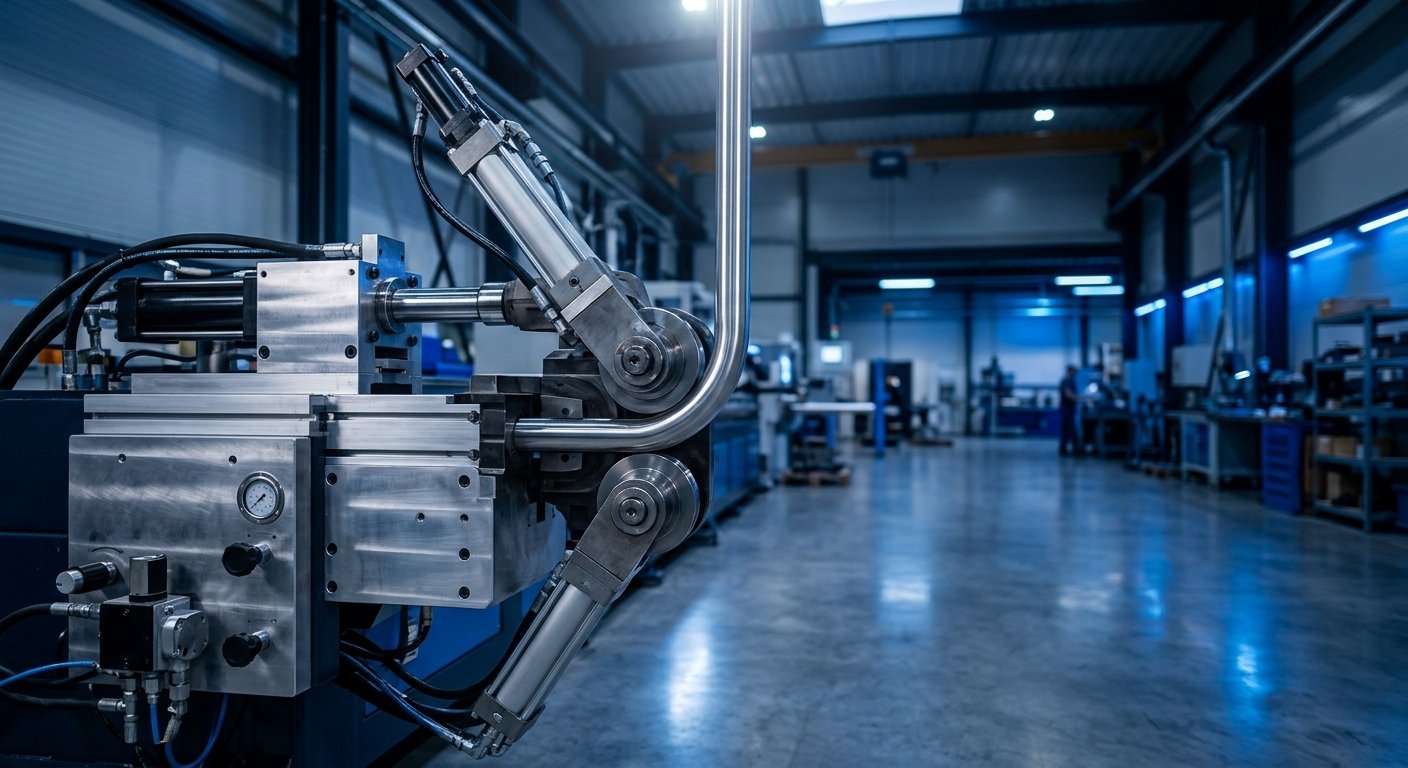
Procurement mistakes in precision bending equipment are expensive — not just at purchase, but across the entire service life of the machine. A misrepresented dealer, an unauthorized reseller, or a distributor with no application expertise can cost an aerospace program or oil & gas project far more in downtime, rework, and replacement parts than the original equipment price tag. With industrial tube bending machine sales growing across defense, energy, and petrochemical sectors in 2026, the market has become crowded with distributors of varying credentials.
This guide gives engineering managers, procurement specialists, and production planners a systematic framework for vetting any tube bending machine dealer before a purchase decision is made.
Why Dealer Authorization Matters in 2026
The term “authorized” carries legal and technical weight. An authorized tube bender dealer has a formal, documented relationship with the equipment manufacturer — one that typically includes product training, access to genuine replacement parts, technical support channels, and accountability structures that protect the end user.
Unauthorized resellers may offer lower-quoted prices, but they frequently cannot provide:
- OEM-certified replacement parts
- Factory-supported calibration and commissioning
- Accurate technical specifications for application matching
- Warranty coverage backed by the original manufacturer
- Access to manufacturer engineering support for custom tooling or process development
For industries with strict quality standards — such as aerospace applications governed by FAA manufacturing guidelines or energy systems subject to ASME pressure vessel codes — equipment provenance and verified performance matter at every level of the supply chain.
Step 1: Verify the Authorization Relationship Directly
The first and most important step is to contact the equipment manufacturer directly and confirm that the dealer or tube bending equipment distributor in question holds a current, active authorization. Do not rely solely on the dealer’s own marketing claims or website badges.
Ask the manufacturer specifically:
- Is this dealer authorized to sell your full product line or only select models?
- Is their authorization current, or has it lapsed?
- Are they authorized to provide warranty service, or only sales?
- Do they have trained service technicians certified by the manufacturer?
This single call or email can eliminate a significant portion of questionable distributors from consideration immediately.
Step 2: Assess Application-Specific Technical Expertise
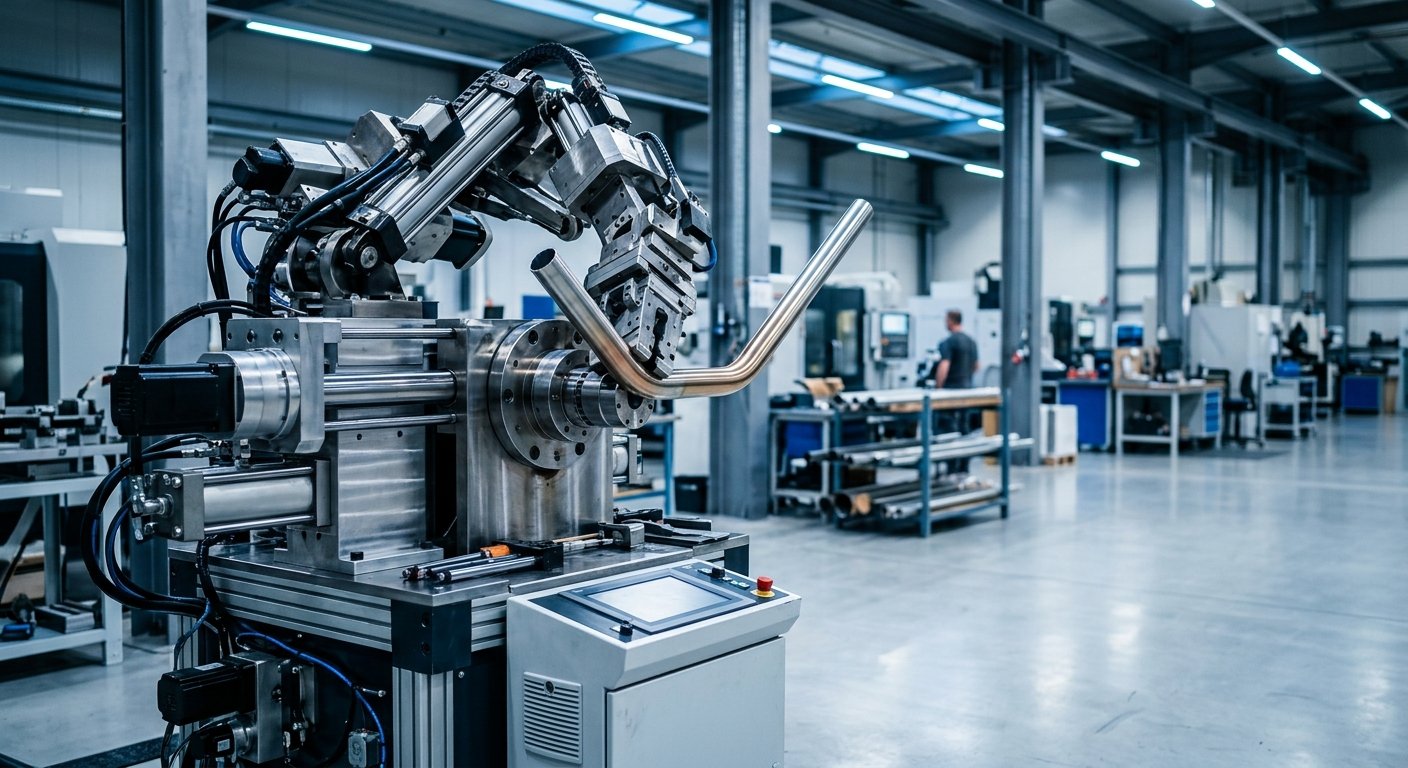
Authorization confirms a legal relationship. It does not automatically confirm competence. A qualified CNC tube bender dealer should be able to hold a detailed technical conversation about your specific application — not just the machine specifications on a spec sheet.
Test the dealer’s depth by asking application-specific questions relevant to your industry:
For Aerospace Applications
Aerospace tube bending demands tight tolerances, traceability, and material knowledge across alloys like titanium, Inconel, and 300-series stainless. An aerospace tube bending machine dealer should understand mandrel selection for thin-wall tubing, springback compensation for high-strength alloys, and how machine capabilities map to AS9100 quality system requirements. If a dealer cannot discuss these specifics, escalate to the manufacturer directly. Hines Bending’s aerospace tube bending resource provides a benchmark for the level of application knowledge that should be expected.
For Oil & Gas and Petrochemical Applications
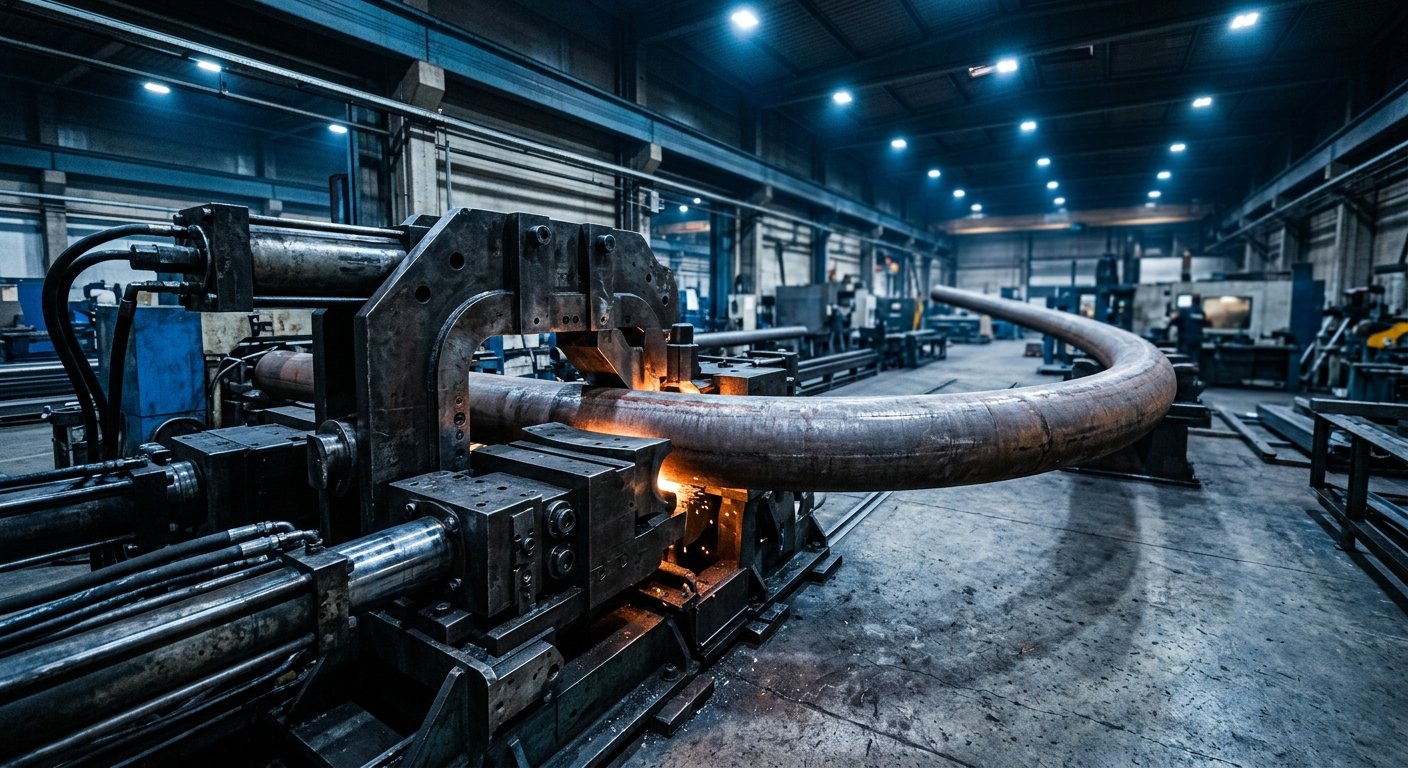
Pipe bending in oil & gas environments involves large-diameter pipe, heavy wall thicknesses, and material grades governed by API standards. A mandrel tube bending equipment dealer serving this sector should understand induction bending vs. cold bending trade-offs, minimum bend radii for various pipe schedules, and how to match machine capacity to your maximum OD and wall thickness requirements.
For Defense and Energy Applications
Defense procurement introduces additional compliance layers. A dealer serving defense customers should be familiar with Defense Federal Acquisition Regulation Supplement (DFARS) material sourcing requirements and traceability documentation expectations.
Step 3: Evaluate Service and Support Infrastructure
Precision tube bending equipment is capital equipment — purchases that are expected to perform reliably for years, often decades. The post-sale support structure of any NC tube bender dealer or CNC distributor is as important as the machine itself.
During vetting, ask the following service-related questions:
- Do they employ factory-trained service technicians? In-house technicians certified by the manufacturer provide faster, more reliable support than third-party contractors with general machine tool knowledge.
- What is their parts availability and lead time? Ask specifically about critical wear components like mandrel rods, wiper dies, and bend dies. Vague answers here are a warning sign.
- Do they offer installation, commissioning, and operator training? A reputable industrial tube bending machine sales partner should provide structured training that covers both operation and basic maintenance.
- What does their warranty support process look like? Understand whether warranty claims are handled locally or routed back to the manufacturer, and what response time commitments exist.
Hines Bending, for example, provides comprehensive training and service support as a standard part of the customer relationship — not an optional add-on — because equipment performance depends as much on operator knowledge as machine quality.
Step 4: Review Reference Customers and Proven Installations
Any credible precision tube bender sales operation should be able to provide verifiable references from customers in your industry or with comparable application requirements. Ask for:
- Customer references in aerospace, energy, petrochemical, or defense — whichever matches your application
- Examples of custom tooling or non-standard configuration projects they have supported
- Documentation of machine installations at established facilities
Dealers who hesitate to provide references or offer only vague testimonials warrant additional scrutiny. Equipment suppliers with genuine track records are typically proud to share them. Hines Bending’s history of supplying NASA and military clients is a concrete example of the credential standard that separates proven manufacturers and their authorized partners from the broader market.
Step 5: Confirm Genuine Parts and Tooling Access
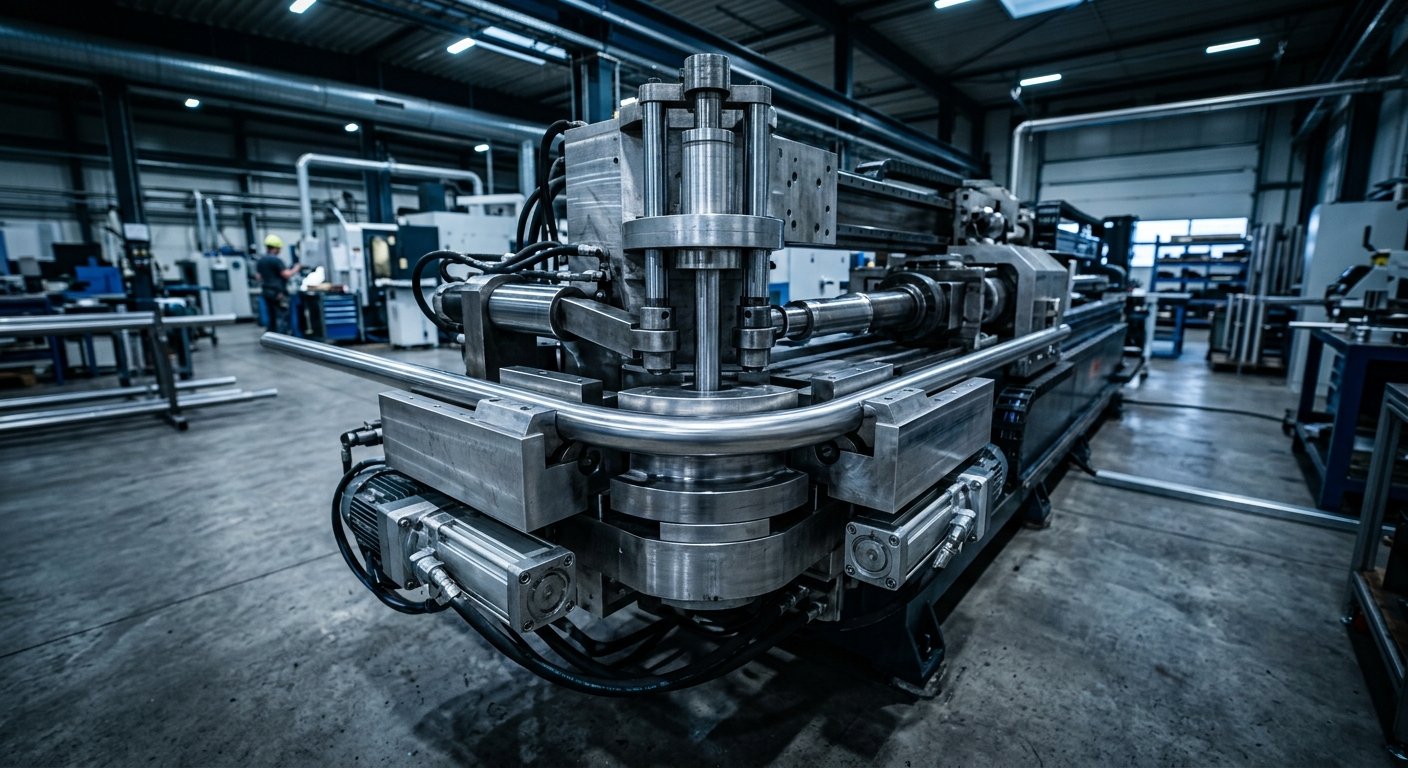
One of the most significant risks of purchasing through an unauthorized tube bending machine distributor is the downstream exposure to counterfeit or incompatible tooling and replacement parts. This is particularly acute in CNC tube bending, where tooling geometry — bend dies, clamp dies, pressure dies, mandrel assemblies — must be precisely matched to both the machine and the tube specification.
Verify that the dealer can supply OEM tooling and that their tooling design process involves proper engineering review. For custom applications, confirm whether tooling is designed in-house, by the manufacturer, or outsourced — and to whom. According to NIST’s advanced manufacturing resources, dimensional accuracy in tooling is a primary driver of final part quality in precision metal forming operations.
Step 6: Evaluate the Dealer’s Long-Term Stability
Capital equipment relationships extend for years. A dealer who is financially unstable or likely to exit the market creates serious risk for ongoing parts, service, and support. During vetting:
- Assess how long they have been selling and servicing the specific brand
- Ask about their current service technician headcount and capacity
- Inquire whether they stock demonstration or loaner equipment, which indicates genuine business investment
- Review their physical facilities — a dealer with no service infrastructure is primarily a transaction processor, not a support partner
Red Flags That Should Disqualify a Dealer
During any vetting process, watch for these disqualifying signals:
- Inability to provide written manufacturer authorization documentation
- Vague or inconsistent technical answers about machine specifications
- No factory-trained service personnel on staff
- Unwillingness to provide customer references
- Pressure tactics around pricing or delivery without substantive technical discussion
- Inability to support custom tooling development for non-standard applications
Frequently Asked Questions
What is the difference between an authorized dealer and a reseller for tube bending equipment?
An authorized dealer has a formal, documented agreement with the equipment manufacturer that typically includes product training, access to genuine OEM parts, warranty support authority, and technical support resources. A reseller may move equipment without this relationship, limiting their ability to provide warranty service, certified parts, or manufacturer-backed technical support.
How do I verify that a CNC tube bender dealer is truly authorized?
Contact the manufacturer directly and ask them to confirm the dealer’s current authorization status, the scope of that authorization (full line vs. select products), and whether the dealer is certified to perform warranty service. Do not rely solely on dealer-provided documentation without independent confirmation from the manufacturer.
Why does dealer authorization matter for aerospace or defense tube bending equipment purchases?
Aerospace and defense programs require traceability and quality documentation at every supply chain level. An unauthorized dealer may not be able to provide the OEM documentation, calibration records, or parts traceability required for AS9100 or DFARS compliance. Equipment provenance directly affects program compliance.
What should I ask about service support when vetting a mandrel tube bending equipment dealer?
Ask whether they employ factory-trained service technicians, what their parts stocking and lead time commitments look like for critical wear components, whether they offer on-site commissioning and operator training, and how warranty claims are processed — locally or through the manufacturer.
Does buying direct from the manufacturer eliminate these concerns?
Purchasing directly from a manufacturer like Hines Bending Systems addresses authorization concerns by definition, since the manufacturer controls the entire sales, service, and support process. For custom or demanding applications in aerospace, oil & gas, or defense, working directly with the manufacturer often provides the most direct access to engineering expertise and application-specific solution development.
Work With a Manufacturer You Can Verify
The most straightforward way to avoid dealer vetting risk is to work directly with an American manufacturer whose credentials are publicly established. Hines Bending Systems has built 50 years of precision tube and pipe bending expertise, supplying NASA, military organizations, and demanding industrial clients across aerospace, energy, and petrochemical sectors. Every solution is engineered and manufactured in the United States.
Explore our full range of tube bending machines and pipe bending machines, or contact Hines Bending directly to discuss your application requirements with engineers who have the experience to match the right solution to your specific production demands.