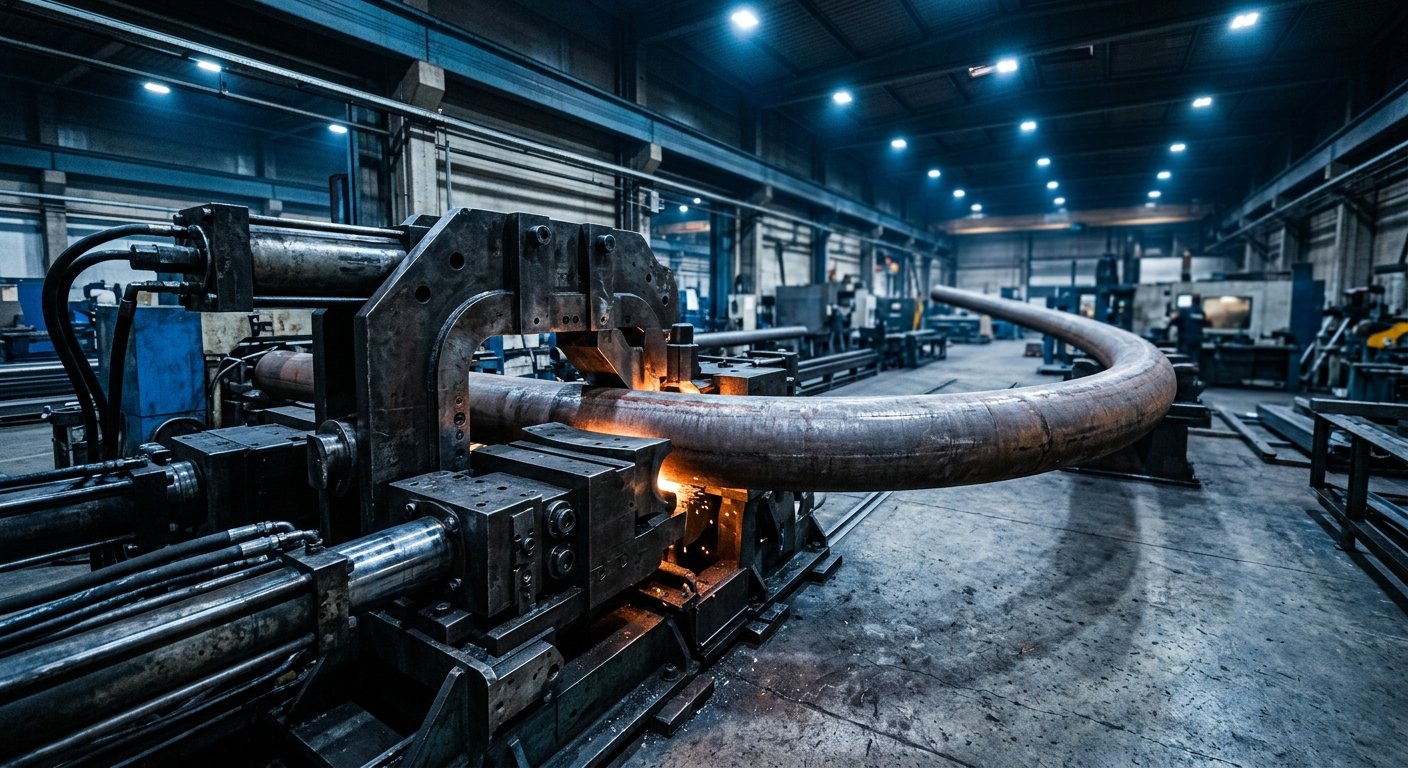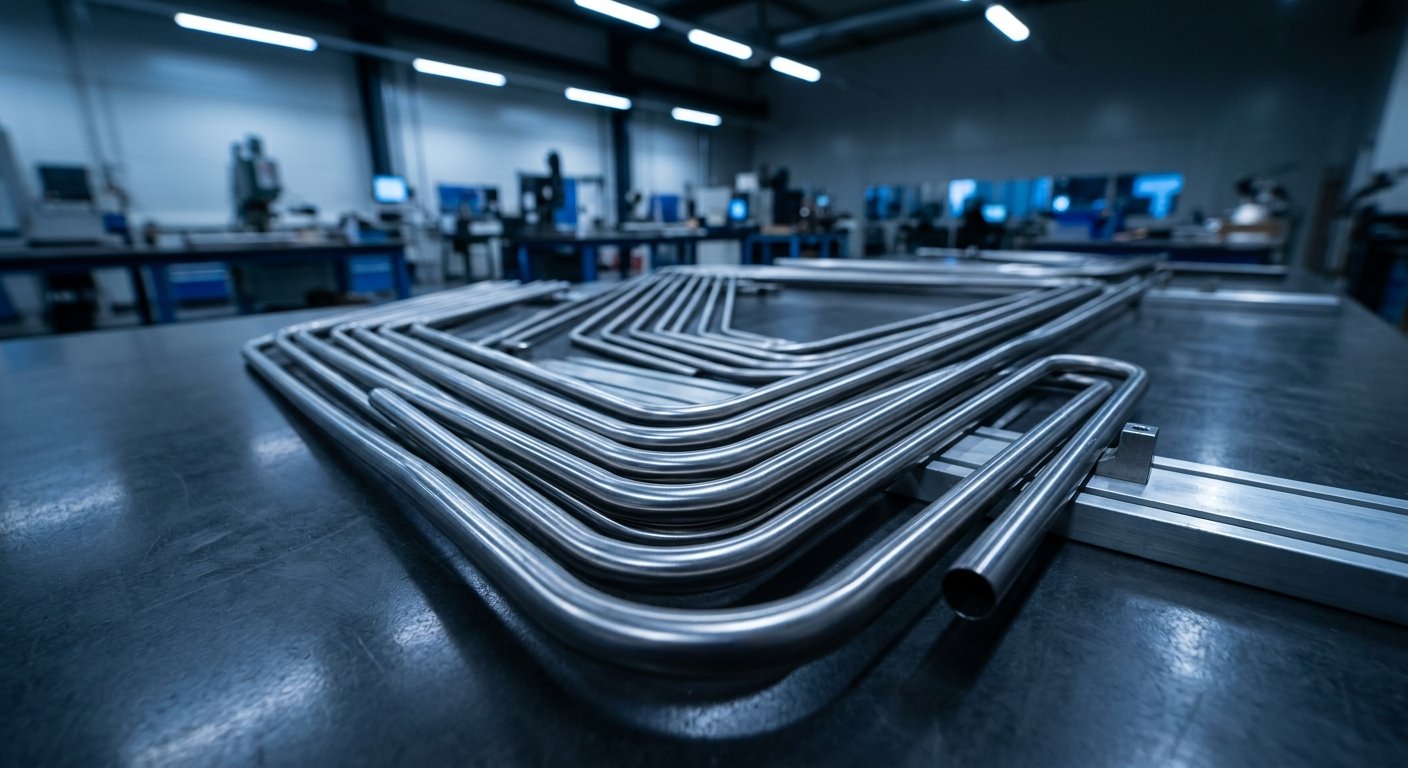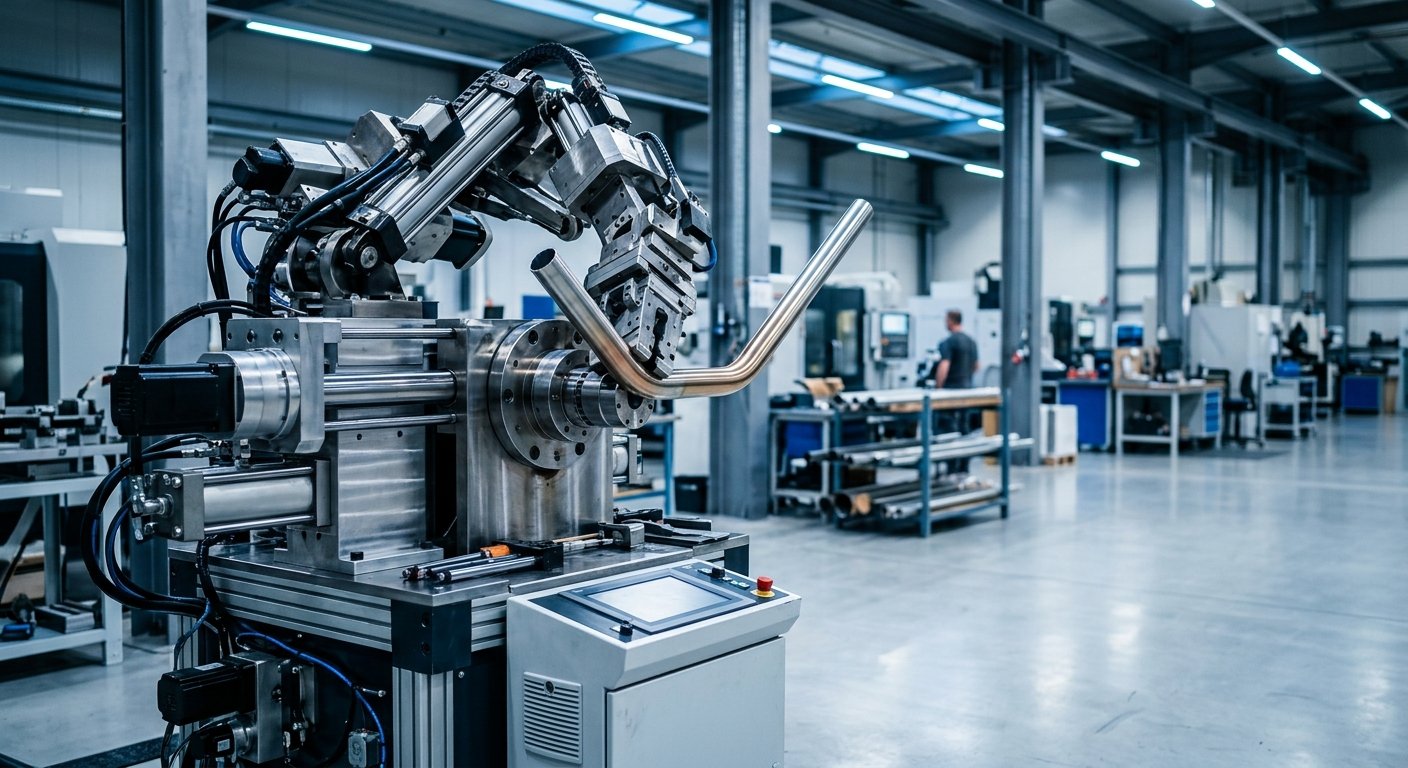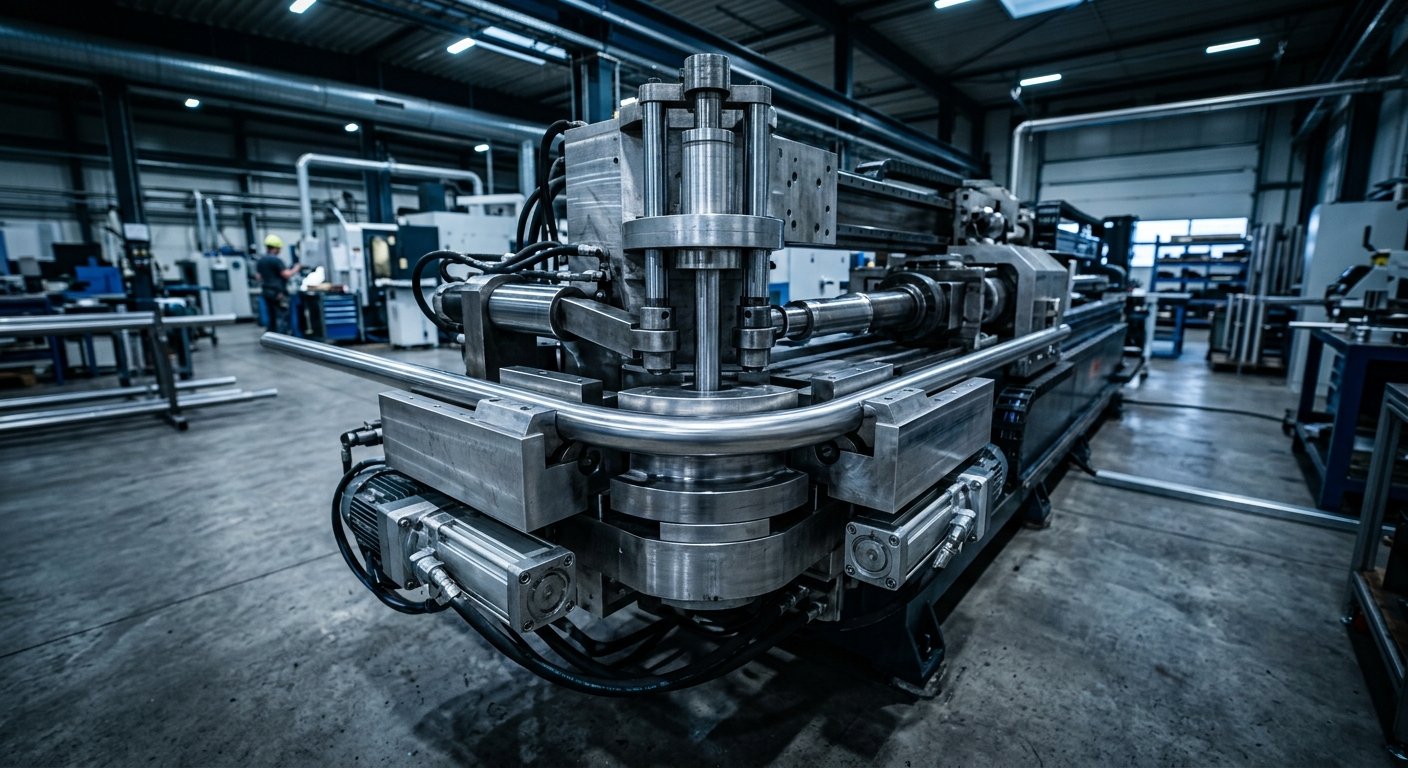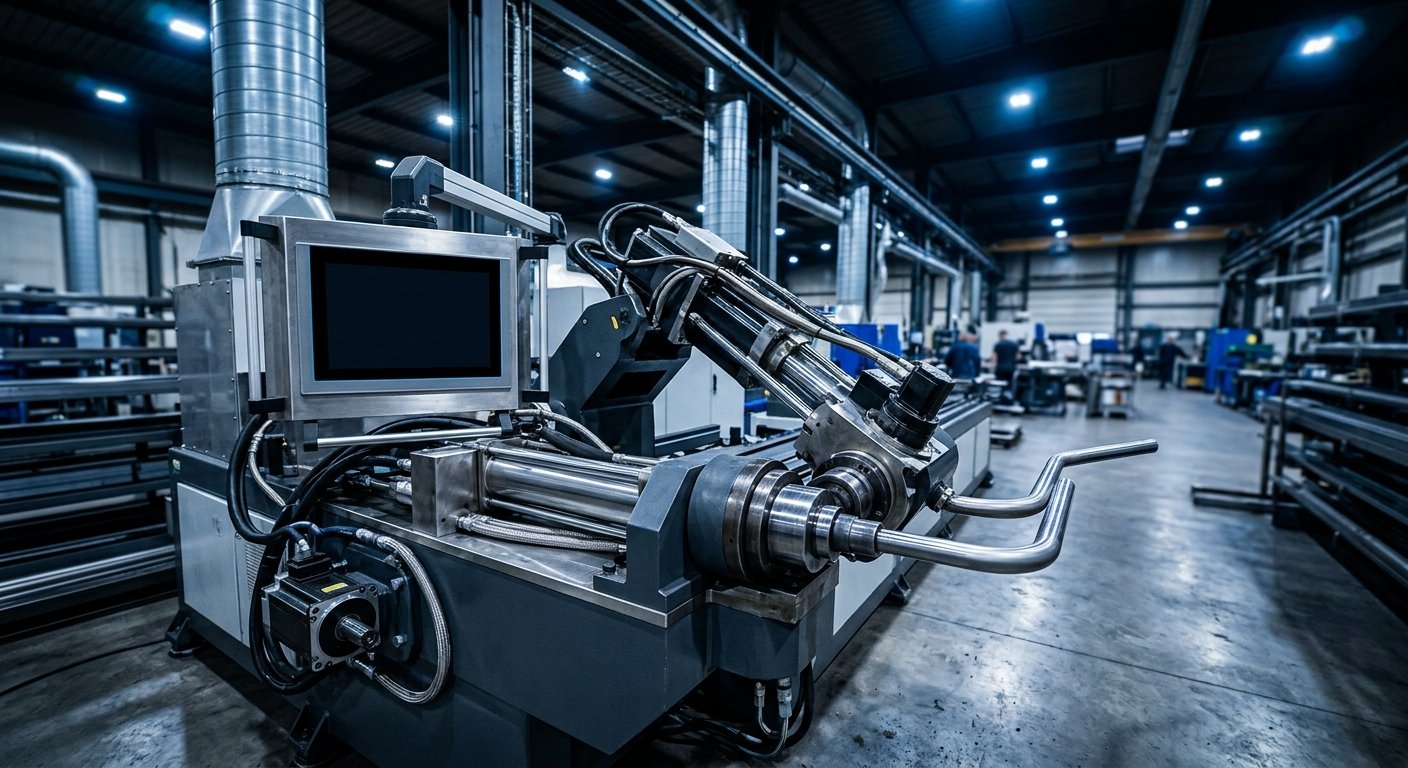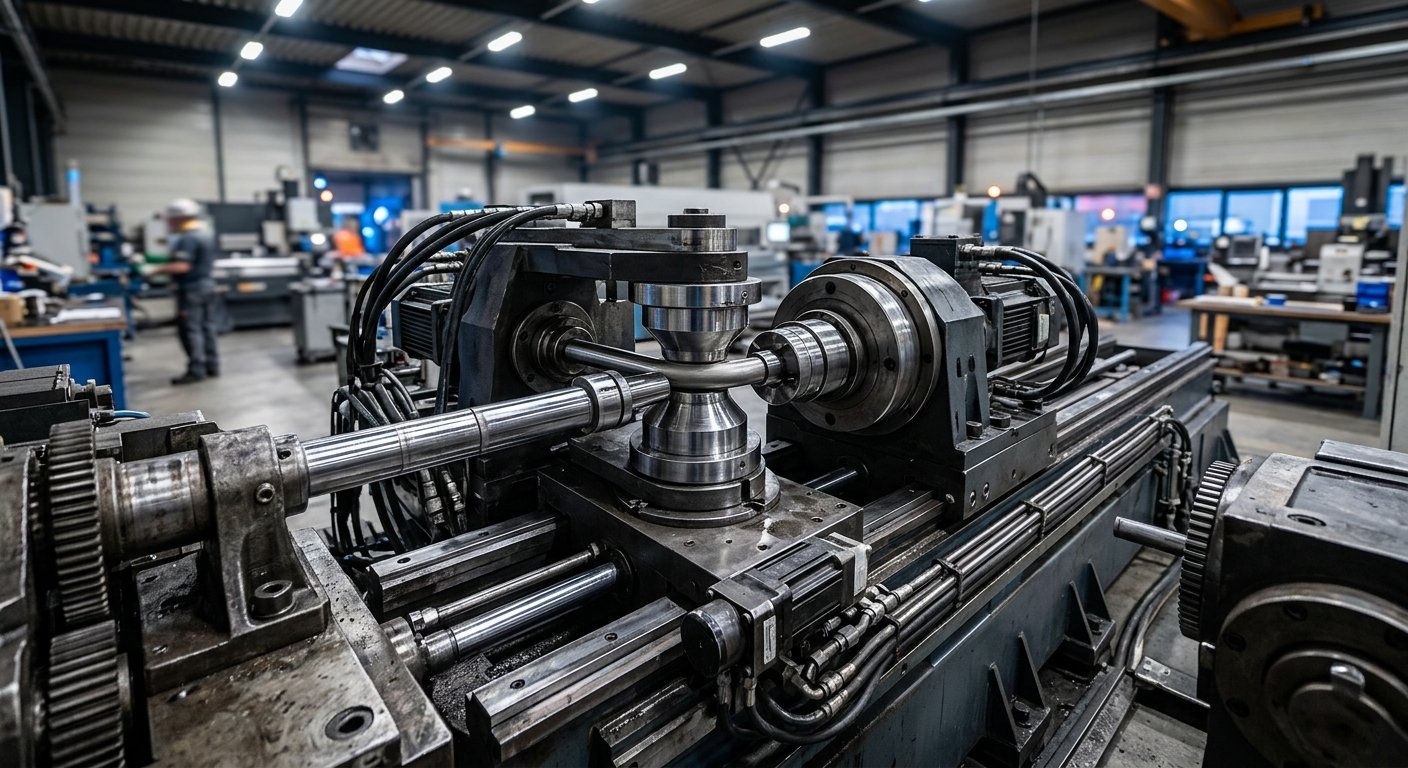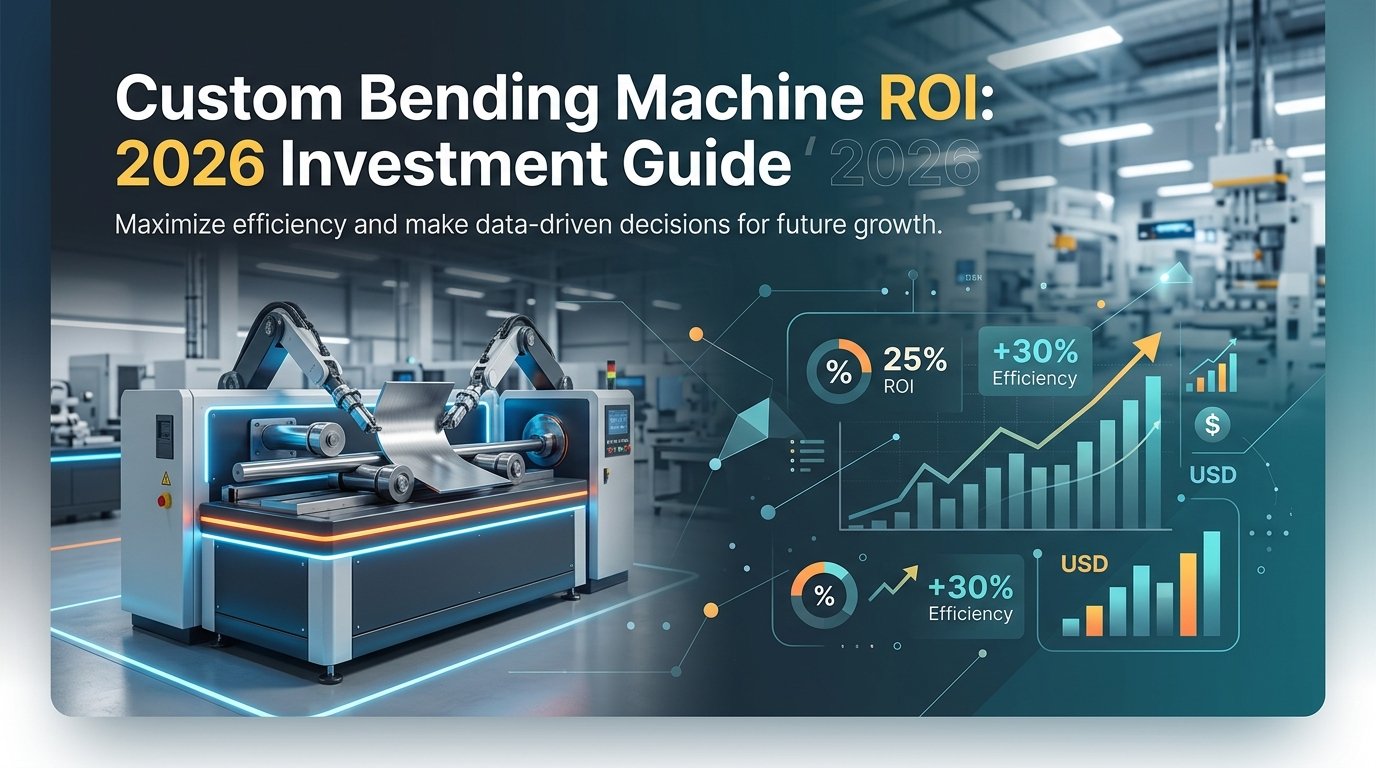
The decision to invest in engineered bending systems represents a significant capital commitment that demands rigorous financial justification. As manufacturing operations face increasing pressure to deliver precision components while controlling costs, understanding the true return on investment from a custom bending machine manufacturer becomes critical. The difference between purchasing off-the-shelf equipment and partnering with a specialized bending machine manufacturer for a tailored solution can mean the difference between marginal improvements and transformative operational gains.
In 2026, the landscape for custom tube bending equipment has evolved considerably. Advanced CNC controls, servo-electric actuation, and integrated quality systems have elevated what’s possible in precision bending. However, these technological capabilities only translate to value when properly matched to specific production requirements. The ROI calculation extends far beyond the purchase price to encompass labor efficiency, scrap reduction, throughput improvements, and the strategic flexibility that engineered bending solutions provide.
Understanding Total Cost of Ownership
The sticker price of custom CNC bending systems tells only a fraction of the financial story. Total cost of ownership encompasses acquisition costs, installation expenses, training investments, operational costs, maintenance requirements, and eventual disposition. A comprehensive ROI analysis must account for every dollar spent over the equipment’s productive lifespan.
Equipment acquisition represents the most visible cost component. Custom bending machine manufacturers typically price engineered systems at a premium compared to standard models—often 25-40% higher depending on customization depth. However, this initial investment gap frequently narrows when considering the full operational picture. Standard machines may require additional fixtures, secondary operations, or manual interventions that custom-engineered solutions eliminate entirely.
Installation and integration costs vary dramatically based on system complexity. A specialized bending machine manufacturer providing turnkey solutions typically delivers equipment with controls pre-programmed, tooling configured, and documentation complete. This approach compresses commissioning timelines from weeks to days, reducing the period before production revenue begins flowing. The opportunity cost of extended downtime during installation can easily exceed $50,000 weekly for high-volume operations.
Quantifying Operational Improvements
The operational phase generates the most substantial ROI components. Custom tube bending equipment designed for specific applications typically delivers measurable improvements across multiple performance dimensions.
Labor Efficiency Gains
Engineered bending solutions reduce labor requirements through automation of setup, measurement, and adjustment tasks. A standard tube bender might require 15-20 minutes for tooling changeover between part numbers, while custom systems with quick-change tooling and stored programs complete transitions in under three minutes. For facilities running multiple part varieties, this efficiency compounds rapidly.
Consider a job shop producing 50 different bent tube configurations monthly, averaging four changeovers per shift across two shifts. A custom bending machine manufacturer’s solution reducing changeover time by 12 minutes per occurrence yields 400 hours annually—equivalent to eliminating one-fifth of a full-time position. At a fully-burdened labor rate of $45 per hour, that’s $18,000 in annual savings from changeover efficiency alone.
Material Utilization and Scrap Reduction
Precision bending directly impacts material costs through reduced scrap and rework. Standard bending equipment operating with typical tolerances of ±1 degree and ±0.060 inches might achieve first-pass yields of 85-92% depending on operator skill and part complexity. Custom CNC bending systems engineered for specific materials and geometries routinely deliver 96-99% first-pass yields through enhanced repeatability and process control.
The financial impact scales with material cost and production volume. In aerospace applications using Inconel 625 tubing at $180 per foot, improving yield from 88% to 97% on a part requiring 4.5 feet of material saves $19.44 per component. Producing 5,000 units annually generates $97,200 in material savings—often sufficient to justify custom engineering investment independently of other benefits.
Throughput and Capacity Optimization
Cycle time reduction represents another critical ROI driver. Engineered bending solutions optimize bend sequences, minimize repositioning, and integrate measurement functions to compress production cycles. A 20% reduction in cycle time translates directly to 20% capacity increase without additional floor space or headcount.
For operations constrained by bending capacity, this throughput improvement enables revenue growth without capital expansion. A facility generating $2.4 million annually in bent tube assemblies that gains 20% capacity through custom equipment adds $480,000 in potential revenue—assuming market demand exists to absorb the additional output.
Strategic Value Considerations
Beyond direct operational metrics, custom bending machine manufacturers provide strategic advantages that impact competitive positioning and long-term business viability.
Quality and Compliance Assurance
Industries like aerospace, defense, and nuclear energy impose rigorous quality standards with severe consequences for non-compliance. Custom tube bending equipment can integrate documentation systems, in-process verification, and statistical process control aligned with AS9100, NADCAP, or ASME requirements. The cost of failed audits, rejected shipments, or warranty claims often dwarfs equipment investments.
A single aerospace shipment rejection might cost $75,000-$150,000 in expedited rework, premium freight, and customer penalties. If engineered bending solutions reduce rejection probability by even two incidents annually, the risk mitigation value alone justifies substantial investment.
Flexibility and Future-Proofing
Manufacturing environments evolve continuously with new product introductions, design changes, and shifting customer requirements. Specialized bending machine manufacturers design custom systems with adaptability in mind—modular tooling platforms, expandable controls architecture, and reconfigurable automation interfaces.
This flexibility carries significant option value. When a major customer introduces a new platform requiring different bend geometries, custom-engineered equipment adapts through tooling updates rather than wholesale replacement. The ability to preserve capital investments while accommodating change provides competitive resilience that standard equipment cannot match.
Building the Financial Model
Constructing a defensible ROI analysis for custom CNC bending systems requires disciplined financial modeling. Start with a five-year analysis horizon—sufficient to capture equipment payback while remaining within reasonable forecasting accuracy.
Identify and quantify all differential cash flows between alternatives. Compare the custom solution against the most likely alternative, whether that’s standard equipment, outsourcing, or continuing with existing processes. Include only incremental differences; costs common to all alternatives cancel out and need not be analyzed.
Key cash flow categories include:
- Initial capital outlay including equipment, installation, and commissioning
- Annual labor savings from reduced setup time, operation, and supervision
- Material cost reductions from improved yields and reduced scrap
- Quality-related savings including reduced rework, scrap, and rejections
- Maintenance cost differentials between equipment options
- Capacity-related revenue impacts if throughput increases enable growth
- Tax implications including depreciation benefits and investment incentives
Apply appropriate discount rates reflecting your organization’s cost of capital—typically 8-15% for manufacturing investments. Calculate net present value, internal rate of return, and simple payback period to evaluate investment attractiveness from multiple perspectives.
Risk Factors and Sensitivity Analysis
No financial projection survives contact with reality unchanged. Robust ROI analysis acknowledges uncertainty through sensitivity testing of key assumptions. Which variables most significantly impact returns? How would results change if labor savings achieve only 70% of projections? What if material costs decline 15%?
Common risk factors include:
- Volume uncertainty—production requirements may not materialize as forecasted
- Technology obsolescence—rapid advancement could diminish equipment value
- Vendor viability—custom equipment depends on manufacturer support longevity
- Integration complexity—customized systems may prove harder to implement than anticipated
- Operator acceptance—workforce resistance can undermine efficiency projections
Partnering with established custom bending machine manufacturers with proven track records mitigates many risks. Companies that have supported NASA, military, and demanding commercial customers for decades demonstrate staying power and technical capability that reduces implementation uncertainty.
American Manufacturing Quality Premium
In 2026, manufacturing location carries strategic significance beyond pure economics. Domestic production from a specialized bending machine manufacturer offers supply chain security, intellectual property protection, and regulatory compliance advantages particularly valuable for defense, aerospace, and critical infrastructure applications.
American-made custom tube bending equipment typically commands price premiums of 15-25% compared to imported alternatives. However, this differential often proves justified through superior engineering support, faster response times, and elimination of international logistics complexity. When equipment downtime costs $5,000-$15,000 daily, having manufacturer support located in compatible time zones with no language barriers delivers tangible value.
Implementation Success Factors
Realizing projected ROI requires disciplined implementation. Equipment capability means nothing without proper application. Successful custom CNC bending system deployment demands comprehensive planning across technical, operational, and organizational dimensions.
Operator training represents a critical success factor frequently under-resourced. Budget 80-120 hours of initial training per operator including both classroom instruction and supervised production time. Engineered bending solutions incorporate sophisticated controls and process strategies that require genuine skill development—not just button-pushing familiarity.
Process documentation ensures consistent execution and knowledge retention as personnel change. Capture bend sequences, tooling configurations, quality checkpoints, and troubleshooting procedures in accessible formats. Custom bending machine manufacturers often provide documentation frameworks as part of turnkey solutions, accelerating this critical task.
Continuous improvement mechanisms sustain initial gains and drive ongoing optimization. Establish metrics tracking key performance indicators including cycle time, first-pass yield, changeover duration, and overall equipment effectiveness. Regular review with cross-functional teams identifies optimization opportunities and prevents performance degradation.
Making the Investment Decision
The custom versus standard equipment decision ultimately depends on application specificity, volume stability, and strategic priorities. High-volume operations producing limited part variety may achieve adequate results with standard equipment. Conversely, facilities handling diverse geometries, demanding materials, or exacting tolerances typically realize compelling returns from engineered bending solutions.
Request detailed proposals from multiple specialized bending machine manufacturers including equipment specifications, performance guarantees, training provisions, and support terms. Conduct site visits to reference installations processing similar materials and geometries. Speak directly with production personnel using the equipment daily—not just plant managers presenting sanitized perspectives.
The investment in custom tube bending equipment from an experienced manufacturer represents a strategic commitment to precision, efficiency, and competitive differentiation. When properly specified, implemented, and operated, these engineered systems deliver measurable returns that validate initial investment decisions while providing operational capabilities that standard solutions cannot match.
Ready to explore how custom-engineered bending solutions could transform your operation? Contact our applications engineering team to discuss your specific requirements and develop a detailed ROI analysis based on your production environment. With over six decades of experience delivering precision bending systems to the most demanding industries, we provide the technical expertise and proven performance that turns capital investments into competitive advantages.