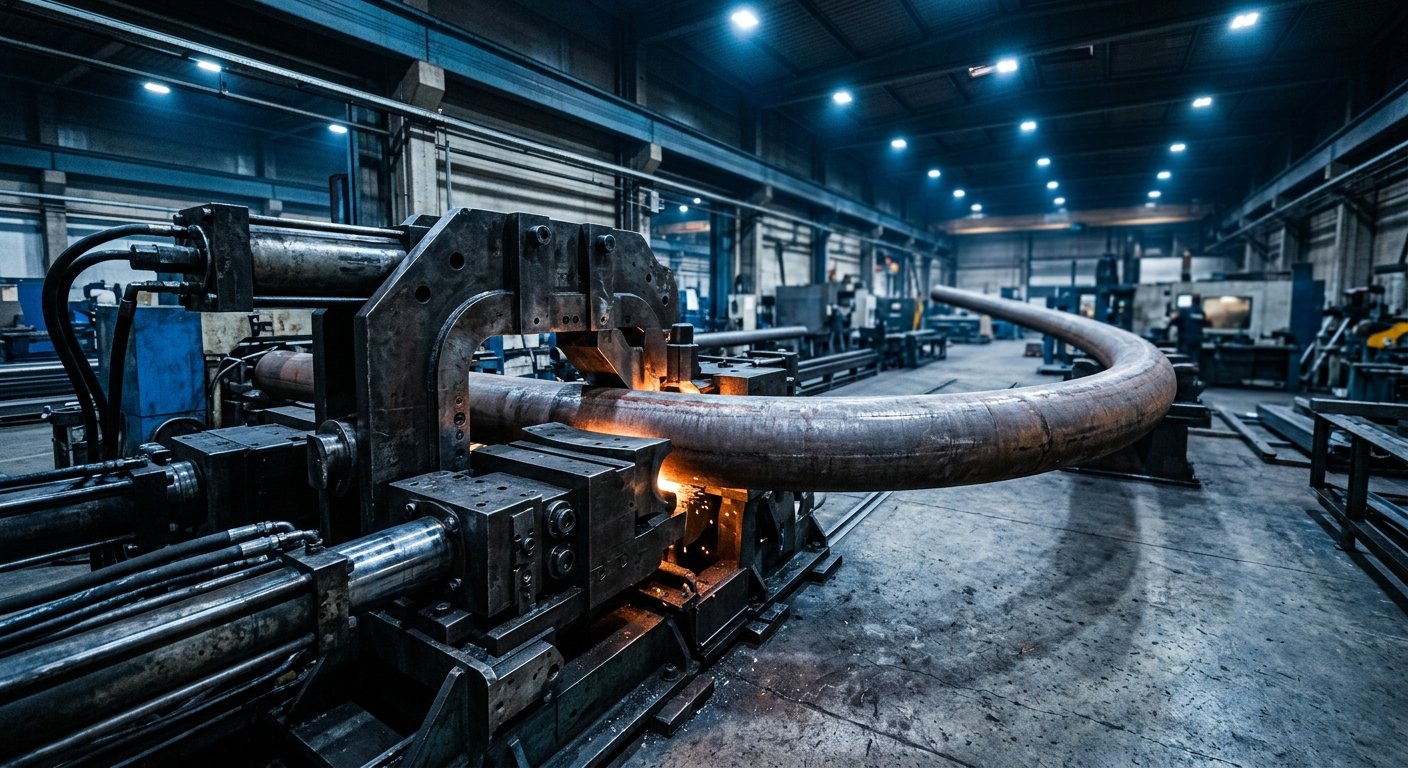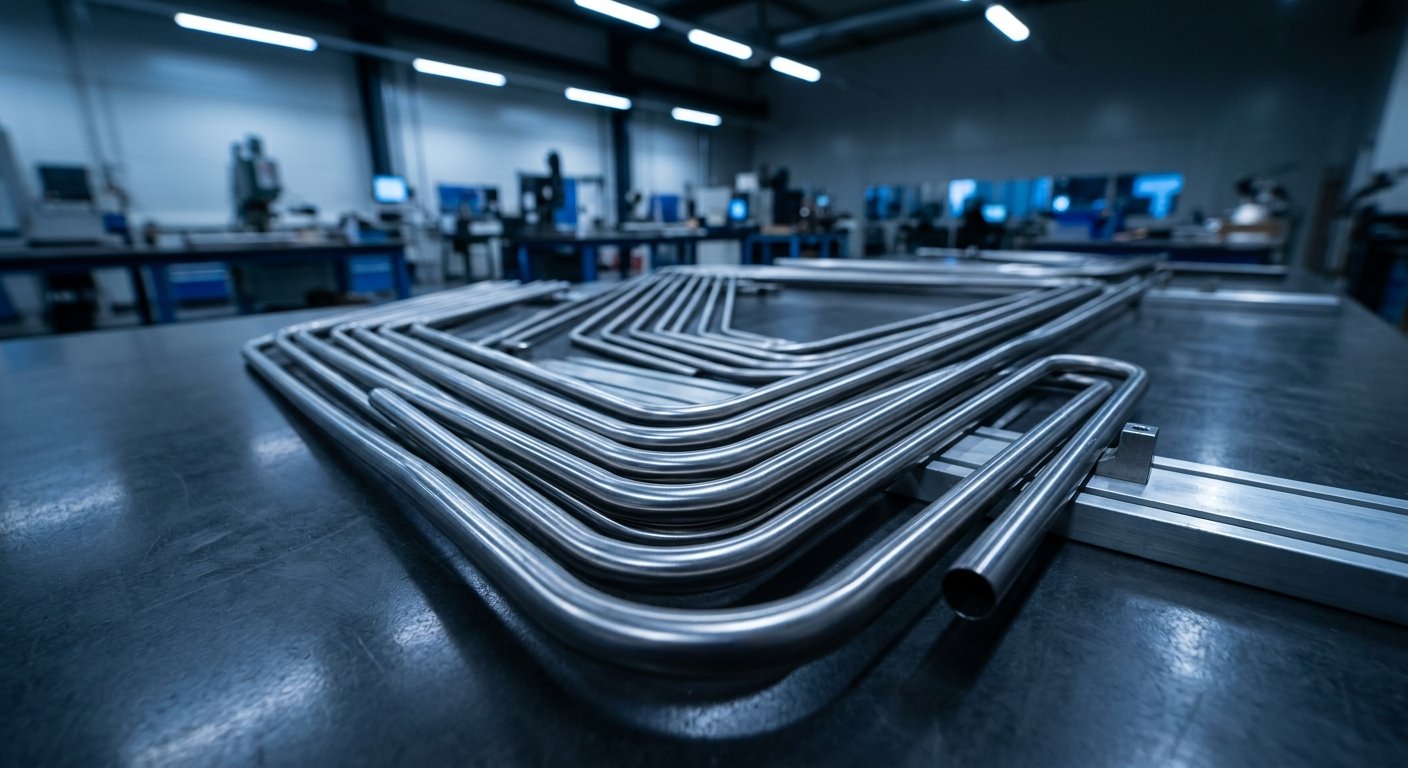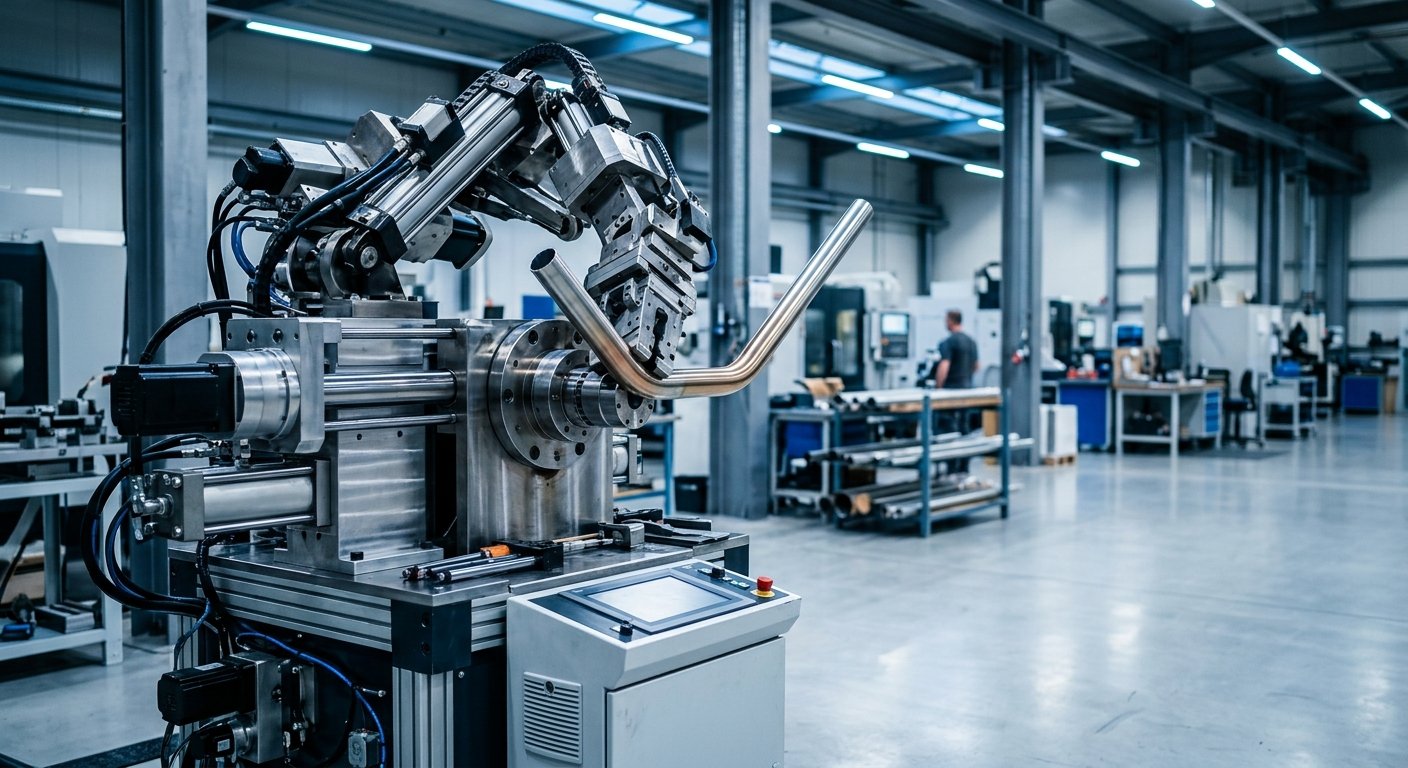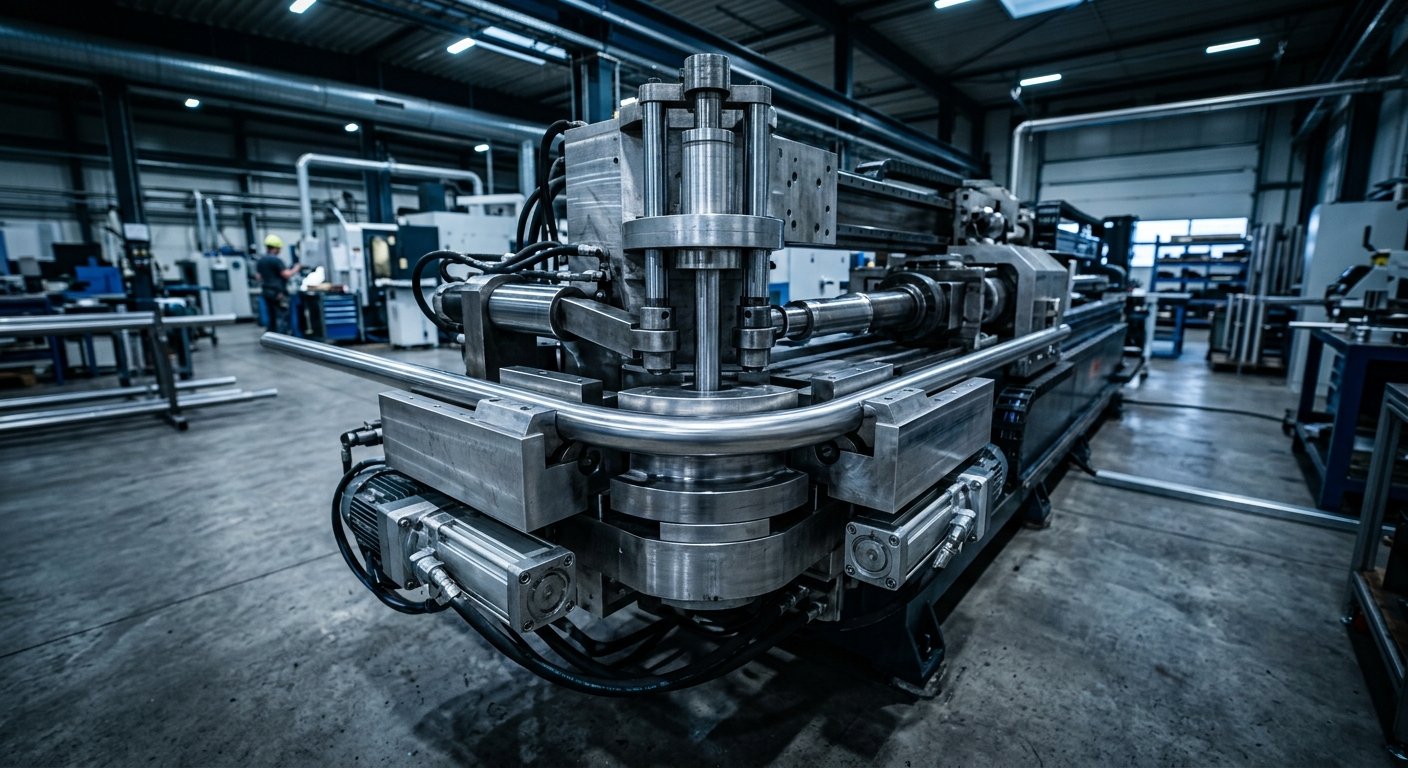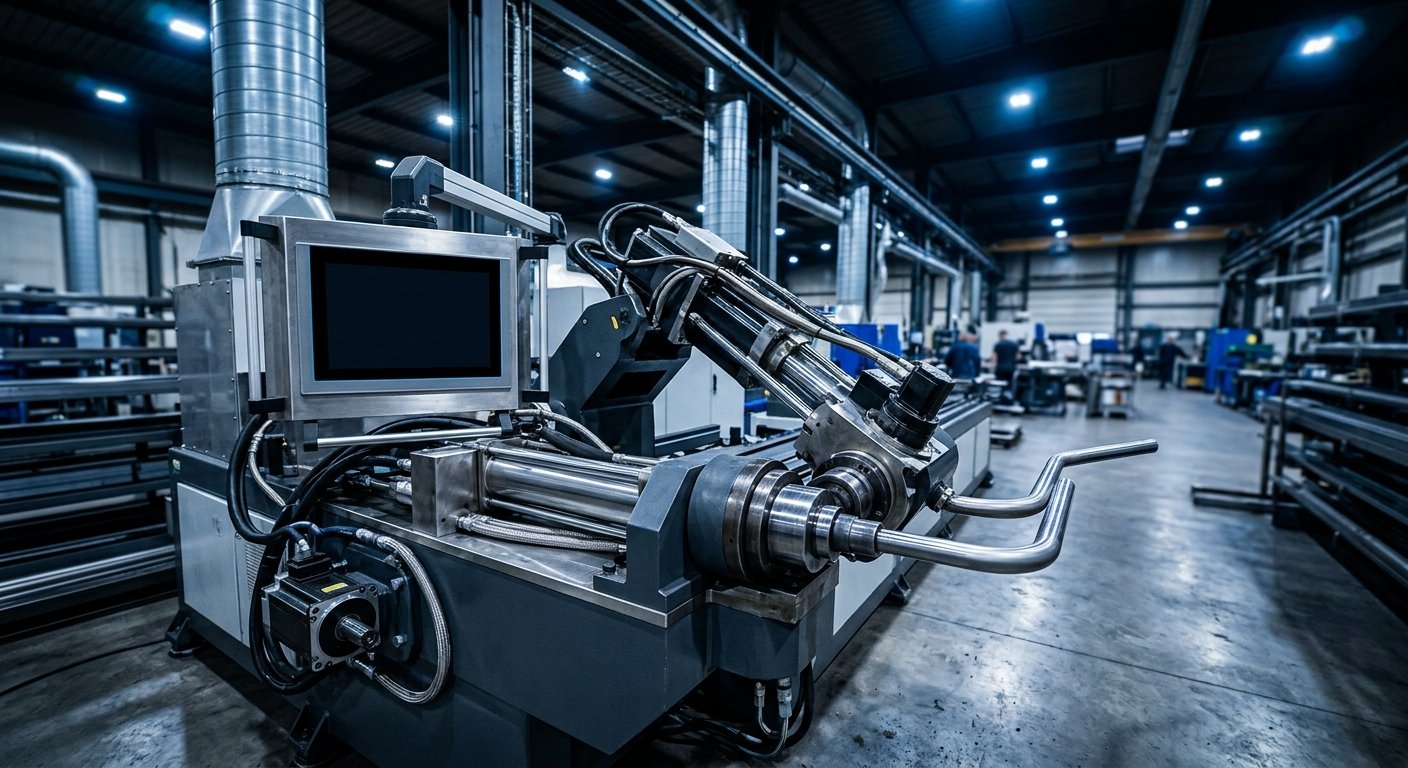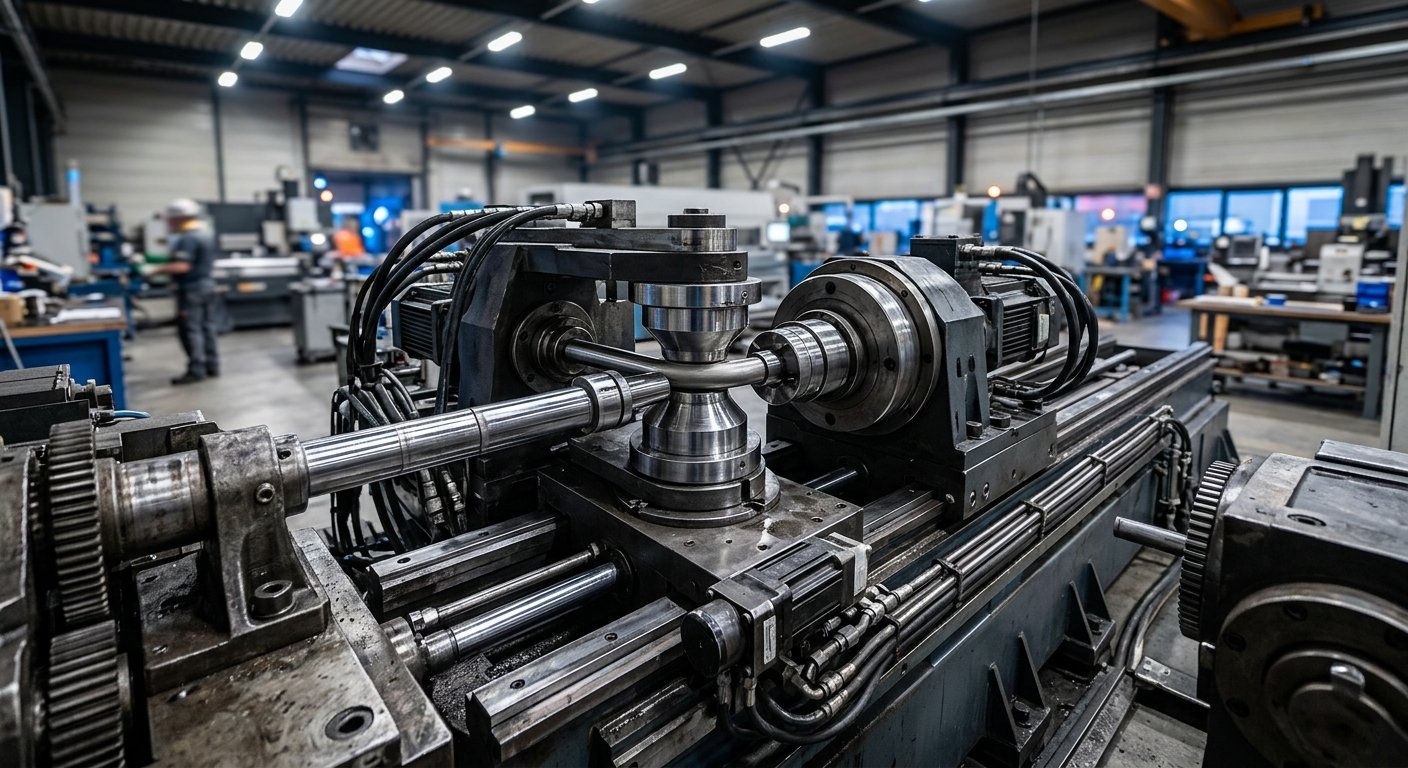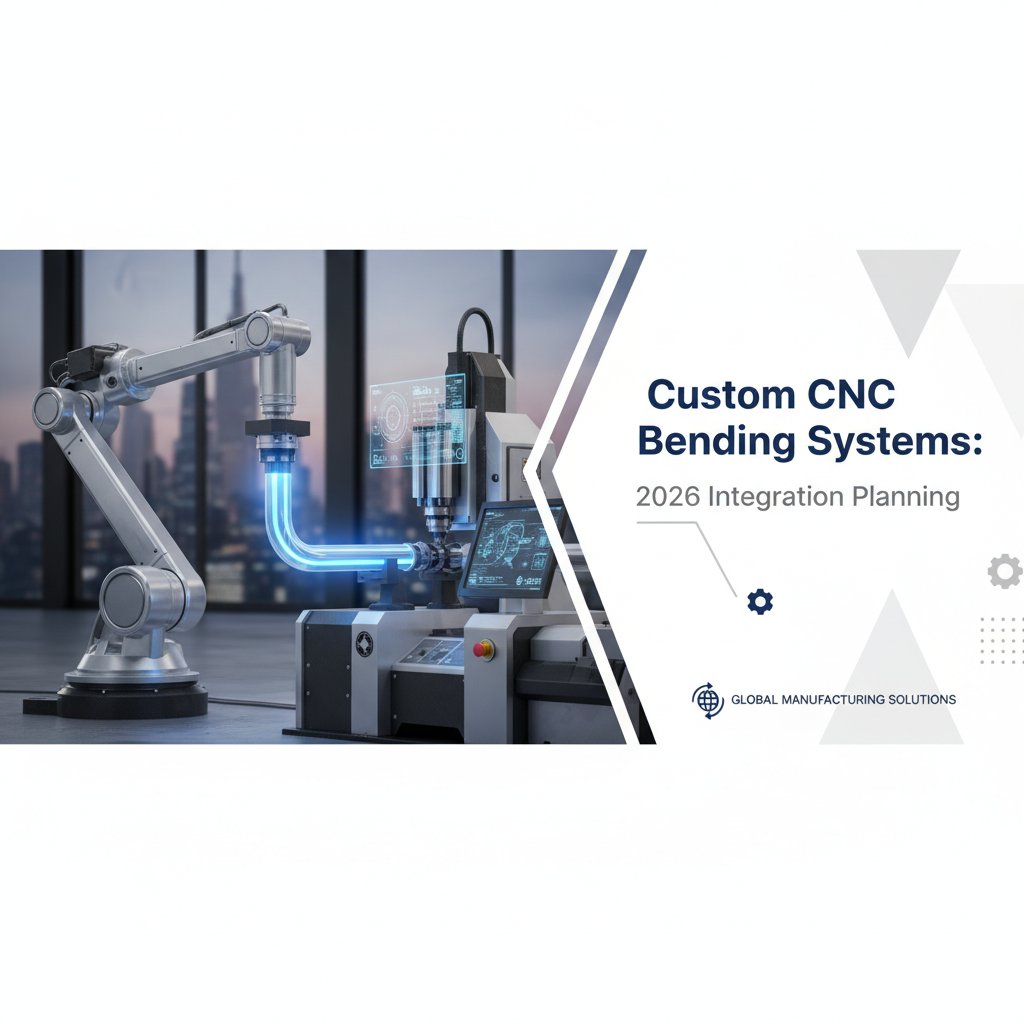
Manufacturing environments are evolving faster than ever, and production facilities planning equipment investments in 2026 face a critical decision: off-the-shelf solutions that promise quick deployment, or custom CNC bending systems engineered to match exact production requirements. For companies processing specialty alloys, managing complex geometries, or meeting aerospace-grade tolerances, generic equipment often creates more problems than it solves.
The shift toward application-specific bending machines reflects a broader manufacturing trend. As production demands become more specialized and material costs continue rising, the traditional approach of adapting processes to available equipment no longer makes economic sense. Instead, leading manufacturers are building their production lines around custom tube bending equipment designed for their specific applications, materials, and quality requirements.
The Business Case for Engineered Bending Solutions
Standard CNC tube benders serve general-purpose applications adequately, but they impose limitations that become costly over time. When your production involves titanium hydraulic lines for defense applications, Inconel tubing for petrochemical processing, or aluminum extrusions for aerospace assemblies, those limitations translate directly to scrap rates, secondary operations, and missed delivery schedules.
Custom bending machine manufacturers design systems around your materials, geometries, and throughput requirements rather than forcing you to work within preset constraints. A properly engineered solution eliminates the workarounds that slow production and compromise quality. The initial investment premium typically returns within 18-24 months through reduced scrap, eliminated secondary operations, and increased throughput.
Consider a tier-one aerospace supplier that recently transitioned from adapted standard equipment to custom cnc bending systems. Their previous setup required manual repositioning between bends, secondary straightening operations, and a 12% scrap rate on high-value titanium tubing. The engineered solution incorporated application-specific tooling, automated part handling, and closed-loop quality monitoring. Within six months, scrap dropped to 2.8%, cycle times decreased by 40%, and secondary operations were eliminated entirely.
Critical Integration Planning Components for 2026
Successful implementation of precision tube bending systems requires thorough planning across multiple dimensions. Organizations that rush deployment without addressing these factors typically encounter expensive delays and performance shortfalls.
Production Environment Assessment
Start by documenting your complete bending requirements. This goes beyond basic specifications to include production volumes, material grades, tolerance requirements, batch sizes, and changeover frequency. Custom tube bending equipment should accommodate not just today’s parts but anticipated design variations over the system’s 15-20 year service life.
Measure your available floor space carefully, accounting for material staging, finished part accumulation, and maintenance access. Modern tube bending technology often integrates material handling automation, quality inspection systems, and data connectivity that require additional space beyond the bending machine footprint itself.
Evaluate your facility’s electrical capacity, compressed air supply, and climate control. High-precision bending systems maintain tighter tolerances in temperature-controlled environments, particularly when processing materials sensitive to thermal expansion. Some applications require dedicated HVAC systems to maintain stability.
Material and Tooling Strategy
The materials you process fundamentally determine system configuration. Aerospace-grade titanium demands different tooling materials, bend head designs, and control strategies than carbon steel or aluminum. Custom bending machine manufacturers should analyze your material specifications during the design phase, not after equipment arrives.
Tooling standardization versus application-specific tooling represents a key decision point. Facilities processing diverse part families benefit from modular tooling systems with quick-change capabilities. Operations focused on high-volume production of similar geometries gain more from dedicated tooling optimized for specific parts, even if changeover flexibility decreases.
Plan for tooling inventory management from the outset. Critical production environments typically maintain spare tooling sets to minimize downtime risks. Calculate total tooling costs including spares, maintenance items, and anticipated replacements over a five-year period when budgeting for custom cnc bending systems.
Control System and Data Integration
Manufacturing execution systems, quality management databases, and predictive maintenance platforms increasingly depend on equipment-level data. Your bending system should integrate seamlessly with existing information infrastructure rather than creating data silos.
Modern CNC tube benders generate valuable process data including bend angles, material springback characteristics, tool wear indicators, and quality metrics. Engineered bending solutions should capture this data in formats compatible with your analytical tools and enterprise systems. Specify data protocols, communication standards, and cybersecurity requirements during system design rather than attempting retrofits later.
Cloud connectivity enables remote monitoring, diagnostic support, and performance benchmarking, but introduces network security considerations. Work with your IT department early in the planning process to establish acceptable connectivity parameters and security protocols.
Operator Training and Skill Development
Equipment capabilities mean nothing without skilled operators who understand both the technology and the application requirements. Application specific bending machines often incorporate advanced features that require comprehensive training programs, not just quick-start guides.
Plan for a multi-phase training approach. Initial instruction covers basic operation, safety protocols, and standard procedures. Advanced training addresses troubleshooting, process optimization, tooling setup, and preventive maintenance. The most effective programs include hands-on practice with actual production parts under expert supervision.
Consider the timing of training relative to equipment installation. Operators learning on newly installed systems face dual challenges of unfamiliar equipment and production pressure. When possible, conduct preliminary training at the manufacturer’s facility where operators can develop competency without production deadlines.
Document institutional knowledge through detailed standard operating procedures, setup sheets, and troubleshooting guides specific to your applications. Generic documentation from equipment suppliers rarely addresses the nuances of your particular materials, geometries, and quality requirements.
Quality Assurance and Process Validation
Precision tube bending for regulated industries requires documented process validation and ongoing quality verification. Plan these activities during system integration rather than treating them as afterthoughts once production begins.
First article inspection protocols should be established before equipment arrival. Define critical dimensions, inspection methods, measurement frequency, and acceptance criteria. Automated measurement systems integrated with the bending equipment provide real-time feedback and reduce inspection cycle times compared to manual methods.
Statistical process control implementation requires baseline data collection during initial production runs. Plan for extended setup periods where production speed takes secondary priority to gathering comprehensive process capability data. This investment enables predictive quality management and reduces long-term inspection costs.
Traceability requirements vary by industry but increasingly demand digital records linking raw materials through processing parameters to finished part inspection results. Custom tube bending equipment should capture and store this data automatically rather than depending on manual record-keeping.
Maintenance Planning and Spare Parts Strategy
Sophisticated tube bending technology requires proactive maintenance to sustain performance and prevent unexpected downtime. Develop comprehensive maintenance plans addressing both routine service and emergency response scenarios.
Identify critical wear components and establish replacement intervals based on manufacturer recommendations and your production intensity. Hydraulic seals, bearing assemblies, and bending dies follow predictable wear patterns that enable condition-based replacement before failures occur.
Spare parts inventory should balance carrying costs against downtime risks. Critical components with long lead times justify maintaining on-site spares even for relatively reliable systems. Less critical items with short delivery times can be ordered as needed. Work with your custom bending machine manufacturer to identify which components fall into each category.
Consider service agreements that provide priority technical support, expedited parts delivery, and periodic preventive maintenance by factory-trained technicians. These programs make particular sense for facilities where bending operations represent production bottlenecks or where in-house maintenance expertise is limited.
Timeline and Deployment Strategy
Realistic scheduling prevents the rushed deployments that compromise system performance and operator readiness. Complex engineered bending solutions typically require 6-12 months from initial specification through full production capability.
The process begins with application analysis and system design, usually consuming 6-10 weeks. This phase establishes specifications, reviews design concepts, and finalizes technical details. Rushing this stage creates expensive problems later when equipment doesn’t match actual requirements.
Manufacturing and assembly of custom cnc bending systems takes 12-20 weeks depending on complexity and current production schedules. Extended lead times for specialty components sometimes push this further. Order long-lead items like servo drives, hydraulic components, and control systems early to prevent delays.
Installation, calibration, and commissioning require 2-4 weeks of on-site work. Plan for production disruptions during this period and arrange alternative capacity if necessary. Attempting to maintain normal production during equipment installation compromises both safety and setup quality.
Production ramp-up extends another 4-8 weeks as operators develop proficiency, processes stabilize, and optimization opportunities emerge. Initial throughput typically reaches 60-70% of design capacity, improving to full rated output as experience accumulates.
Selecting the Right Manufacturing Partner
Custom bending machine manufacturers vary significantly in engineering capability, manufacturing quality, and long-term support. Choose partners with demonstrated expertise in your specific applications and materials rather than general-purpose equipment suppliers attempting to serve all markets.
Look for manufacturers with proven track records in demanding applications. Companies serving aerospace, defense, and energy sectors maintain higher quality standards and more rigorous process controls than those focused primarily on less critical applications. American manufacturing heritage often correlates with better documentation, regulatory compliance, and supply chain stability.
Engineering depth matters enormously when specifying application specific bending machines. Manufacturers should demonstrate understanding of your materials, geometries, and quality requirements through detailed technical discussions, not just sales presentations. Request case studies involving similar applications and, when possible, visit reference installations.
Post-installation support infrastructure deserves careful evaluation. Technical service availability, parts inventory, training programs, and application engineering assistance vary widely among suppliers. These factors determine long-term system productivity more than initial equipment specifications.
Moving Forward With Your Integration Project
Successful deployment of custom tube bending equipment requires coordinated planning across engineering, production, quality, maintenance, and procurement functions. Start early, involve stakeholders from all affected departments, and resist pressure to compress timelines artificially.
The manufacturers who achieve best results approach custom cnc bending systems as strategic investments rather than capital purchases. They specify equipment for long-term requirements, invest in comprehensive training, implement proper maintenance programs, and work collaboratively with suppliers who function as true partners.
For companies committed to precision, quality, and American manufacturing excellence, properly engineered bending solutions deliver competitive advantages that generic equipment simply cannot match. The planning investment required pays returns throughout the system’s operational life through higher quality, lower costs, and greater manufacturing flexibility.
Ready to discuss how custom tube bending equipment can transform your production capabilities? Connect with engineering teams who understand your applications and have proven experience delivering solutions for the most demanding manufacturing environments. The difference between adequate equipment and optimal systems often determines which companies lead their industries and which struggle to keep pace.