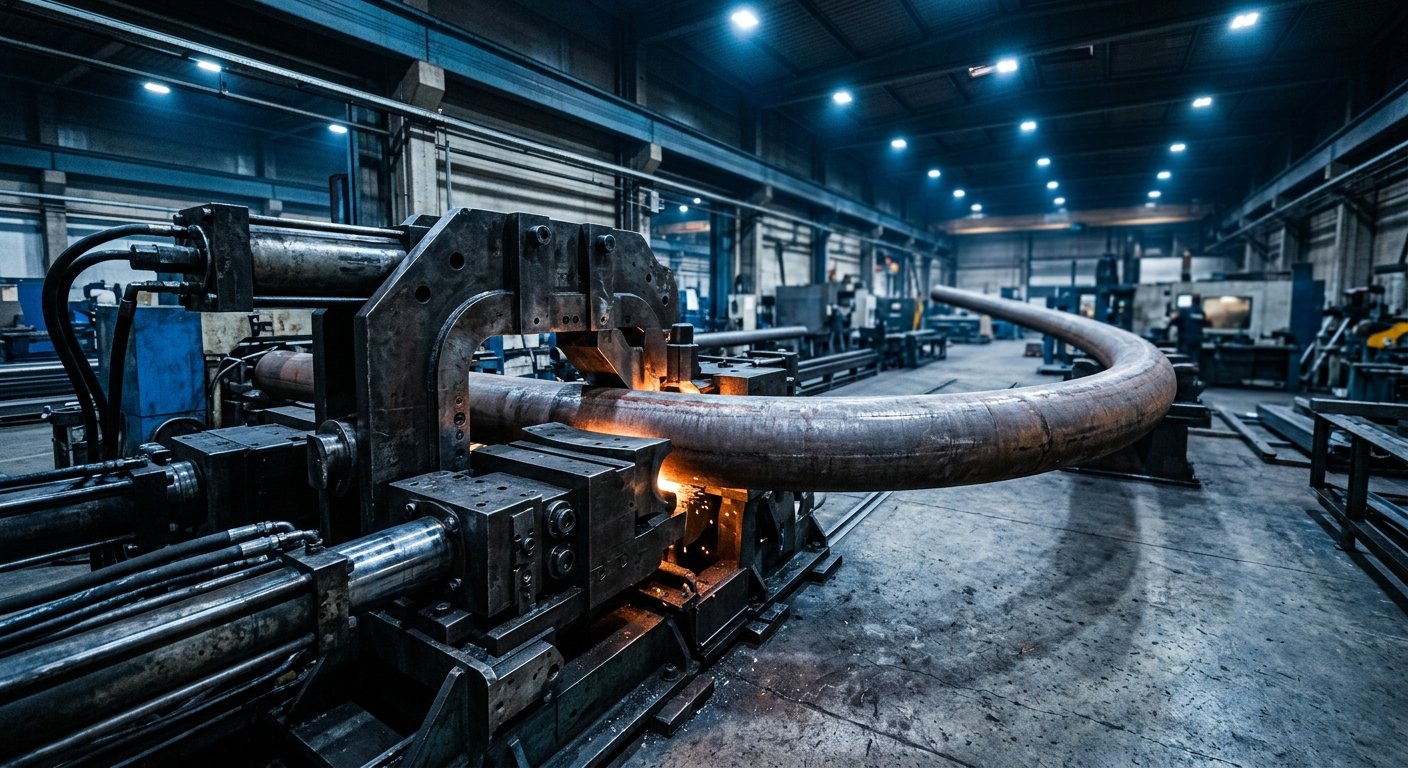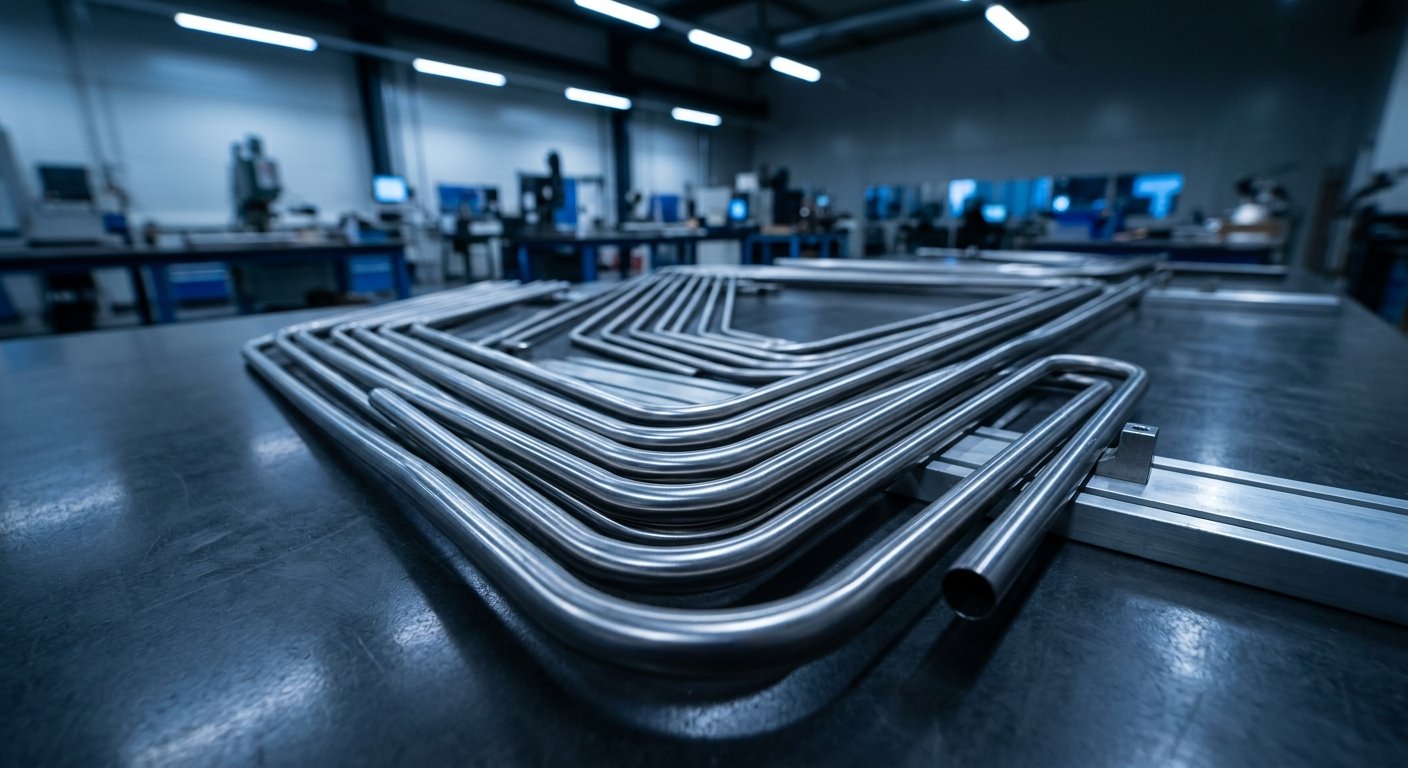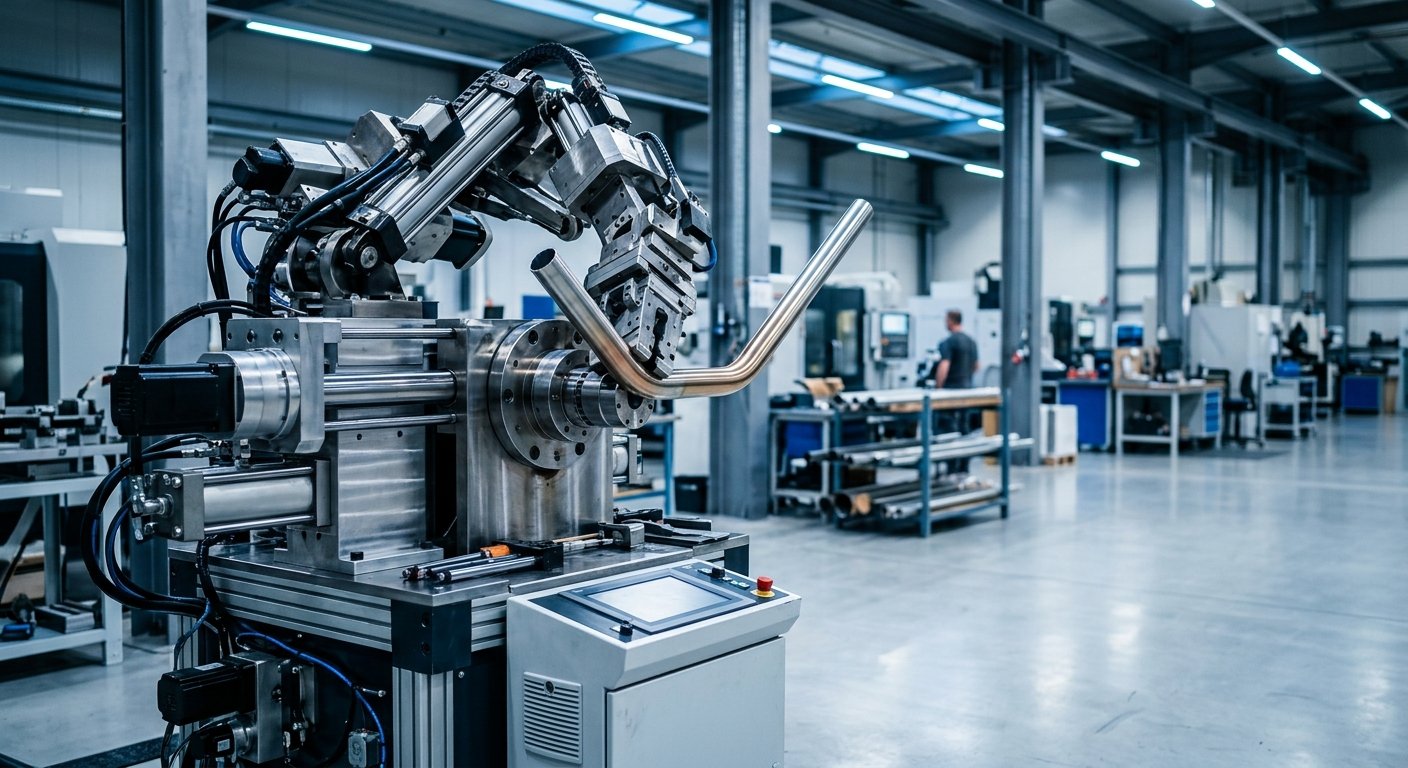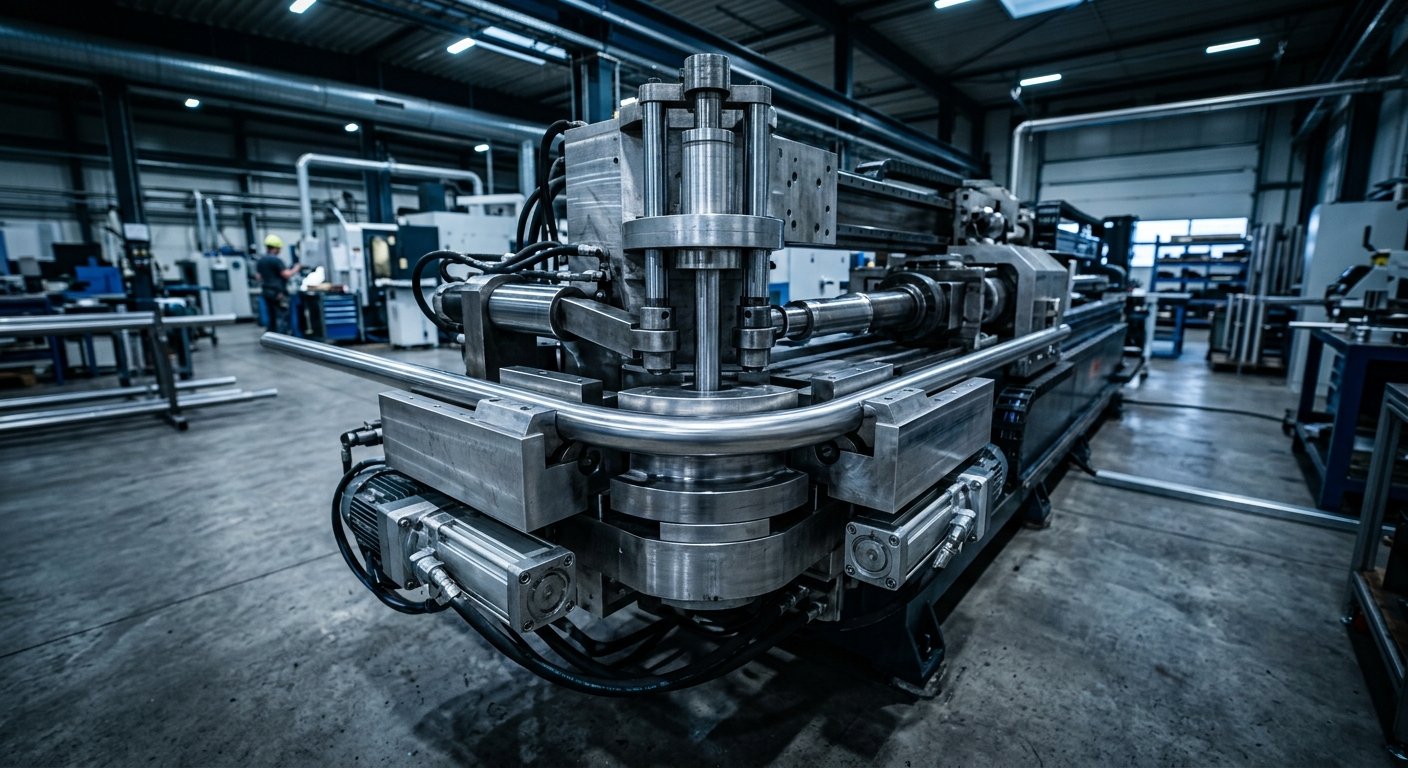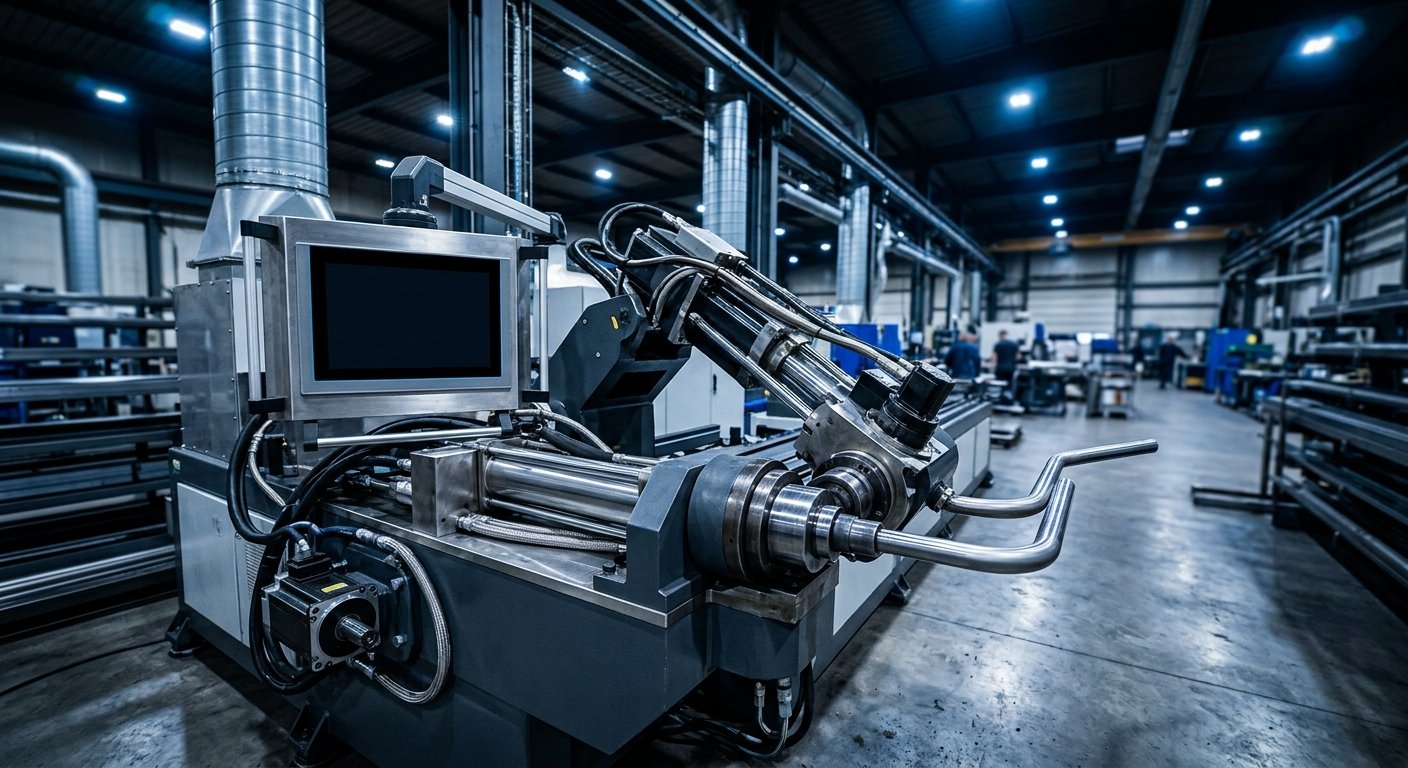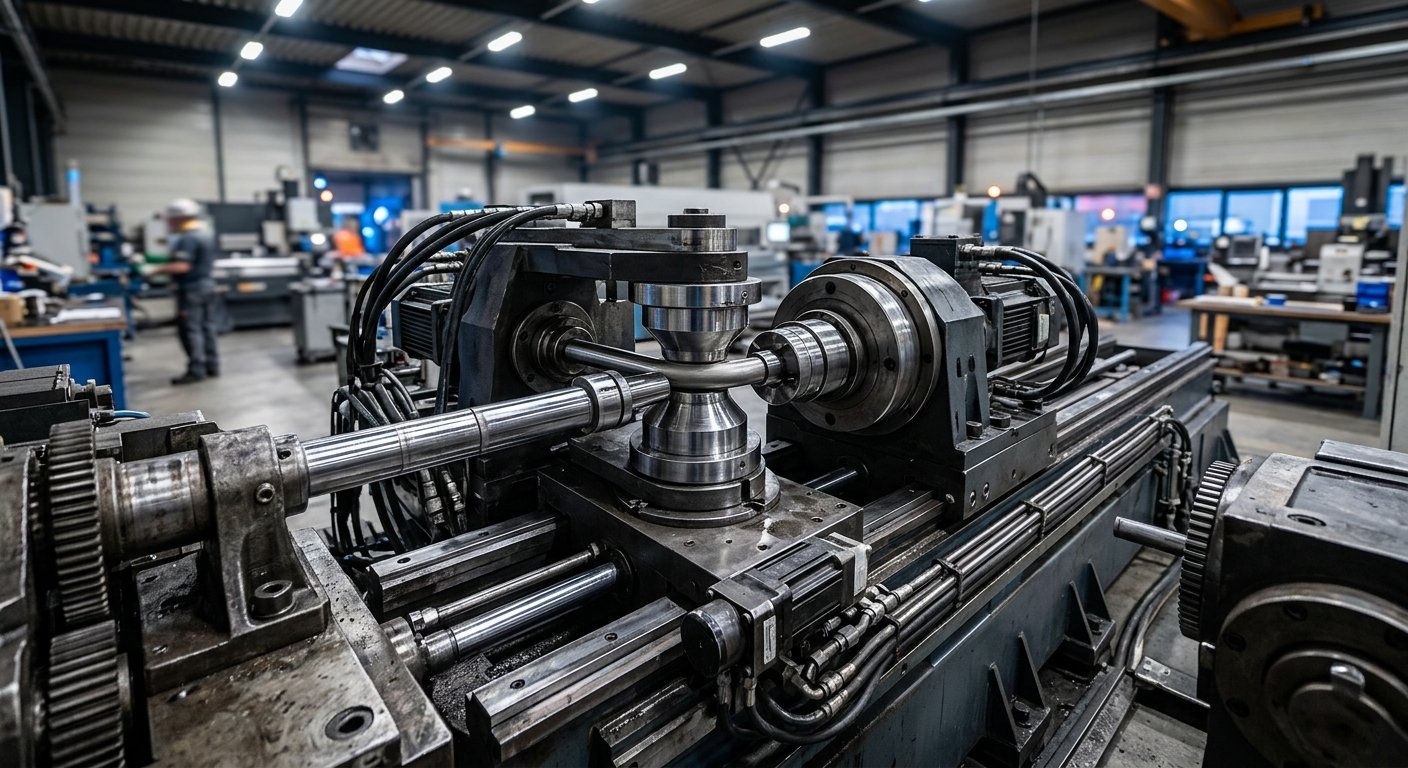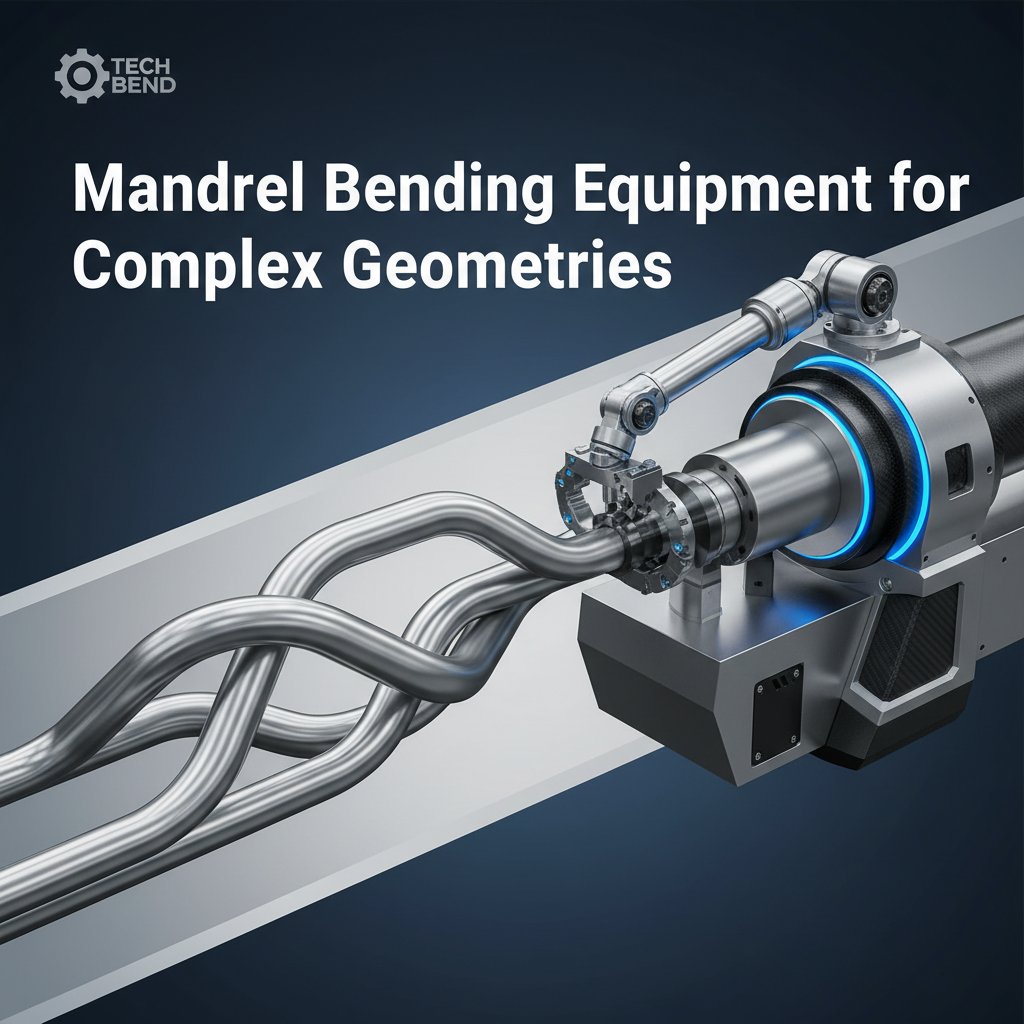
Complex geometries in pipe and tube bending present engineering challenges that separate capable manufacturers from those who merely claim precision capabilities. When aerospace hydraulic systems require 180-degree returns in titanium tubing, or petrochemical facilities need heavy-wall stainless bends with tight centerline radii, the equipment specification becomes critical. Mandrel pipe bending equipment represents the gold standard for maintaining dimensional integrity, but selecting the right machine configuration demands understanding of tooling mechanics, material behavior, and application-specific requirements.
Understanding Mandrel Bending Technology
Mandrel bending distinguishes itself through internal support during the bending process. A mandrel—a solid or articulated rod—positions inside the tube during bending to prevent collapse, ovality, and wrinkling on the inside radius. This internal support becomes essential when bend radius approaches the tube diameter, wall thickness drops below critical thresholds, or material properties create challenging forming conditions.
The physics behind mandrel bending involves controlling multiple failure modes simultaneously. Without proper support, tubes experience compression on the inside radius and tension on the outside radius. This stress differential causes wall thinning, wrinkling, and cross-sectional distortion. Quality mandrel pipe bending equipment manages these forces through precise coordination of bend die rotation, pressure die force, wiper die positioning, and mandrel advancement.
Mandrel Configuration Options
Modern mandrel bending machines offer several mandrel configurations, each optimized for specific applications:
- Plug mandrels: Single-piece cylindrical supports for gentle bends and larger radii where minimal articulation is required
- Ball mandrels: Articulated links connected by cables or rods, providing flexibility for tight radius bends while maintaining wall support
- Multi-ball configurations: Extended mandrel lengths with numerous balls for long radius sections or sequential bends
- Form mandrels: Shaped supports matching specific bend geometries for high-volume production consistency
Specifying Equipment for Complex Geometries
Engineering teams evaluating mandrel bending machines for demanding applications should establish specification criteria addressing both immediate needs and future production requirements. The specification process begins with defining the geometric envelope of parts the equipment must produce.
Critical Specification Parameters
Centerline radius capacity represents the tightest bend the machine can achieve while maintaining quality standards. For aerospace tube bending applications, ratios of 1.5D to 2.5D (diameter) are common, though specialized equipment handles ratios down to 1D. Heavy wall pipe bending requires larger ratios—typically 3D to 5D—due to material thickness and springback characteristics.
Bend angle range determines whether single-setup or multiple-operation processes are necessary. Full 180-degree capability enables complex geometries including return bends for heat exchangers and hydraulic manifolds. Machines with programmable angle control facilitate production flexibility across part families.
Material compatibility encompasses both the physical properties and dimensional range the equipment accommodates. A precision pipe bending manufacturer should provide detailed material specifications including:
- Yield strength ranges and work hardening characteristics
- Tube diameter capacity from minimum to maximum
- Wall thickness ranges with corresponding D/t ratios
- Material-specific tooling requirements
Tooling System Architecture
Custom bending machines deliver value through tooling system flexibility. Quick-change tooling packages reduce setup time from hours to minutes, enabling economical short runs and prototype development. Precision ground dies manufactured to aerospace tolerances ensure repeatability across production runs.
Progressive tooling systems allow sequential bends without part removal, critical for complex geometries requiring multiple plane bends. CNC-controlled rotation and positioning maintain spatial relationships between bends, eliminating cumulative error from manual repositioning.
Application-Specific Considerations
Different industries impose unique requirements on mandrel bending equipment, driven by material specifications, quality standards, and operational environments.
Aerospace and Defense Requirements
Aerospace tube bending demands documentation, traceability, and quality systems meeting AS9100 standards. Equipment specifications must address these regulatory requirements alongside technical capabilities. Machines serving aerospace applications typically incorporate:
- Digital measurement systems with statistical process control integration
- Automated documentation for material certifications and process parameters
- Validation protocols for first article inspection and ongoing production
- Contamination control for hydraulic and pneumatic system components
Titanium and Inconel alloys common in aerospace applications present forming challenges including high springback, work hardening, and galling tendencies. Equipment must provide precise control over forming speed, pressure application, and mandrel extraction to prevent material damage.
Oil, Gas, and Petrochemical Systems
Heavy wall pipe bending in corrosion-resistant alloys requires substantial machine capacity and specialized tooling. Duplex stainless steels, chrome-moly alloys, and high-nickel materials used in refining and processing environments demand equipment capable of managing high forming forces while maintaining dimensional tolerances.
Pipe diameters ranging from 2 to 6 inches with schedule 80 or heavier wall thicknesses require industrial pipe bending equipment manufacturer capabilities including heavy-duty frames, high-torque drive systems, and robust tooling designed for extended production runs. Wall thickness management becomes critical—excessive thinning on the outside radius compromises pressure ratings and service life.
High-Volume Production Environments
Automotive exhaust systems, HVAC components, and furniture manufacturing represent high-volume applications where cycle time and repeatability drive equipment selection. Fully automated mandrel bending machines with robotic loading, in-process measurement, and integrated part ejection systems maximize throughput while maintaining quality.
These production environments benefit from machines featuring programmable multi-stack bending, where multiple bends execute in rapid sequence. Tool life and maintenance intervals become crucial specifications—equipment downtime directly impacts production targets and delivery commitments.
Technology Trends Shaping 2026 Equipment
Mandrel bending technology continues evolving to address industry demands for greater precision, flexibility, and integration with digital manufacturing ecosystems.
Intelligent Process Control
Modern industrial pipe bending equipment incorporates sensors monitoring bend angle, tube position, tooling forces, and material springback in real-time. Machine learning algorithms analyze this data to predict forming outcomes and automatically adjust process parameters. This adaptive control reduces scrap during setup and maintains tighter tolerances across production runs.
Predictive maintenance systems monitor machine health indicators including hydraulic pressure variations, bearing temperatures, and servo motor performance. Advanced diagnostics identify developing issues before they cause quality problems or unplanned downtime.
Simulation and Virtual Commissioning
Integrated simulation software allows engineers to validate bend sequences and tooling configurations before physical setup. Virtual models predict material behavior, identify potential interference issues, and optimize mandrel positioning. This digital validation reduces trial-and-error during production launch and accelerates new part introduction.
Sustainability and Energy Efficiency
Electric servo-driven bending machines offer energy advantages over traditional hydraulic systems, reducing operational costs while providing precise motion control. Variable frequency drives optimize power consumption based on actual forming requirements rather than maintaining constant hydraulic pressure.
Evaluation and Vendor Selection
Selecting a precision pipe bending manufacturer involves assessing technical capabilities, support infrastructure, and long-term partnership potential. Key evaluation criteria include:
Manufacturing heritage and expertise: Established manufacturers with decades of experience bring accumulated knowledge about material behavior, tooling optimization, and application-specific solutions. Companies with proven track records serving NASA, military, and aerospace prime contractors demonstrate capability to meet demanding specifications.
Custom engineering capabilities: Complex geometries often require tailored solutions. Manufacturers offering custom machine design, specialized tooling development, and application engineering support provide flexibility for unique requirements.
Training and technical support: Sophisticated equipment requires skilled operators. Comprehensive training programs covering machine operation, tooling setup, and troubleshooting ensure production teams can maximize equipment capabilities.
Service and parts availability: Domestic manufacturing provides advantages in response time, parts availability, and technical support access. American-made equipment typically offers better long-term support than imported alternatives.
Implementation Best Practices
Successful mandrel bending equipment implementation extends beyond machine installation. Organizations achieving optimal results follow structured approaches to integration, validation, and continuous improvement.
Process development should begin with material characterization testing to establish forming parameters for specific alloys and tempers. These baseline studies identify optimal mandrel configurations, bend speeds, and pressure die forces before production launch.
Operator training programs must address both machine operation and the metallurgical principles governing tube bending. Understanding why specific parameters matter enables operators to recognize quality issues early and make informed adjustments.
Preventive maintenance schedules based on manufacturer recommendations and actual operating conditions protect equipment investment and maintain production reliability. Regular tooling inspection and replacement prevent quality degradation and catastrophic failures.
Advancing Your Bending Capabilities
Complex geometries demand equipment engineered for precision, repeatability, and flexibility. Whether your application involves aerospace hydraulic systems, petrochemical piping, or high-volume production components, selecting appropriate mandrel pipe bending equipment requires careful specification and knowledgeable vendor partnership.
Organizations serious about precision tube and pipe bending benefit from consulting with experienced manufacturers who understand the interplay between material properties, tooling design, and machine capabilities. The right equipment partner provides not just machinery, but comprehensive solutions including engineering support, operator training, and ongoing technical assistance.
Ready to discuss your complex bending requirements? Contact our engineering team to explore how custom-engineered mandrel bending solutions can address your specific geometric challenges while meeting quality, production, and budget objectives.