Every manufacturing operation faces a critical decision when precision tube or pipe bending becomes essential: should you build custom bending equipment in-house or partner with a specialized manufacturer? For engineering managers overseeing aerospace fabrication, petrochemical processing, or defense manufacturing, this choice directly impacts production timelines, quality control, capital expenditure, and long-term competitiveness. The wrong decision can mean hundreds of thousands of dollars in sunk costs, months of delayed production, and compromised part quality that fails to meet specifications.
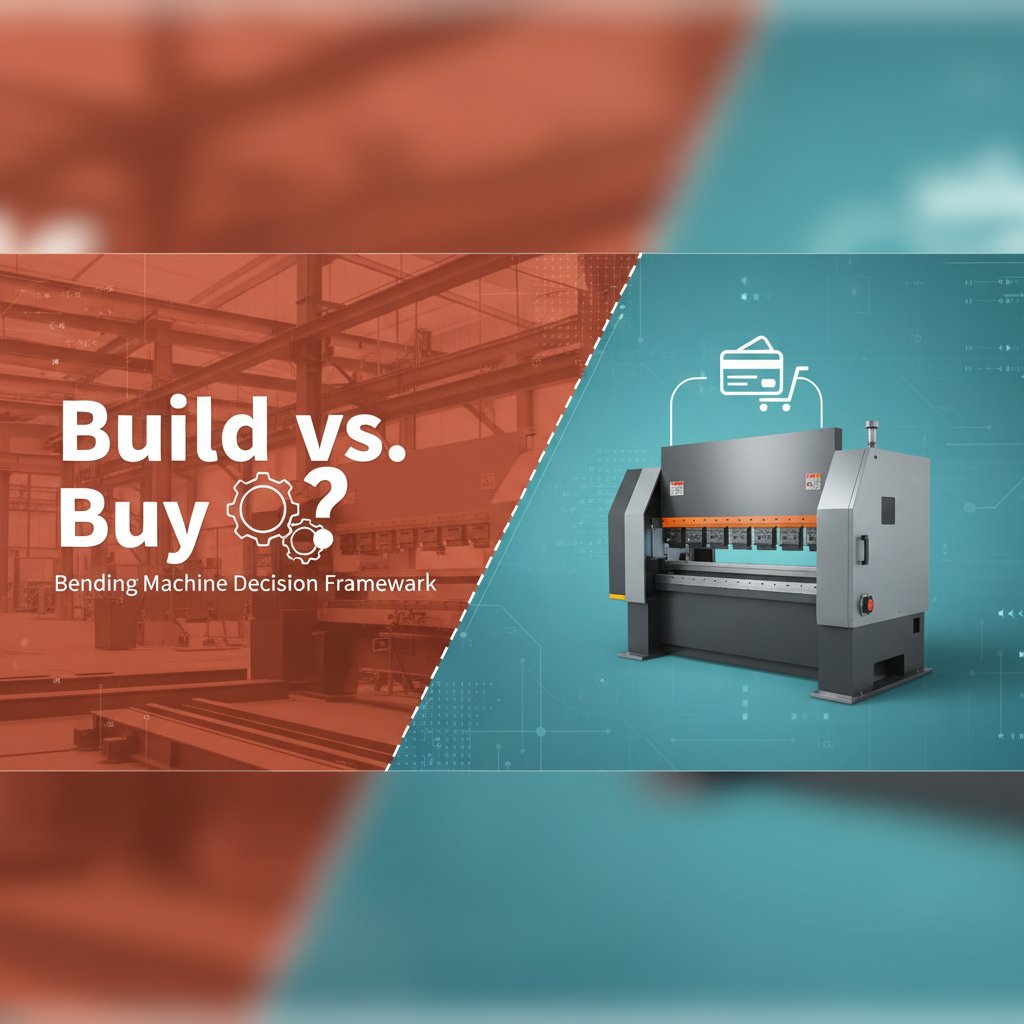
This framework provides a systematic approach to evaluating whether application specific bending machines should be developed internally or sourced from specialized bending machine manufacturers. By examining total cost of ownership, technical capabilities, risk factors, and strategic considerations, decision-makers can confidently select the path that aligns with operational requirements and business objectives.
Understanding the True Scope of Custom Bending Equipment
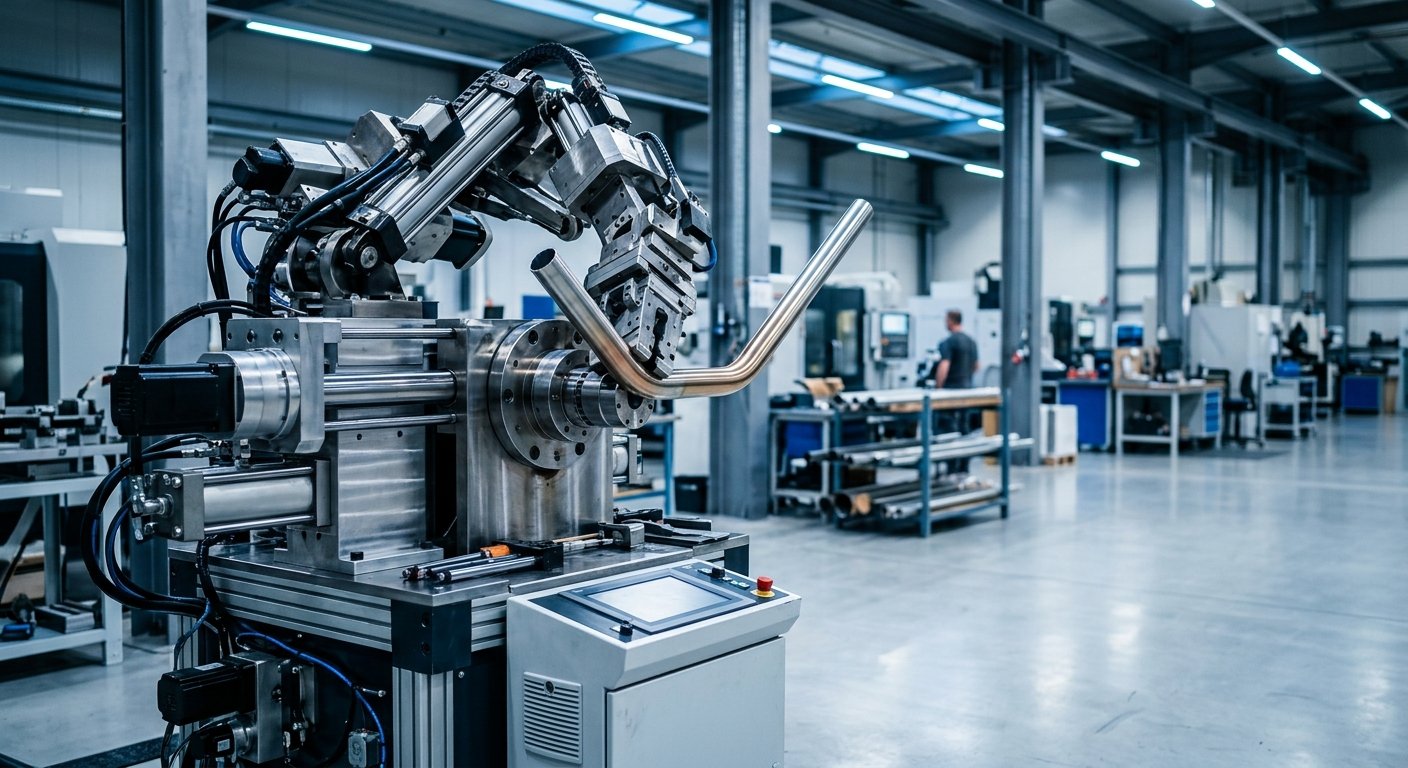
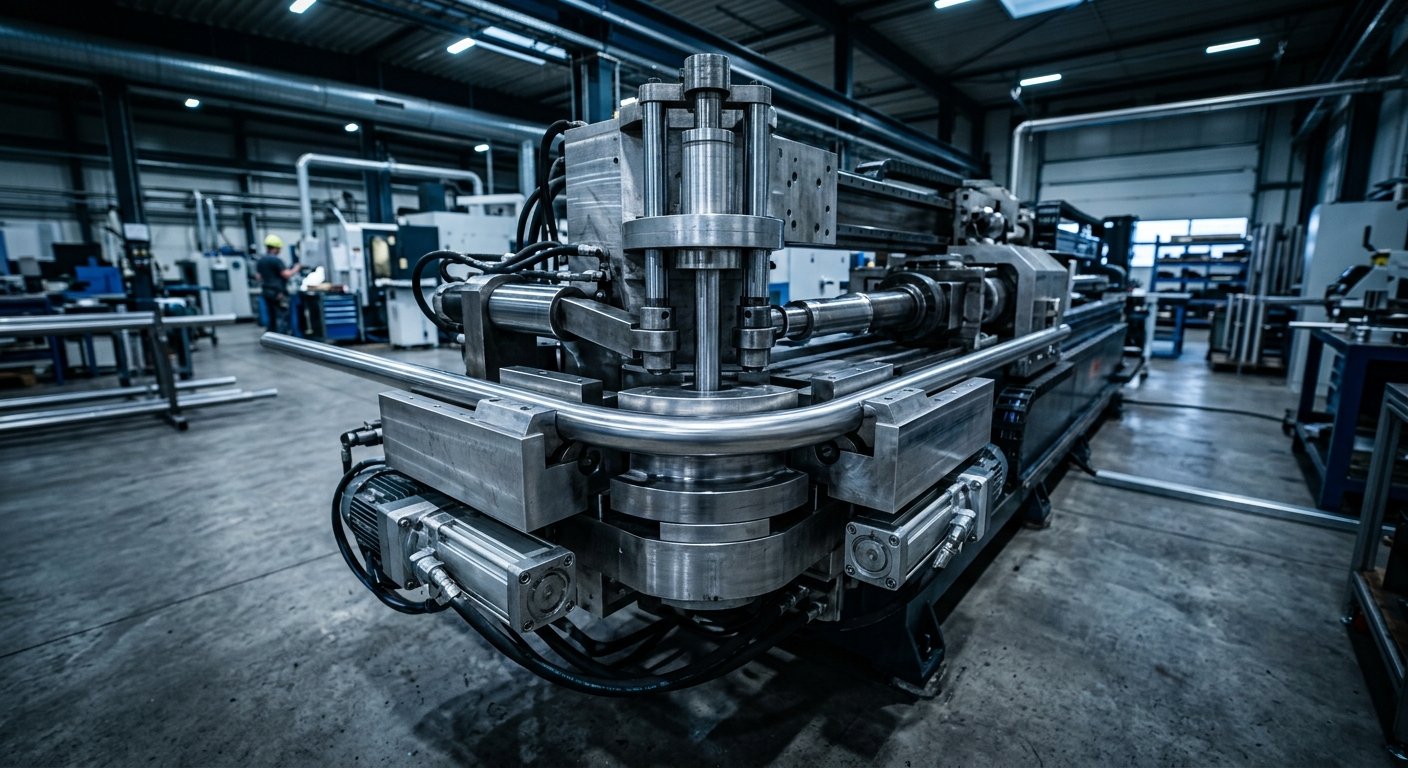
Before diving into the decision framework, it’s essential to recognize what engineered bending solutions actually entail. These aren’t off-the-shelf machines with minor modifications—they’re precision instruments designed to meet exact specifications for unique applications.
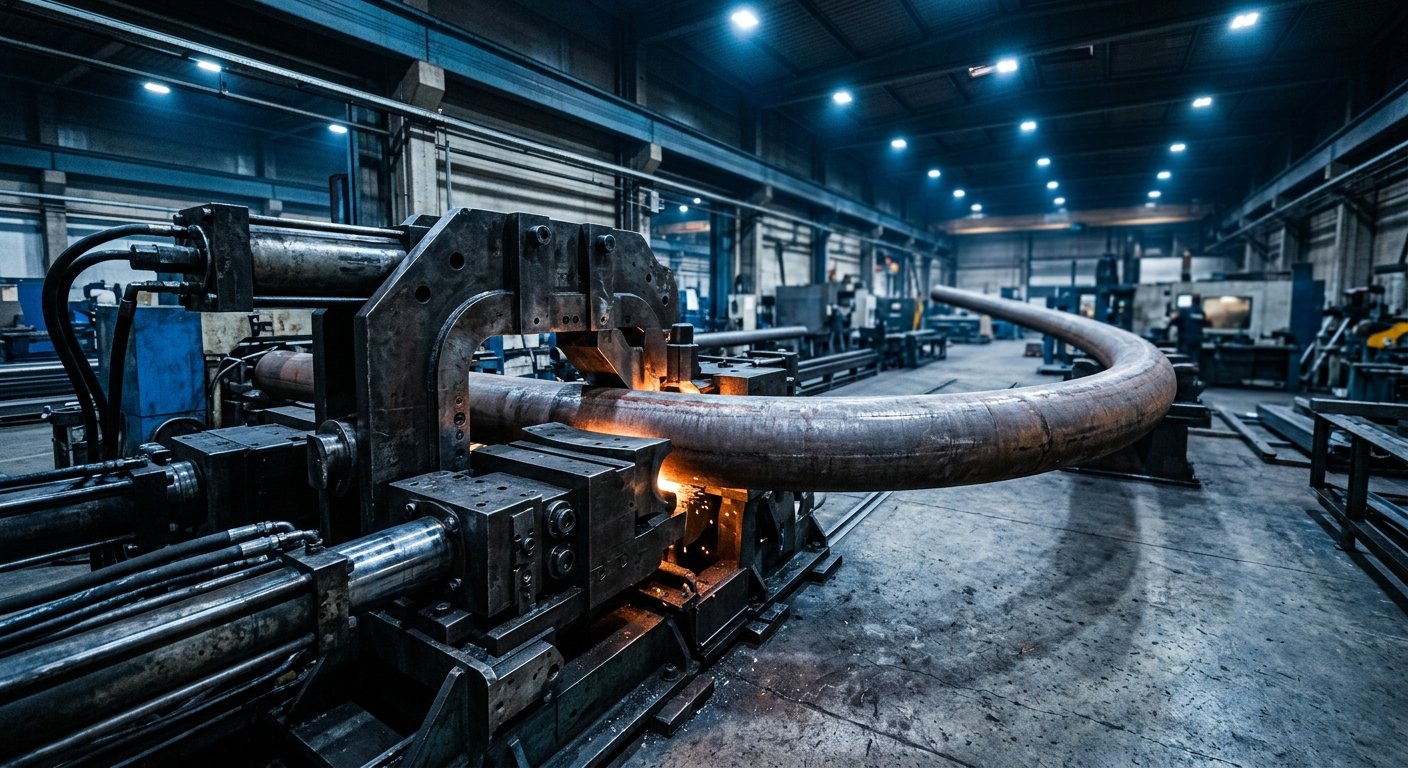
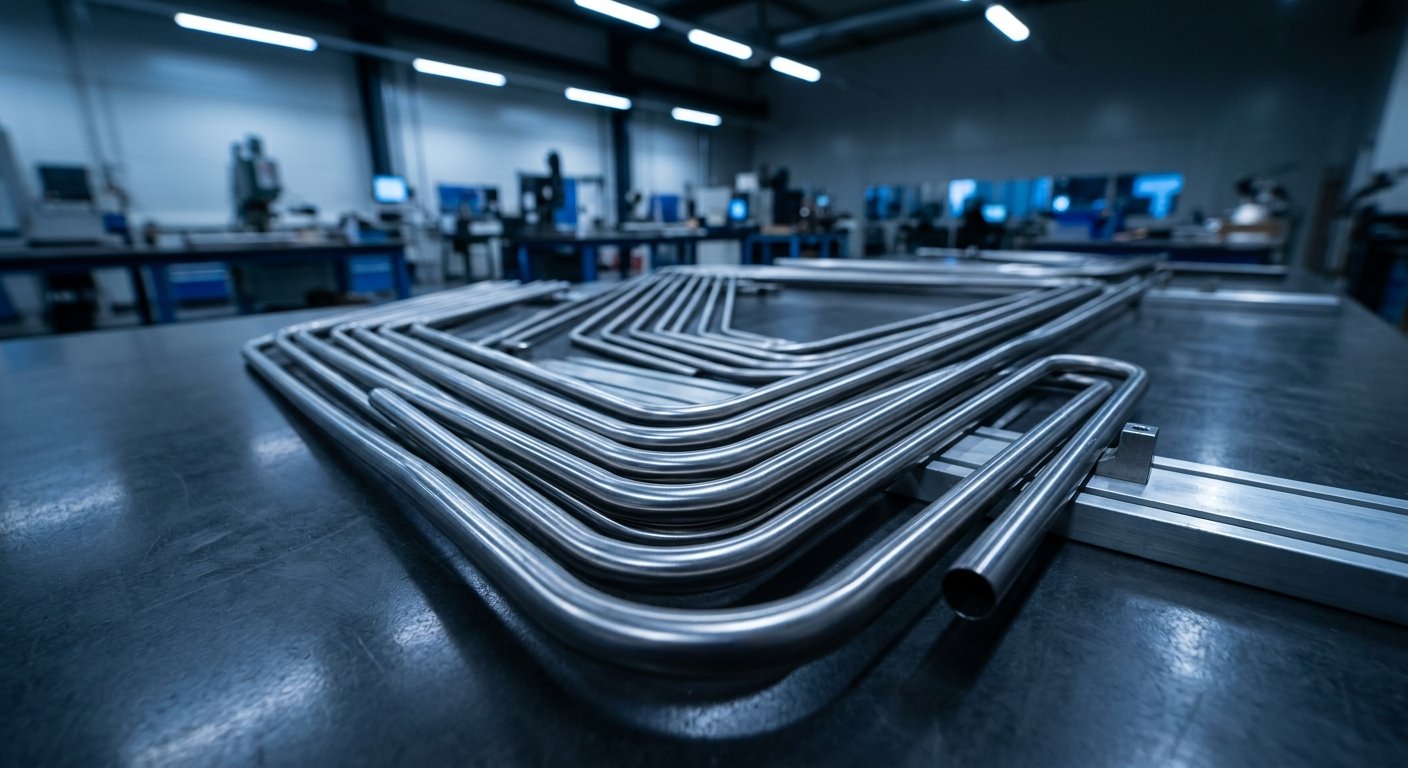
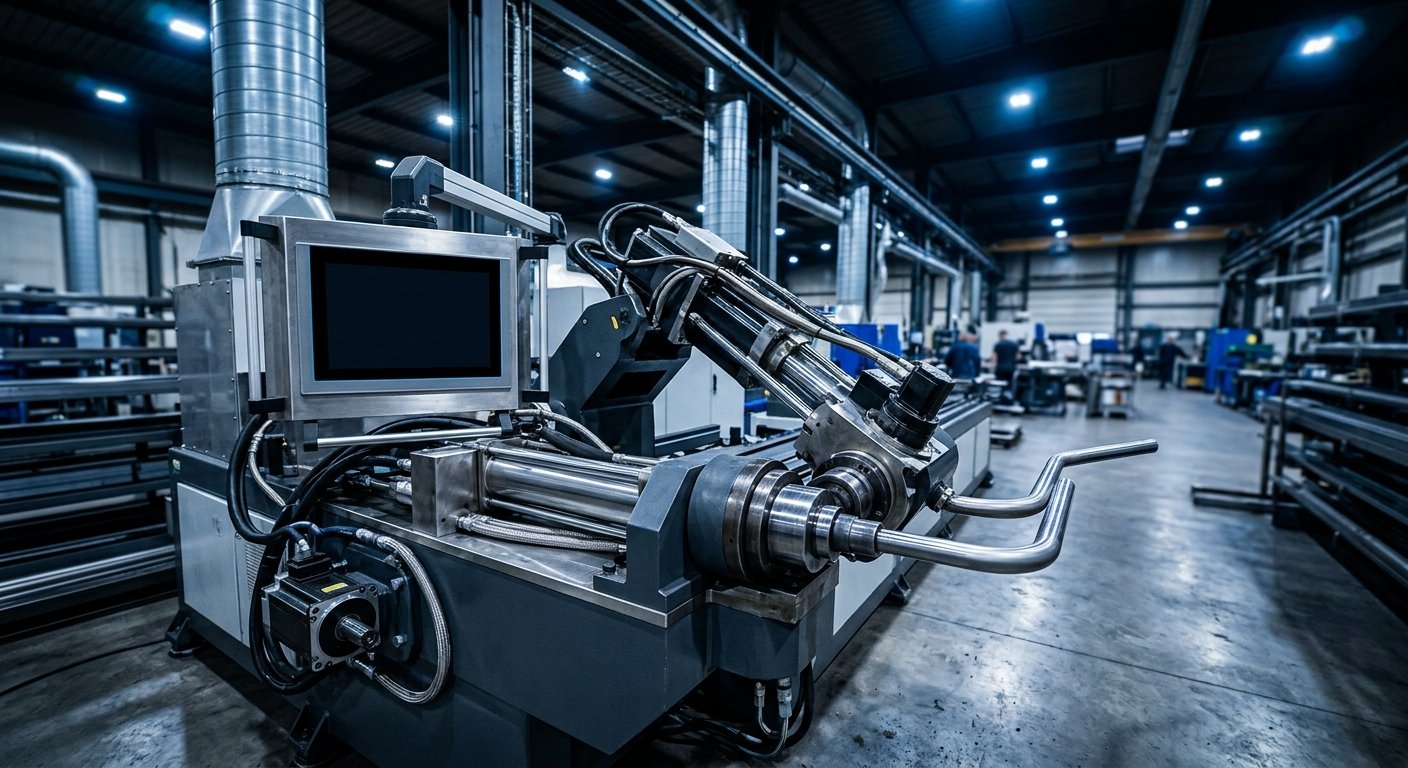
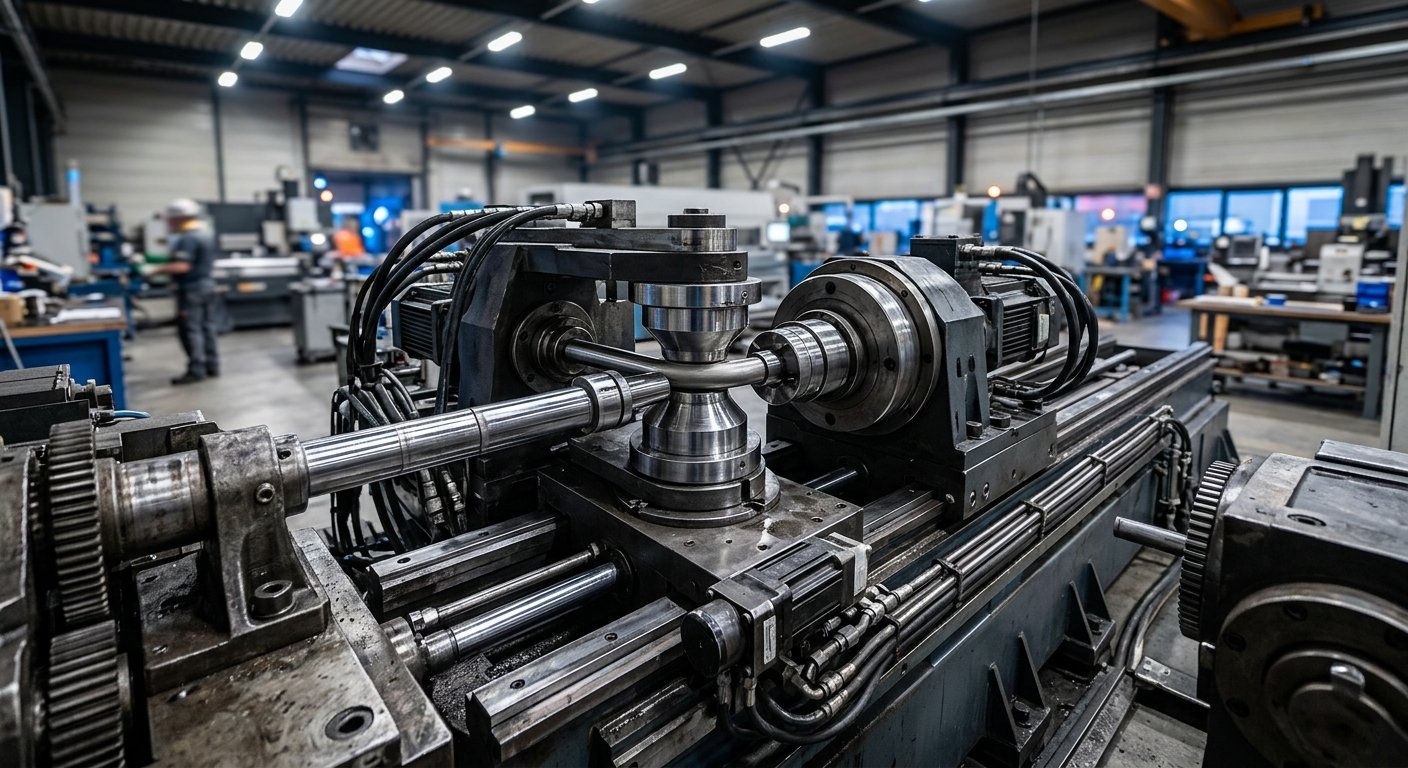
Custom tube bending equipment for aerospace applications, for instance, must achieve bend radii tolerances within ±0.005 inches while working with exotic materials like titanium and Inconel. Bespoke pipe bending machines for petrochemical plants need to handle large-diameter schedule 80 pipe while maintaining wall thickness integrity and preventing ovality beyond 5%. These specialized requirements demand sophisticated engineering that goes far beyond standard fabrication capabilities.
The complexity increases exponentially when applications require:
- Multi-axis CNC control with programmable bend sequences
- Automated mandrel selection and positioning systems
- Real-time monitoring and quality verification
- Integration with existing manufacturing execution systems
- Material-specific tooling and pressure die configurations
- Compliance documentation for AS9100 or API certifications
The Build Case: When Internal Development Makes Sense
Building custom bending machines in-house appeals to organizations with specific advantages and circumstances. Understanding when this approach succeeds helps prevent costly missteps.
Technical Capacity and Infrastructure
Organizations with established machine tool design departments, CNC programming expertise, and precision fabrication facilities possess fundamental building blocks for internal development. If your team already designs and builds specialized manufacturing equipment, adding bending machines to the portfolio may leverage existing capabilities.
Companies like major aerospace OEMs sometimes develop proprietary bending solutions when production volumes justify dedicated engineering resources and when the bending process contains trade secrets integral to competitive advantage. These situations remain exceptional rather than typical.
Extremely Unique Requirements
Occasionally, applications exist with specifications so unusual that no custom bending machine manufacturer has addressed them. Research facilities developing next-generation heat exchangers or defense contractors working with classified materials might face scenarios where sharing specifications with external partners proves impractical.
However, experienced specialized manufacturers have typically encountered more bending challenges than most individual companies face in decades. What appears unique often has established solutions in other industries.
Long-Term Strategic Considerations
Building internal capabilities makes strategic sense when bending expertise becomes a core competency that differentiates your products in the marketplace. If your competitive advantage depends on proprietary bending processes that customers cannot easily replicate, developing this capability internally protects intellectual property.
This rationale applies primarily when the bending process itself—not just the bent components—constitutes the value proposition.
The Hidden Costs of Building
The build decision often underestimates total development costs. Initial capital expenditure represents just one component of true cost of ownership.
Engineering design and prototyping for tailored tube bending machines typically requires 1,500-3,000 hours of skilled engineering time. At fully-loaded engineering rates exceeding $150 per hour in 2026, design costs alone reach $225,000-$450,000 before fabricating a single component.
Machine fabrication, assembly, and testing add substantial expense. Precision components—hydraulic systems, CNC controls, servo motors, encoders, and specialized tooling—must be sourced, often at higher unit costs than specialized manufacturers pay through established supply relationships.
The timeline extends considerably. Custom development typically requires 12-18 months from concept to production-ready equipment. During this period, production continues with less efficient methods, representing opportunity costs that rarely appear in capital budgets but significantly impact competitiveness.
Perhaps most importantly, the initial machine represents version 1.0. Specialized bending machine manufacturers deliver equipment refined through hundreds of installations and thousands of production hours. Their machines incorporate solutions to problems you haven’t encountered yet. Your first machine will reveal issues requiring iterative improvements, extending timelines and increasing costs.
The Buy Case: Partnering with Specialized Manufacturers
Sourcing engineered bending solutions from established manufacturers provides advantages that extend far beyond avoiding development costs.
Proven Technology and Reliability
Manufacturers specializing in application specific bending machines bring decades of accumulated engineering knowledge. They’ve solved bending challenges across aerospace, petrochemical, oil and gas, automotive, and defense applications. This experience translates directly into more reliable equipment with fewer production disruptions.
American manufacturers with proven track records serving NASA, military contractors, and major energy companies demonstrate capability through performance, not promises. Equipment that meets stringent government specifications and maintains uptime in critical production environments provides confidence that internal development rarely matches initially.
Faster Time to Production
Specialized manufacturers typically deliver custom bending machine solutions in 4-6 months rather than 12-18 months for internal development. This shortened timeline means earlier revenue generation from new product lines and faster response to market opportunities.
When aerospace subcontractors win new contracts requiring specific bending capabilities, production deadlines don’t accommodate year-long equipment development cycles. Partnering with experienced manufacturers aligns equipment delivery with contract requirements.
Comprehensive Support and Training
Equipment purchase includes operator training, maintenance programs, troubleshooting support, and spare parts availability. These services prove invaluable when production issues arise. Having technical support from engineers who designed the equipment and understand every subsystem provides problem-solving resources that internal development cannot match without building entire support infrastructure.
For organizations running multiple shifts or operating in remote locations, manufacturer support minimizes downtime that directly impacts production schedules and customer commitments.
Cost Predictability
Purchase pricing provides clear capital expenditure figures without uncertainty inherent in development projects. While custom bending equipment represents significant investment, the cost is known upfront rather than subject to scope creep, timeline extensions, and unexpected engineering challenges that plague internal development.
Decision Framework: Structured Evaluation
Apply this systematic framework to evaluate build versus buy decisions objectively.
Step 1: Technical Requirements Definition
Document precise bending specifications including materials, tube or pipe dimensions, bend radii, tolerance requirements, production volumes, and quality standards. Identify whether requirements are truly unique or represent challenging but established applications.
Step 2: Internal Capability Assessment
Honestly evaluate existing engineering resources, fabrication capabilities, and expertise. Can your team realistically design, build, and support precision bending equipment while maintaining current responsibilities? What expertise gaps exist, and how will you fill them?
Step 3: Total Cost Analysis
Calculate comprehensive costs including engineering time, materials, fabrication, testing, installation, training, maintenance, and opportunity costs during development. Compare against quotes from specialized manufacturers including support services and warranty coverage.
Step 4: Timeline Impact Evaluation
Determine how equipment availability affects production schedules, contract commitments, and revenue recognition. Calculate the value of earlier production capability that purchasing provides.
Step 5: Risk Assessment
Identify risks associated with each approach. Internal development risks include technical challenges, timeline delays, performance shortfalls, and ongoing support requirements. Purchase risks include supplier capability, long-term support availability, and potential for specification misalignment.
Step 6: Strategic Alignment
Consider whether bending expertise constitutes core competency central to competitive differentiation or supporting capability best sourced from specialists. Evaluate whether resources dedicated to equipment development could generate greater value in other areas.
Hybrid Approaches and Collaborative Development
The build-versus-buy decision isn’t always binary. Collaborative approaches can leverage internal knowledge and external expertise effectively.
Some organizations partner with custom bending machine manufacturers for initial equipment development while building internal expertise gradually. This approach provides production-ready equipment immediately while transferring knowledge for future enhancements or additional machines.
Others specify critical proprietary components or processes while leaving standard machine systems to specialized manufacturers. This protects intellectual property while benefiting from established engineering for hydraulics, controls, and mechanical systems.
Making the Decision: Key Indicators
Several indicators suggest buying from specialized manufacturers typically provides better outcomes:
- Production requirements demand equipment within 6-9 months
- Bending specifications align with challenging but established applications
- Internal engineering resources are fully allocated to core product development
- Your organization lacks extensive machine tool design experience
- Quality standards require proven reliability and documented performance
- Long-term support and maintenance capabilities matter significantly
Building internally makes sense primarily when bending processes are truly proprietary, engineering resources are available, timelines are flexible, and developing this expertise supports strategic objectives beyond the immediate project.
Moving Forward with Confidence
The build-versus-buy decision for application specific bending machines requires thorough analysis beyond initial capital costs. Total cost of ownership, timeline implications, technical risks, and strategic alignment all factor into optimal decisions.
For most organizations in aerospace, petrochemical, oil and gas, and defense manufacturing, partnering with established specialized bending machine manufacturers provides faster time-to-production, proven reliability, comprehensive support, and better resource allocation. Internal engineering talent generates more value focused on core product innovation rather than supporting equipment development.
The framework presented here enables systematic evaluation based on your specific requirements, capabilities, and strategic objectives. Whether you ultimately build internally or partner with specialized manufacturers, structured decision-making ensures alignment with business goals and production requirements.
Ready to explore engineered bending solutions for your specific application? Contact our engineering team to discuss your requirements and learn how American-manufactured, custom-designed bending equipment can meet your most demanding specifications. With proven performance in aerospace, defense, and energy applications, we’ll help you evaluate options and determine the optimal path forward for your operation.