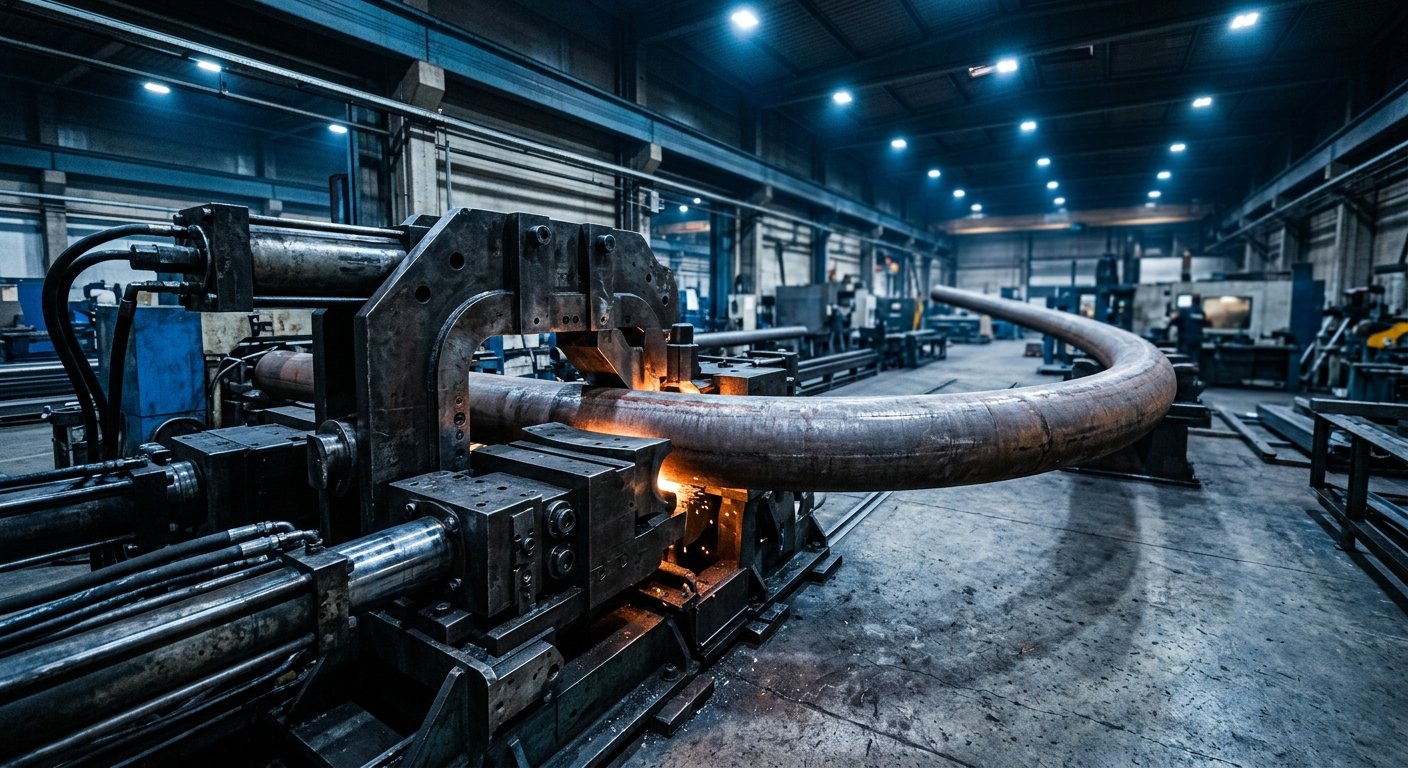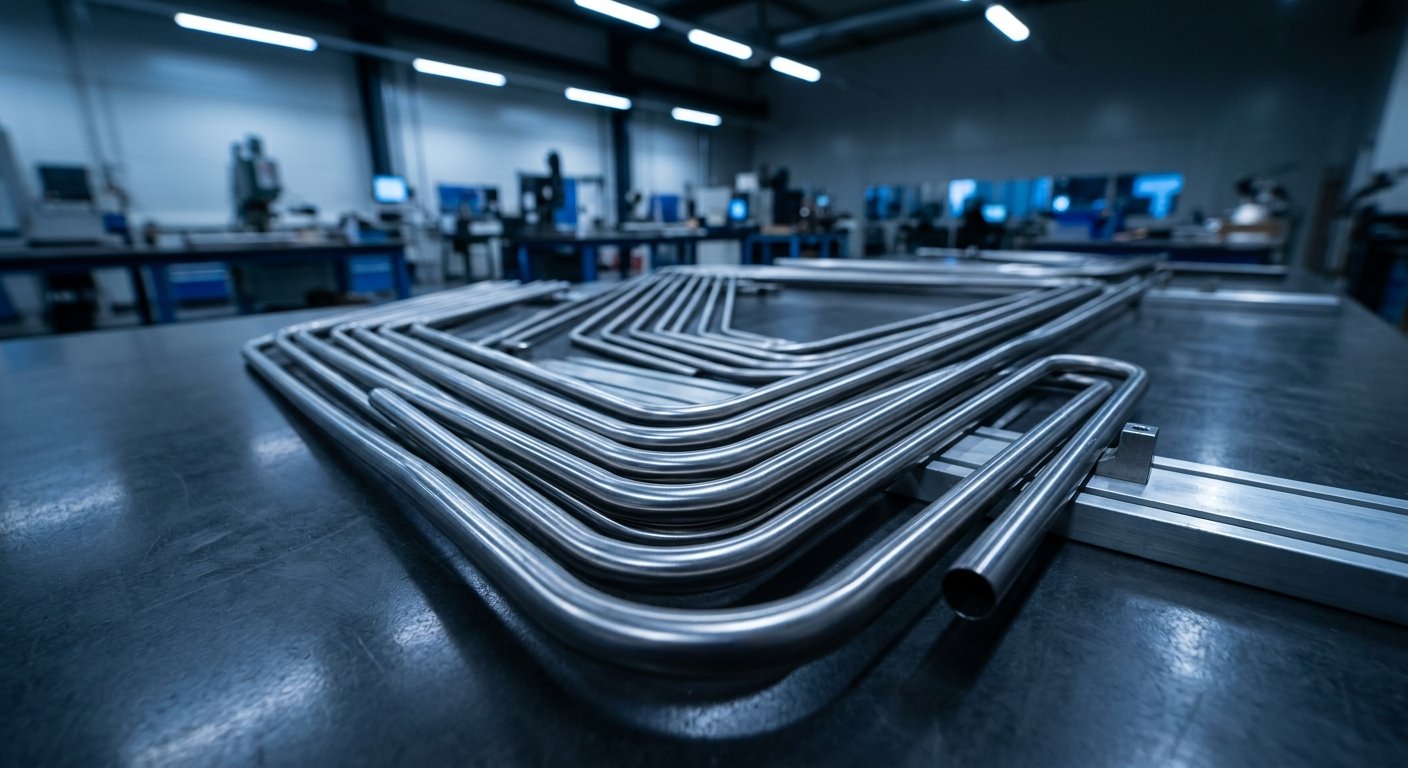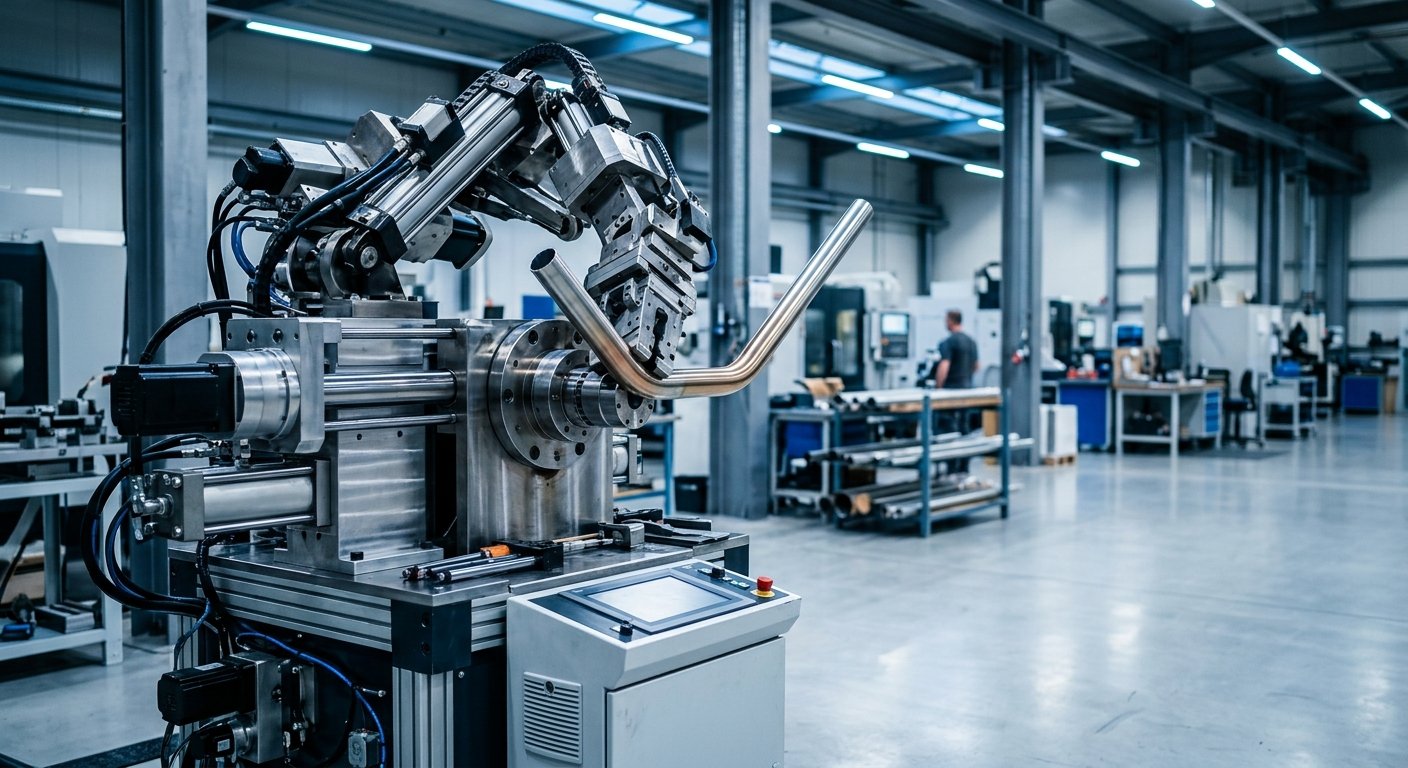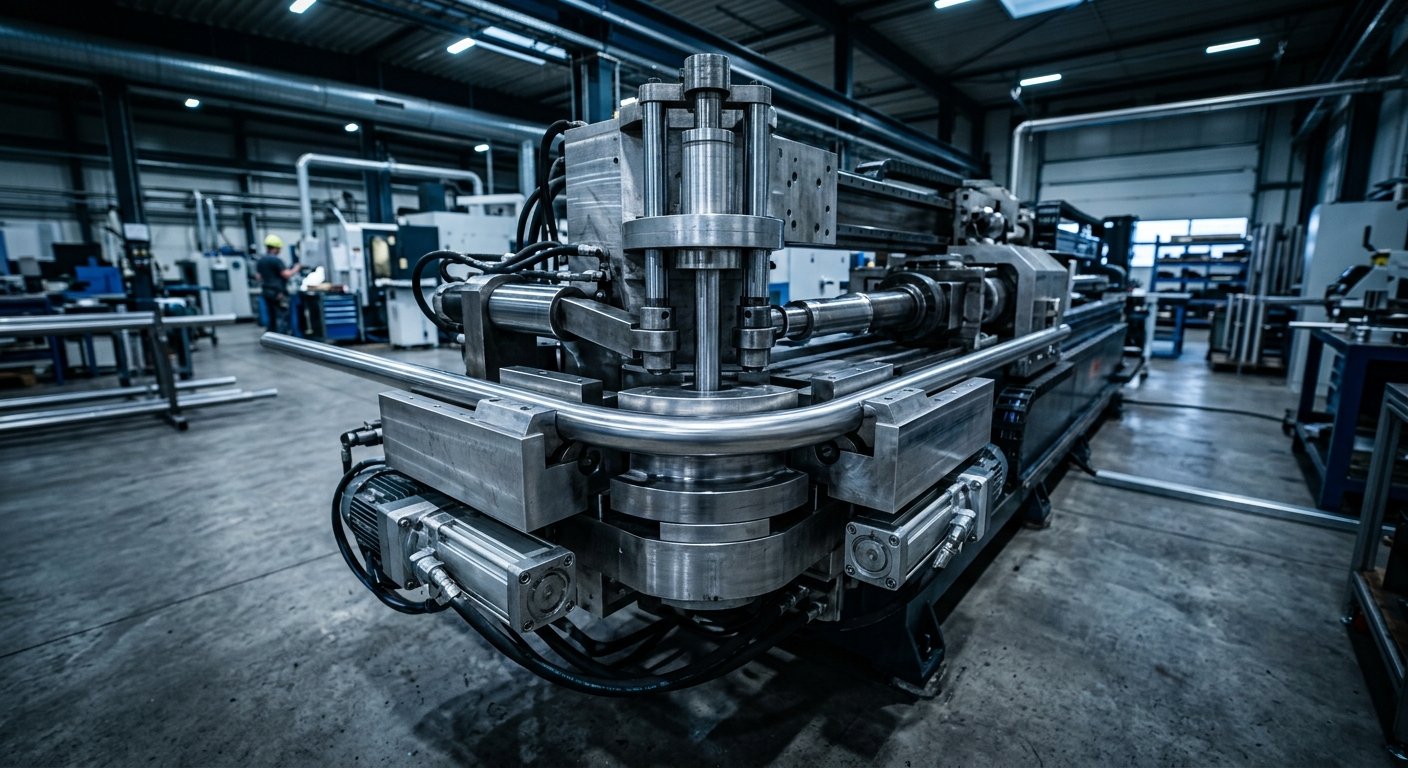
Investing in pre-owned CNC tube benders can deliver exceptional value—when you know exactly what to inspect. Production managers facing capital constraints or seeking to expand capacity quickly often turn to used tube bending machines as a strategic alternative to new equipment purchases. However, the difference between a reliable workhorse and a costly mistake hinges on thorough pre-purchase evaluation.
The secondary market for used industrial pipe benders has matured significantly, with reputable dealers now offering certified, refurbished equipment that performs comparably to new machines at 40-60% cost savings. Yet not all used equipment delivers equal value. This checklist provides engineering managers and procurement specialists with a systematic framework for evaluating pre-owned CNC tube benders, ensuring your investment meets production requirements and quality standards.
Understanding the Pre-Owned CNC Tube Bender Market in 2026
The landscape for used tube bending equipment has evolved considerably. Today’s market includes machines from facility consolidations, capacity upgrades, and corporate asset liquidations—many with minimal operating hours and excellent maintenance records. Working with an established tube bending equipment distributor provides access to inspected, documented inventory rather than navigating auction sites or direct industrial sales.
Quality CNC tube bender dealers differentiate themselves through comprehensive reconditioning processes, documentation transparency, and post-sale support. Before examining specific machines, verify the dealer’s credentials, warranty offerings, and technical service capabilities. The best dealers maintain relationships with original equipment manufacturers and stock genuine replacement components.
Critical Mechanical Component Inspection
Bending Head and Tooling Assembly
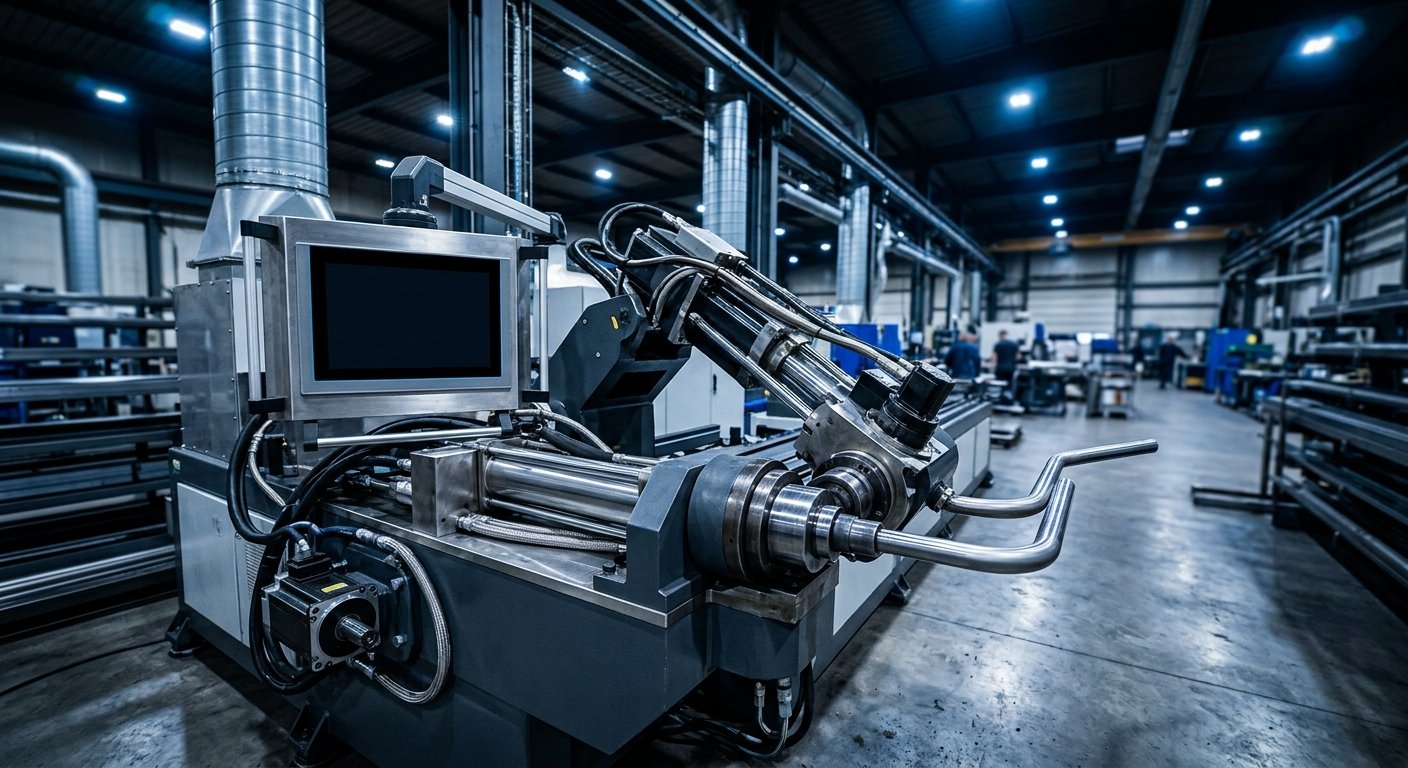
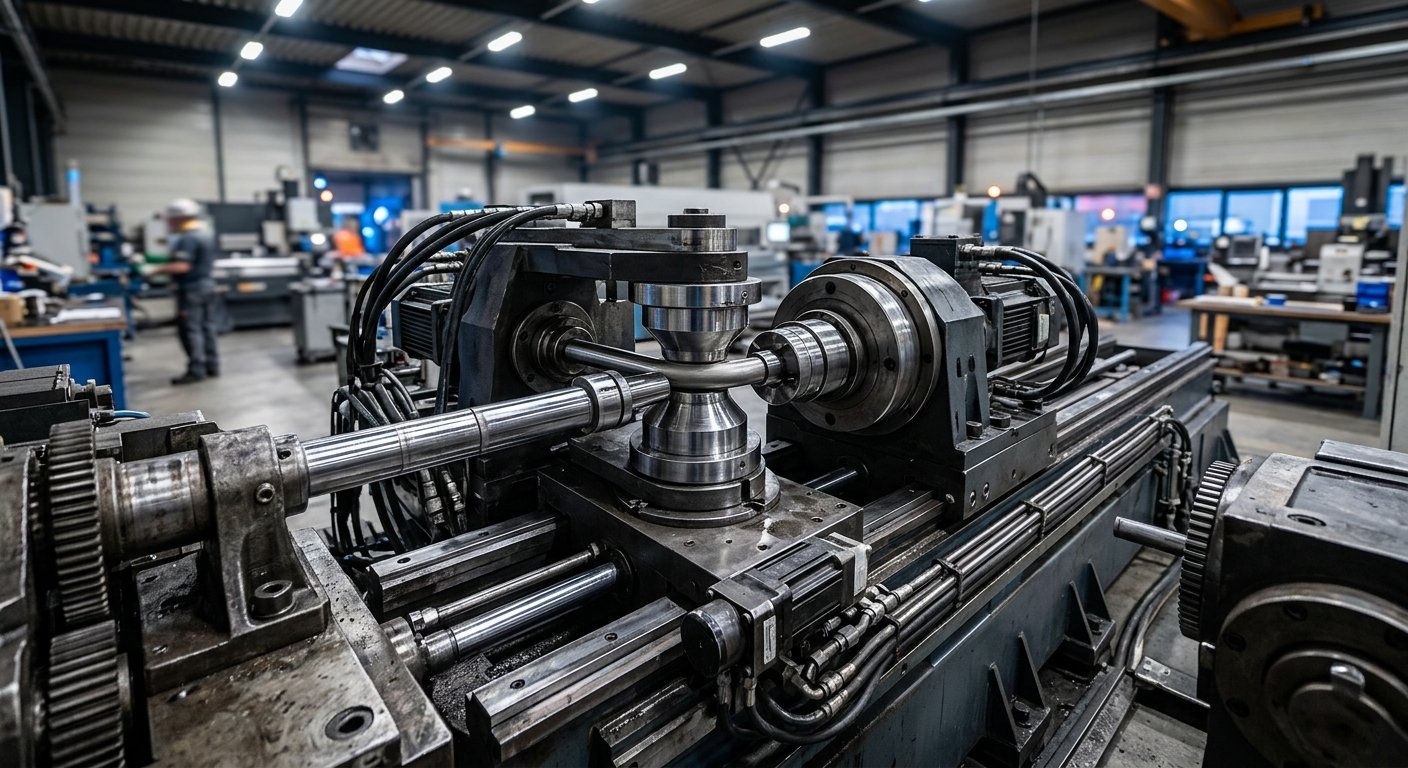
The bending head represents the machine’s core functional element. Begin your inspection here, examining the mandrel, wiper die, clamp die, and pressure die for wear patterns. Excessive wear indicates heavy use or inadequate maintenance. Request documentation showing tooling replacement schedules and inspect current tooling for cracks, scoring, or dimensional deviations.
Check the bend die’s radius accuracy using precision measuring instruments. Even minor variations—within 0.005 inches—can compromise bend quality for aerospace or medical applications. Examine the collet mechanism for secure tube gripping without deformation. Test the booster mechanism that provides supplemental pushing force during tight-radius bends.
Drive Systems and Motion Control
CNC tube benders rely on coordinated multi-axis motion. Inspect servo motors, drive belts, and ball screws for each controlled axis. Listen for unusual noises during operation—grinding, squealing, or irregular sounds indicate bearing wear or lubrication deficiencies. Evaluate backlash in each axis by commanding small incremental movements and measuring actual travel with dial indicators.
Request demonstration bends that exercise all axes simultaneously. The machine should execute complex bends smoothly without hesitation, vibration, or position loss. Pay particular attention to the rotation axis (R-axis) and carriage feed mechanism, as these experience the highest mechanical stress during production cycles.
Control System and Software Evaluation
The CNC controller determines programming flexibility, ease of operation, and integration potential with existing systems. Verify the controller manufacturer and model, then research parts availability and technical support. Proprietary or obsolete controllers present significant long-term risk regardless of mechanical condition.
Test the human-machine interface (HMI) thoroughly. Navigate through programming screens, verify input accuracy, and confirm that all function keys respond correctly. Request the operating manual and any available programming documentation. Evaluate whether the control system supports modern file transfer methods—USB, Ethernet, or cloud connectivity—rather than outdated floppy disk or serial interfaces.
If the machine includes offline programming software, verify license transferability and compatibility with current operating systems. Some older software packages won’t run on Windows 10 or 11, requiring costly upgrades or workarounds.
Structural Integrity Assessment
Examine the machine base and frame for cracks, distortion, or repair evidence. Cast iron bases can develop stress fractures from thermal cycling or impact. Welded steel frames may show cracks near high-stress joints. Use dye penetrant or magnetic particle inspection for suspected crack areas if the investment justifies this expense.
Check the machine’s levelness using precision levels across multiple planes. Foundation settling or internal structural issues manifest as out-of-level conditions. While leveling adjustments are routine during installation, significant deviations suggest deeper problems.
Inspect all guideways and linear motion components. Ball screws should show minimal wear, and linear guide rails must be straight without scoring. These precision components are expensive to replace and critical for bend accuracy.
Hydraulic and Pneumatic Systems
Many CNC tube benders incorporate hydraulic systems for clamping force and mandrel extraction. Inspect the hydraulic power unit for leaks, contamination, and proper fluid level. Request hydraulic pressure testing to verify the system maintains specified pressures without drift. Examine hoses and fittings for age-related deterioration—rubber hoses typically require replacement every 5-7 years regardless of appearance.
Test pneumatic systems similarly, checking for air leaks at connections and valve assemblies. Compressed air quality affects component longevity, so inspect filter-regulator-lubricator units for proper function and appropriate pressure settings.
Electrical System and Safety Features
Open electrical enclosures to inspect wiring condition, connection tightness, and component cleanliness. Look for heat discoloration on contactors and relays indicating overload conditions. Verify that circuit breakers and fuses match specified ratings. Aftermarket modifications or jury-rigged repairs are red flags suggesting maintenance shortcuts.
Test all safety interlocks, emergency stops, and guarding systems. These features must function correctly and meet current OSHA standards. Some older machines may require safety system upgrades to achieve compliance, representing additional investment beyond purchase price.
Examine the power distribution system and verify incoming power requirements match your facility capabilities. Three-phase voltage, frequency, and amperage must align with your electrical service.
Documentation and Maintenance History Review
Comprehensive documentation separates professional equipment dealers from casual sellers. Request complete maintenance records showing scheduled service, component replacements, and any repairs. Machines with documented preventive maintenance programs significantly outperform those with sporadic or unknown service history.
Obtain original equipment manuals, electrical schematics, pneumatic diagrams, and parts lists. This documentation proves invaluable for troubleshooting and maintenance. If original materials are unavailable, determine whether the manufacturer or dealer can provide replacements.
Review any available production records showing the machine’s operating hours and bend complexity. Light-duty applications producing simple bends stress equipment less than continuous operation on tight-radius, thick-wall tubing.
Performance Testing and Validation
No inspection substitutes for actual production testing. Request demonstration bends using materials and specifications matching your intended applications. For aerospace work, this might include 6061-T6 aluminum or titanium tubing at specific radii and tolerances. Oil and gas applications may require stainless steel pipe bends meeting ASME B31.3 standards.
Measure completed bends thoroughly using appropriate inspection equipment. Check radius accuracy, degree of bend, ovality, wall thinning, and springback compensation. Compare results against applicable standards—whether military specifications, aerospace requirements, or commercial tolerances.
Test repeatability by programming identical bends across multiple cycles. Variation between parts indicates mechanical issues or control system problems requiring attention before purchase.
Evaluating Total Cost of Ownership
Purchase price represents only one component of total ownership cost. Factor in transportation, installation, required repairs or upgrades, spare parts inventory, operator training, and ongoing maintenance. A lower-priced machine from a distant seller may ultimately cost more than a properly supported unit from an established cnc tube bender dealer offering installation services and technical support.
Calculate return on investment based on realistic production scenarios. Consider setup time, cycle time, scrap rates, and labor requirements. Modern machines with advanced controls and automated features often justify higher prices through improved efficiency and reduced operating costs.
Warranty and Support Considerations
Reputable dealers of pre-owned cnc tube benders offer warranties covering major components for 90 days to one year. Understand exactly what the warranty covers, exclusions, and claim procedures. Extended warranty options may be available for additional cost.
Evaluate post-sale support availability. Can the dealer provide technical assistance, replacement parts, and field service? Do they offer operator training or applications support? These services add substantial value, particularly for complex machines or specialized applications.
Confirm parts availability for the specific machine model. Equipment from manufacturers that remain in business with active parts support presents lower long-term risk than orphaned models from defunct companies.
Making the Final Decision
After completing your inspection, compile findings into a comprehensive assessment. Create a checklist documenting mechanical condition, required repairs, missing components, and overall suitability for your applications. Obtain written quotes for any necessary reconditioning work before finalizing negotiations.
Compare multiple machines when possible, weighing condition, capabilities, support, and total cost. The best value rarely comes from the cheapest option, but rather from equipment offering the optimal balance of price, performance, and reliability for your specific requirements.
For mission-critical applications—particularly aerospace, defense, or safety-regulated industries—consider whether refurbished equipment from the original manufacturer provides additional assurance. Factory-certified rebuilds typically include comprehensive inspection, component replacement, and warranty coverage approaching new machine standards.
Frequently Asked Questions
What’s the typical lifespan of a CNC tube bender?
Well-maintained CNC tube benders regularly operate effectively for 20-30 years. Critical factors include operating hours, application severity, maintenance quality, and technological obsolescence of control systems. Mechanical components can be rebuilt or replaced, but outdated controllers may eventually limit continued operation.
How much should I expect to save buying pre-owned versus new equipment?
Pre-owned CNC tube benders typically cost 40-60% less than equivalent new machines, depending on age, condition, and included tooling. Additional savings from faster delivery and immediate availability can accelerate production startups compared to new equipment lead times of 16-24 weeks.
Can pre-owned tube benders meet aerospace quality standards?
Absolutely. Machine age doesn’t determine quality—maintenance, calibration, and proper operation do. Many aerospace manufacturers successfully use older equipment meeting AS9100 requirements through rigorous calibration programs, documented maintenance, and process validation. The machine’s capability to produce parts within specification matters, not its purchase date.
What’s the biggest risk when purchasing used tube bending equipment?
Inadequate inspection leading to unexpected repair costs represents the primary risk. Hidden wear in critical components, obsolete controls, or undisclosed damage can transform an apparent bargain into a costly problem. Working with reputable dealers who provide thorough inspections, documentation, and warranties substantially mitigates these risks.
Partner With Experienced Tube Bending Professionals
Selecting pre-owned CNC tube benders requires technical expertise and market knowledge that comes from decades in precision metal forming. Whether you’re expanding capacity, replacing aging equipment, or entering new markets, the right used tube bending machine delivers immediate productivity at compelling economics.
Our team brings extensive experience evaluating, reconditioning, and supporting tube bending equipment across aerospace, energy, and industrial applications. We maintain relationships with leading manufacturers, understand the technical requirements of demanding applications, and stock genuine replacement components for ongoing support. Contact us to discuss your specific bending requirements and explore available pre-owned equipment that meets your quality standards and budget parameters.