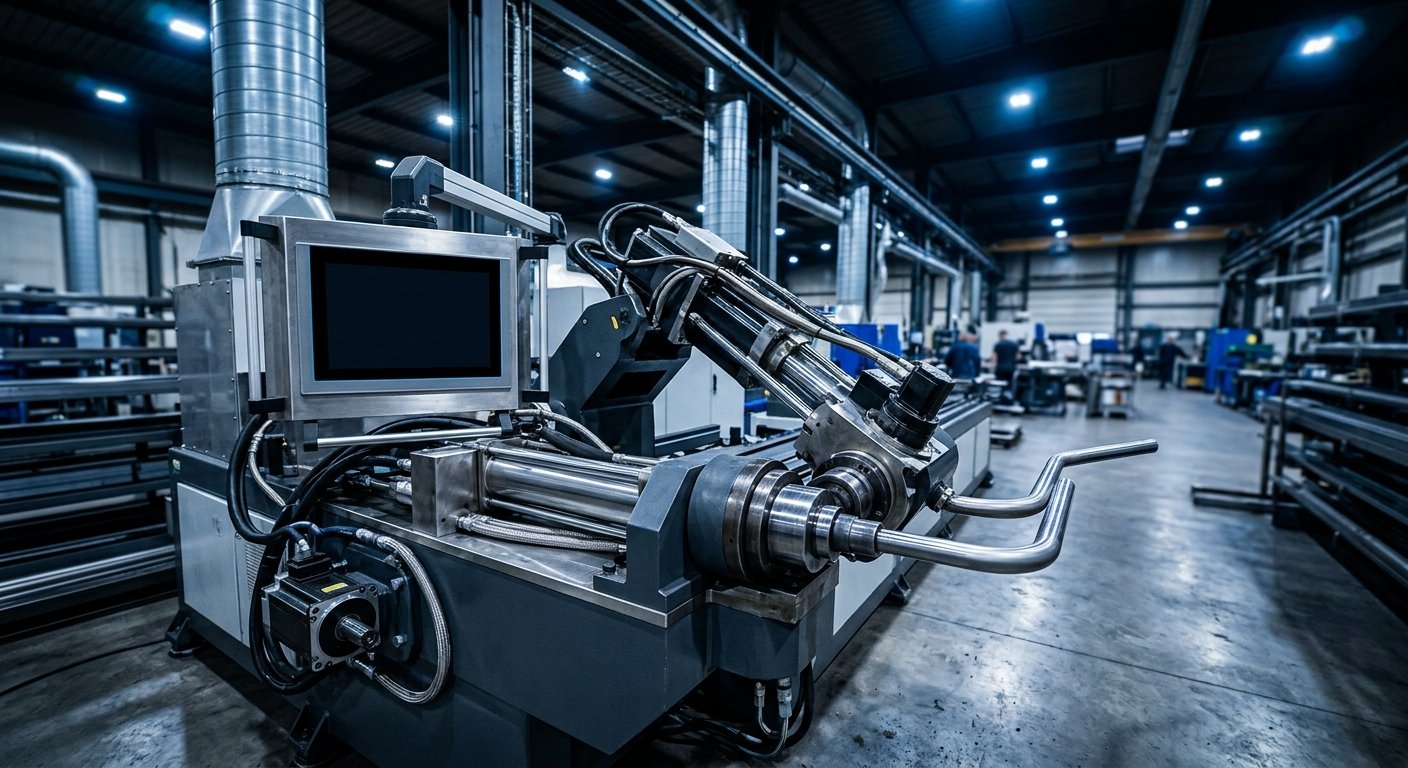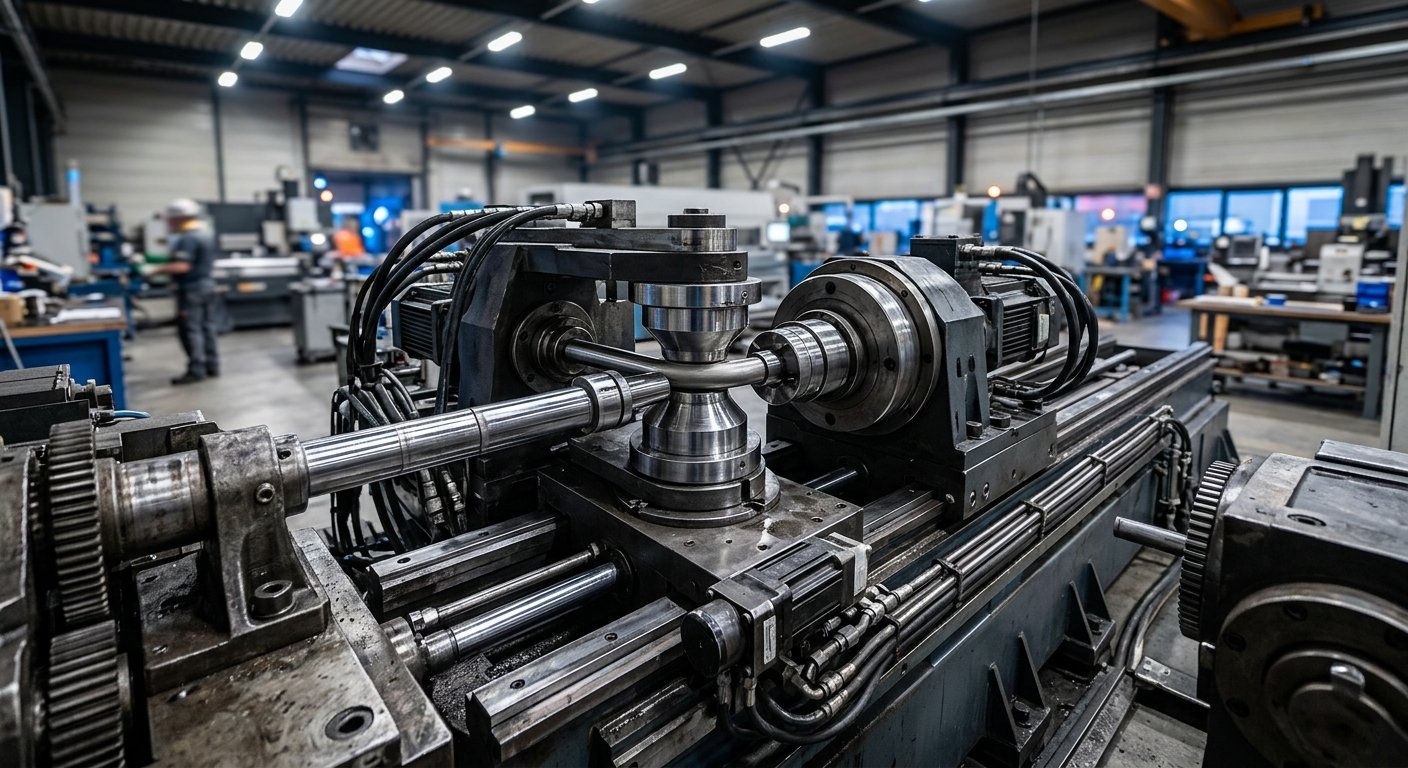
The decision to source pipe bending equipment domestically carries significant weight in 2026’s manufacturing landscape. With supply chain vulnerabilities exposed over recent years and lead times from overseas suppliers stretching beyond acceptable timelines, American-made industrial pipe benders offer tangible advantages beyond patriotic preference. For engineering managers specifying equipment for critical applications in aerospace, defense, energy infrastructure, and petrochemical processing, partnering with a domestic industrial pipe bender manufacturer USA provides security, compliance assurance, and technical support that matters when production cannot afford delays.
Understanding the landscape of American pipe bending machine manufacturers, their capabilities, and how to evaluate them for your specific requirements separates successful equipment acquisitions from costly mistakes.
Why Domestic Sourcing Matters in 2026
The manufacturing environment has fundamentally shifted. Defense and aerospace applications now face stricter compliance requirements around domestic content, making American made pipe benders not just preferable but mandatory for certain contracts. The Department of Defense’s strengthened Buy American requirements and NASA’s procurement standards explicitly favor domestic manufacturers with proven track records.
Beyond regulatory compliance, domestic sourcing delivers practical advantages. Lead times from U.S. manufacturers typically range from 8-16 weeks for standard configurations versus 20-40 weeks for international suppliers, accounting for production, shipping, and customs clearance. When equipment failures threaten production schedules, proximity to the manufacturer means replacement parts arrive in days, not months.
Technical support proves equally critical. Troubleshooting complex bending operations for exotic materials or tight-tolerance aerospace components requires direct communication with engineering teams who designed the equipment. Time zone alignment, language clarity, and the ability to bring technicians on-site within 48 hours provide measurable value that spreadsheet comparisons often overlook.
Core Capabilities to Evaluate
Not all pipe bending machine manufacturers offer equivalent capabilities. Your evaluation should focus on technical specifications aligned with your application requirements rather than generic marketing claims.
Bending Capacity and Precision
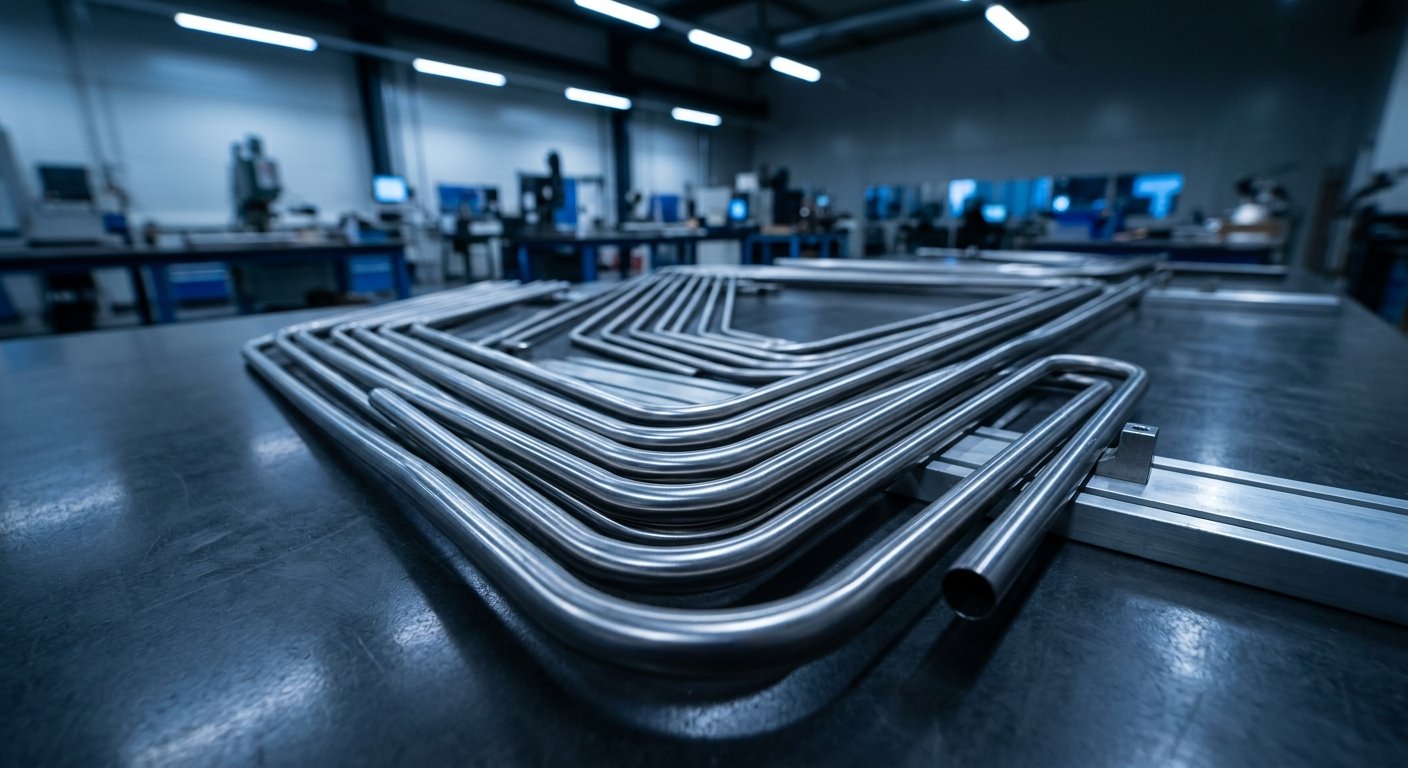
Industrial applications demand different capabilities. Petrochemical processing might require bending 6-inch diameter heavy-wall pipe in carbon steel or stainless alloys, while aerospace hydraulic systems need sub-quarter-inch tubing bent to exacting tolerances. A precision pipe bending manufacturer should clearly specify:
- Maximum tube/pipe outer diameter and wall thickness capacity
- Minimum centerline radius (CLR) achievable without mandrels
- Achievable tolerances for angle (typically ±0.25° for precision work)
- Repeatability specifications for production environments
- Material compatibility range from aluminum to Inconel
For aerospace and defense applications, look for manufacturers with documented experience meeting AS9100 quality standards and the ability to maintain tolerances across production runs of hundreds or thousands of parts.
Mandrel and Tooling Technology
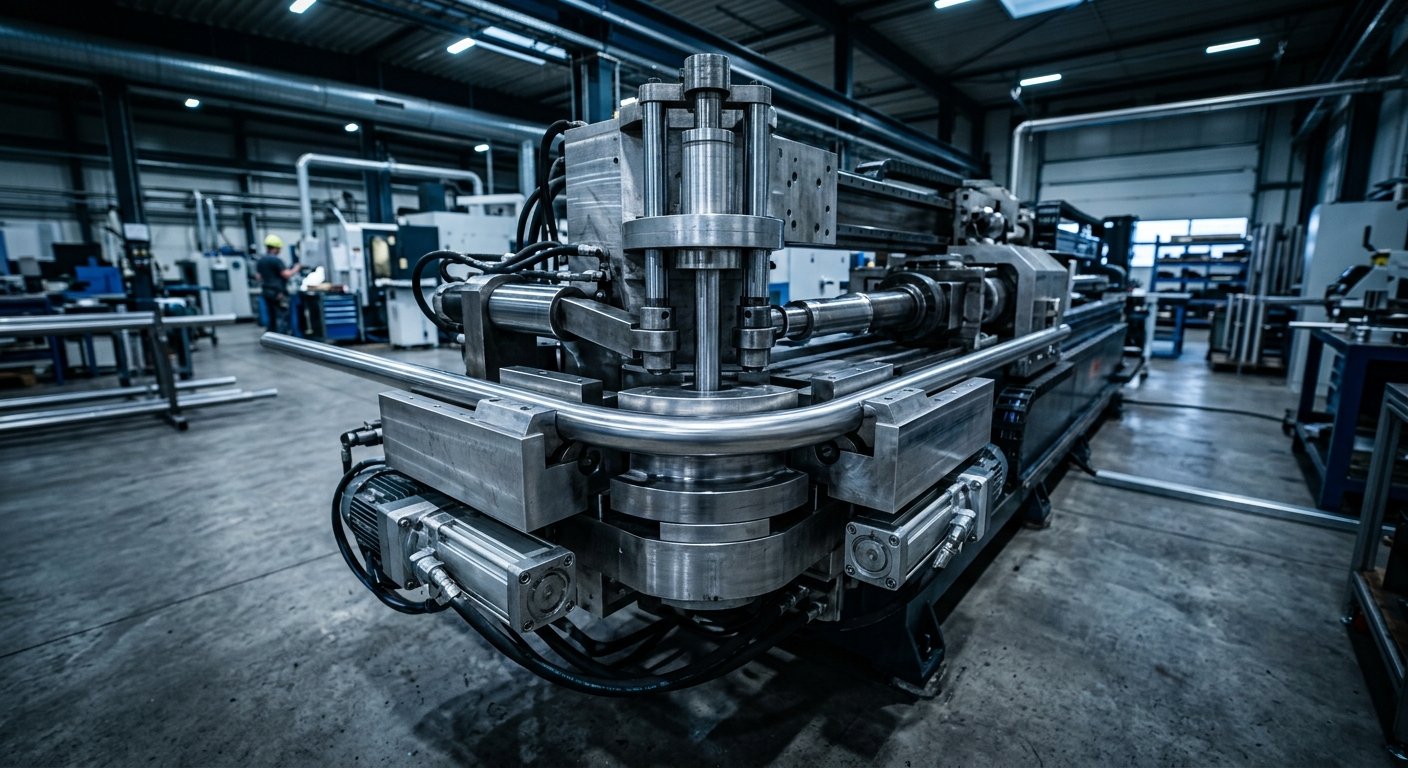
The difference between acceptable bends and scrap often comes down to tooling sophistication. Advanced mandrel designs prevent collapse and minimize ovality in thin-wall tubing, while proper die configuration eliminates wrinkles on the compression side of tight-radius bends.
Premium manufacturers invest in proprietary mandrel technology and offer comprehensive tooling packages designed specifically for challenging materials. Titanium tubing for aerospace applications, duplex stainless for offshore platforms, and 6061-T6 aluminum for structural components each present unique bending challenges requiring specialized tooling approaches.
Control Systems and Automation Integration
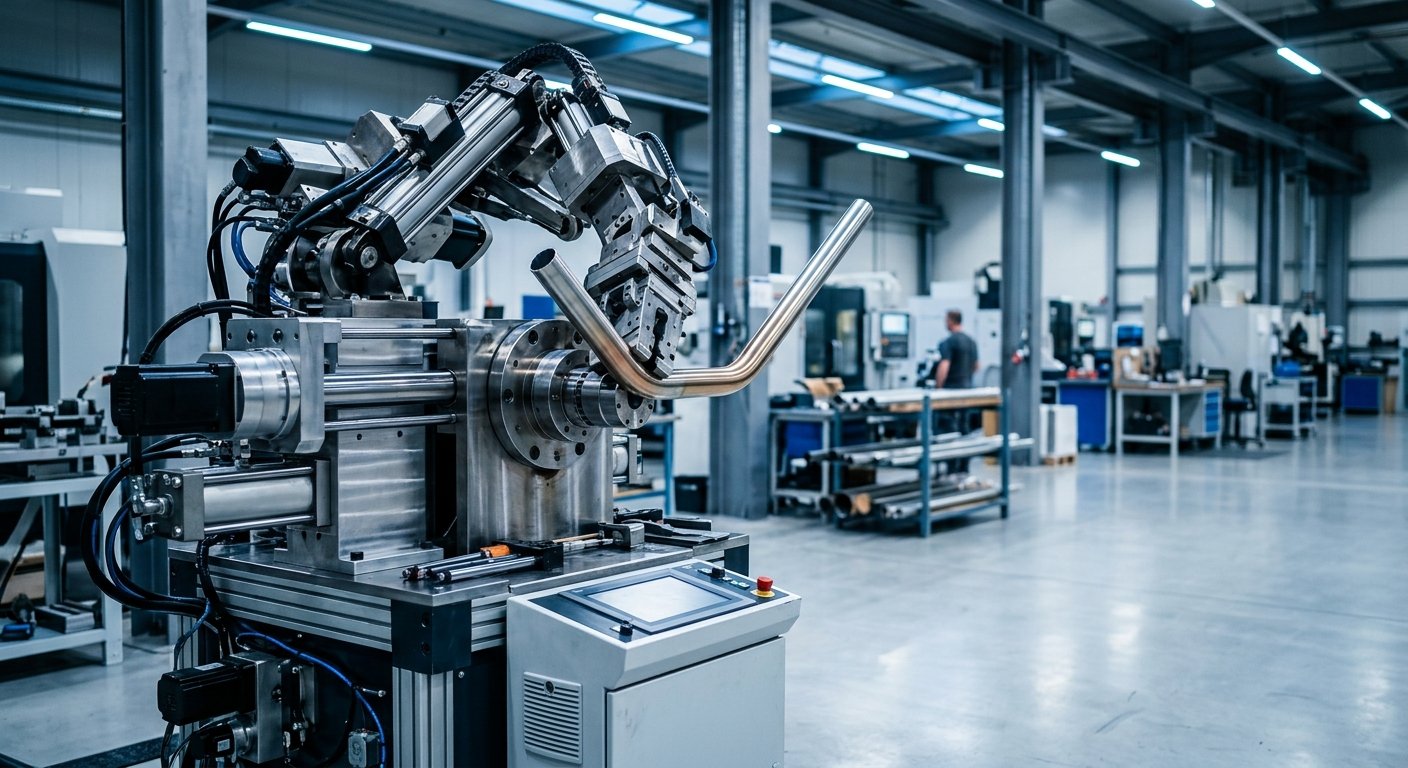
Modern CNC pipe bending equipment should integrate seamlessly with your production environment. Controllers should accept CAD file inputs, store unlimited part programs, and provide servo-electric or electro-hydraulic precision depending on application demands. For high-mix, low-volume aerospace work, rapid program changeover capabilities minimize setup time between jobs.
Production environments benefit from Industry 4.0 connectivity—machine monitoring, predictive maintenance alerts, and statistical process control data collection that feeds continuous improvement initiatives.
Application-Specific Considerations
Aerospace and Defense Manufacturing
Aerospace applications present the most demanding requirements. Hydraulic tubing, fuel lines, and structural components must meet stringent material certifications and dimensional tolerances while often working with exotic alloys including titanium, Inconel 625, and 15-5 PH stainless steel.
When evaluating custom pipe bending machines for aerospace work, verify the manufacturer’s experience with NADCAP accreditation processes and their understanding of specifications like AMS 2488 for titanium tubing. Equipment should accommodate full material traceability and inspection documentation requirements inherent to AS9100 quality systems.
Oil, Gas, and Petrochemical
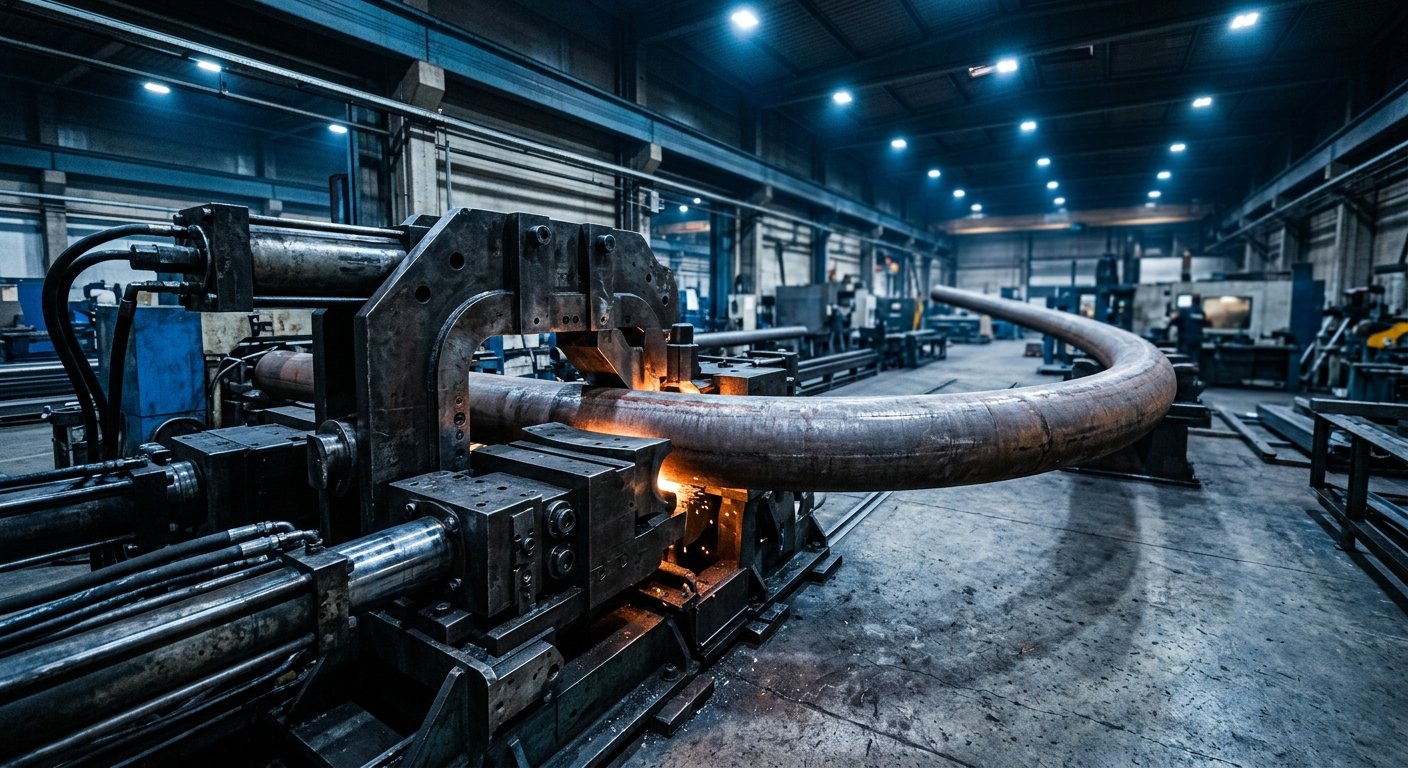
Energy sector applications emphasize durability and the ability to process large-diameter, heavy-wall pipe. Offshore platform construction, refinery piping systems, and gathering line fabrication require machines capable of cold-bending Schedule 80 or XXH pipe up to 6 inches or larger while maintaining weld-prep end conditions.
Corrosion-resistant alloys including duplex and super-duplex stainless steels, Hastelloy, and nickel alloys challenge bending equipment with their work-hardening characteristics. Manufacturers with metallurgical expertise help optimize bend sequences and tooling to prevent cracking or excessive springback in these materials.
Automotive and Transportation
High-volume production environments prioritize cycle time, repeatability, and minimal operator intervention. Exhaust system manufacturing, chassis components, and roll cage fabrication benefit from automated load/unload systems and multi-stack bending capabilities that process multiple bends without repositioning.
The shift toward electric vehicle architectures introduces new requirements for cooling system tubing and battery thermal management components, often in aluminum alloys requiring careful control to prevent surface marking and maintain leak-tight bend integrity.
The Custom Solution Advantage
Standard catalog equipment serves many applications adequately, but complex manufacturing challenges often require engineered solutions. Leading American manufacturers distinguish themselves through custom pipe bending machine design capabilities that address unique production requirements.
Custom solutions might include specialized material handling for extra-long tube lengths, integrated end-forming operations, multi-radius bending heads for complex geometries, or environmental controls for temperature-sensitive materials. The ability to work directly with engineering teams who can modify machine architecture, control programming, and tooling systems provides flexibility that off-the-shelf equipment cannot match.
This collaborative approach proves particularly valuable when introducing new products or materials. Rather than forcing your process to conform to equipment limitations, custom manufacturers adapt machines to optimize your specific application.
Evaluating Manufacturer Credentials
Technical specifications tell only part of the story. A manufacturer’s track record, customer base, and institutional knowledge matter significantly when making capital equipment decisions that will impact production for decades.
Industry References and Case Studies
Established manufacturers should readily provide references from customers in your industry segment. Aerospace manufacturers benefit from suppliers with active NASA, military, and prime contractor relationships. Petrochemical fabricators should seek manufacturers serving major EPC firms and refinery maintenance operations.
Ask specific questions about similar applications, materials processed, and production volumes achieved. Understanding how equipment performs in real-world conditions provides insight beyond specification sheets.
Engineering and Support Infrastructure
Machine acquisition represents the beginning of a long-term relationship. Evaluate the manufacturer’s technical support capabilities including:
- Applications engineering assistance during project quoting and setup
- Operator training programs and ongoing technical education
- Spare parts inventory and delivery commitments
- Field service response times and technician expertise
- Software updates and control system support longevity
Manufacturers who view equipment sales as partnerships rather than transactions invest in customer success through comprehensive support infrastructure.
Manufacturing Standards and Quality Systems
For regulated industries, manufacturer quality certifications matter. ISO 9001 certification provides baseline assurance, while AS9100 certification indicates aerospace-specific quality management experience. Manufacturers serving defense applications should understand DFARS requirements and cybersecurity protocols increasingly mandated for contractors.
Tour manufacturing facilities when possible. Equipment quality reflects manufacturing environment discipline. Well-organized production floors, documented processes, and investment in modern fabrication equipment indicate commitment to product excellence.
Total Cost of Ownership Analysis
Purchase price represents one element of equipment costs. Comprehensive evaluation considers operational expenses over typical 20-30 year equipment lifecycles.
Energy consumption varies significantly between hydraulic and electric-drive systems, with modern servo-electric benders reducing operating costs by 40-60% compared to conventional hydraulic machines. Maintenance requirements differ based on design sophistication—quality components and proper engineering minimize downtime and consumable costs.
Productivity factors into financial analysis. Faster cycle times, reduced scrap rates from improved precision, and minimized setup time between jobs generate measurable returns. A machine that costs 20% more initially but produces parts 15% faster with half the scrap rate delivers superior value over its operational life.
Making the Sourcing Decision
Successful equipment acquisition balances technical requirements, financial constraints, and strategic considerations. Develop detailed specifications covering all application parameters—materials, dimensions, tolerances, production volumes, and integration requirements. Distribute RFQs to qualified manufacturers who demonstrate relevant experience and capabilities.
Evaluate proposals holistically rather than focusing exclusively on price. Consider technical approach, delivery timelines, training and support commitments, warranty coverage, and manufacturer stability. The lowest bidder may create long-term costs that dwarf initial savings.
Request equipment demonstrations with your materials when possible. Seeing equipment process actual production parts reveals capabilities that specifications cannot capture. Pay attention to ease of operation, setup procedures, and quality of bent samples.
Conclusion
Selecting an industrial pipe bender manufacturer USA partner requires careful evaluation of technical capabilities, application expertise, and long-term support infrastructure. In 2026’s manufacturing environment, domestic sourcing provides compliance assurance, supply chain security, and responsive support that international alternatives cannot match for critical applications.
Whether your requirements involve precision aerospace components, heavy-wall petrochemical piping, or high-volume automotive production, American manufacturers offer proven solutions backed by decades of innovation and customer success. The investment in quality equipment from established domestic suppliers pays dividends through enhanced productivity, reduced downtime, and superior part quality throughout extended operational lifecycles.
Hines Bending Systems has served American manufacturing since 1959, providing precision pipe and tube bending equipment to aerospace, defense, energy, and industrial customers nationwide. Our engineering team works directly with customers to specify optimal solutions for demanding applications, from standard production machines to fully custom automated systems. Contact us to discuss your pipe bending requirements and discover how American manufacturing expertise can elevate your production capabilities.