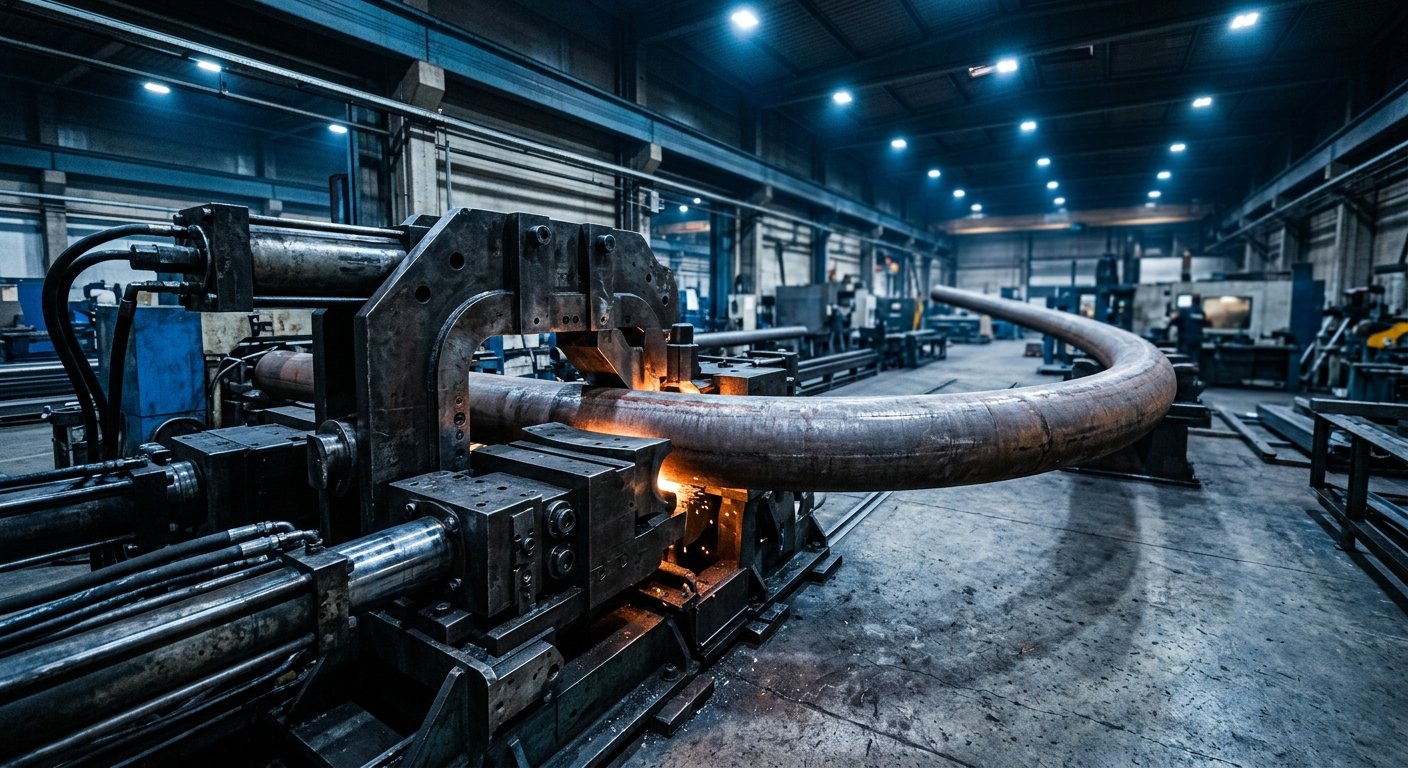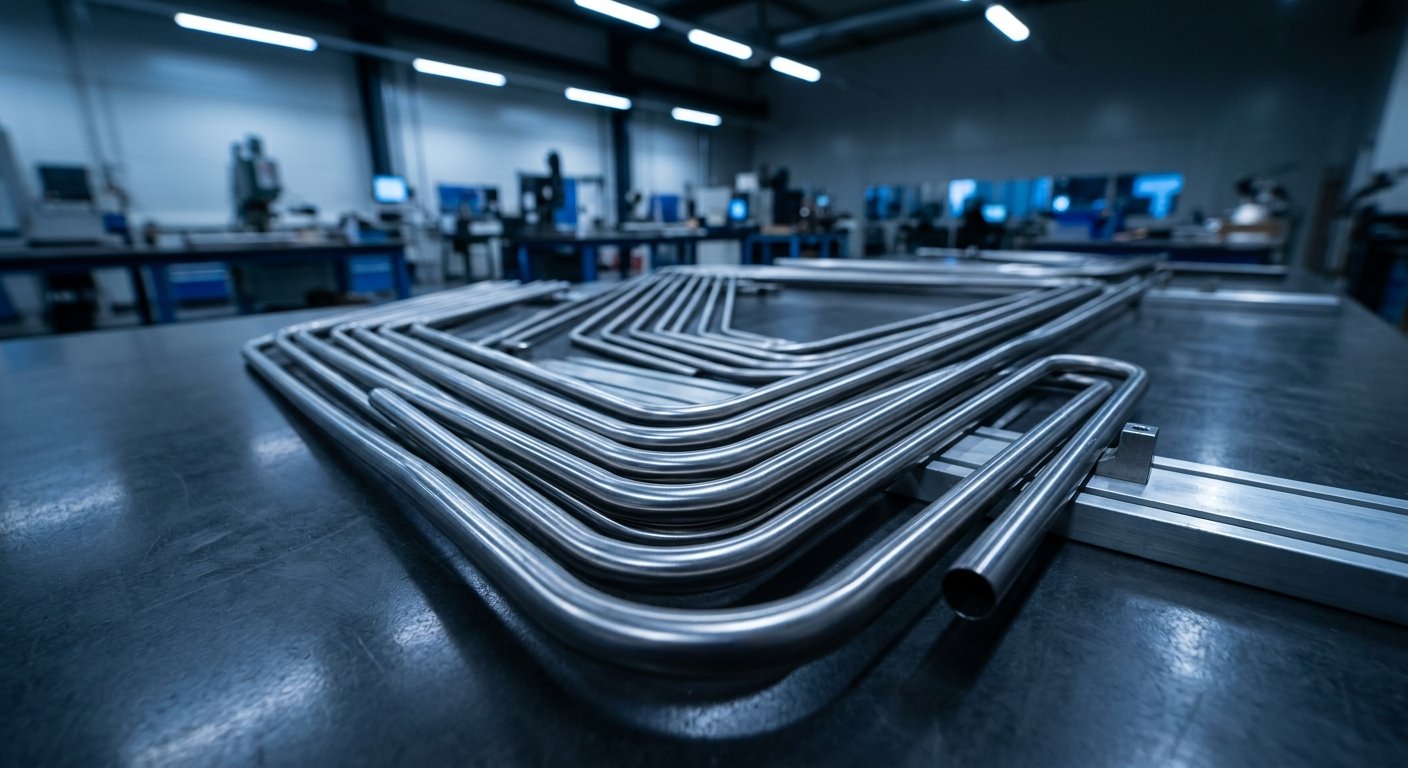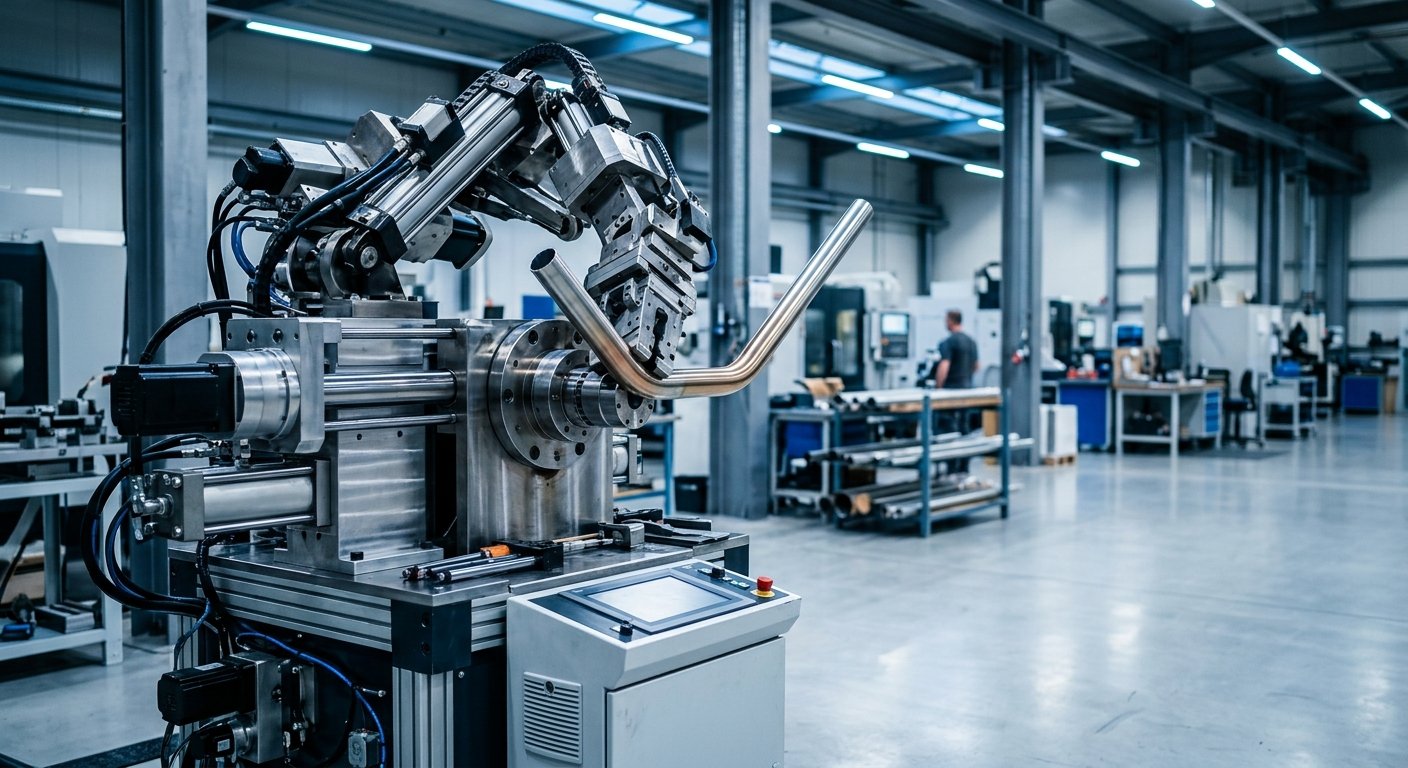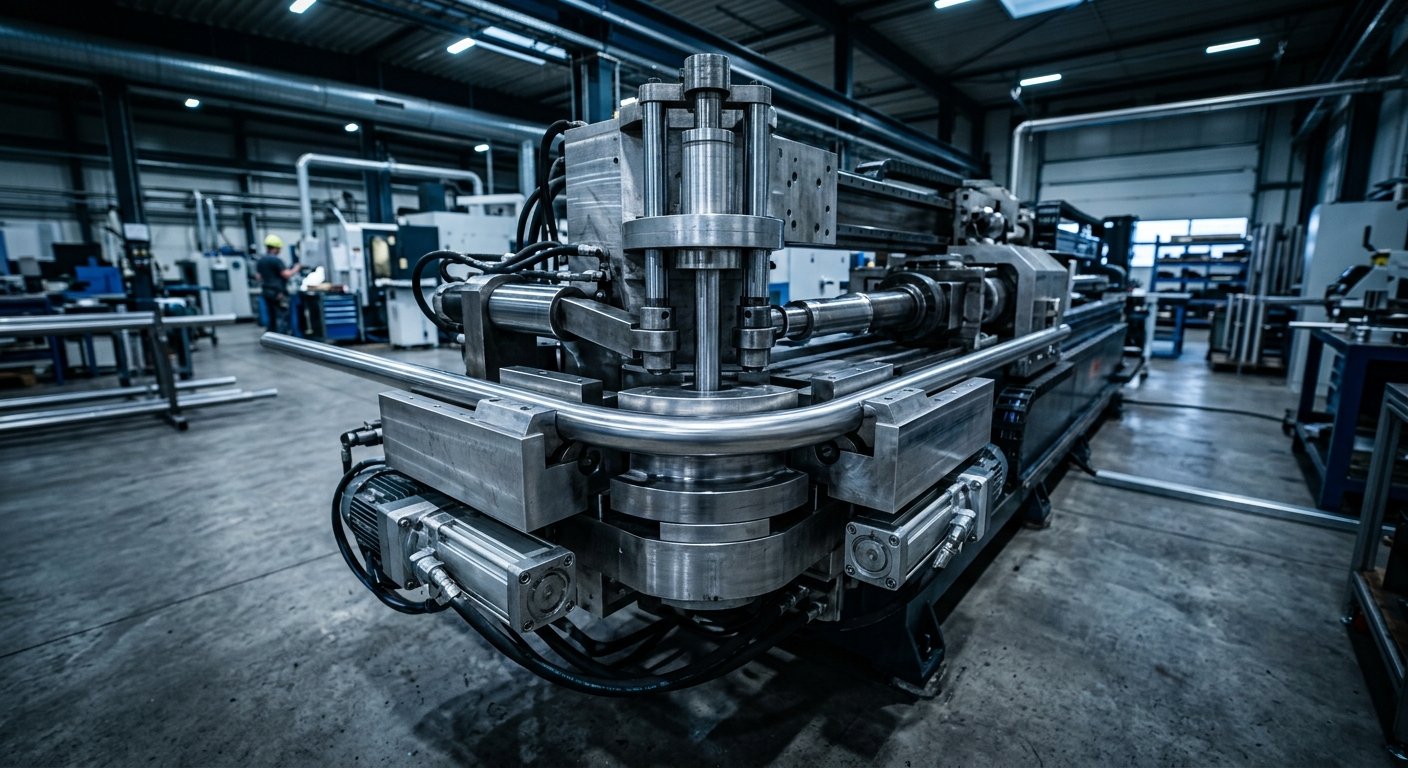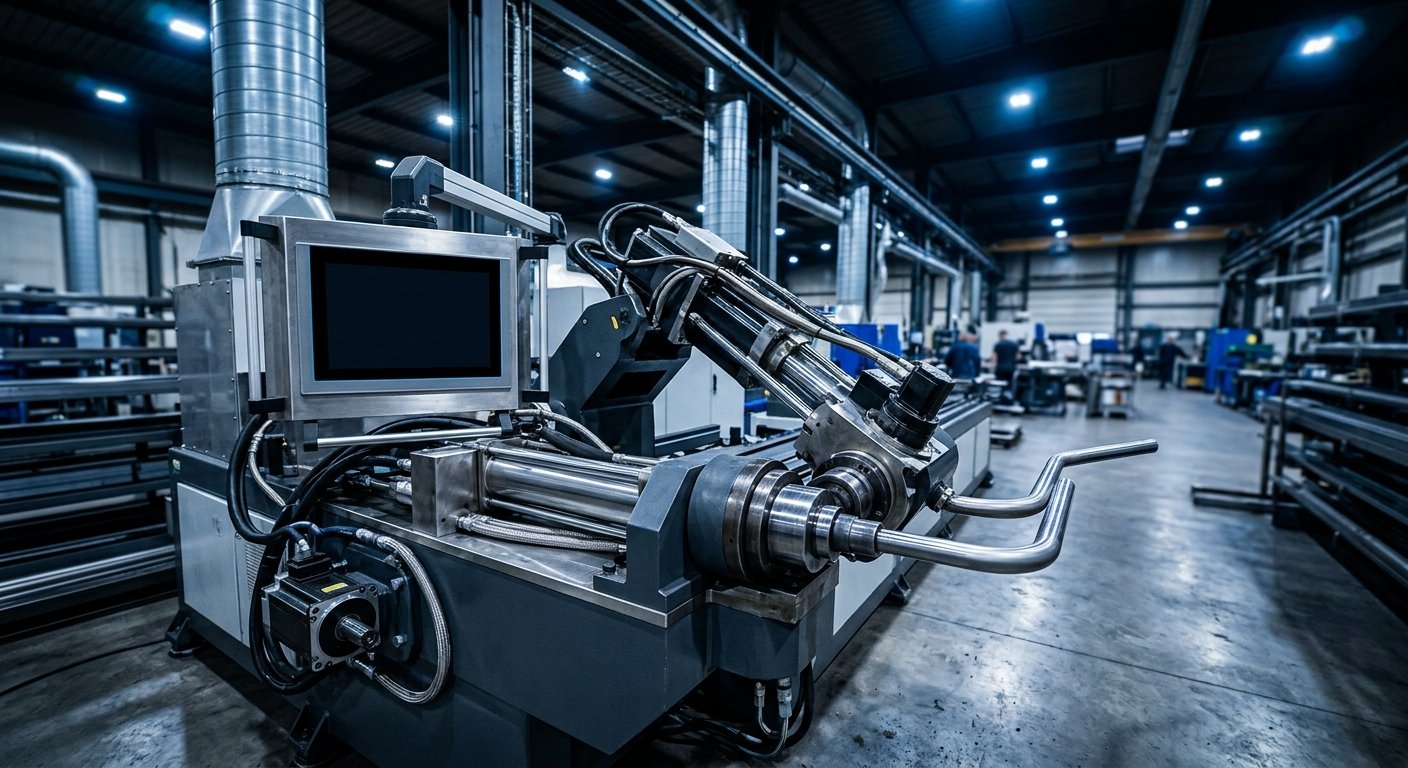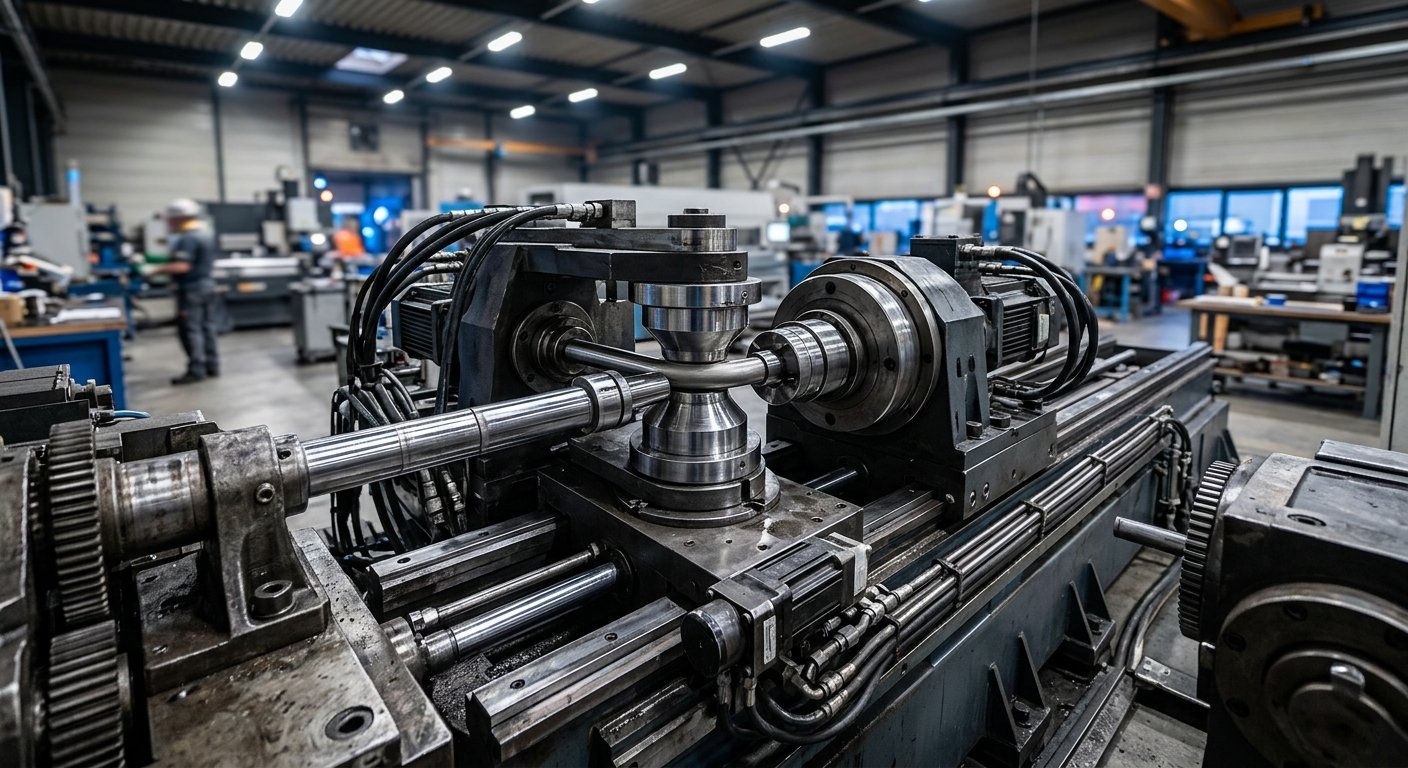
The market for surplus pipe bending equipment has evolved significantly in 2026, driven by supply chain optimization strategies and equipment replacement cycles accelerated during the recent industrial modernization wave. For manufacturing operations in aerospace, energy, and petrochemical sectors, strategically acquiring used industrial pipe benders represents both an opportunity and a risk that demands careful navigation.
Understanding what separates a sound investment from a costly mistake requires technical knowledge, inspection expertise, and awareness of industry-specific requirements that govern precision bending applications. Whether you’re expanding capacity, replacing aging equipment, or entering tube and pipe bending for the first time, the decision framework remains consistent: evaluate equipment condition, verify application fit, and assess total cost of ownership beyond the initial purchase price.
Understanding the Surplus Equipment Landscape in 2026
Surplus pipe bending equipment enters the market through multiple channels, each with distinct characteristics and risk profiles. Equipment liquidations from facility closures, production line upgrades, and contract completions create availability, while manufacturers’ trade-in programs and certified refurbishment operations offer varying quality levels.
The distinction between “surplus,” “used,” and “refurbished” carries significant implications. Surplus equipment typically refers to overstock, unused inventory, or minimally-used machines from cancelled projects. Used industrial pipe benders have operational history and wear patterns requiring thorough evaluation. Refurbished equipment has undergone systematic restoration, ideally with documented processes and warranty coverage.
Second hand pipe bending equipment availability fluctuates with economic cycles and industry-specific factors. The energy sector’s equipment refresh cycles, aerospace production rate changes, and petrochemical plant expansions all influence what enters the market. Understanding these dynamics helps buyers time acquisitions strategically and identify equipment with desirable provenance.
Critical Evaluation Criteria for Used Pipe Benders
Assessing used pipe benders for sale requires systematic evaluation across mechanical, hydraulic, electrical, and control system components. The bending die conditions, mandrel wear, and tooling completeness directly impact production capability and startup costs. Missing or damaged tooling can quickly erode the apparent savings from a lower purchase price.
Structural and Mechanical Inspection
Frame integrity represents the foundation of bending accuracy. Inspect for cracks, deformation, or repairs indicating overload conditions or collision damage. Machine beds and ways should show normal wear patterns without scoring, galling, or evidence of lubrication neglect. Bearing assemblies, drive systems, and power transmission components reveal maintenance history through their condition.
Hydraulic systems demand particular scrutiny. Cylinder seal condition, pump performance, valve operation, and hose integrity all affect reliability. Contaminated hydraulic fluid or evidence of leaks suggests deferred maintenance that may have cascading effects throughout the machine. The National Fluid Power Association provides standards for hydraulic system evaluation that apply directly to bending equipment assessment.
Control Systems and Technology Currency
Control system obsolescence presents a significant consideration with surplus bending machines. Equipment manufactured before 2015 may use control platforms with limited parts availability or discontinued software. While mechanical components can be rebuilt indefinitely, obsolete electronics can render an otherwise sound machine impractical to maintain.
CNC bending systems require verification of program storage capability, servo system functionality, and interface compatibility with current production planning systems. The ability to integrate with modern manufacturing execution systems affects operational efficiency beyond the bending operation itself.
Application-Specific Requirements and Compatibility
Matching equipment capabilities to your application requirements prevents costly mismatches. Bending radius capabilities, material compatibility, wall thickness ranges, and bend angle limitations must align with your production specifications. Equipment sized for automotive exhaust components differs fundamentally from machines designed for aerospace hydraulic lines or petrochemical process piping.
Aerospace applications introduce qualification requirements and traceability standards that affect equipment selection. Machines serving defense or aerospace production may require process qualification, capability studies, and documentation systems that extend beyond basic operational verification. Understanding these requirements before acquisition prevents downstream compliance issues.
Oil and gas applications often involve specialized materials, larger diameter piping, and wall thickness ranges that stress machine capabilities differently than general industrial work. Corrosion-resistant alloys, duplex stainless, and nickel alloys present material characteristics requiring adequate machine power, proper tooling, and appropriate bend process control.
Total Cost of Ownership Beyond Purchase Price
The acquisition price represents only one component of total cost of ownership for used industrial pipe benders. Transportation, installation, and recommissioning costs vary with machine size, condition, and complexity. A machine requiring minimal work may be operational within days, while equipment needing comprehensive refurbishment may remain non-productive for months.
Parts availability directly impacts long-term viability. Equipment from manufacturers still in business with active parts support offers significantly lower ownership risk than orphaned machines from defunct companies. Even mechanically sound equipment becomes problematic when replacement components require custom fabrication or reverse engineering.
Training requirements affect productivity timelines. Operators and maintenance personnel familiar with similar equipment adapt quickly, while completely different control systems or bending processes require formal training programs. The availability of training resources, documentation, and technical support varies dramatically across equipment brands and vintages.
Supplier Verification and Purchase Protection
Source verification separates legitimate transactions from problematic purchases. Established equipment dealers, manufacturer-authorized remarketing programs, and direct-from-user purchases each carry different risk profiles. Dealers with industry reputation provide value through their inspection processes, refurbishment capabilities, and willingness to stand behind equipment condition.
Documentation review reveals equipment history and potential issues. Maintenance records, modification history, and operational logs provide insight into how equipment was used and maintained. Original equipment manuals, electrical schematics, and parts lists prove invaluable during installation and subsequent operation.
Purchase agreements should address equipment condition warranties, return provisions, and dispute resolution mechanisms. “As-is, where-is” purchases place all risk on the buyer, while conditional purchases based on inspection results or operational verification provide protection. The American Bar Association resources on commercial equipment transactions offer framework guidance for structuring protective purchase agreements.
When Surplus Equipment Makes Strategic Sense
Certain scenarios favor surplus equipment acquisition while others argue for new equipment investment. Capacity expansion for proven applications with well-defined requirements often suits used equipment well. Adding a second or third machine for established production benefits from operational knowledge that reduces acquisition risk.
Prototype development, research applications, and low-volume specialty work may justify used equipment when production volumes don’t support new equipment investment. The reduced capital commitment allows capability development without full-scale financial exposure.
Conversely, applications requiring cutting-edge precision, the latest control technology, or comprehensive warranty protection argue for new equipment. Production-critical operations where downtime carries high cost also favor new equipment with full manufacturer support and warranty coverage.
The Refurbished Equipment Alternative
Factory-certified refurbished equipment occupies middle ground between used and new machines. Comprehensive refurbishment programs include mechanical rebuilding, control system upgrades, and warranty coverage approaching new equipment standards. The cost savings compared to new equipment—typically 30-50%—while retaining most benefits makes refurbished equipment attractive for many applications.
Hines Bending Systems’ used equipment program exemplifies best practices in certified refurbishment. Each machine undergoes systematic evaluation, necessary repairs and upgrades, and operational verification before remarketing. This process, backed by 50 years of tube and pipe bending expertise and the same engineering standards applied to equipment trusted by NASA and military organizations, delivers reliability that generic surplus equipment cannot match.
Installation and Commissioning Considerations
Successful equipment integration requires planning beyond the purchase transaction. Site preparation including foundations, utilities, and material handling systems must accommodate equipment specifications. Electrical service compatibility, hydraulic fluid specifications, and environmental requirements all need verification.
Rigging and transportation for large bending equipment requires specialized expertise. Machine weight, access constraints, and handling requirements often exceed general freight capabilities. Proper crating, insurance coverage, and qualified riggers prevent damage during transportation that undermines the entire acquisition.
Commissioning includes mechanical alignment verification, hydraulic system testing, control system validation, and bend process qualification. Expecting used equipment to arrive ready for production proves unrealistic in most cases. Budget adequate time and resources for proper startup procedures that establish reliable operation.
Integrating Used Equipment into Existing Operations
Production integration extends beyond physical installation. Operator training on equipment-specific procedures, maintenance protocols, and troubleshooting procedures accelerates productivity ramp-up. Spare parts stocking decisions balance investment against downtime risk, with critical components warranting immediate acquisition.
Process qualification for critical applications requires documented capability studies and first article validation. Industries governed by quality management standards like AS9100 for aerospace or API specifications for oil and gas demand formal qualification processes that verify equipment meets application requirements. The American Society of Mechanical Engineers publishes standards relevant to tube and pipe bending qualification processes.
Alternative Approaches to Capacity Addition
Strategic alternatives to surplus equipment purchases deserve consideration. New equipment with modern technology, comprehensive warranty, and full manufacturer support may deliver better long-term value despite higher initial cost. For American manufacturers prioritizing domestic production, new American-manufactured precision bending equipment supports broader industrial policy objectives while delivering state-of-the-art capability.
Contract bending services provide another alternative when production volumes don’t justify equipment ownership or internal expertise doesn’t yet exist. This approach allows production validation before capital commitment while leveraging specialist expertise.
Making the Strategic Decision
The surplus pipe bending equipment decision ultimately balances financial constraints, application requirements, risk tolerance, and strategic objectives. Companies with strong maintenance capabilities and application flexibility can successfully deploy used equipment that others would find problematic. Organizations requiring maximum uptime, cutting-edge precision, or comprehensive support benefit from new equipment investment.
Successful buyers conduct thorough due diligence, understand their application requirements completely, and approach purchases with realistic expectations. Equipment condition assessment, total cost analysis, and strategic fit evaluation separate sound investments from costly mistakes.
Frequently Asked Questions
What is the typical lifespan of industrial pipe bending equipment?
Well-maintained pipe bending machines commonly operate productively for 20-30 years, with some machines remaining in service beyond 40 years. Lifespan depends primarily on maintenance quality, operational intensity, and technology currency rather than chronological age. Mechanical components can be rebuilt indefinitely, but control system obsolescence eventually limits practical service life. Machines in precision applications like aerospace may require more frequent upgrades to maintain capability standards.
How much can I save by purchasing used instead of new pipe bending equipment?
Used industrial pipe benders typically cost 40-70% less than comparable new equipment, depending on age, condition, and market availability. However, total cost of ownership includes refurbishment, installation, training, and potential downtime that narrow the actual savings. Certified refurbished equipment from reputable sources typically costs 30-50% less than new while including warranties and support that reduce ownership risk. Base purchasing decisions on total cost of ownership rather than acquisition price alone.
What are the biggest risks when buying surplus pipe bending equipment?
The primary risks include undisclosed mechanical damage, control system obsolescence, missing or damaged tooling, and inadequate parts availability. Equipment from defunct manufacturers presents ongoing support challenges. Mismatched capabilities that don’t align with your application requirements lead to production issues despite mechanical soundness. Purchasing “as-is” without thorough inspection or from unfamiliar sources amplifies all risks. Working with established dealers or manufacturer-certified programs substantially reduces acquisition risk.
Should I buy directly from a closing facility or through an equipment dealer?
Direct purchases from users offer lower prices but place all evaluation responsibility and risk on the buyer. Equipment dealers add cost but provide value through inspection, refurbishment, warranty coverage, and technical support. For buyers with strong internal technical expertise and clear application understanding, direct purchases can work well. Most organizations benefit from dealer involvement that reduces risk and accelerates productive deployment. Manufacturer-certified programs combine favorable pricing with professional refurbishment and support.
Can used pipe bending equipment meet aerospace or defense quality standards?
Yes, properly refurbished and qualified equipment can absolutely meet aerospace and defense standards including AS9100 requirements. The equipment capability matters more than its age or used status. Comprehensive process qualification, capability studies, and documented maintenance establish compliance. Many aerospace manufacturers successfully operate mixed fleets of new and refurbished equipment. Work with suppliers experienced in precision applications who understand qualification requirements and can provide necessary documentation and support.
Partner with Proven Expertise
Navigating the surplus pipe bending equipment market requires technical knowledge, industry experience, and commitment to quality that separates sound investments from costly mistakes. Hines Bending Systems combines 50 years of precision bending expertise with comprehensive used equipment programs that deliver certified, refurbished machines backed by the same standards applied to equipment serving NASA and military applications.
Our used equipment inventory includes thoroughly inspected and refurbished machines for applications ranging from aerospace precision work to high-volume production. Each machine undergoes systematic evaluation and necessary upgrades to deliver reliable performance with warranty coverage and technical support. Whether you need production capacity expansion, entry into tube and pipe bending, or specialized capability addition, our team provides the technical guidance and equipment solutions your application demands.
Contact Hines Bending Systems today to discuss your specific requirements and explore how certified refurbished equipment can deliver the capability you need with the quality you demand, backed by American manufacturing excellence and comprehensive support that ensures your success.