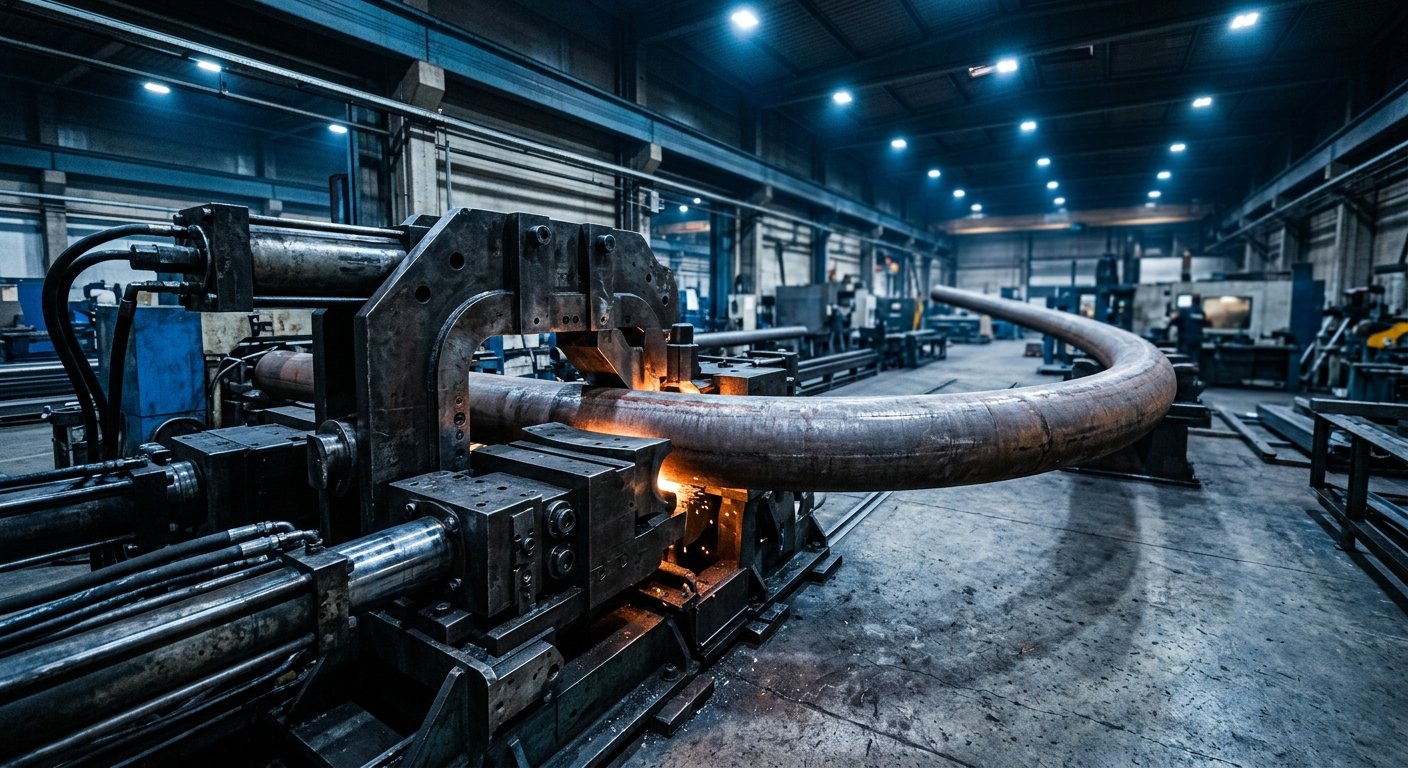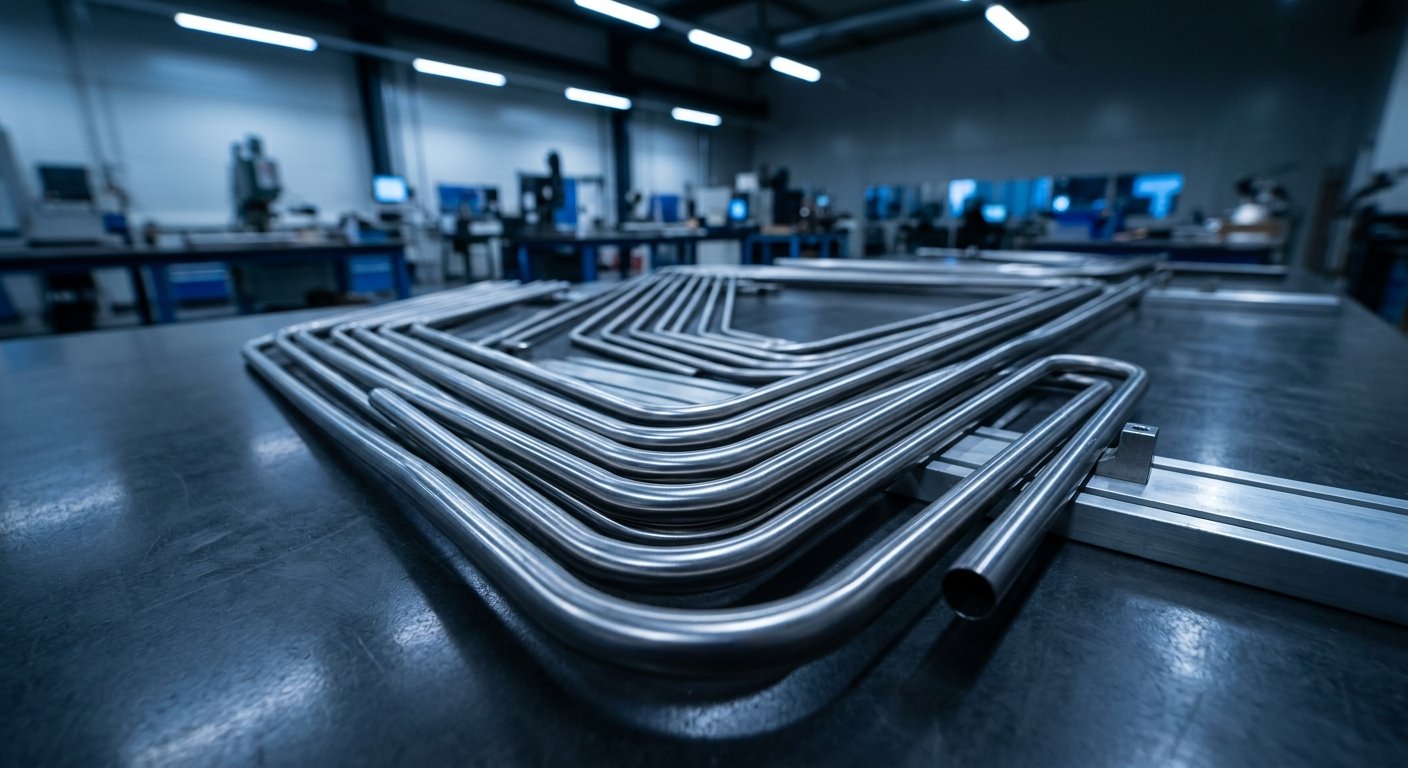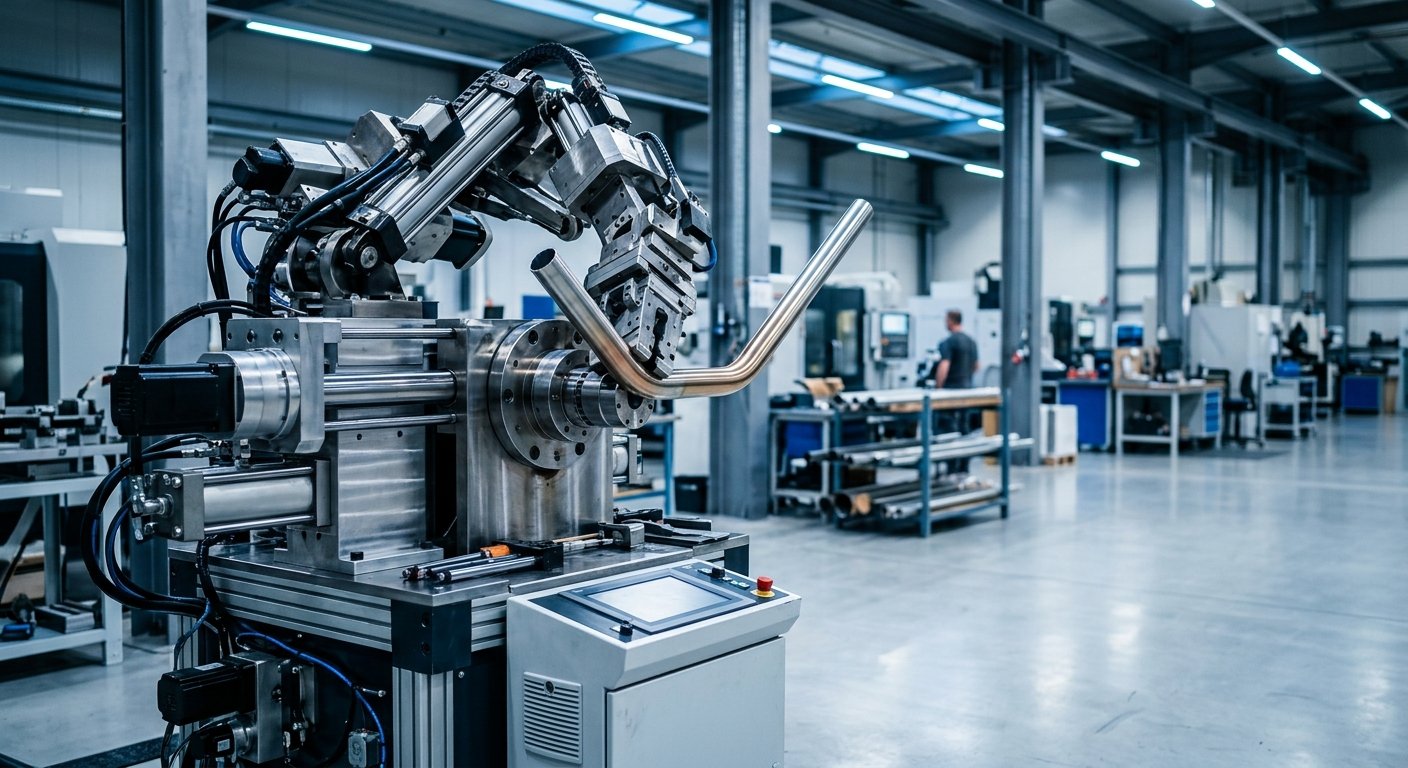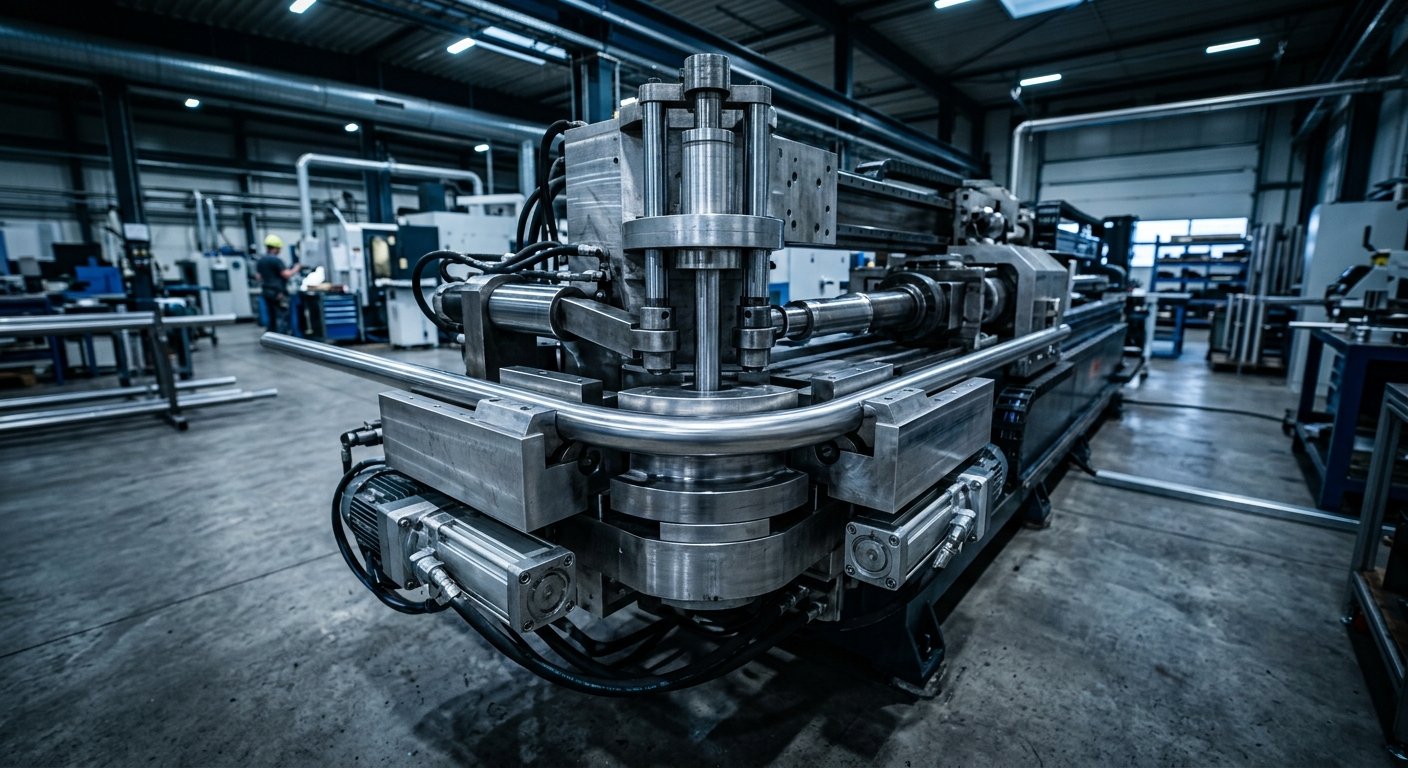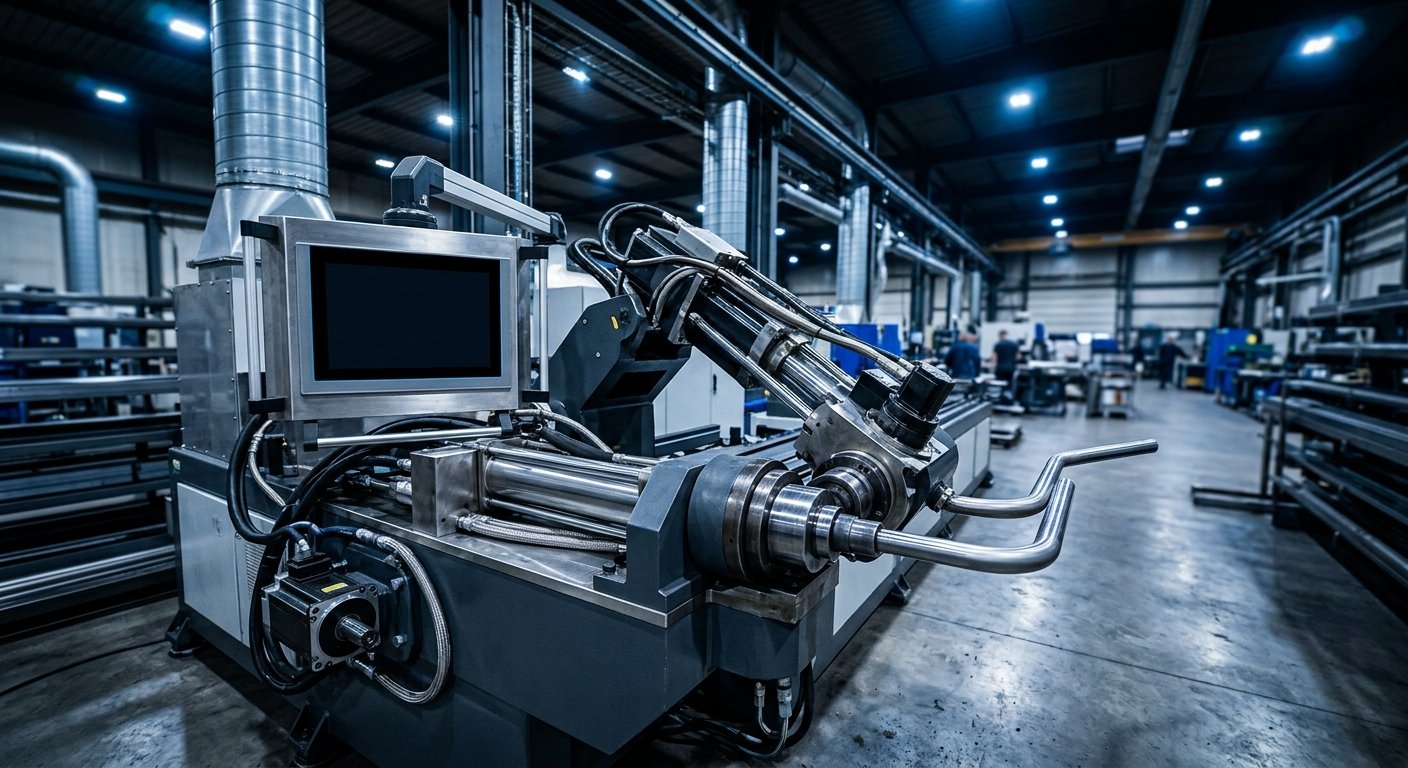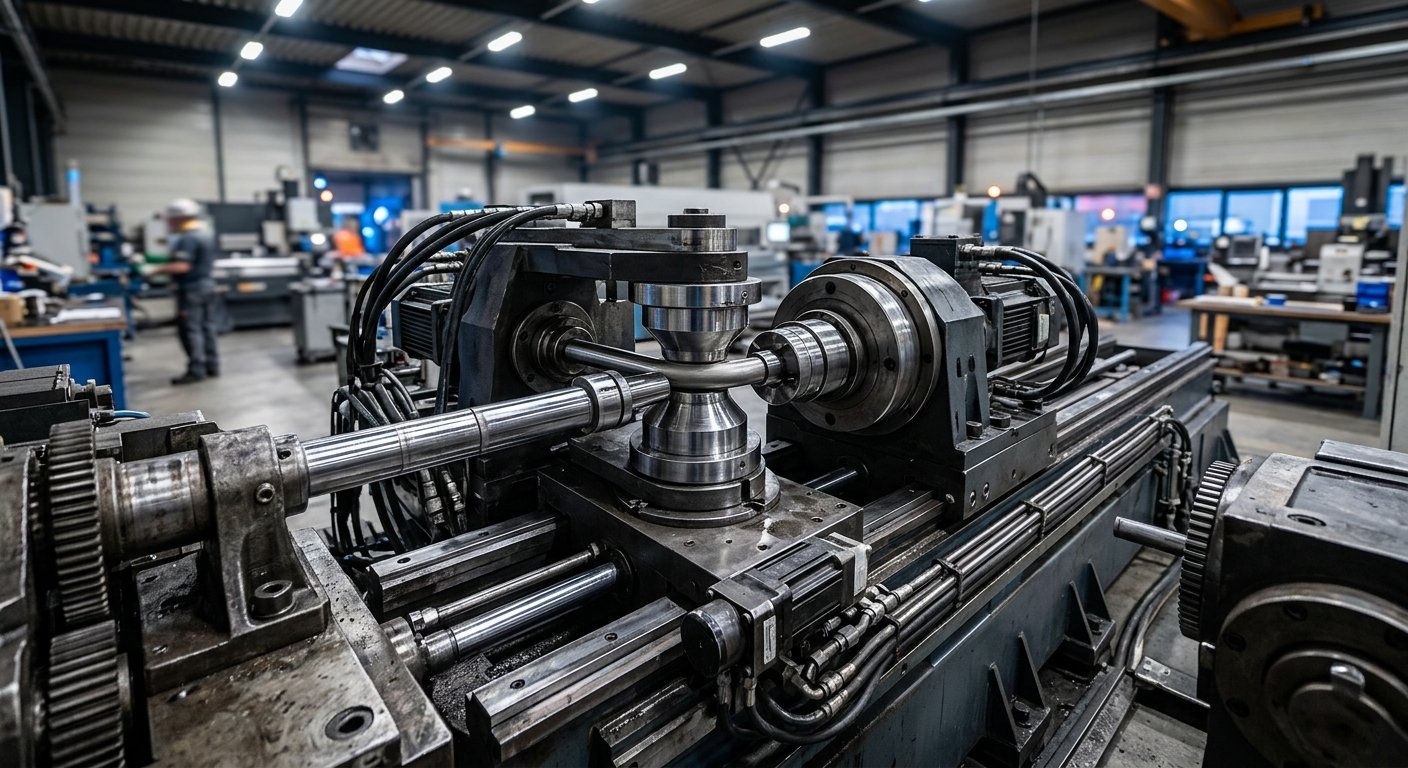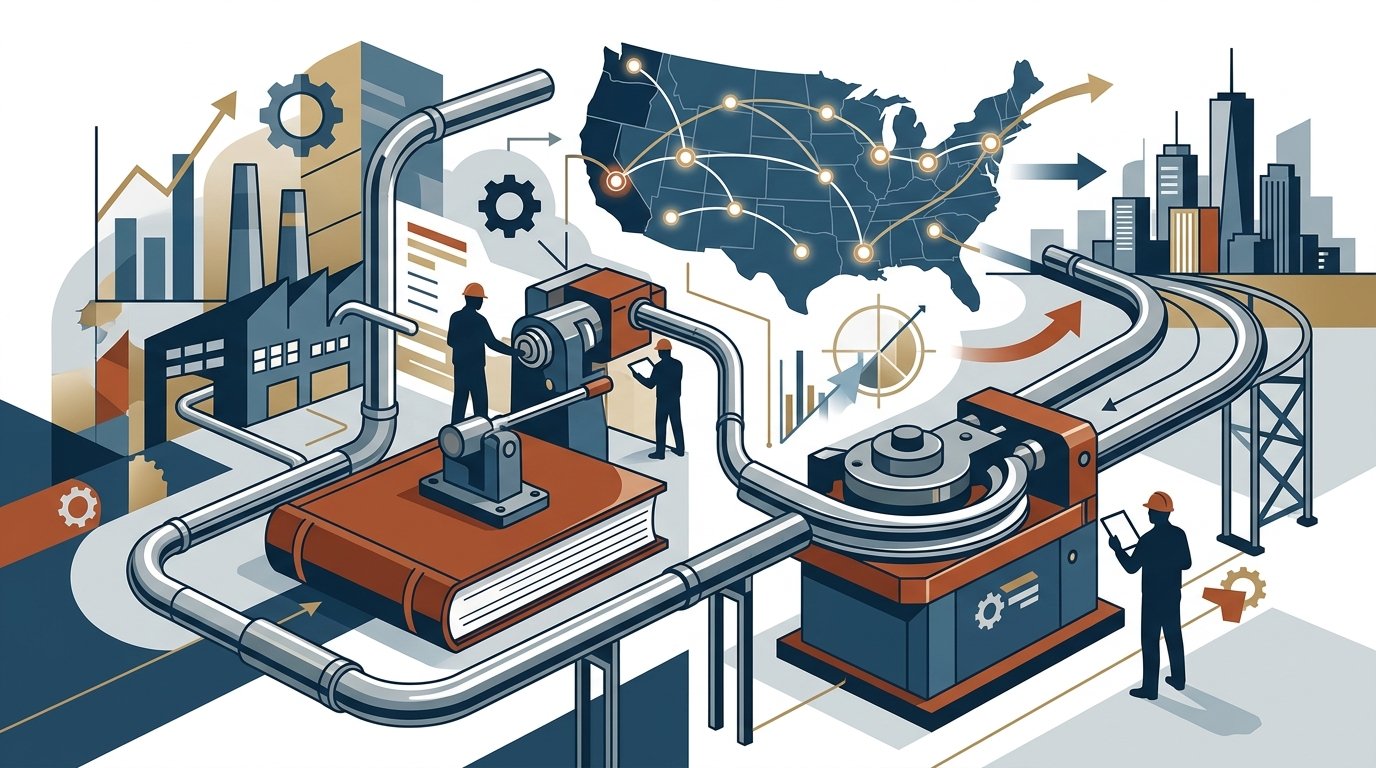
Critical infrastructure projects across the United States are accelerating. From liquefied natural gas export terminals along the Gulf Coast to next-generation aerospace programs and Department of Defense facility upgrades, procurement teams are under mounting pressure to secure reliable, high-performance bending equipment—and to secure it domestically. The question isn’t whether to source American made pipe benders. For many applications, supply chain resilience, regulatory compliance, and delivery certainty have already made that decision for you.
What remains is the harder question: how do you build a sourcing strategy that matches equipment capability to application demands, accounts for lead time realities, and positions your operation for long-term productivity? This guide addresses exactly that.
Why Domestic Sourcing Has Shifted from Preference to Priority
The push toward domestic manufacturing equipment isn’t driven by sentiment—it’s driven by operational risk. Over the past several years, global supply chain disruptions have exposed the vulnerabilities of depending on imported capital equipment for mission-critical production. When a key bending machine goes down or a major infrastructure project demands rapid equipment scaling, weeks of ocean freight and customs clearance aren’t acceptable variables.
Federal procurement policy has reinforced this shift. The Buy American Act and its evolving regulatory framework now impose tighter domestic content thresholds on federally funded infrastructure and defense-related manufacturing. Contractors and subcontractors supporting government-funded pipeline work, military construction, or aerospace programs need equipment provenance documentation that only domestic manufacturers can reliably provide.
Beyond compliance, there’s a practical efficiency argument. Working with a USA manufactured bending machines supplier means your engineering team can collaborate directly with manufacturer engineers during spec development, conduct factory acceptance tests without transatlantic logistics, and access parts and service support on domestic timelines. For high-stakes applications, that proximity is a competitive advantage.
Matching Equipment to Application: A Technical Framework
Not every pipe bending challenge requires the same solution. Before engaging any industrial pipe bender manufacturer in the USA, your procurement team should establish clarity on four core application variables.
1. Material and Wall Thickness Requirements
The material you’re bending determines everything from tooling selection to machine tonnage requirements. Aerospace and defense applications frequently involve titanium, Inconel, and stainless alloys that demand precise control of bend angle, springback compensation, and minimum wall thinning. Oil and gas pipeline work may involve carbon steel or duplex stainless in larger diameters with heavy walls. Each material has distinct yield characteristics that must be accounted for in machine programming and tooling design.
A pipe bending machine manufacturer with engineering depth—not just catalog products—should be able to walk you through material-specific tooling recommendations before you commit to a configuration.
2. Diameter and Bend Radius Range
Industrial applications span an enormous range, from half-inch hydraulic tubing in aerospace assemblies to large-diameter pressure piping in petrochemical plants. Your bending equipment must cover your actual production range with appropriate precision across that spectrum. Machines optimized for one diameter range often sacrifice accuracy or capability at the extremes.
3. Production Volume and Cycle Time
High-volume automotive or energy component production demands different automation levels than specialized one-off aerospace fabrication. CNC-controlled machines with multi-stack tooling and automatic angle correction make sense for production runs. For custom, low-volume work—think defense prototype components or special process piping—flexibility and programmability often matter more than raw throughput.
4. Accuracy and Qualification Requirements
Aerospace and defense applications frequently require bend angle repeatability to within fractions of a degree, with full traceability for quality documentation. ASTM and aerospace material standards may govern not just material composition but forming processes. Ensure your equipment supplier understands qualification requirements and can support documentation needs.
Evaluating Domestic Pipe Bending Equipment Manufacturers
The market for domestic pipe bending equipment isn’t homogeneous. Evaluating suppliers on price alone is a strategy that typically fails within the first major service event or tooling challenge. Here’s how to differentiate manufacturers that deliver long-term value from those that simply sell machines.
Engineering Depth and Custom Capability
Catalog solutions work for standard applications. The moment your project involves unusual material combinations, tight bend-to-bend distances, or complex multi-plane geometries, you need a manufacturer with real engineering resources behind the product line. Ask specific questions: Can they model your application before you buy? Do they build custom tooling in-house? Have they solved similar challenges for comparable industries?
Hines Bending Systems has supported custom engineering projects for NASA and military clients across exactly these categories—applications where off-the-shelf equipment simply doesn’t exist. That engineering partnership capability is what separates a strategic equipment supplier from a transaction vendor.
Verified Track Record in Your Industry
General manufacturing capability doesn’t automatically translate to proficiency in aerospace, oil and gas, or defense-grade bending applications. Look for verifiable references, not just industry claims. A manufacturer trusted by NASA and military organizations over 50 years of operation has demonstrated sustained performance against the most demanding quality and reliability standards in American industry. That track record is evidence, not marketing.
Training and Service Infrastructure
Capital equipment is a long-term commitment. The lowest acquisition cost means little if your operators can’t maximize machine capability or if downtime from service issues erodes productivity. Comprehensive training programs—both at installation and ongoing—directly impact your return on investment. Similarly, a manufacturer with domestic service capabilities can respond to critical issues without international support delays.
2026 Infrastructure Demand: What’s Driving Equipment Procurement
Understanding the broader project landscape helps procurement teams anticipate lead times and plan sourcing timelines realistically.
Energy infrastructure investment remains exceptionally strong. LNG facility expansions, hydrogen pipeline pilot projects, and ongoing petrochemical plant modernization are all generating demand for precision bending equipment across large and medium diameter ranges. The U.S. Department of Energy’s infrastructure initiatives continue to channel investment into domestic energy production and distribution assets, all of which require fabricated pipe and tube components.
Defense and aerospace programs are similarly active. Military facility construction, aircraft maintenance and production programs, and space launch infrastructure all require precision tube and pipe bending capabilities at various scales. The common thread: these are applications where equipment failure or substandard performance has consequences that extend well beyond production schedule delays.
In this environment, equipment lead times matter. Working with an American manufacturer eliminates international logistics variables from your procurement timeline and allows for more responsive delivery scheduling—an important factor when your project timeline has hard commissioning milestones.
New vs. Used Equipment: Strategic Considerations
For some applications and budget situations, used pipe bending equipment represents a legitimate and cost-effective path. Refurbished machines from reputable manufacturers can deliver reliable performance for standard applications at lower capital outlay. The key is sourcing used equipment from a manufacturer that stands behind the machine’s condition, has updated it to current operational standards, and can provide support documentation.
However, for applications requiring the latest CNC control capabilities, specific material certifications, or custom tooling configurations, new equipment from a domestic pipe bending machine manufacturer is typically the right choice. The decision framework should weigh application criticality, production volume, required accuracy, and available capital—not default to either option without analysis.
For tube-specific applications in aerospace and precision manufacturing, reviewing tube bending machine options alongside pipe benders ensures you’re specifying the right equipment class for your workpiece dimensions and tolerance requirements.
Frequently Asked Questions
What distinguishes an American made pipe bender from imported alternatives for critical applications?
Domestic manufacturers offer direct engineering collaboration, faster parts availability, compliance with Buy American Act requirements for federally funded projects, and documentation support for quality-critical applications. For aerospace, defense, and large infrastructure projects, these factors often outweigh initial price differences.
How do I determine the right machine configuration for oil and gas pipe bending?
Key variables include pipe OD and wall thickness ranges, material grade (carbon steel, stainless, duplex), minimum bend radius requirements, production volume, and any applicable industry standards such as ASME B31.3 for process piping. An experienced manufacturer should walk through these variables during application consultation before recommending equipment specifications.
What should I expect from a factory acceptance test for precision bending equipment?
A proper FAT verifies machine performance against agreed specifications using your actual production materials and tooling where possible. It should include accuracy validation across the bend angle range, documentation of CNC control performance, and review of safety systems. Domestic manufacturers allow your team to conduct FAT without international travel logistics.
How long does it typically take to receive and commission new industrial pipe bending equipment?
Lead times vary based on machine complexity, customization requirements, and current production schedules. Standard configurations from domestic manufacturers typically involve shorter lead times than imported alternatives, with no customs or freight delay variables. Discuss timeline requirements explicitly during the specification phase to align expectations.
Can bending equipment be customized for non-standard material or diameter requirements?
Yes—manufacturers with genuine engineering capability can develop custom tooling, modified machine configurations, and application-specific programming for non-standard requirements. This is particularly relevant for aerospace alloys, heavy-wall exotic materials, and specialized geometry requirements common in defense and petrochemical applications.
Building Your 2026 Procurement Strategy
The most effective equipment sourcing strategies treat the manufacturer as a technical partner, not a vendor. Start your evaluation process early—before project specifications are fully locked—to allow for equipment input that may improve your production approach. Document your application requirements thoroughly, including materials, tolerances, volume projections, and any applicable industry standards.
Prioritize manufacturers who demonstrate engineering depth, verifiable industry experience, and comprehensive support capabilities alongside the equipment itself. In demanding industries, the relationship after the purchase often determines whether the investment delivers full value.
Hines Bending Systems has built 50 years of American manufacturing expertise specifically to support these kinds of critical industrial applications. Whether your project demands high-volume production capability or a precisely engineered custom solution, our team is ready to work through the technical details with you.
Contact Hines Bending Systems today to discuss your application requirements and explore how our precision bending equipment can support your 2026 infrastructure and production goals.