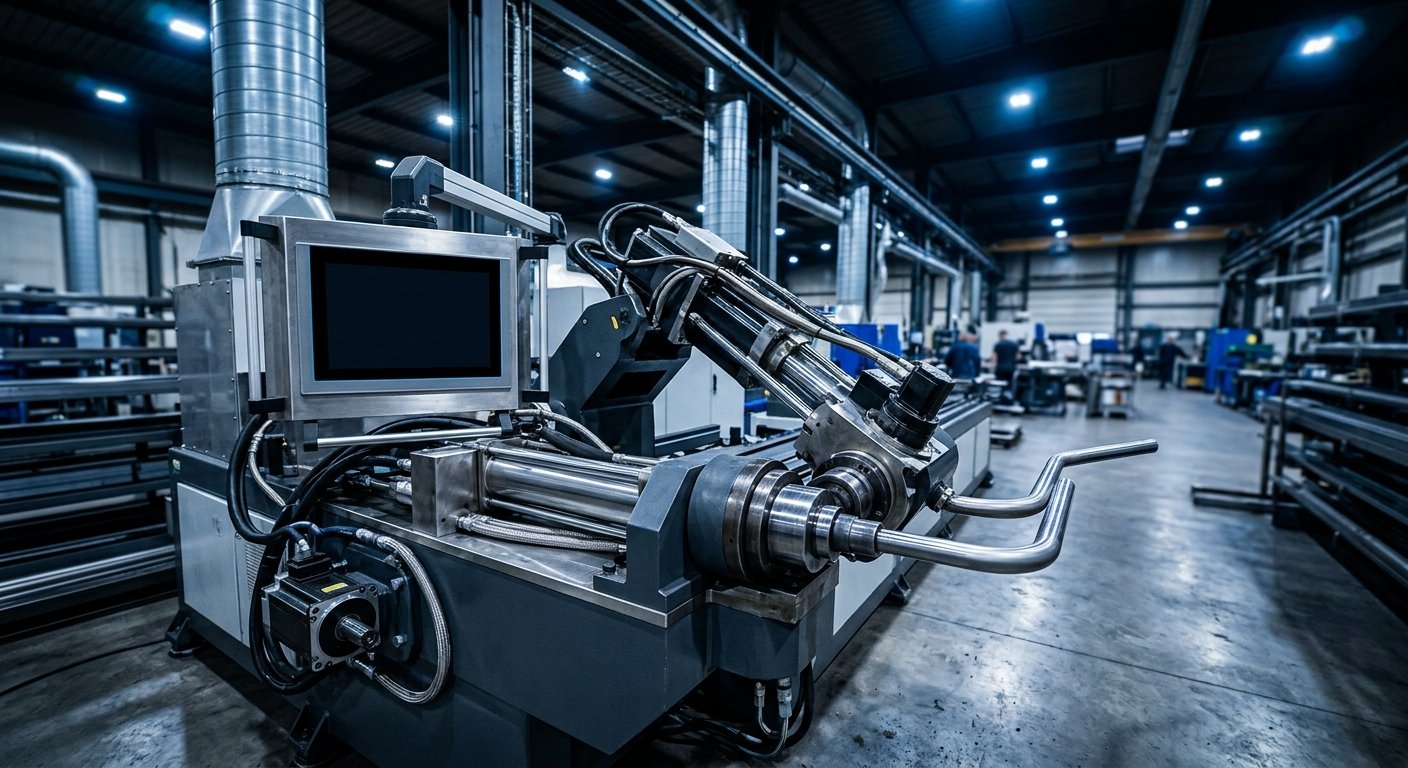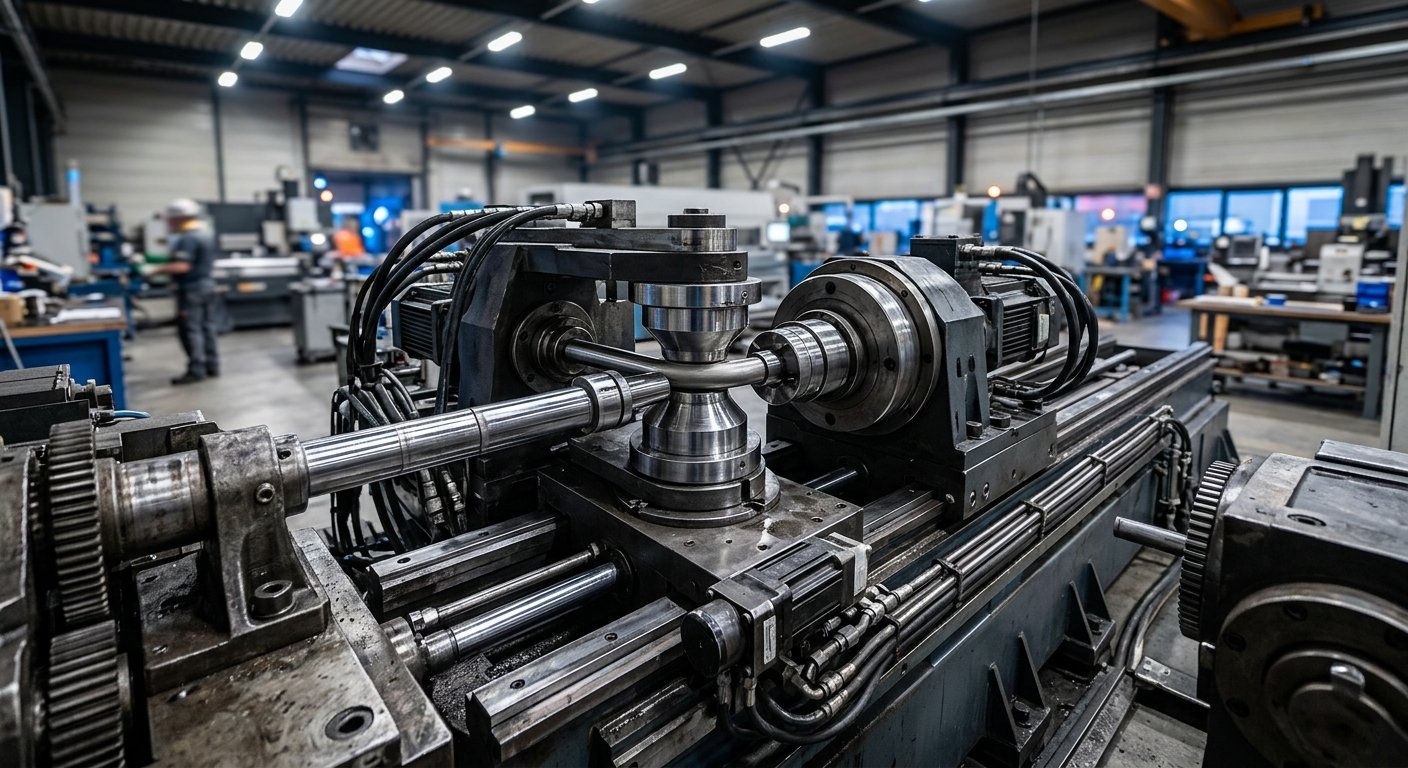
Selecting the right industrial pipe bending equipment manufacturer in 2026 represents a critical investment decision that will impact production quality, operational efficiency, and bottom-line performance for years to come. With global supply chains stabilizing but still vulnerable, the choice between offshore suppliers and American made pipe benders has never carried more strategic weight. This comprehensive guide examines the essential criteria engineering managers and procurement specialists should evaluate when selecting a precision pipe bending manufacturer.
Understanding Current Market Dynamics
The industrial pipe bending equipment landscape in 2026 reflects significant shifts from previous decades. Supply chain disruptions between 2020 and 2024 fundamentally altered how manufacturers approach equipment procurement. Lead times that once measured in weeks now stretch across months for some suppliers, making domestic sourcing increasingly attractive for critical applications.
Recent data indicates that 67% of aerospace and defense contractors now prioritize North American equipment suppliers for mission-critical components. This trend extends across oil and gas, petrochemical, and automotive sectors where production continuity cannot be compromised by international shipping delays or geopolitical uncertainties.
Technical Capability Assessment
Bending Method Expertise
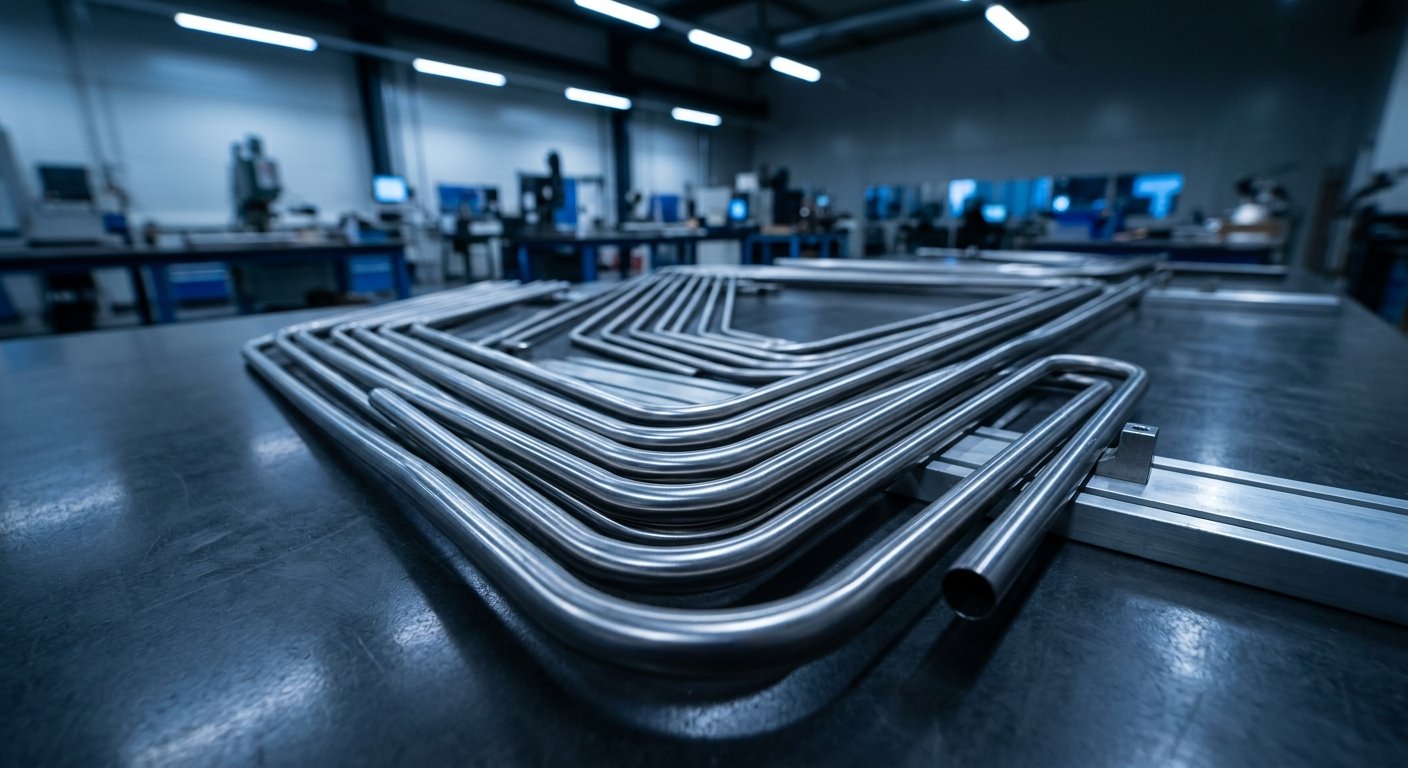
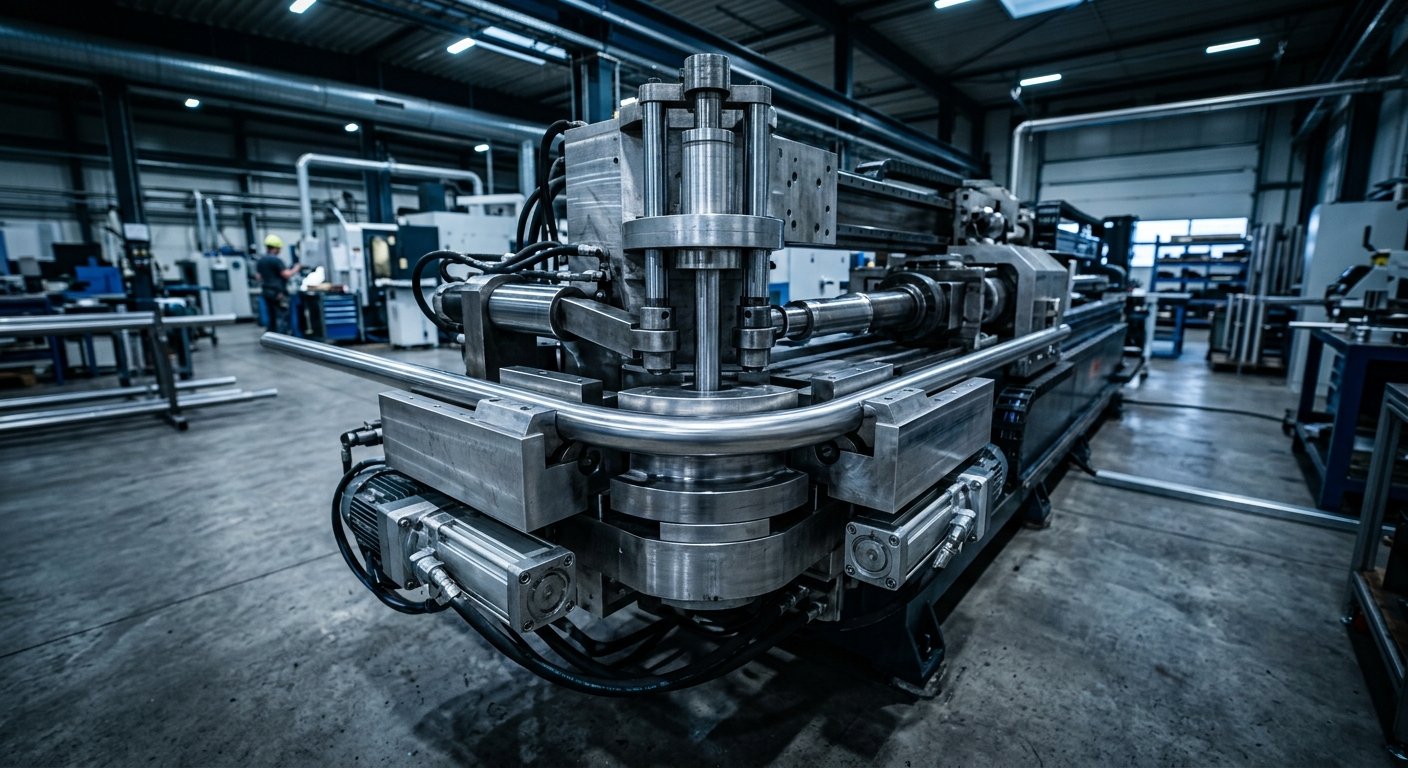
A qualified pipe bending machine manufacturer should demonstrate mastery across multiple bending methods. Rotary draw bending remains the gold standard for precision applications requiring tight centerline radii and minimal deformation. This method proves essential for aerospace hydraulic systems, where tolerances measured in thousandths of an inch determine whether components meet certification standards.
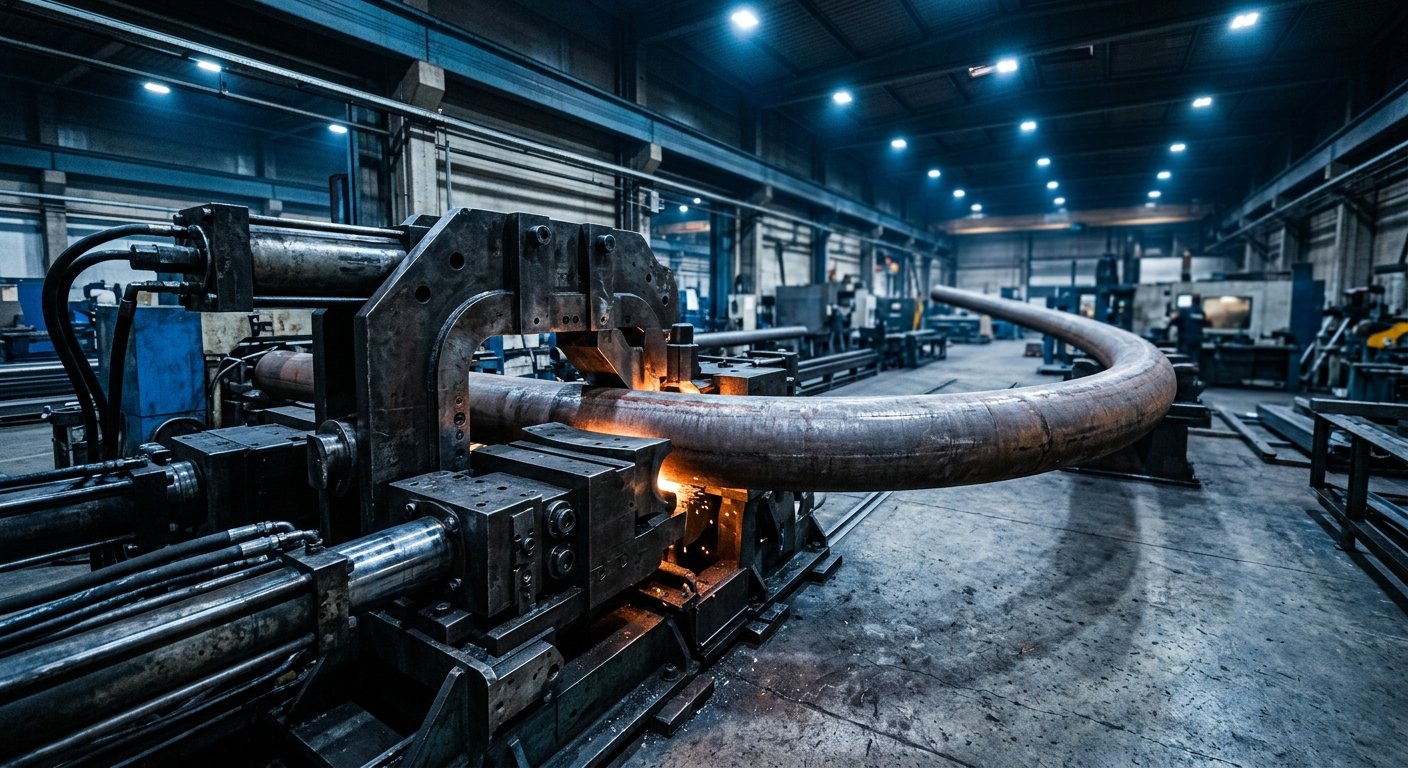
Compression bending suits larger diameter pipes in construction and infrastructure applications, while mandrel bending prevents collapse in thin-wall tubing for heat exchangers and exhaust systems. The manufacturer you select should not only offer these capabilities but provide technical guidance on which method optimizes your specific application requirements.
Material Specialization
Different industries demand expertise with distinct material families. Aerospace applications frequently involve titanium, Inconel, and specialized stainless steel alloys that require precise temperature control and specialized tooling. A precision pipe bending manufacturer serving this sector should document successful projects with these challenging materials.
Petrochemical and oil and gas projects often specify duplex and super-duplex stainless steels, along with chrome-moly alloys for high-pressure, high-temperature service. Your equipment supplier should understand the metallurgical implications of cold bending versus induction bending for these materials, including how work hardening affects mechanical properties and corrosion resistance.
Manufacturing Quality and Standards Compliance
Equipment quality directly correlates with the precision your operation can achieve. When evaluating an industrial pipe bending equipment manufacturer, examine their own manufacturing processes and quality systems. ISO 9001 certification represents the baseline, but aerospace and defense work demands AS9100D compliance.
American manufacturers operating under strict domestic quality standards typically maintain tighter tolerances on machine components compared to offshore alternatives. Spindle runout, tooling concentricity, and hydraulic system precision all contribute to final bend accuracy. Request specifications for these parameters and compare them against your application requirements.
Inspection and Verification Capabilities
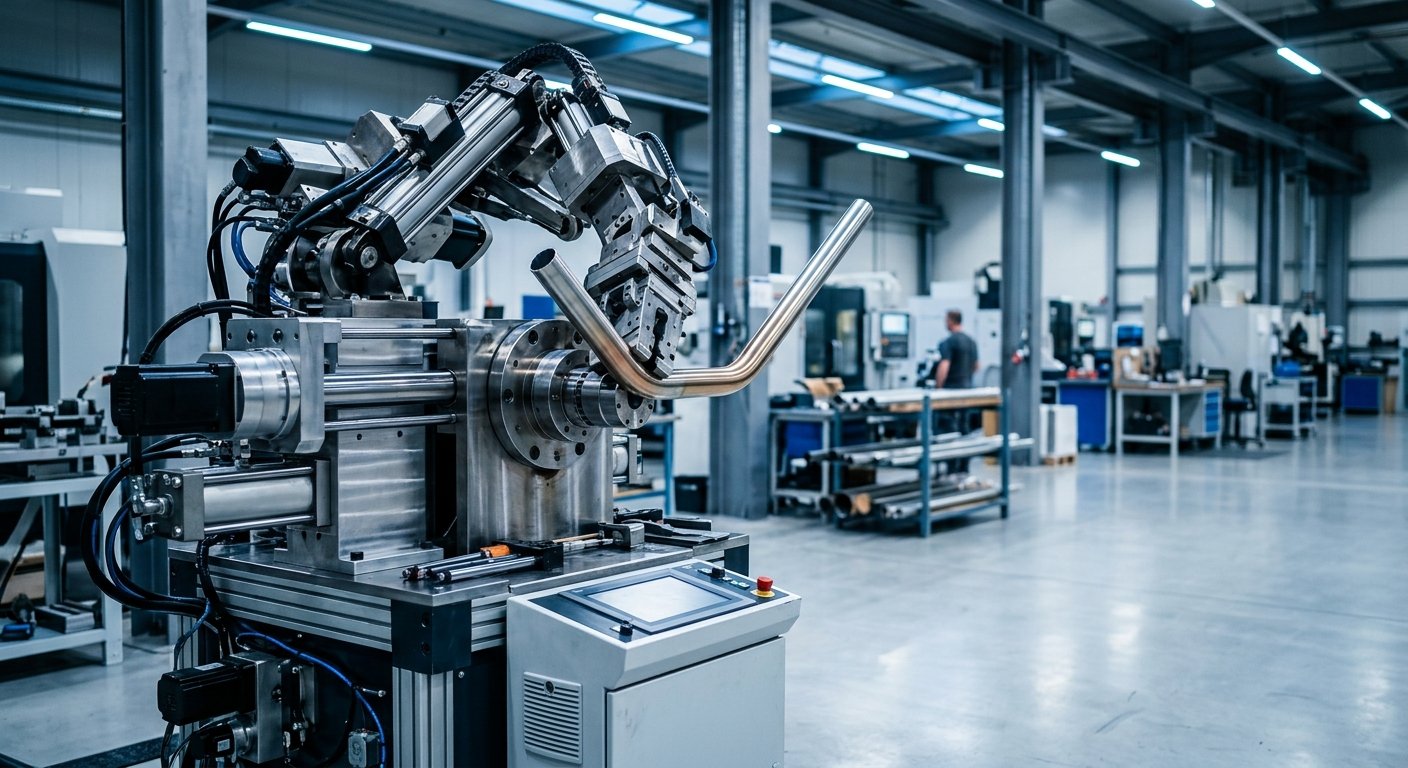
Advanced manufacturers integrate quality verification directly into their equipment. Modern CNC pipe benders incorporate real-time monitoring systems that track bend angle, rotation, and material springback. Some systems now employ laser scanning for immediate dimensional verification against CAD models.
Ask potential suppliers about their calibration procedures and traceability protocols. Equipment used for aerospace or nuclear applications requires documented calibration chains traceable to NIST standards. An industrial pipe bender manufacturer usa with established quality systems will readily provide this documentation.
Engineering Support and Custom Solutions
Off-the-shelf equipment rarely addresses specialized manufacturing challenges optimally. The ability to engineer custom solutions separates competent suppliers from true manufacturing partners. This capability proves especially critical for aerospace, defense, and petrochemical applications where standard equipment limitations could compromise project feasibility.
Evaluate potential manufacturers based on their engineering depth. Can they perform finite element analysis to predict material behavior during complex bends? Do they maintain relationships with material suppliers to test new alloys? Have they developed proprietary tooling solutions for challenging applications?
Companies like Hines Bending Systems, with decades of experience serving NASA and military clients, demonstrate this engineering-first approach. Their track record includes developing specialized equipment for unique applications that standard machines cannot address.
American Manufacturing Advantages
The case for domestic sourcing extends beyond patriotic preference. American made pipe benders offer tangible advantages that impact total cost of ownership and operational success.
Proximity and Responsiveness
When production equipment experiences downtime, geographic proximity translates directly to reduced revenue loss. A pipe bending machine supplier located domestically can dispatch service technicians within hours rather than days. Parts ship overnight instead of spending weeks in international transit or customs.
Time zone alignment facilitates real-time technical support. Engineering discussions happen during normal business hours rather than through delayed email exchanges spanning multiple days. This responsiveness accelerates problem resolution and minimizes production disruptions.
Regulatory and Compliance Considerations
Defense and aerospace projects increasingly face domestic content requirements and supply chain security mandates. The Defense Federal Acquisition Regulation Supplement (DFARS) now imposes strict limitations on foreign-sourced manufacturing equipment for certain applications. Selecting an American manufacturer ensures compliance with these evolving requirements.
Additionally, intellectual property protection carries greater certainty under U.S. legal frameworks. Proprietary designs, custom tooling configurations, and process innovations receive stronger protection from unauthorized duplication.
Training and Knowledge Transfer
Sophisticated pipe bending equipment represents a significant capability investment that requires operator proficiency and programming expertise. The manufacturer’s commitment to training directly impacts how quickly your operation achieves full productivity and quality targets.
Comprehensive training programs should address multiple levels. Operators need hands-on instruction covering setup, operation, and basic troubleshooting. Programmers require detailed training on CAD/CAM integration, toolpath optimization, and springback compensation strategies. Maintenance personnel must understand hydraulic systems, servo controls, and preventive maintenance protocols.
The best precision pipe bending manufacturers offer ongoing education that extends beyond initial equipment installation. As your team encounters new materials or challenging geometries, technical support should include applications engineering assistance that builds internal expertise.
Technology Integration and Industry 4.0
Modern manufacturing demands equipment that integrates seamlessly with enterprise systems. In 2026, standalone machines represent obsolete thinking. Your pipe bending equipment should communicate with ERP systems for production scheduling, quality management platforms for statistical process control, and maintenance management systems for predictive servicing.
Cloud connectivity enables remote diagnostics where manufacturers can monitor equipment performance and identify potential issues before they cause failures. Machine learning algorithms now optimize bend sequences based on accumulated production data, continuously improving cycle times and material utilization.
When evaluating manufacturers, assess their commitment to ongoing technological development. Equipment purchased today should receive software updates and capability enhancements that maintain competitiveness throughout its operational life.
Service and Parts Support Infrastructure
Equipment longevity depends on consistent maintenance and readily available replacement parts. An industrial pipe bending equipment manufacturer with limited service infrastructure creates long-term operational risk. Evaluate their parts inventory, service technician availability, and response time commitments.
Domestic manufacturers typically maintain larger parts inventories and more extensive service networks compared to importers representing overseas manufacturers. This infrastructure difference becomes critical during equipment failures that halt production. A manufacturer with regional service centers and factory-trained technicians minimizes downtime costs.
Request references from existing customers and specifically ask about their service experiences. How quickly does the manufacturer respond to emergency calls? Are parts readily available or subject to extended backorders? Does equipment performance remain consistent years after installation?
Financial Stability and Long-Term Partnership
Pipe bending equipment represents a multi-decade investment. The manufacturer you select must demonstrate financial stability and operational continuity. Companies that have served industries like aerospace and defense for generations provide greater assurance of ongoing support than newer entrants with uncertain futures.
Consider the manufacturer’s investment in their own capabilities. Are they upgrading manufacturing facilities and expanding engineering staff? Do they actively participate in industry associations and standards development? These indicators suggest a commitment to long-term market presence.
Making the Final Selection
After evaluating technical capabilities, quality systems, service infrastructure, and American manufacturing advantages, narrow your selection to manufacturers who align with your specific application requirements and operational priorities. Schedule facility tours to observe their manufacturing processes firsthand and meet the engineering teams who will support your project.
Request detailed proposals that address your complete scope, including equipment specifications, tooling packages, training programs, service agreements, and delivered pricing. Compare total cost of ownership rather than initial purchase price alone. Factor in expected uptime, energy efficiency, maintenance costs, and anticipated service life.
The right pipe bending machine supplier becomes a true manufacturing partner who contributes to your competitive advantage through superior equipment, responsive support, and ongoing innovation. This relationship should extend across equipment lifecycles and evolve as your production requirements change.
Conclusion: Strategic Investment in Manufacturing Excellence
Selecting an industrial pipe bender manufacturer in 2026 requires balancing technical capabilities, quality assurance, service support, and strategic considerations like domestic sourcing and regulatory compliance. The manufacturers who distinguish themselves deliver proven performance across demanding applications, maintain engineering depth for custom solutions, and demonstrate long-term commitment to customer success.
American manufacturers with established track records serving aerospace, defense, and energy sectors offer compelling advantages in responsiveness, quality, and compliance. Their proximity, technical support infrastructure, and alignment with domestic content requirements address both immediate production needs and strategic operational objectives.
For engineering managers and procurement specialists evaluating options, prioritize manufacturers who demonstrate genuine expertise through their project portfolio, maintain robust quality systems documented through industry certifications, and invest continuously in technological advancement. The right partnership delivers not just equipment but manufacturing capability that drives competitive advantage for decades.
Ready to discuss your specific pipe bending requirements with a manufacturer that has served America’s most demanding industries for over six decades? Contact Hines Bending Systems to explore how custom-engineered solutions, American manufacturing quality, and comprehensive technical support can optimize your production capabilities. Our engineering team stands ready to address your most challenging bending applications with proven expertise and unwavering commitment to your success.