Purchasing an NC tube bending machine is a significant capital investment—but the equipment itself is only part of the equation. In 2026, with skilled labor shortages tightening across aerospace, oil & gas, and petrochemical sectors, the training and support infrastructure behind your tube bending equipment dealer matters as much as the machine specifications on paper. Yet most procurement checklists stop at price, lead time, and horsepower ratings.
This guide gives engineering managers, production planners, and procurement specialists a structured framework for evaluating any NC tube bender dealer or tube bending equipment distributor on the dimensions that actually determine long-term production success: training depth, applications support, service response, and technical partnership quality.
Why Dealer Support Evaluation Is Different in 2026
The manufacturing landscape has shifted. According to the U.S. Bureau of Labor Statistics, specialized machine operator roles continue to face retirement-driven attrition with limited replacement pipelines. This means companies purchasing a new NC tube bending machine often cannot assume an experienced operator is waiting to run it. Training must be built into the acquisition strategy from day one.
Simultaneously, bending applications have grown more demanding. Thin-wall titanium tubing for aerospace, high-pressure hydraulic lines for defense platforms, and duplex stainless assemblies for subsea oil & gas all require precise control over bend angle, springback compensation, and wall thinning—parameters that only well-trained operators can manage consistently on even the most sophisticated CNC-controlled equipment.
The right tube bending machine dealer isn’t just a sales channel. They’re an operational partner. Evaluating them accordingly protects your investment and your production capability.
Core Criteria for Evaluating Any Tube Bending Equipment Distributor
1. Application-Specific Technical Knowledge
Generic bending knowledge isn’t sufficient for demanding industrial applications. Before committing to any industrial tube bending machine sales relationship, assess whether the dealer’s technical team can speak fluently to your specific application requirements:
- Material-specific considerations: How does the dealer address springback in high-strength alloys versus mild steel? Can they discuss elongation properties and their impact on bend tooling selection?
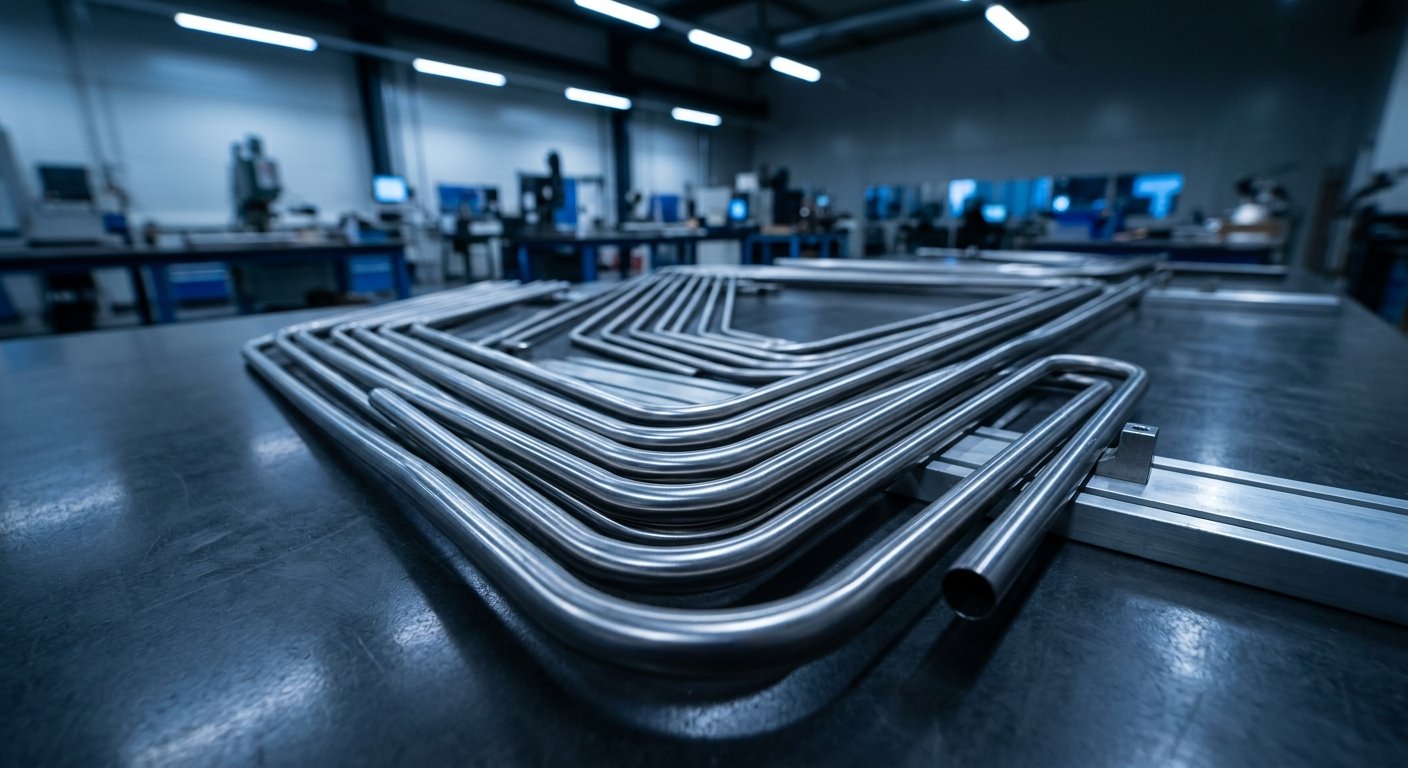
- Tight CLR (centerline radius) bending: Does the team understand D/t ratios and the compressive and tensile stress dynamics involved in tight-radius work?
- Multi-stack tooling configurations: For complex assemblies with multiple bends in close proximity, does the dealer have hands-on experience with the setup requirements?
- Industry standards fluency: For aerospace clients, familiarity with AS9100 quality management requirements is a baseline expectation. For oil & gas, ASME B31.3 process piping standards should be referenced naturally in conversation.
A dealer who can engage at this technical depth has application engineers on staff—not just sales representatives. That distinction matters when a production problem surfaces at 2 AM before a critical delivery.
2. Structured Tube Bending Training Programs
Ask every dealer candidate to describe their tube bending training program in detail. The quality of the answer tells you a great deal about their commitment to customer success versus transaction completion.
Strong training programs typically include:
- Machine-specific operator training: Hands-on instruction covering machine setup, tooling installation, program entry, and safe operation procedures for the exact model being purchased.
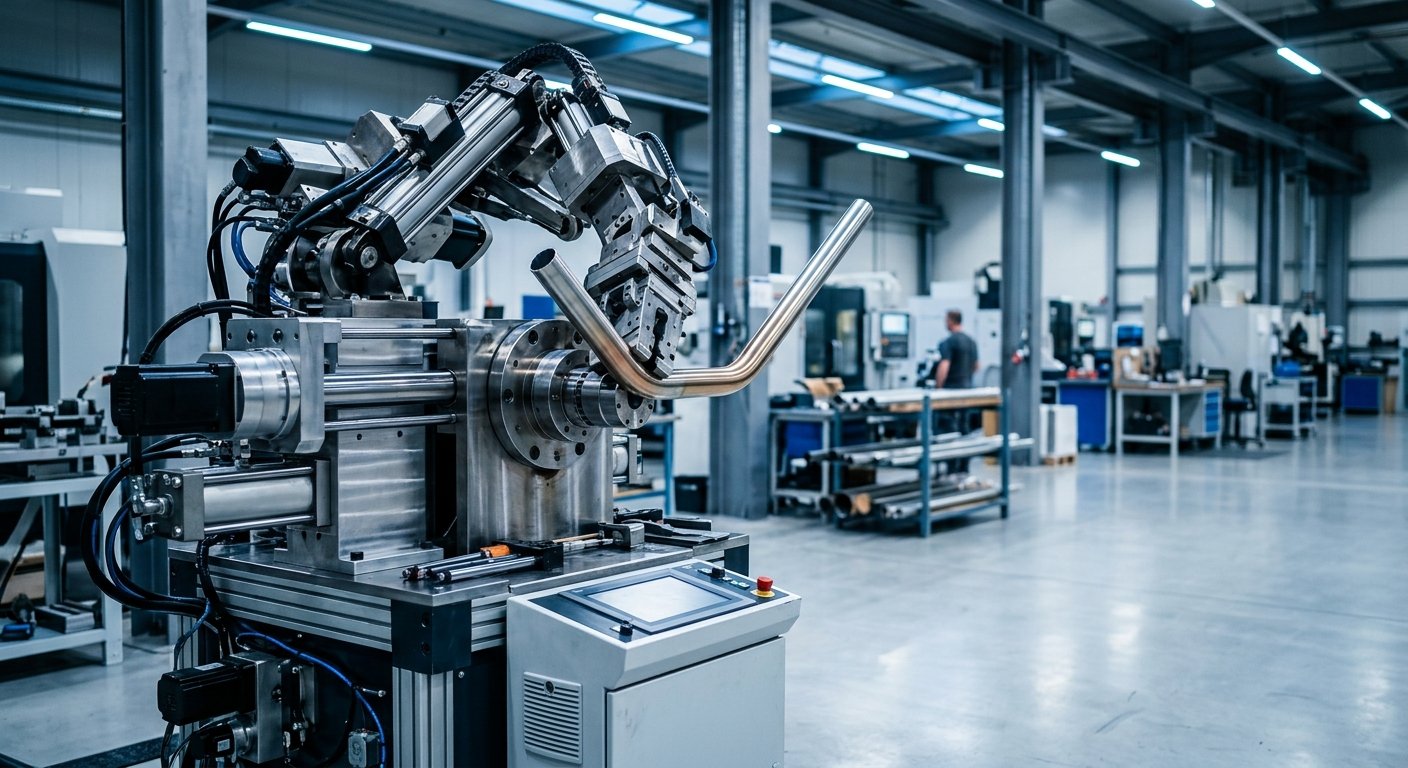
- Programming and NC control instruction: For NC and CNC tube benders, operators must understand how to input bend sequences, adjust parameters for springback, and interpret machine feedback. This is not something that can be self-taught from a manual on a production floor.
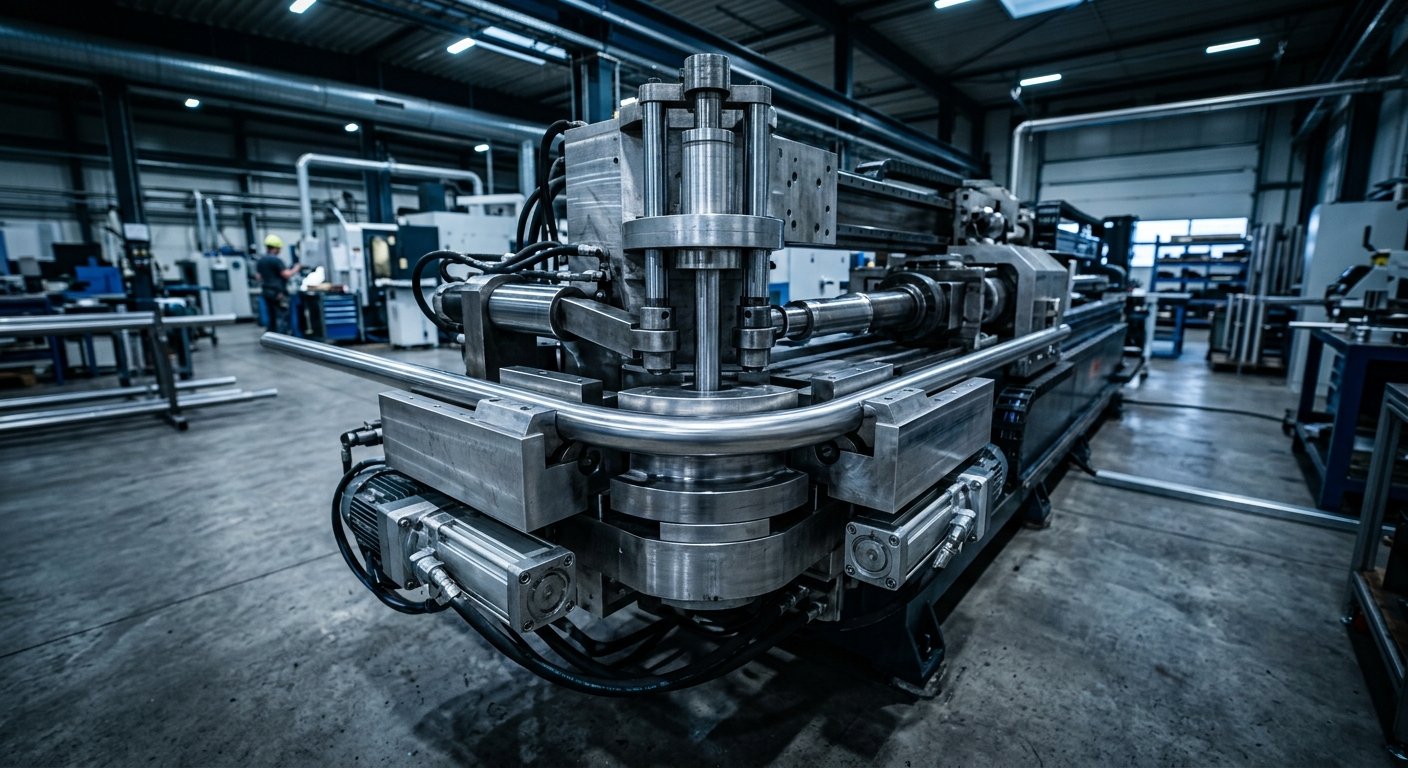
- Tooling selection and setup training: Bend dies, clamp dies, pressure dies, mandrels, and wiper dies all interact dynamically. Incorrect setup is the most common cause of part rejection and tooling wear. Structured training on tooling geometry and setup sequences significantly reduces scrap rates and tooling costs.
- Troubleshooting methodology: How do operators diagnose wrinkling, ovality, wall thinning, or springback inconsistency? Dealers with mature training programs teach systematic troubleshooting frameworks, not just symptom-response fixes.
- Refresher and advanced training availability: As your workforce evolves or applications become more complex, can you return for additional training? Is advanced programming instruction available for experienced operators?
Training should be delivered by individuals who have operated bending equipment in production environments—not only technical writers who documented the process. Ask specifically about the backgrounds of the people who will train your team.
3. Post-Sale Service and Support Infrastructure
Equipment reliability is non-negotiable in aerospace, defense, and energy applications. Evaluate the service infrastructure your dealer provides with the same rigor you apply to machine specifications:
- Parts availability: Are critical wear components and spare parts stocked domestically? Import delays or extended lead times for replacement parts can idle production lines at significant cost.
- Service technician expertise: Are service technicians factory-trained on the specific equipment they support? Can the dealer provide field service, or is all support remote?
- Remote diagnostic capabilities: Modern NC tube bending equipment often supports remote diagnostic access. Does the dealer utilize this capability to reduce downtime?
- Response time commitments: Understand what a realistic service response looks like—not a promised ideal, but a documented typical performance for your geographic location and application type.
American-manufactured equipment with domestic support infrastructure has an inherent supply chain and service advantage for U.S.-based manufacturers. When evaluating dealer relationships, confirm that the equipment’s origin and the dealer’s support network are aligned with your operational risk tolerance.
4. Customization and Engineering Support Capability
Not every application fits standard catalog configurations. Aerospace assemblies, defense hydraulic systems, and subsea oil & gas tubing often require custom tooling, modified machine configurations, or application-specific engineering input.
Evaluate whether your dealer has direct access to engineering resources capable of developing custom solutions. Can they work with you to define the right machine configuration before purchase rather than discovering gaps after installation? The Society of Manufacturing Engineers consistently emphasizes front-end application engineering as a key driver of long-term production efficiency—a principle that applies directly to tube bending equipment selection.
At Hines Bending Systems, our 50 years of precision bending expertise and our track record supplying NASA and military clients means we’ve solved application challenges that fall well outside the range of standard catalog equipment. That engineering depth is available to customers evaluating our tube bending machines before, during, and after purchase.
Red Flags to Watch During the Evaluation Process
Beyond what a dealer claims to offer, watch for these indicators of a transactional versus partnership-oriented supplier:
- Training is described as optional or available “if needed” rather than a structured, recommended component of implementation.
- Service support is primarily routed through a third-party network with no factory involvement.
- Technical questions are deferred to documentation rather than answered directly by application-knowledgeable staff.
- Custom or non-standard applications are consistently redirected toward standard catalog configurations without exploring whether the application genuinely fits.
- References from customers in your specific industry are unavailable or vague.
These patterns don’t mean a dealer can’t supply equipment. They do mean your team will carry more of the technical burden alone after the transaction closes.
Industry-Specific Considerations for 2026
Different industries bring different support priorities:
Aerospace: Documentation requirements, material traceability, and tight tolerance verification are non-negotiable. Your dealer should understand the quality management ecosystem your operation lives within. Explore our dedicated aerospace tube bending capabilities for more on how precision bending serves flight-critical applications.
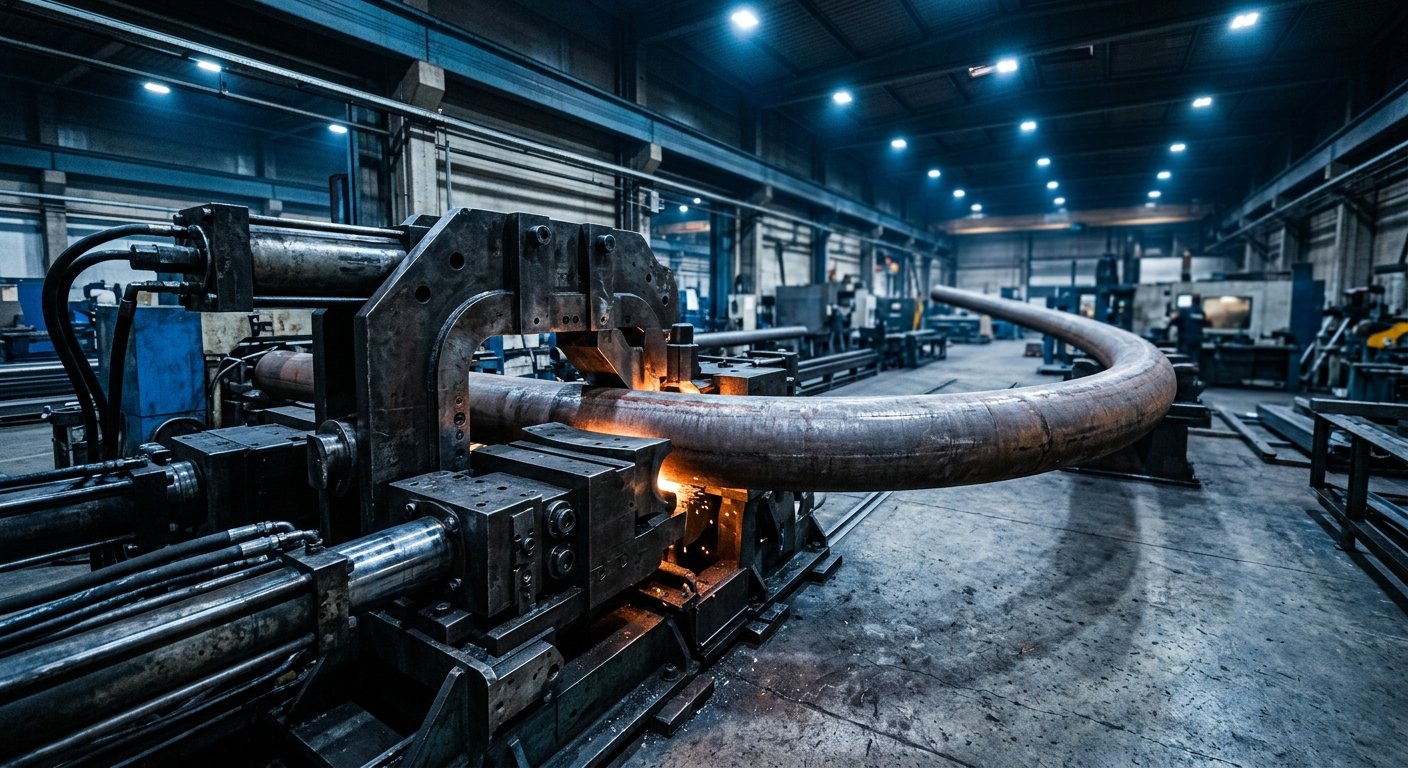
Oil & Gas and Petrochemical: High-pressure, corrosion-resistant tubing assemblies demand expertise in exotic alloys and precise wall integrity maintenance through the bend. Dealers who understand ASME standards and material behavior under process conditions add concrete value. See how our pipe bending machines serve these demanding environments.
Defense: Security of supply chain, domestic manufacturing origin of equipment, and long-term parts availability take on additional weight in defense applications. The U.S. Department of Defense continues to emphasize domestic manufacturing resilience—making American-made bending equipment and domestically supported dealer relationships strategically aligned with procurement priorities.
Frequently Asked Questions
What should I expect from an NC tube bender dealer’s training program?
A quality dealer should provide structured, hands-on training covering machine operation, NC programming, tooling setup, and troubleshooting methodology. Training should be delivered by individuals with real production experience and should be available not only at initial installation but also as refresher or advanced instruction as your team’s needs evolve.
How do I evaluate whether a dealer truly understands my application?
Ask application-specific technical questions about your materials, wall thicknesses, CLR requirements, and industry standards. A dealer with genuine expertise will engage directly with these details rather than deferring to documentation or providing generic responses. Request references from customers in your specific industry.
Is domestic manufacturing origin important when selecting tube bending equipment?
For most aerospace, defense, and critical energy applications, yes. Domestically manufactured equipment supports faster parts availability, easier compliance documentation, supply chain resilience, and alignment with Buy American provisions relevant to government and defense contracting.
What questions should I ask about post-sale service support?
Ask specifically about parts stocking locations, factory-trained technician availability, field service capability, remote diagnostic support, and realistic service response timelines for your location. Clarify whether service is provided directly by the dealer or through a third-party network.
How do I determine if a dealer can support custom or non-standard bending requirements?
Ask directly whether their engineering team can develop custom tooling or machine configurations. Request examples of non-standard applications they’ve supported in your industry. A dealer with genuine custom capability will have specific, documented examples rather than general assurances.
Making the Right Choice
Selecting a tube bending equipment distributor in 2026 is an engineering decision with long operational consequences. The machine in your facility will run for years or decades. The support structure behind it determines how effectively your team operates it, how quickly problems get resolved, and how confidently you can take on more demanding applications over time.
Hines Bending Systems brings 50 years of American manufacturing expertise, a proven record with NASA and military clients, and a genuine commitment to training and support that extends well beyond the transaction. If you’re evaluating NC tube bending equipment for aerospace, energy, defense, or industrial production applications, we’re ready to engage at the technical level your application demands.
Contact Hines Bending Systems today to discuss your application requirements and learn how our equipment, training, and support capabilities align with your production goals.