Meta Title: Pre-Owned CNC Tube Benders: 2026 Lifecycle Cost Analysis
Meta Description: Thinking about used pipe benders for sale in 2026? This lifecycle cost analysis helps engineers and procurement managers make smarter capital equipment decisions.
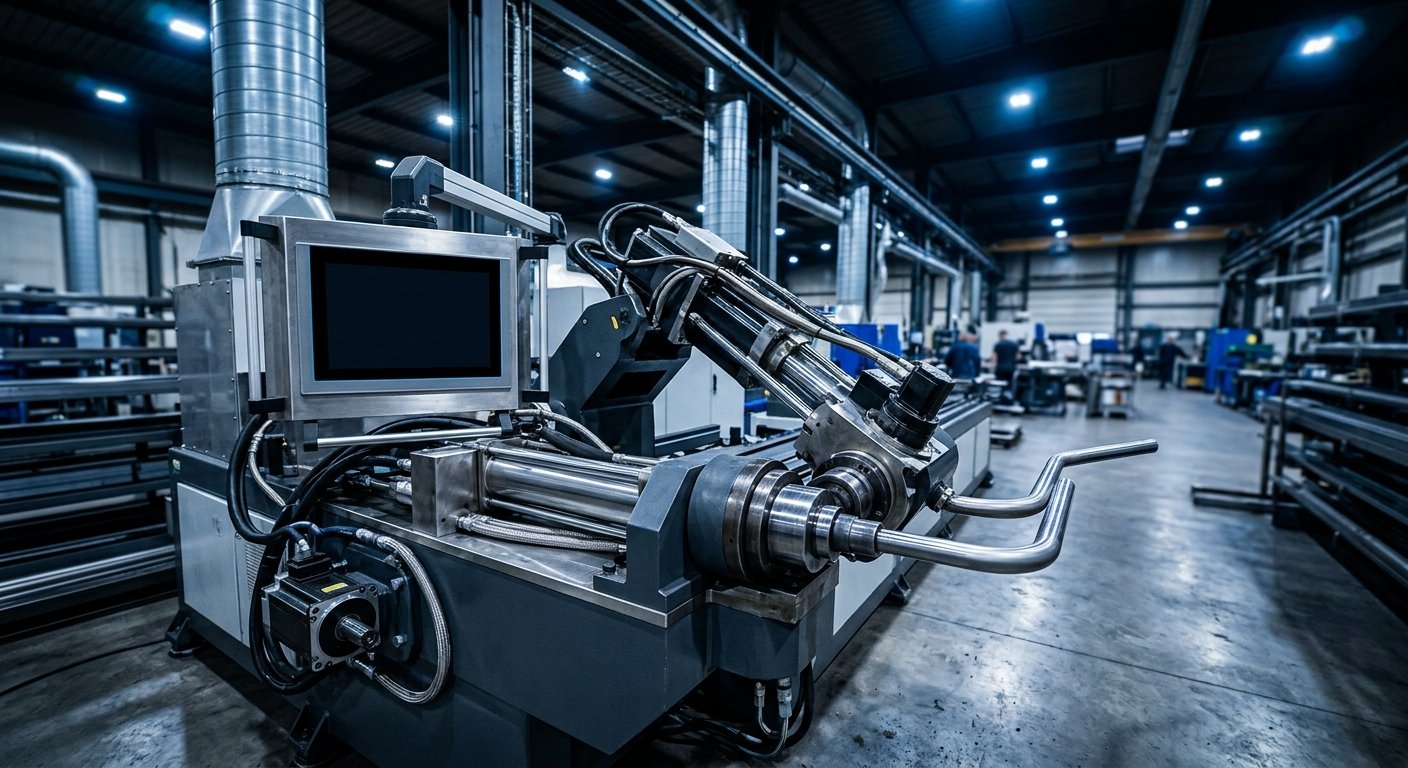
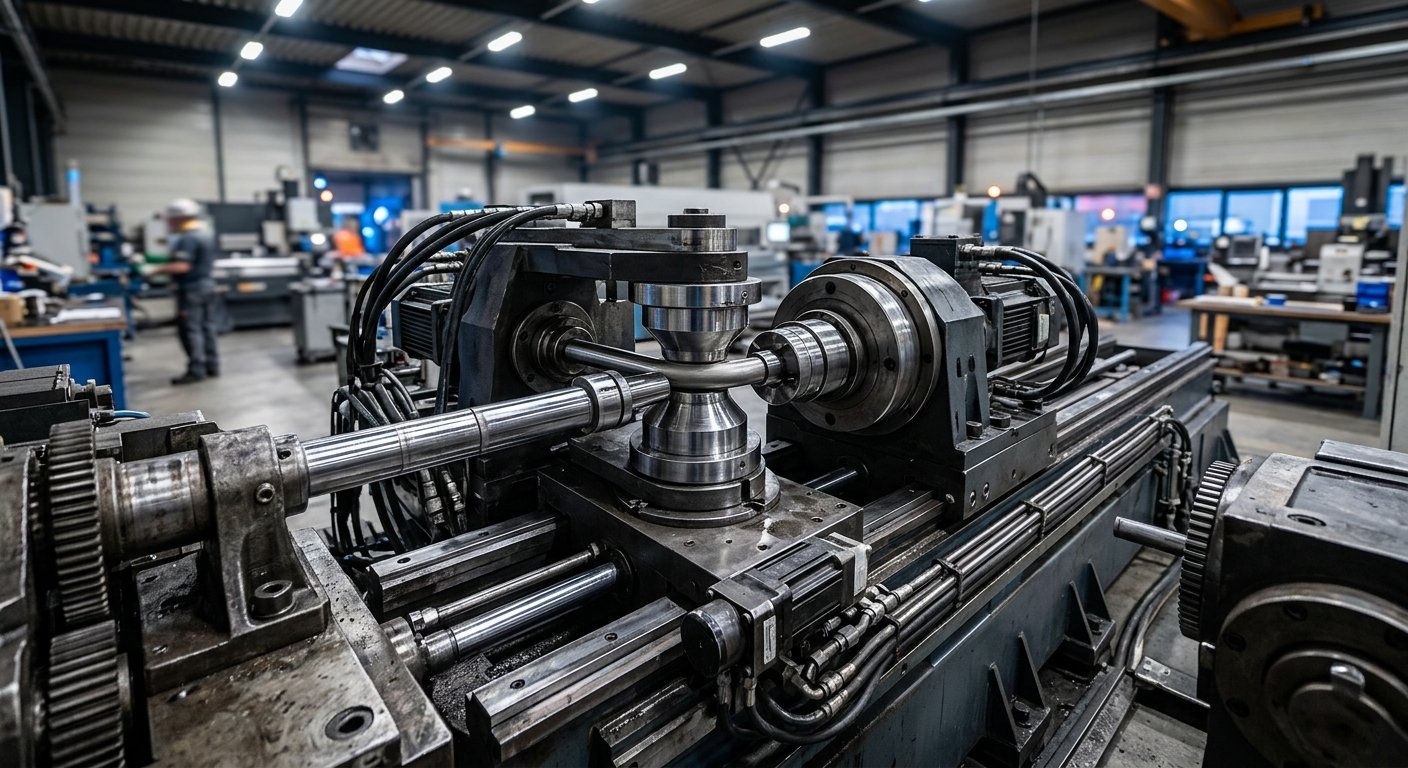
Capital equipment budgets in aerospace, energy, and oil & gas don’t stretch as far as they used to. With precision CNC tube bending systems representing significant upfront investment, procurement teams are increasingly scrutinizing pre-owned CNC tube benders as a viable alternative to new equipment. But the purchase price is only one chapter of the story. The real question is: what does a refurbished or reconditioned tube bending machine actually cost over its full operational life?
This lifecycle cost analysis breaks down the financial and operational factors that matter most in 2026—so you can make a decision grounded in data, not assumptions.
Why Pre-Owned Equipment Deserves Serious Consideration
The market for used industrial pipe benders has matured significantly. Industrial facilities in aerospace, petrochemical, and defense regularly cycle out functional equipment when production requirements shift, creating a secondary market with genuinely capable machines. Unlike a decade ago, pre-owned CNC tube benders in 2026 often come from facilities with rigorous maintenance programs, meaning the machines have verifiable service histories and documented condition reports.
According to the U.S. Energy Information Administration, domestic energy infrastructure investment remains elevated, driving continued demand for precision tube and pipe fabrication across oil & gas and petrochemical sectors. That sustained demand means production managers need bending capacity—fast. Pre-owned equipment can often be evaluated, purchased, and installed on a compressed timeline compared to new machine lead times.
Still, “faster and cheaper upfront” isn’t a complete financial argument. Lifecycle cost analysis fills the gaps that sticker price comparisons miss.
The True Lifecycle Cost Framework
A responsible cost analysis for pre-owned CNC tube benders should account for seven cost categories over a defined operational horizon—typically five to ten years for industrial bending equipment.
1. Acquisition Cost
Pre-owned CNC tube benders typically sell at a significant discount to new machine pricing, depending on age, condition, and original configuration. Reconditioned bending machines that have undergone professional inspection and component refurbishment generally command higher prices than “as-is” used equipment—and for good reason. The refurbishment investment reduces downstream risk.
When evaluating used pipe benders for sale, request detailed documentation: original specifications, maintenance logs, hours of operation, and any CNC control upgrades. A machine with a documented history is worth more than one without it, regardless of asking price.
2. Reconditioning and Commissioning Costs
Unless purchasing a fully reconditioned machine from a qualified supplier, budget for reconditioning costs at the point of acquisition. This typically includes:
- Hydraulic system inspection and fluid replacement
- CNC control software verification or upgrade
- Tooling inspection and replacement (dies, mandrels, wiper dies)
- Mechanical wear component assessment
- Electrical system inspection
Skipping this step is one of the most common mistakes buyers make with used industrial pipe benders. Deferred reconditioning doesn’t reduce cost—it relocates it to a more disruptive moment in your production schedule.
3. Maintenance and Repair Costs
Maintenance cost is where lifecycle analysis most frequently diverges from initial-cost thinking. Older machines without recent refurbishment may carry higher annual maintenance burdens. Key variables include:
- Control system age: Legacy CNC controls can face parts obsolescence, driving up repair costs or forcing premature control upgrades
- Hydraulic component condition: Seals, cylinders, and valves on high-hour machines require closer attention
- Mechanical wear: Bend arm bearings, carriage components, and pressure die mechanisms wear progressively
Establishing a preventive maintenance baseline during commissioning is essential. Machines that receive disciplined preventive maintenance consistently outperform those maintained reactively—both in uptime and total cost over the operational period.
4. Tooling Investment
Tooling is often underweighted in pre-owned equipment evaluations. CNC tube benders require precision tooling matched to specific tube OD, wall thickness, material, and bend radius combinations. If the machine’s existing tooling doesn’t match your production requirements, new tooling represents a real capital line item.
For aerospace and defense applications especially, tooling precision is non-negotiable. The ASTM International standards governing tubing materials in critical applications require bending processes that maintain dimensional integrity within tight tolerances. Worn or mismatched tooling doesn’t just affect quality—it can result in non-conforming parts that must be scrapped, creating cost cascades far exceeding the original tooling savings.
5. Downtime and Production Loss
Unplanned downtime is expensive in any manufacturing environment, but in aerospace, defense, or project-driven oil & gas fabrication, it can have contractual consequences. Lifecycle cost analysis should include a realistic downtime factor based on machine age and condition. Even a conservative estimate of additional downtime hours per year, multiplied by your production value per hour, puts a meaningful dollar figure on reliability risk.
This is why sourcing pre-owned CNC tube benders from suppliers who offer comprehensive service and support is a practical risk-management strategy, not just a service upsell.
6. Training and Integration Costs
Operators familiar with current CNC platforms may require retraining when working with older control systems. Conversely, machines with modern CNC upgrades reduce this burden. Training costs are often overlooked in equipment ROI calculations but represent genuine expense in labor hours and potential early-production quality variation.
7. Residual Value
Well-maintained industrial bending equipment retains meaningful residual value. A reconditioned bending machine purchased today and operated under a disciplined maintenance program will have realizable resale value at the end of your operational horizon—partially offsetting total lifecycle cost. This residual value is typically stronger for established American-manufactured equipment with recognized brand equity in the secondary market.
New vs. Pre-Owned: Where the Numbers Land in 2026
There’s no universal answer, but the lifecycle cost analysis consistently points to a few clear patterns:
- Pre-owned wins on initial capital outlay — often substantially, freeing budget for tooling, training, or additional capacity
- New equipment wins on total maintenance cost certainty — especially when warranty coverage and current control systems are factored in
- Reconditioned machines occupy a middle position — offering reduced acquisition cost with improved reliability predictability compared to unrefurbished used equipment
- High-production environments favor new or fully reconditioned — where uptime value is highest and maintenance disruption cost is greatest
- Lower-utilization or project-specific applications — where duty cycles are moderate, pre-owned equipment frequently delivers the superior lifecycle cost profile
For engineering managers running lifecycle numbers, a break-even analysis comparing acquisition cost savings against projected incremental maintenance cost and downtime risk typically reveals the crossover point where pre-owned makes clear financial sense.
What to Look for When Evaluating Used Pipe Benders for Sale
Not all pre-owned CNC tube benders are equal. A structured evaluation process protects your investment:
- Request complete service records — maintenance history, repair logs, and operating hours provide the foundation for condition assessment
- Verify CNC control status — confirm software version, available support, and parts availability for the installed control system
- Inspect hydraulic systems — hydraulic condition is one of the highest-impact factors in machine reliability
- Assess tooling inventory — determine what tooling transfers with the machine and what gaps exist for your application
- Evaluate supplier support capability — technical support, parts availability, and training resources matter as much post-purchase as at acquisition
Hines Bending Systems’ used equipment inventory includes industrial pipe benders that have been evaluated by our engineering team. With 50 years of tube and pipe bending expertise and a track record serving NASA, military, and major industrial clients, we apply rigorous standards to the pre-owned equipment we represent—and we provide the service infrastructure to support customers after the sale.
Frequently Asked Questions
What is the typical lifespan of a pre-owned CNC tube bender?
With proper maintenance, industrial CNC tube benders are built to provide decades of service. Pre-owned machines that have been well-maintained or professionally reconditioned can realistically deliver 10–20 additional years of productive operation, depending on duty cycle and application demands. Machine longevity is more closely tied to maintenance quality than calendar age.
Are reconditioned tube bending machines reliable for aerospace applications?
Reconditioned bending machines can meet aerospace application requirements when properly evaluated, tooled, and supported. The critical factors are control system precision, tooling condition, and the ability to document and validate the bending process for quality compliance. Working with a knowledgeable supplier who understands aerospace tube bending requirements is essential for these applications.
How do I calculate the break-even point between new and pre-owned equipment?
Start with the acquisition cost differential (new price minus pre-owned price). Then estimate incremental annual maintenance cost for the pre-owned machine and assign a dollar value to realistic additional downtime hours per year. Divide the acquisition savings by the annual incremental cost to find the break-even year. If break-even falls beyond your intended operational horizon, pre-owned offers the superior lifecycle cost.
What are the biggest hidden costs in buying used industrial pipe benders?
The most commonly overlooked costs are tooling gaps (needing new dies and mandrels for your specific application), CNC control upgrades or parts obsolescence issues, reconditioning work deferred from purchase to production startup, and operator retraining requirements. A thorough pre-purchase evaluation minimizes these surprises.
Does Hines Bending Systems offer support for pre-owned equipment?
Yes. Hines Bending provides technical support, training, and service for our equipment—including pre-owned machines. Our team’s deep familiarity with our tube bending machines means customers get genuine technical guidance, not generic customer service. This support capability is a meaningful part of the value equation when evaluating pre-owned equipment sources.
Making the Right Decision for Your Operation
Pre-owned CNC tube benders represent a legitimate, financially sound choice for many industrial applications in 2026—when the purchase is approached with the same discipline applied to any capital equipment decision. The buyers who consistently get the best outcomes are those who think in lifecycle terms from the start, evaluate machines thoroughly before purchase, and partner with suppliers who provide real post-sale support.
If you’re evaluating used pipe benders for sale or exploring whether a refurbished tube bending machine fits your operational requirements, the Hines Bending Systems team brings 50 years of precision bending expertise to that conversation. Explore our used equipment inventory or contact our engineering team to discuss your application requirements and get a clear-eyed assessment of the options available to you.