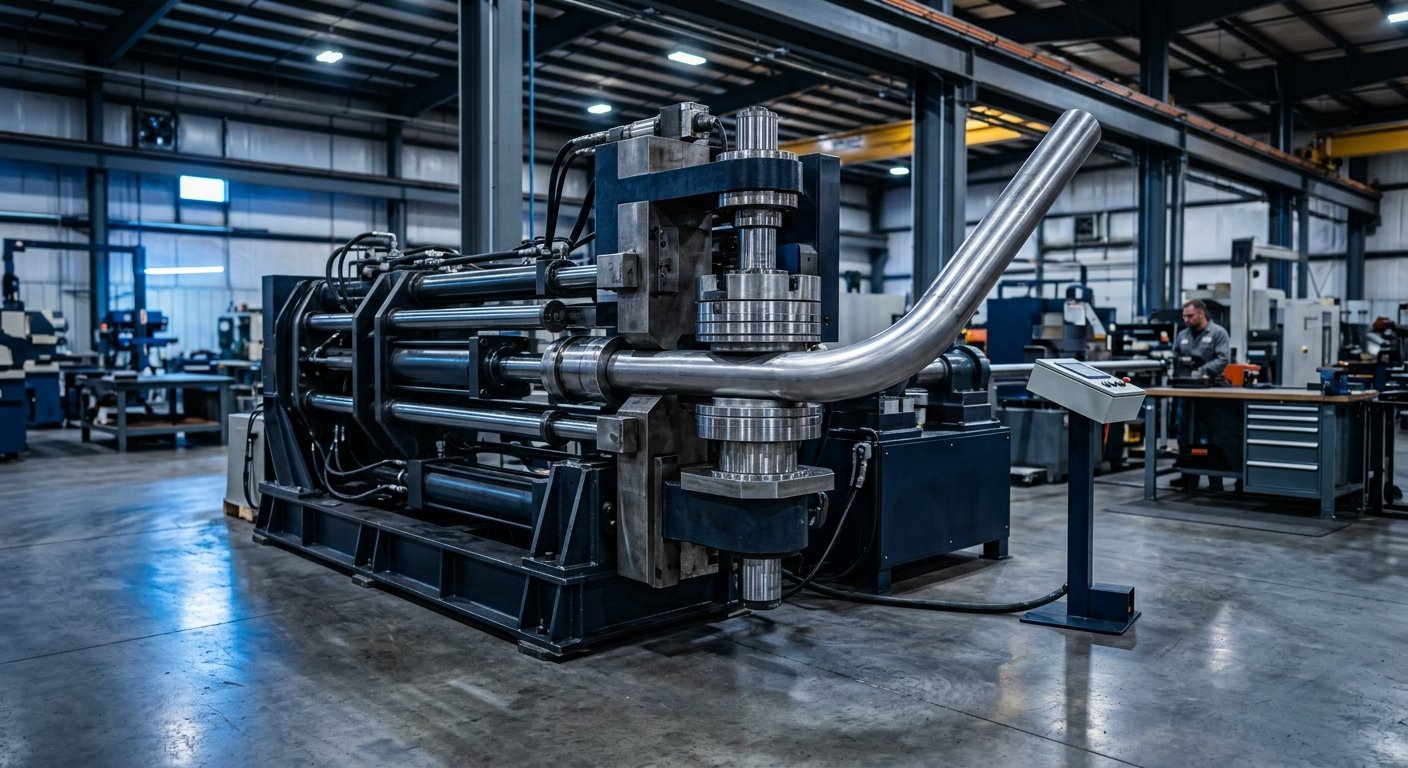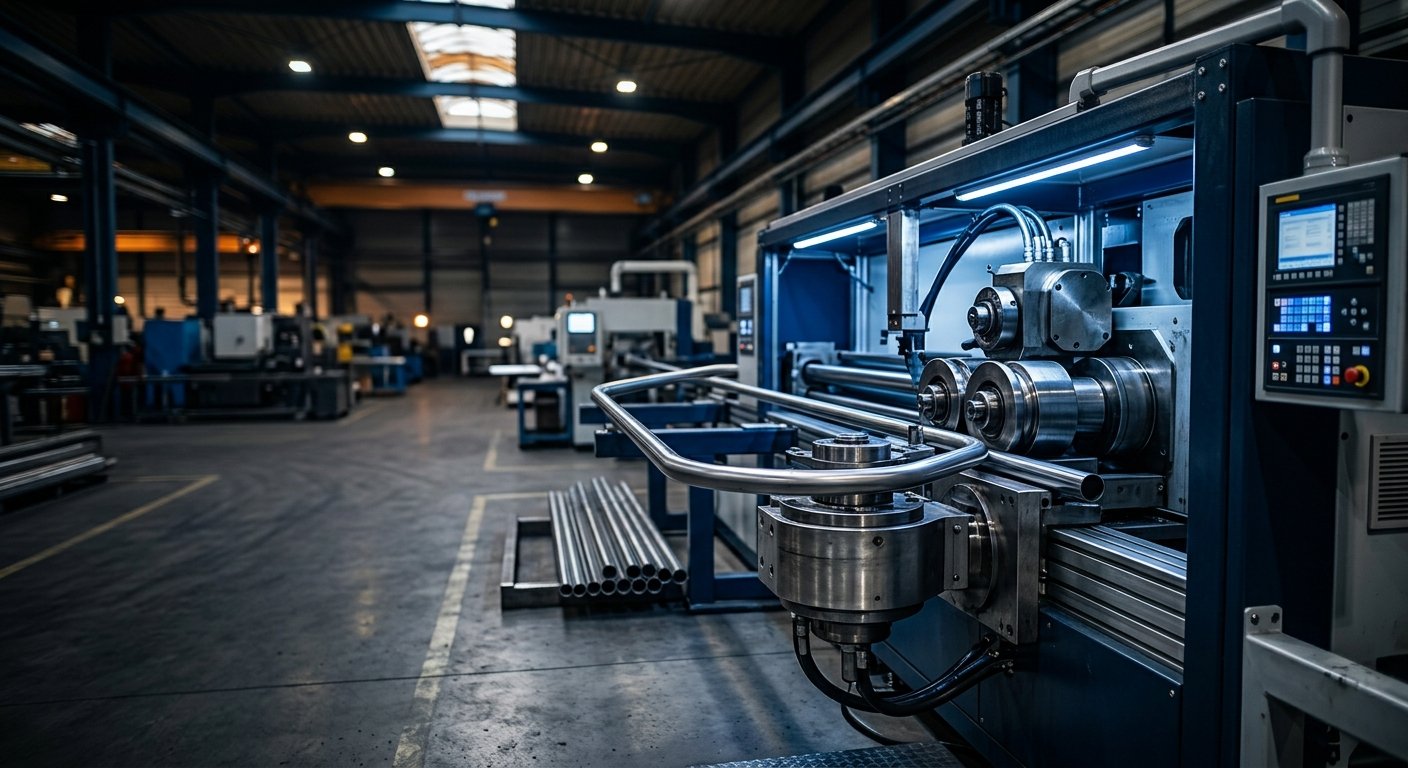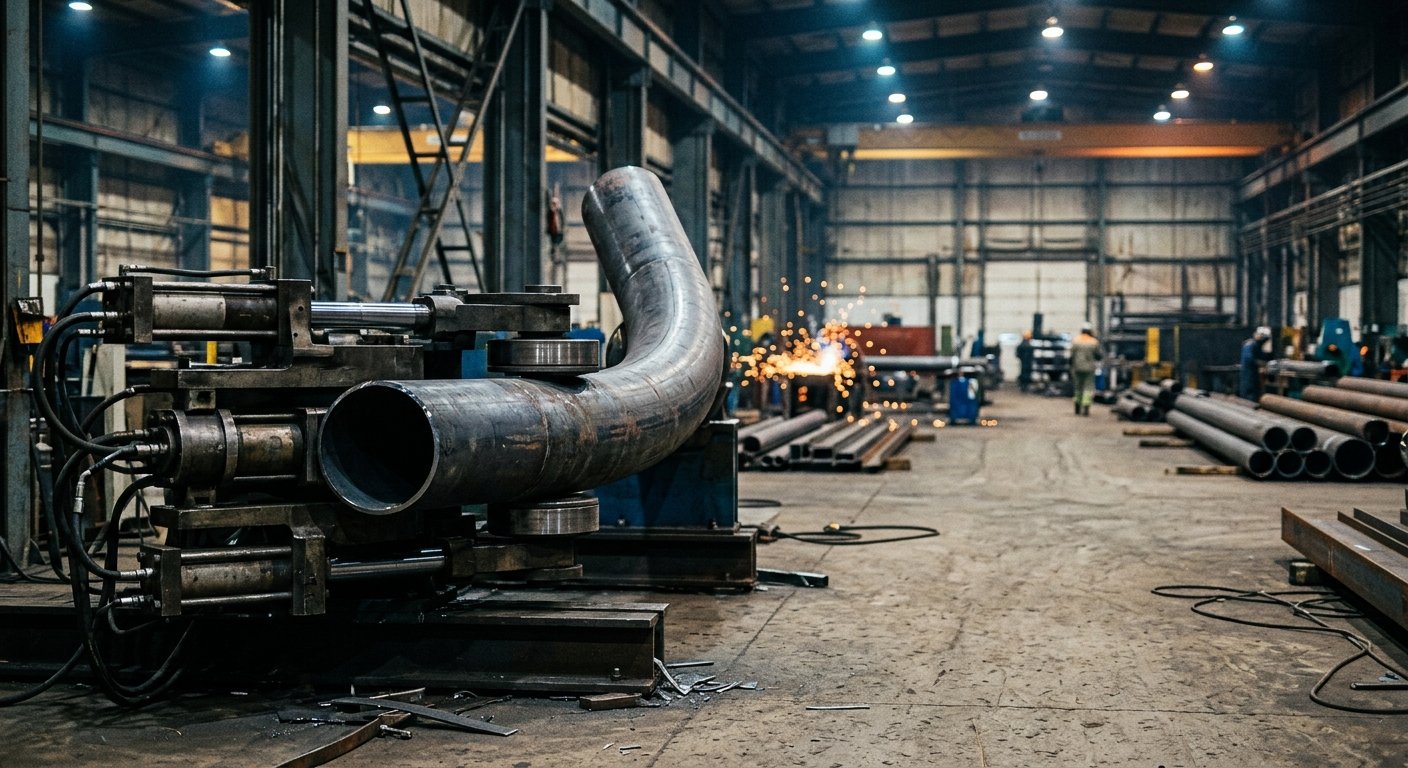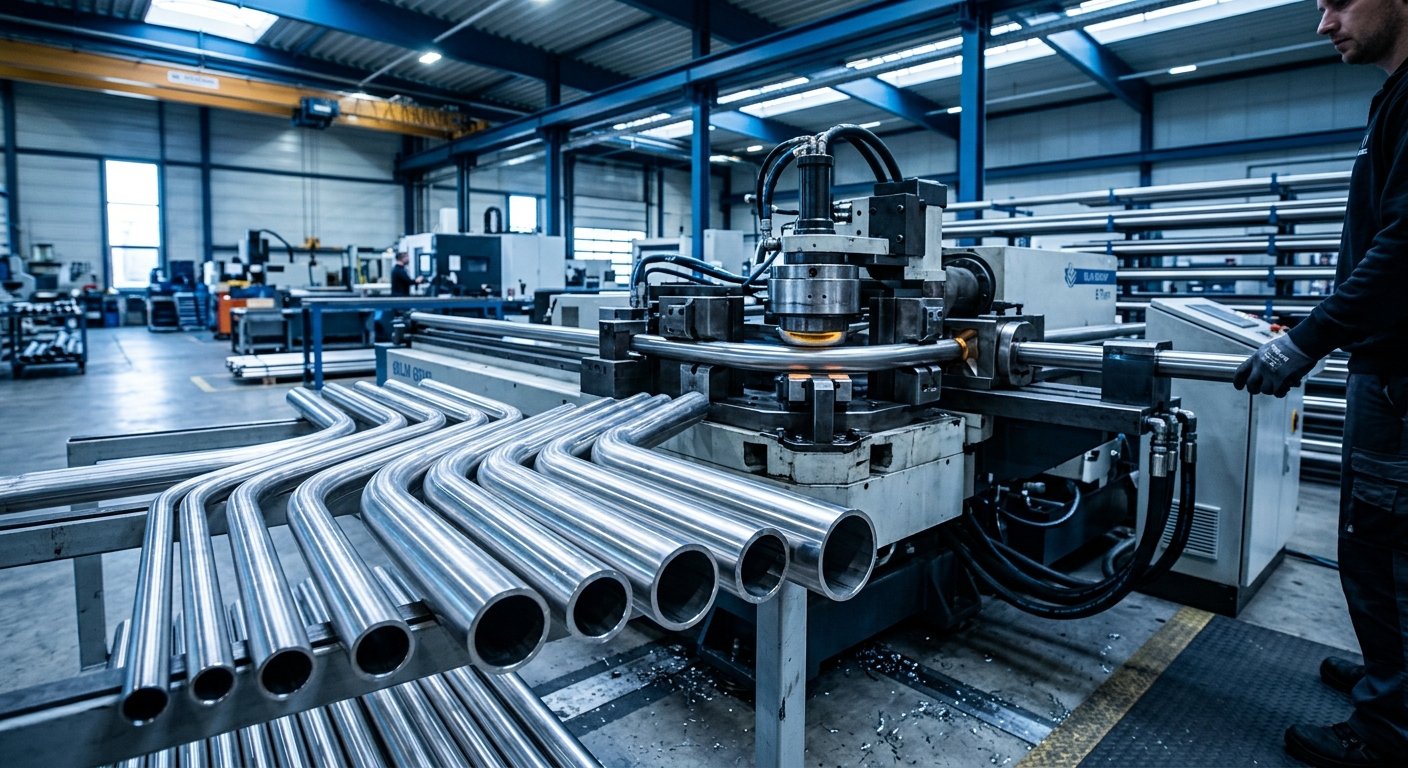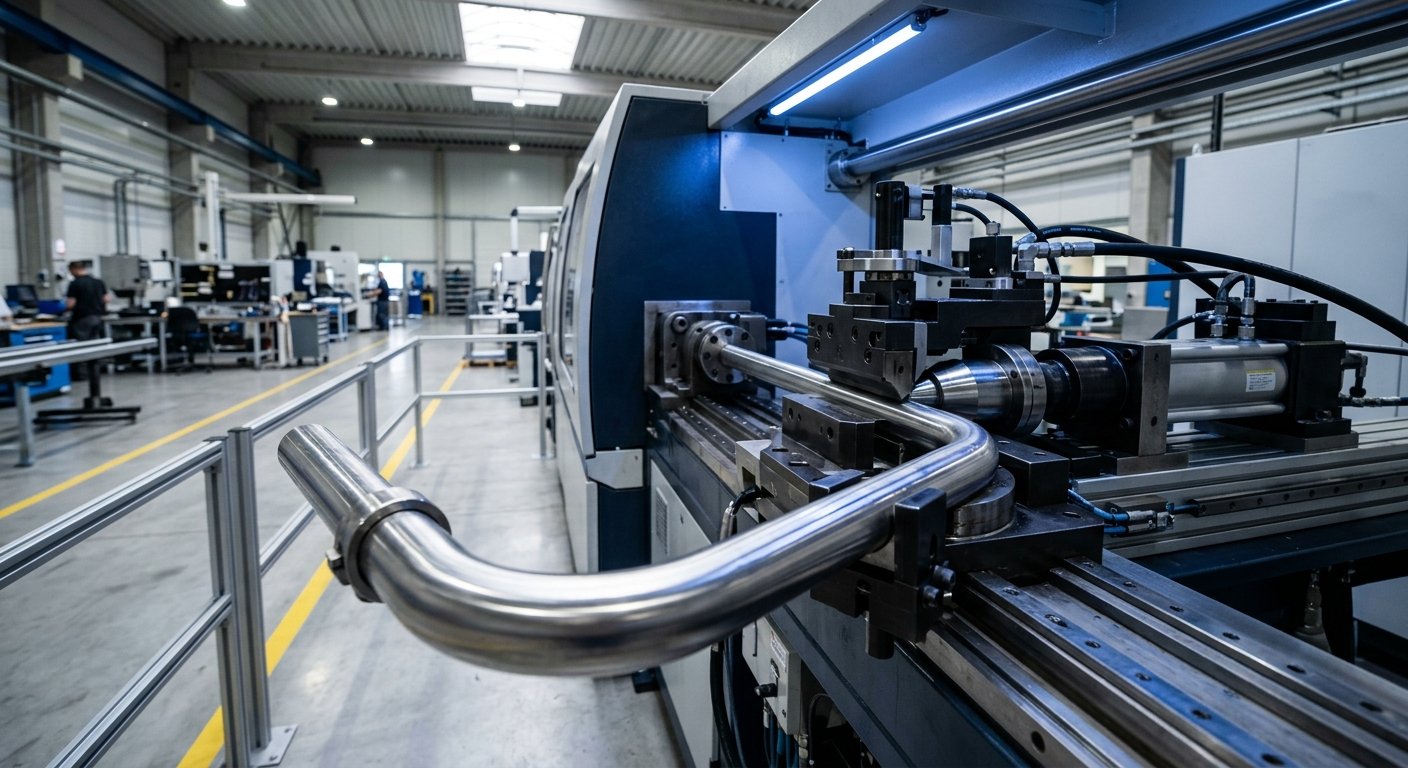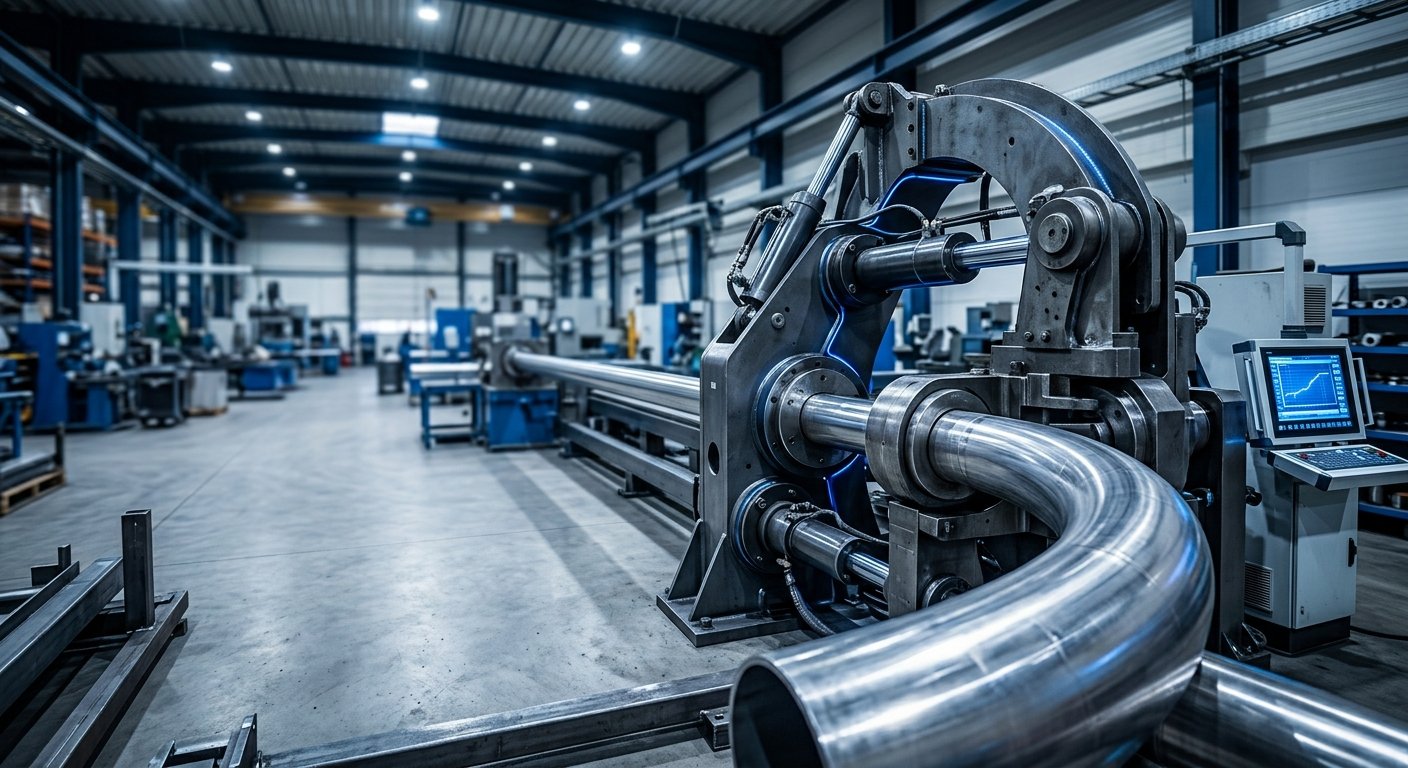
Capital equipment decisions in 2026 face intensifying scrutiny as manufacturers balance production demands against constrained budgets. Refurbished tube bending machines present a compelling alternative to new equipment purchases, but determining their true value requires understanding technical specifications, reliability considerations, and total cost of ownership beyond the initial price tag.
The market for reconditioned bending machines has matured significantly, with professional rebuilders now offering equipment that rivals new machinery in performance while delivering 40-60% cost savings. However, not all refurbished equipment delivers equal value, and the difference between a strategic investment and an expensive mistake often comes down to the rebuilder’s expertise and commitment to precision restoration.
Understanding the Refurbishment Spectrum
The terminology surrounding used industrial pipe benders varies widely across the industry, but the distinctions matter significantly for buyers. A “used” machine typically means equipment sold as-is with minimal inspection or restoration. “Reconditioned” suggests basic mechanical servicing and cosmetic improvements. “Rebuilt” indicates comprehensive restoration, while “refurbished” generally represents the most thorough process.
Professional refurbishment involves complete disassembly, precision measurement of all critical components, replacement of worn parts with OEM or better specifications, reassembly to original tolerances, and full testing under production conditions. This process transforms a used machine into equipment that performs within original specifications—and sometimes exceeds them when obsolete components are upgraded to modern standards.
The critical distinction lies in verification. Reputable rebuilders document baseline conditions, track replacement parts, measure final tolerances, and provide performance certification. This documentation becomes essential for quality systems in aerospace, defense, and medical device manufacturing where equipment qualification is non-negotiable.
Technical Considerations for Pre-Owned CNC Tube Benders
CNC tube bending equipment contains several critical systems that determine long-term reliability and performance consistency. When evaluating rebuilt pipe bending machines, these technical elements warrant detailed assessment:
Structural Integrity and Frame Condition
The machine frame and bending components experience substantial forces during operation. Frame alignment affects every bend produced, making structural integrity paramount. Quality refurbishment includes precision measurement of frame geometry, correction of any distortion, and verification that mounting surfaces maintain original flatness specifications typically within 0.001″ per foot.
Bending dies, mandrels, and tooling components wear predictably but variably depending on production history. Professional rebuilders replace worn tooling or clearly document remaining service life. For aerospace applications requiring tight radius bends in titanium or Inconel, tooling condition directly impacts achievable tolerances and surface finish quality.
Control System Evaluation
Pre-owned CNC tube benders often feature control systems ranging from 1990s technology to recent platforms. Obsolete controls present two challenges: programming limitations compared to modern capabilities, and parts availability for future repairs. Some rebuilders offer control system upgrades that preserve the mechanical excellence of proven machines while adding contemporary programming interfaces, data connectivity, and enhanced precision.
Control system upgrades particularly benefit operations integrating equipment into modern manufacturing execution systems. Ethernet connectivity, USB programming, and digital I/O capabilities that didn’t exist when older machines were manufactured can be added during comprehensive refurbishment, extending useful life by decades.
Hydraulic and Pneumatic Systems
Fluid power systems deteriorate predictably through seal degradation, valve wear, and contamination accumulation. Complete hydraulic system refurbishment includes reservoir cleaning, filtration system upgrade, seal replacement throughout, valve testing and replacement as needed, and fluid analysis verification. Pneumatic systems require similar attention to air preparation, valve condition, and seal integrity.
Modern hydraulic fluids and seal materials often exceed specifications of original equipment, providing improved temperature stability and longer service intervals. Quality rebuilders leverage these improvements during restoration, delivering reliability that matches or exceeds new equipment expectations.
Financial Analysis: Total Cost of Ownership
Purchase price represents only one component of equipment cost analysis. Comprehensive evaluation requires examining total cost of ownership across expected service life, typically 15-25 years for industrial bending equipment in regular production environments.
Refurbished tube bending machines from reputable sources typically cost 40-60% less than comparable new equipment. For a CNC rotary draw bender capable of 2.5″ diameter tube with mandrel bending capability, the difference often reaches $150,000-$300,000 depending on specifications and included tooling.
Installation and commissioning costs favor refurbished equipment in several ways. Proven machines have known characteristics and established operating procedures. Training resources exist from years of similar equipment in service. Tooling compatibility with existing inventory reduces auxiliary investment. These factors collectively reduce the time and cost required to reach full production capability.
Maintenance cost projections depend heavily on refurbishment quality. Professionally rebuilt machines with documented component replacement typically require no major repairs for 5-7 years following installation—matching new equipment expectations. Conversely, inadequately refurbished equipment may require significant unplanned maintenance within the first 2-3 years, erasing initial savings.
Application-Specific Considerations
Different industries impose varying requirements on tube bending equipment, influencing the suitability of second hand pipe bending equipment for specific applications.
Aerospace Manufacturing
Aerospace applications demand equipment capable of repeatable precision within ±0.005″ across production runs while maintaining full traceability. Refurbished machines absolutely can meet these requirements when restoration includes precision measurement, documentation, and qualification testing. Many aerospace manufacturers successfully operate refurbished equipment alongside new machines, valuing the proven performance history and established process parameters.
The key requirement involves comprehensive documentation: refurbishment records, dimensional verification, performance testing results, and ongoing maintenance logs. This documentation supports AS9100 quality systems and customer audits common in aerospace supply chains.
Oil and Gas Pipeline Fabrication
Pipeline fabrication emphasizes production throughput and reliability over ultimate precision. Large-diameter pipe benders handling 6″-12″ material in carbon steel prioritize power, robustness, and minimal downtime. Refurbished equipment excels in these applications where mechanical strength matters more than sub-millimeter precision.
Older machines often feature heavier construction than modern equipment optimized for efficiency, providing advantages in demanding production environments. A properly rebuilt 1980s-era production bender may outlast lighter contemporary alternatives in high-volume pipeline work.
Petrochemical Plant Maintenance
Petrochemical maintenance operations require versatility across material types, sizes, and geometries rather than high-volume production of identical parts. Refurbished machines offer cost-effective capability for facilities where bending represents necessary capability but not core production focus. The ability to handle occasional exotic materials like Hastelloy or titanium without capital investment in new specialized equipment provides operational flexibility.
Evaluating Sellers and Rebuilders
The rebuilder’s expertise and commitment determine refurbished equipment value more than any other factor. Several criteria separate professional rebuilders from equipment brokers:
In-house capabilities: Complete refurbishment requires precision machining, hydraulic/pneumatic expertise, electrical and control system knowledge, and testing capability. Rebuilders outsourcing major restoration steps lack control over quality and timing.
OEM relationships: Access to original equipment manufacturer technical documentation, specifications, and parts ensures restoration maintains design intent. Some rebuilders maintain factory authorization, providing additional quality assurance.
Application expertise: Understanding how equipment performs in specific applications enables appropriate restoration decisions. A rebuilder specializing in your industry better recognizes critical specifications and typical failure modes.
Warranty and support: Comprehensive warranties covering parts and labor for 12-24 months demonstrate confidence in restoration quality. Ongoing technical support, training, and parts availability ensure long-term success.
Customer references: Speaking with existing customers reveals real-world experience with equipment performance, rebuilder responsiveness, and long-term satisfaction. Request references in similar applications to your planned use.
The 2026 Market Environment
Several factors make 2026 particularly favorable for considering refurbished industrial bending equipment. Supply chain disruptions affecting new equipment delivery have largely resolved, but lead times remain extended—often 6-12 months for specialized bending machinery. Refurbished equipment typically ships within 4-8 weeks after order, accelerating production capability expansion.
Technology advancement in tube bending has plateaued relative to the rapid changes of the 2000s and 2010s. A professionally refurbished machine from 2010-2020 incorporates fundamentally similar technology to new 2026 equipment, with differences primarily in user interface refinement rather than capability. This technological maturity extends the viable service life of older equipment when properly restored.
Manufacturing reshoring initiatives continue strengthening American industrial capacity. Demand for domestically-produced capital equipment supports a healthy refurbishment market with quality rebuilders maintaining comprehensive capabilities.
Making the Decision
Refurbished tube bending machines deliver genuine value when three conditions align: reputable rebuilder with documented processes, equipment appropriate for intended applications, and realistic expectations about capabilities and limitations.
The decision framework should prioritize total cost of ownership over purchase price, capability verification over age, and seller reputation over equipment brand. A ten-year-old machine from a top-tier manufacturer, professionally rebuilt by a specialist with industry expertise, typically outperforms a budget new machine from an unknown source.
For operations requiring proven technology, faster installation, and substantial capital savings, professionally refurbished equipment represents not a compromise but an intelligent alternative delivering full production capability at reduced investment.
Frequently Asked Questions
How long do refurbished tube bending machines typically last?
Professionally refurbished machines regularly provide 15-25 years of productive service, matching new equipment life expectancy. The key factors are refurbishment quality and ongoing maintenance rather than equipment age at refurbishment.
Can refurbished equipment meet aerospace quality requirements?
Yes, when refurbishment includes proper documentation, precision restoration, and qualification testing. Many aerospace manufacturers successfully operate refurbished equipment in certified production environments.
What warranty should I expect on rebuilt bending machines?
Reputable rebuilders typically offer 12-24 month comprehensive warranties covering parts and labor. Warranty length and coverage indicate the rebuilder’s confidence in their work quality.
Are parts readily available for older refurbished machines?
For equipment from established manufacturers, parts availability remains good for machines 20-30 years old. Professional rebuilders maintain parts inventory and have established supply chains for older equipment.
How do maintenance costs compare between new and refurbished equipment?
Properly refurbished machines typically match new equipment maintenance costs for the first 5-7 years following installation. After major component replacement during refurbishment, maintenance schedules reset to beginning-of-life expectations.
Partner With Proven Expertise
Hines Bending Systems brings over six decades of tube and pipe bending expertise to both new equipment manufacturing and professional refurbishment services. Our American facility maintains complete capabilities for comprehensive equipment restoration, from precision machining to control system upgrades, backed by engineering expertise developed through thousands of custom solutions for aerospace, defense, and industrial applications.
Whether you’re evaluating refurbished equipment options or need guidance on the optimal bending solution for your specific application, our team provides the technical consultation and proven equipment that production demands require. Contact Hines Bending Systems to discuss how refurbished or new equipment can solve your tube bending challenges with American quality and comprehensive support.