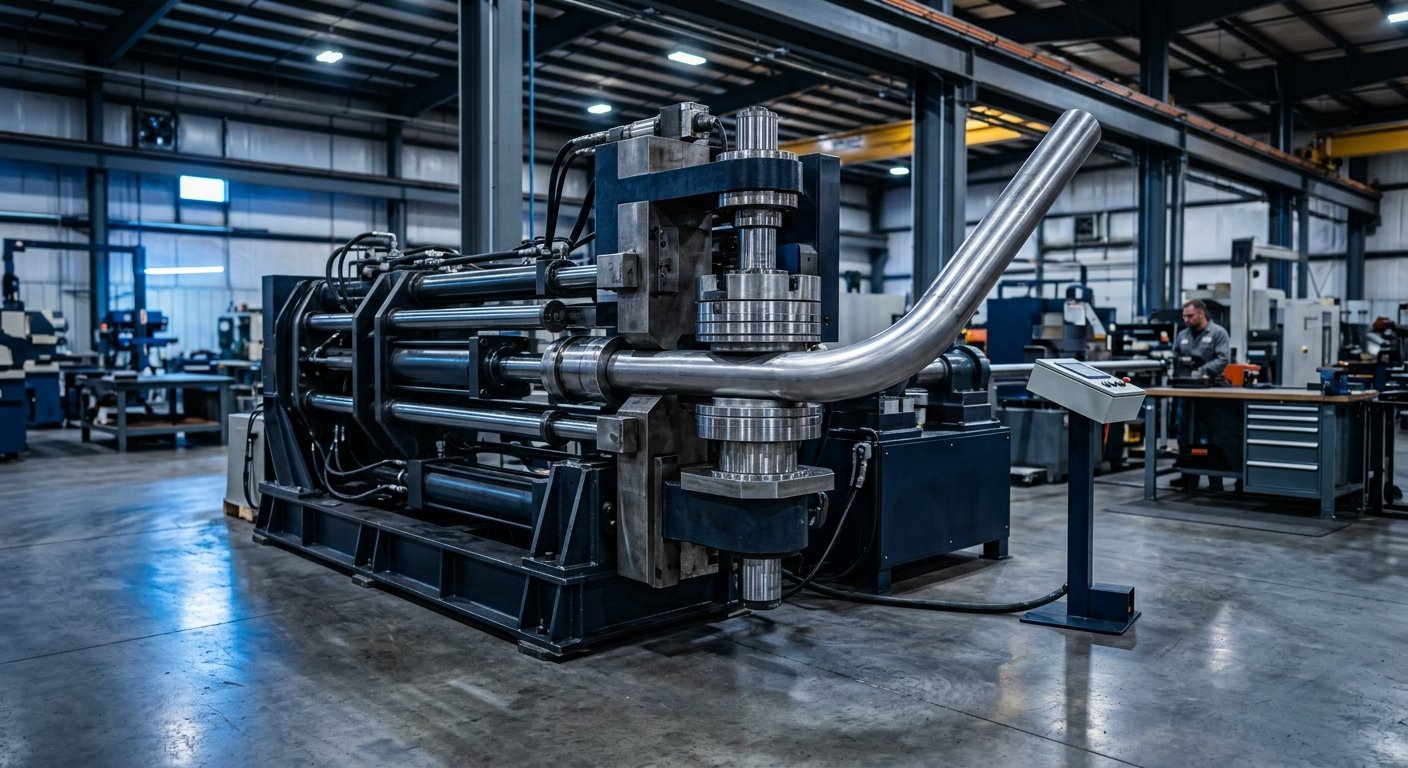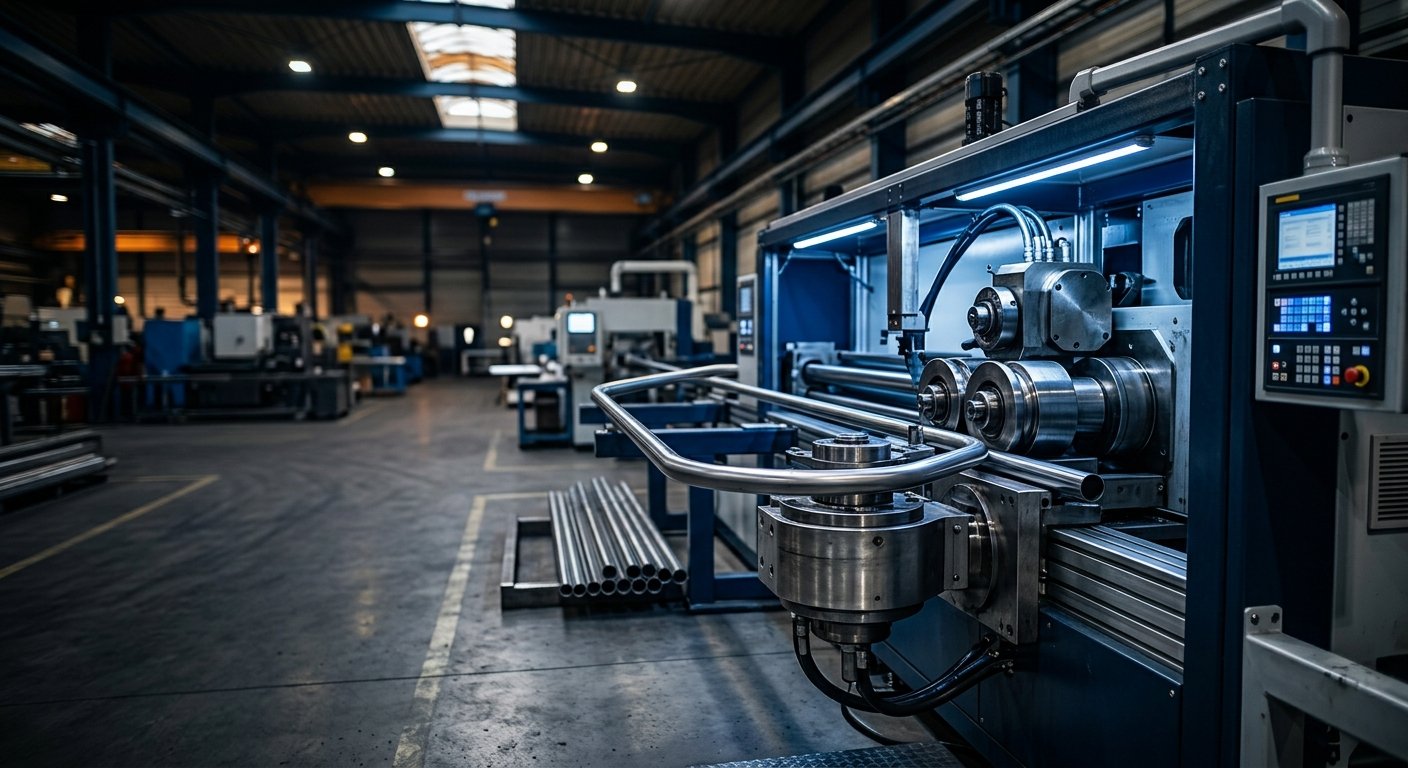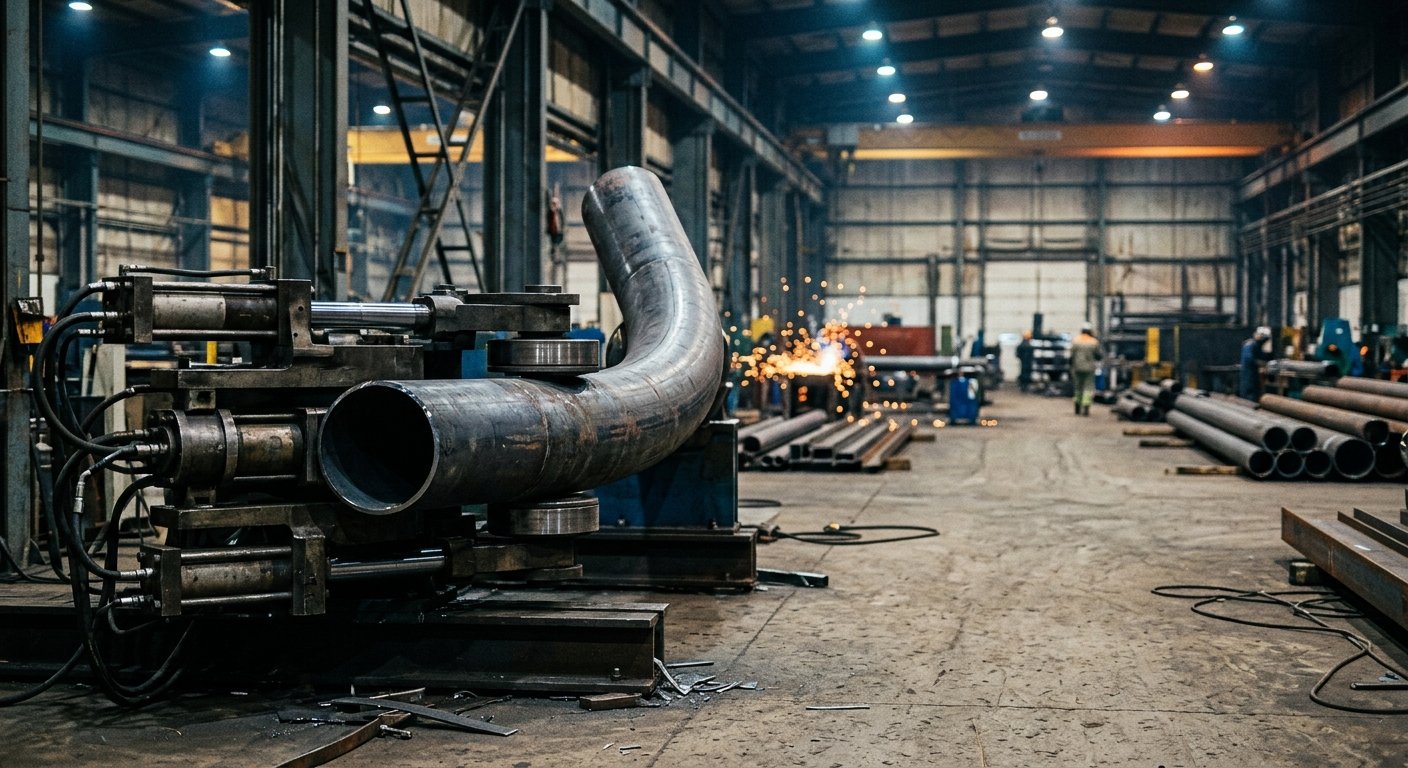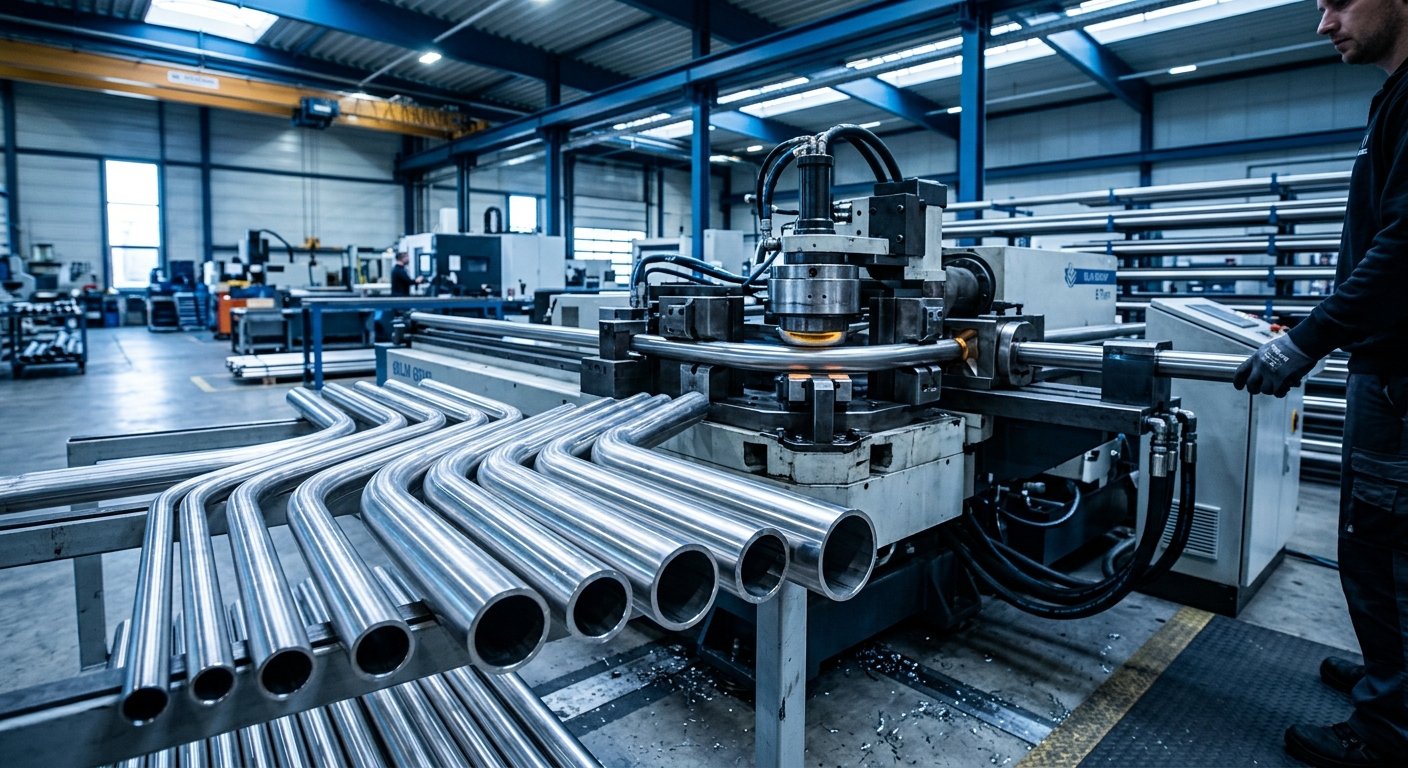
When a hydraulic line fails at 40,000 feet or a high-pressure petrochemical transfer system develops a stress fracture, the root cause often traces back to a compromised bend—a tube or pipe that wasn’t formed to the precise geometry, wall integrity, and material specification the application demanded. In 2026, as aerospace programs push tighter tolerances and energy infrastructure projects scale into increasingly hostile environments, the margin for error in tube and pipe bending has effectively reached zero.
This is where engineered bending solutions—purpose-built, application-specific bending machines designed around your exact operational requirements—separate themselves from general-purpose equipment. Understanding what these solutions involve, when they’re necessary, and how to specify the right system can determine whether your production meets certification or falls short of it.
What Makes an Application “Extreme”?
Not every bending project requires a custom industrial bending equipment solution, but certain applications push standard machinery beyond its design envelope. Extreme applications typically share several characteristics:
- Tight bend-radius-to-diameter ratios — Often 1D or 1.5D, requiring precise mandrel support to prevent wall thinning or collapse
- High-performance alloys — Inconel, titanium, duplex stainless steels, and chrome-moly tubing with demanding springback behaviors
- Multi-plane geometries — Complex compound-angle bends that must be achieved in a single setup
- Strict dimensional tolerances — Aerospace tube bending frequently requires repeatability within ±0.1° or tighter
- Regulatory compliance — Defense, aerospace, and petrochemical systems must often conform to ASME, MIL-SPEC, or ASTM standards
When one or more of these factors is present, off-the-shelf equipment typically cannot deliver the consistency, control, or capability required. Application-specific bending machines fill this gap.
Engineered Solutions vs. Standard Equipment
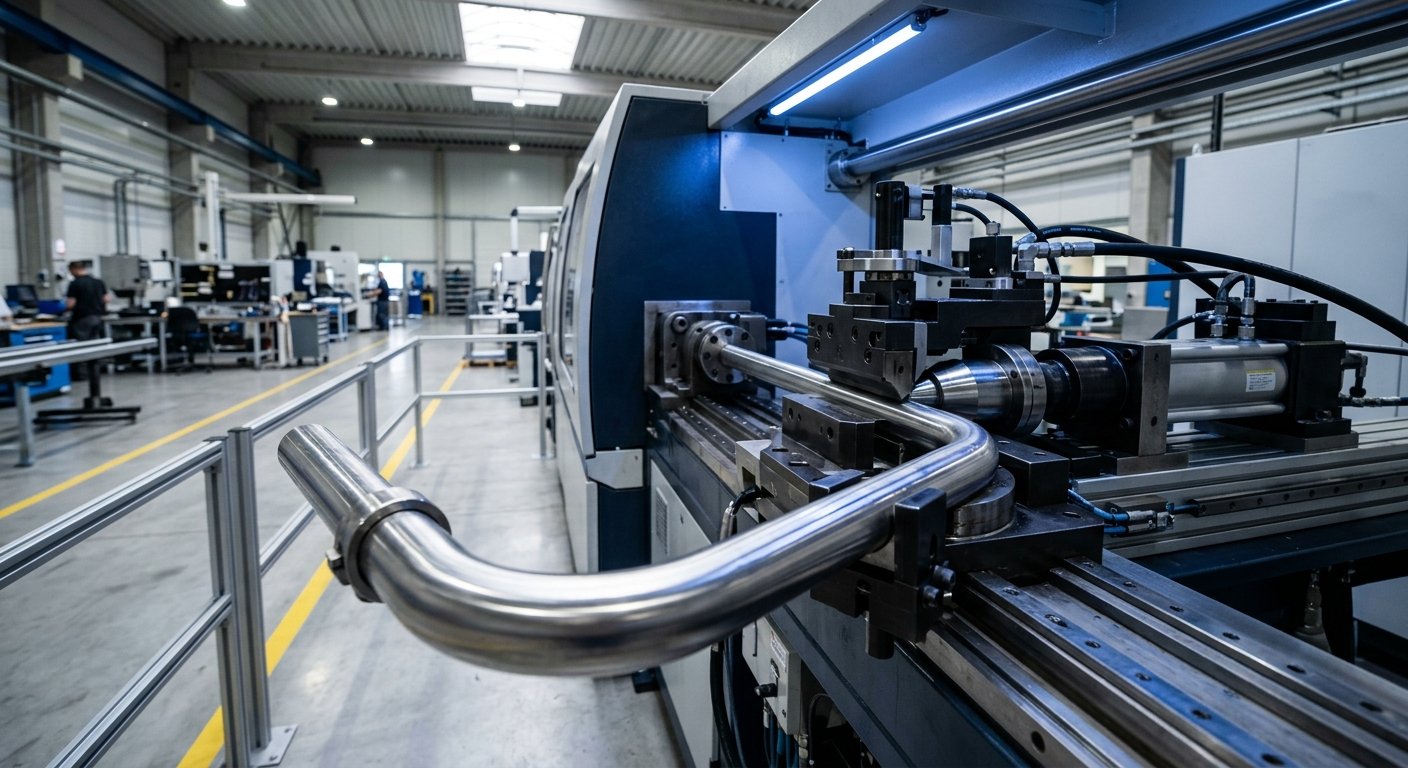
The distinction between a standard tube bender and a truly engineered bending solution comes down to how the machine is designed. Standard equipment is built to handle a general range of tube diameters and materials with reasonable performance across common applications. Custom tube bending equipment, by contrast, is designed backward from the application: the end-use requirement defines the machine’s geometry, tooling, control architecture, and clamping strategy.
For example, aerospace tube bending for fuel system lines may require CNC-controlled multi-stack tooling to handle several bend planes, fully programmable wiper die and pressure die positions, and a mandrel extraction system synchronized with the bend cycle. A petrochemical pipeline component bent from 6-inch Schedule 80 duplex stainless requires an entirely different force profile, clamp configuration, and booster system. One machine cannot do both jobs optimally—and in high-stakes industries, “reasonable performance” is not an acceptable standard.
Key Engineering Considerations for Custom Bending Systems
Material-Specific Tooling and Mandrel Design
Material behavior is often the most complex variable in precision tube bending. Titanium alloys, for instance, have a high strength-to-weight ratio and significant springback—requiring precise overbend compensation calculated for the specific alloy grade and temper. Inconel and other nickel-based superalloys used in aerospace and defense applications work-harden rapidly, making mandrel selection, lubrication, and bend speed critical to achieving defect-free results.
Custom mandrel bending systems are engineered with mandrel geometry, nose radius, and ball count selected based on material properties, D/t ratio (outside diameter to wall thickness), and target CLR (centerline radius). This level of application-specific tooling design is what enables consistent, repeatable results in production rather than one-off bends that require constant adjustment.
Control System Architecture
Modern bespoke pipe bending machines and tailored tube bending machines increasingly incorporate advanced CNC control platforms capable of storing hundreds of part programs, integrating with SPC (statistical process control) systems, and communicating with upstream CAD/CAM software. In aerospace manufacturing, where traceability is a certification requirement, control systems that log process data for every bend are not optional—they’re essential.
The ability to program and recall pressure die force, clamp die timing, boost pressure, bend speed, and springback compensation independently for each bend in a multi-bend component dramatically reduces setup time and operator-to-operator variation. According to the NASA Space Operations Mission Directorate, process repeatability and data traceability are foundational to flight hardware qualification—demands that flow directly to equipment suppliers and manufacturers.
Machine Force and Structural Integrity
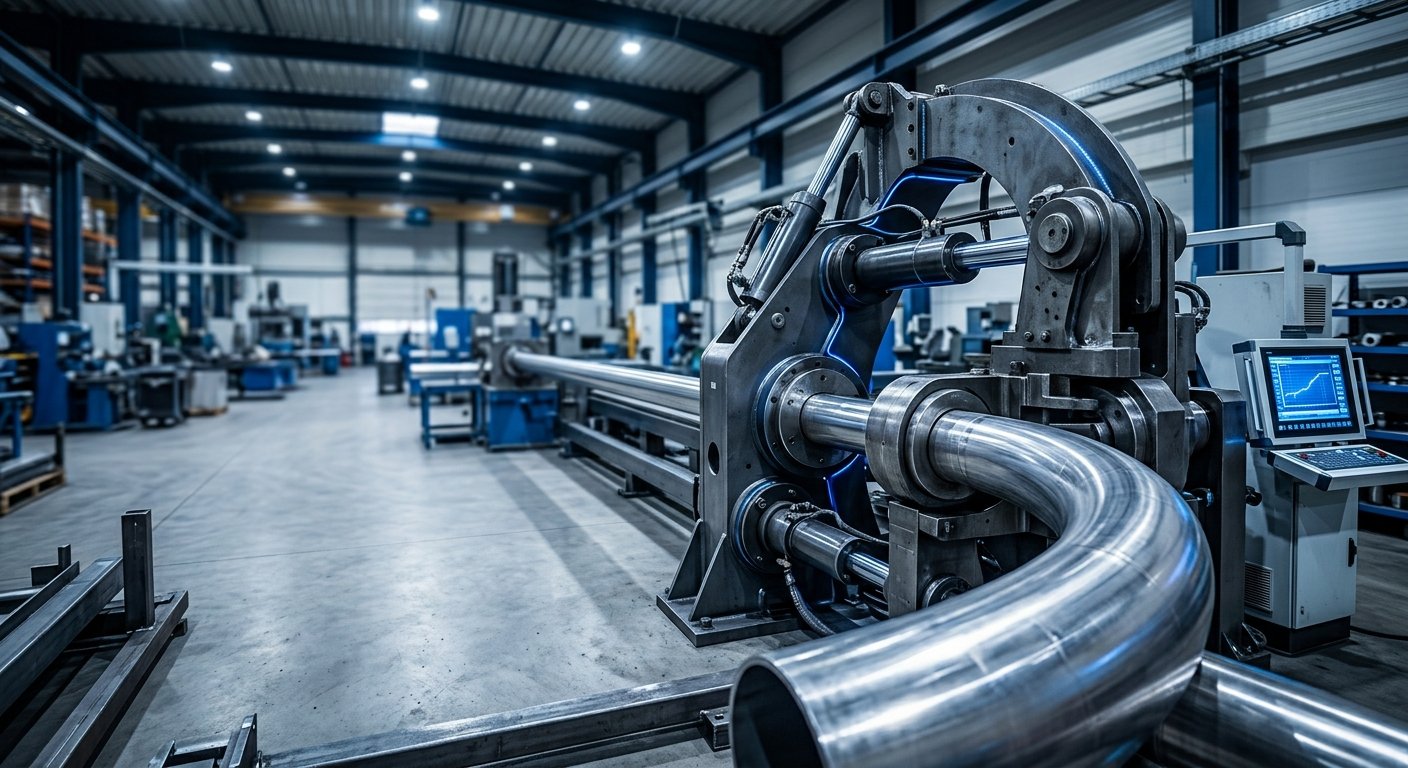
Large-diameter or heavy-wall pipe bending—common in oil & gas and petrochemical infrastructure—demands machines engineered for the bending moment loads involved. A standard shop bender applying inadequate clamping force on heavy-wall carbon steel will produce ovality, wrinkle, or wall thinning that disqualifies the component from service. Properly engineered systems size the hydraulic clamping, bending, and booster cylinders for the specific application load case, ensuring the machine’s structural frame, tooling interface, and hydraulics operate well within their rated capacity during continuous production.
Industry Applications Driving Demand for Specialized Solutions
Aerospace and Defense
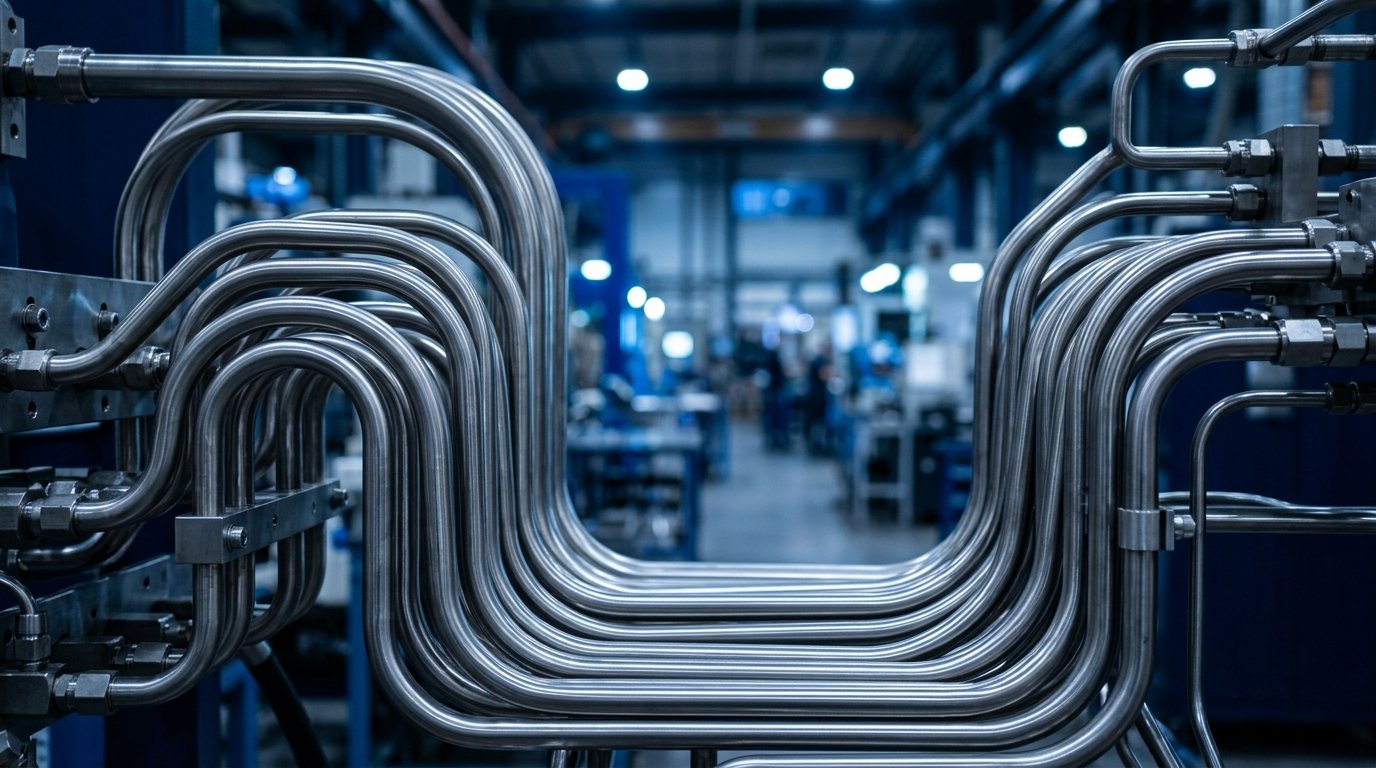
Aerospace tube bending encompasses fuel lines, hydraulic systems, environmental control systems (ECS), and structural tubing—each with distinct tolerance, material, and finish requirements. Defense applications add MIL-SPEC compliance, lot traceability, and often the need to bend classified or restricted alloys. These programs demand specialized bending machine manufacturers with the security clearances, quality systems, and engineering depth to handle them.
With 50 years of tube and pipe bending expertise and a track record that includes supplying NASA and military clients, Hines Bending Systems brings exactly this combination of proven capability and engineering rigor to aerospace and defense programs.
Oil & Gas and Petrochemical
Subsea and upstream applications require tubing and pipe components that maintain dimensional integrity under cyclic pressure loading, hydrogen sulfide exposure, and extreme temperature differentials. The ASME B31.3 Process Piping standard governs wall thinning limits, ovality requirements, and bend geometry specifications in chemical and petrochemical plant systems—establishing the engineering baseline that bending equipment must be capable of meeting consistently.
For these environments, application-specific bending machines are often configured with explosion-proof electrical systems, stainless-steel fluid circuits for cleanliness compliance, and enhanced tooling materials rated for the abrasive or corrosive alloys being processed.
Energy Infrastructure
Whether bending boiler tubing for power generation or forming headers for heat recovery systems, energy applications require tight geometric consistency across high production volumes. Equipment downtime is directly translatable to project delays and cost exposure. Purpose-built systems designed for specific tube sizes and material grades reduce changeover time, improve throughput, and maintain the dimensional consistency that downstream assembly and inspection require.
How Hines Approaches Custom Bending Development
Engineered bending solutions don’t emerge from a product catalog—they begin with a thorough application analysis. At Hines Bending Systems, the process starts by understanding the complete picture: tube or pipe material and specification, wall thickness and diameter range, bend radii requirements, production volume, floor space constraints, operator environment, and any regulatory or certification obligations the end-use application carries.
From that foundation, the engineering team configures or designs equipment that addresses each requirement specifically. This may involve modifying an existing platform from our pipe bending machine or tube bending machine lines, or developing a fully custom system through our custom bending solutions program when the application demands something built from the ground up.
American manufacturing is central to this process. Designing, engineering, and building equipment domestically means faster response during development, tighter communication between the application engineering and machine build teams, and simpler long-term support logistics for customers in regulated industries who cannot afford extended machine downtime.
Frequently Asked Questions
What is an engineered bending solution?
An engineered bending solution is a tube or pipe bending machine—or complete bending system—designed specifically around a defined application rather than as general-purpose equipment. The machine’s configuration, tooling, control system, and structural design are all optimized for the target material, geometry, production volume, and compliance requirements of the end-use application.
When does a manufacturer need custom tube bending equipment instead of standard machines?
Custom equipment becomes necessary when standard machines cannot reliably meet the required tolerances, handle the specific material’s behavior, accommodate the part geometry, or integrate with the production environment. High-performance alloys, tight bend radii, multi-plane compound bends, high-volume production, or regulatory certification requirements are common triggers for custom or application-specific solutions.
How are custom mandrel bending systems specified?
Mandrel design is based on the tube’s outside diameter, wall thickness, centerline bend radius, and material properties—particularly ductility and springback characteristics. The mandrel nose radius, body diameter, and ball count are calculated to provide internal support precisely at the point of bending without creating excessive drag that could distort the part or damage the tube’s interior surface.
What industries most commonly require specialized bending machine solutions?
Aerospace, defense, oil & gas, petrochemical, and energy generation consistently drive demand for application-specific and custom bending systems due to their strict material specifications, dimensional tolerances, regulatory compliance requirements, and the critical service environments in which their tubing and piping systems must perform.
Can existing bending equipment be upgraded, or is new equipment always required?
In many cases, existing equipment can be modified or retrofitted with upgraded control systems, tooling packages, or hydraulic improvements to extend its capability. However, when the application requirements fall outside the machine’s fundamental design parameters—such as requiring significantly higher bending forces or entirely different tooling geometry—a purpose-built system is typically the more reliable and cost-effective long-term solution.
Partner with a Manufacturer That Understands Extreme Applications
Precision tube bending for aerospace, defense, energy, and petrochemical applications is not a commodity service. The equipment, tooling, and engineering knowledge required to consistently produce conforming components in demanding materials and geometries takes decades to develop and validate. Selecting the right bending equipment partner—one with proven credentials in your industry and the engineering depth to build solutions tailored to your specific requirements—is a decision with long-term production, quality, and compliance consequences.
Hines Bending Systems has built that expertise over 50 years as an American manufacturer of precision tube and pipe bending equipment, trusted by NASA, military programs, and leading industrial manufacturers across the country.
Ready to discuss your application requirements? Contact Hines Bending Systems today to speak with an application engineer about the right precision bending solution for your most demanding production challenges.