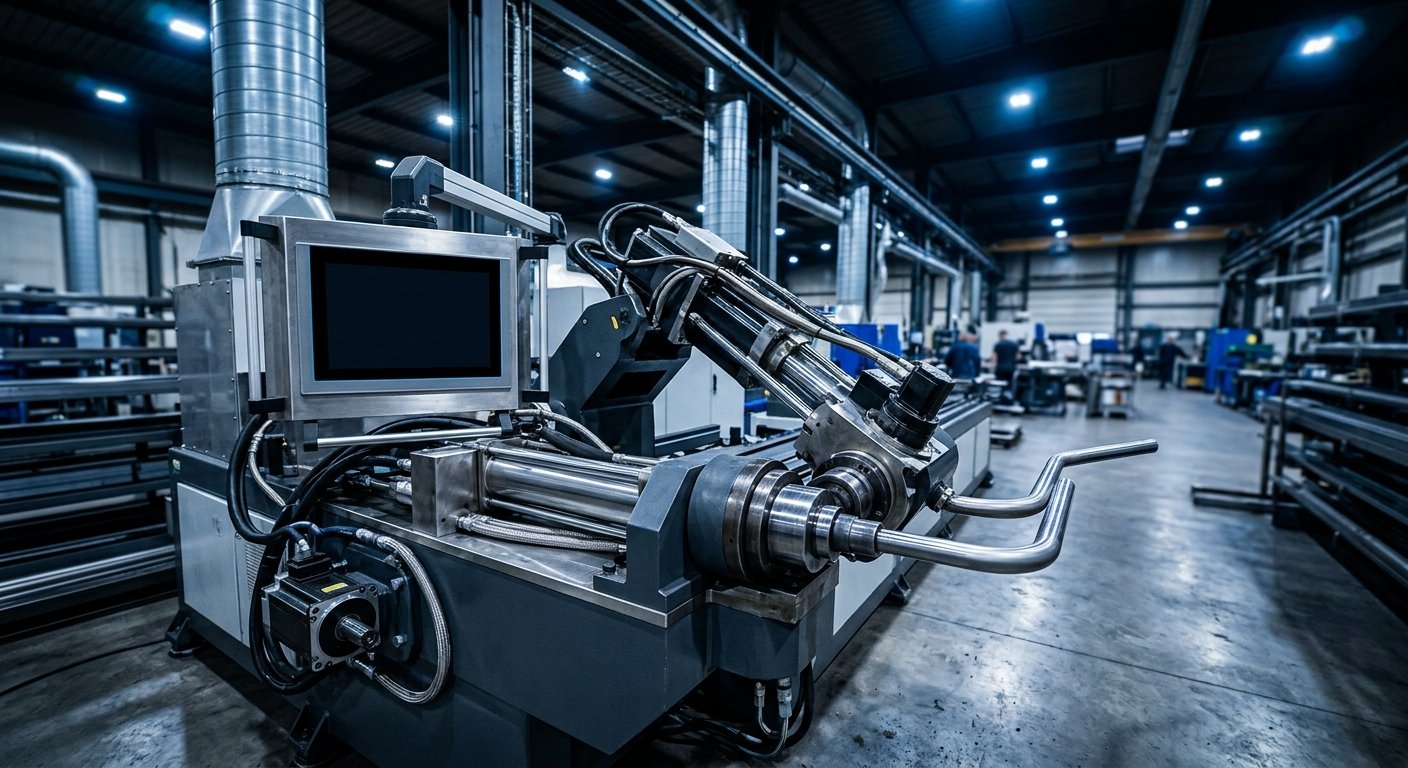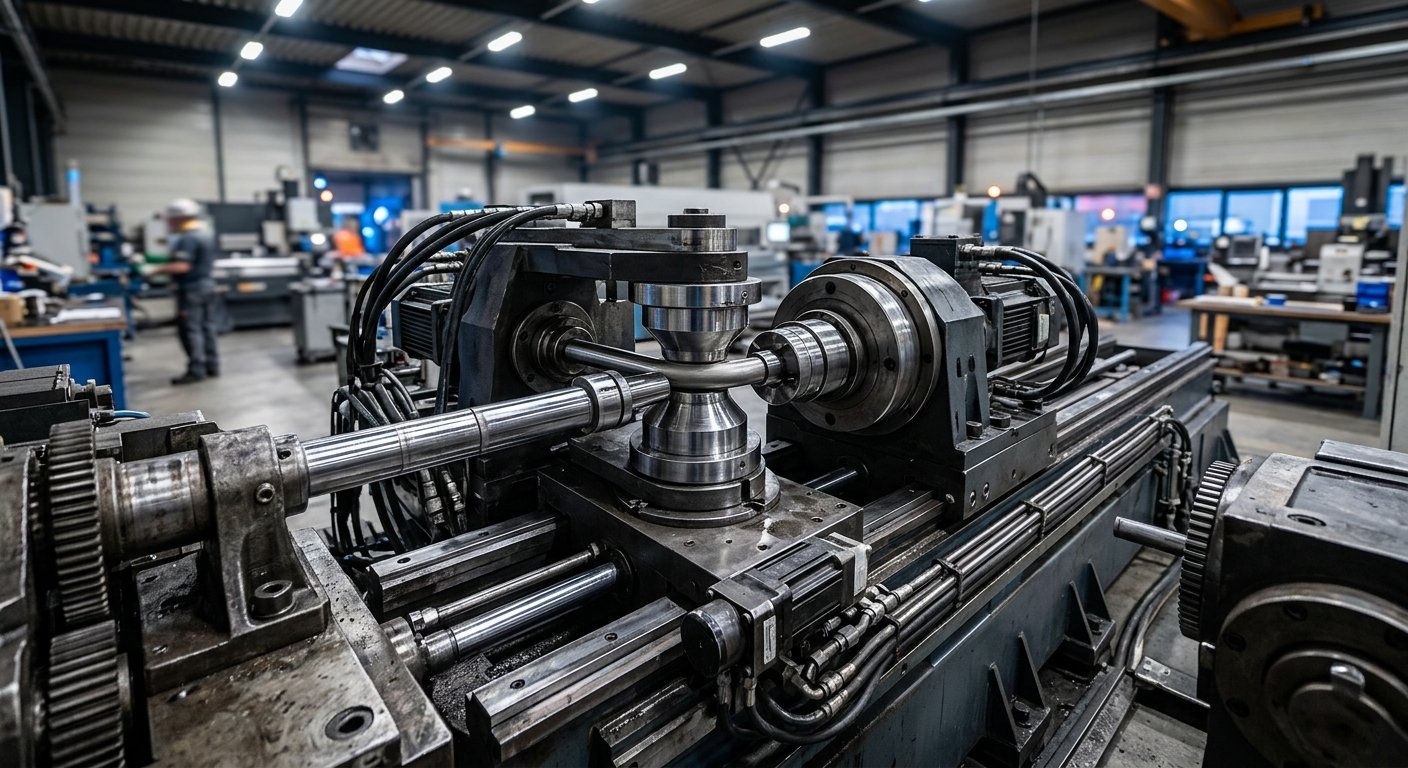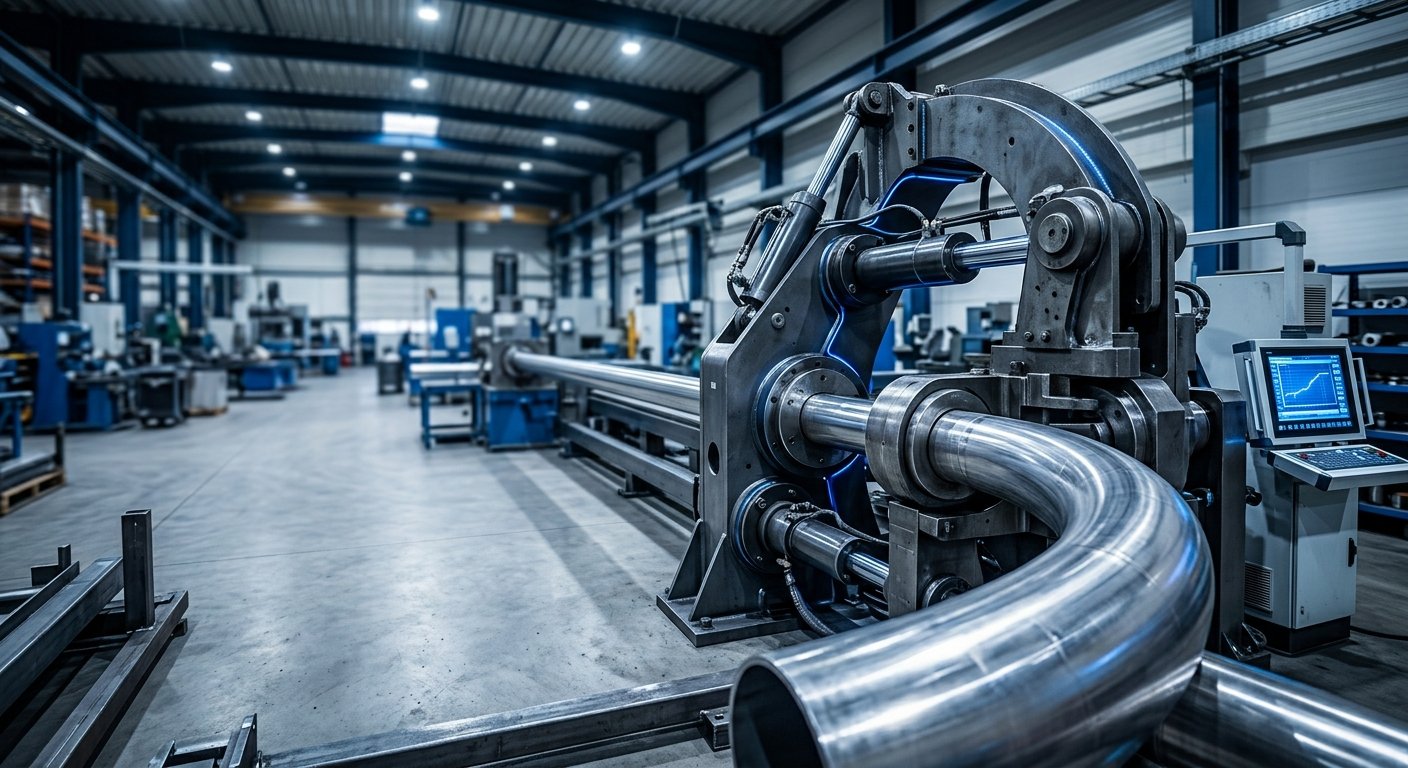
Capital equipment budgets are tighter than they’ve been in years, yet production demands in aerospace, oil & gas, and petrochemical sectors continue to climb. For engineering managers and procurement specialists, surplus pipe bending equipment has moved from a fallback option to a legitimate strategic procurement pathway. But the used equipment market carries real risk alongside real opportunity—and knowing how to navigate it is what separates a smart acquisition from an expensive mistake.
This guide covers everything you need to evaluate, source, and successfully deploy used pipe benders and pre-owned CNC tube benders in demanding industrial environments.
Why the Surplus Market Is Growing in 2026
Several market forces have converged to expand the availability and quality of surplus pipe bending equipment this year. Large-scale infrastructure project completions in the energy sector have released high-quality industrial bending machines back into the secondary market. Meanwhile, shop floor modernization programs—particularly in defense and petrochemical manufacturing—are generating reconditioned bending machines that still have decades of service life remaining.
According to the U.S. Census Bureau’s manufacturing data, capital equipment turnover in fabrication-heavy industries has accelerated since 2024, driven by automation upgrades and facility consolidations. That turnover translates directly into a broader selection of used industrial pipe benders entering the market at pricing that can represent 40–70% savings versus new equipment.
For buyers who know what to look for, this is a favorable environment. For buyers who don’t, the same market is full of machines that look capable but perform poorly in precision applications.
Understanding the Surplus Equipment Landscape
Categories of Used Pipe Bending Equipment
Not all surplus equipment is equal. When sourcing used pipe benders for sale, you’ll typically encounter three categories:
- Auction and liquidation equipment: Sold as-is, often without service history, minimal vetting, and no warranty. Pricing is attractive but risk is highest.
- Dealer-reconditioned machines: Pre-owned CNC tube benders and mandrel benders that have been inspected, refurbished, and often tested before resale. Quality varies widely by dealer.
- Manufacturer-certified used equipment: Second hand pipe bending equipment that has been evaluated and reconditioned by the original manufacturer or an authorized partner. This offers the highest confidence in performance and parts availability.
For aerospace, defense, and high-pressure oil & gas applications—where dimensional accuracy and repeatability are non-negotiable—manufacturer-sourced or dealer-certified equipment typically represents the only viable path through the surplus market.
Key Equipment Types in the Surplus Market
The most commonly available used industrial pipe benders include:
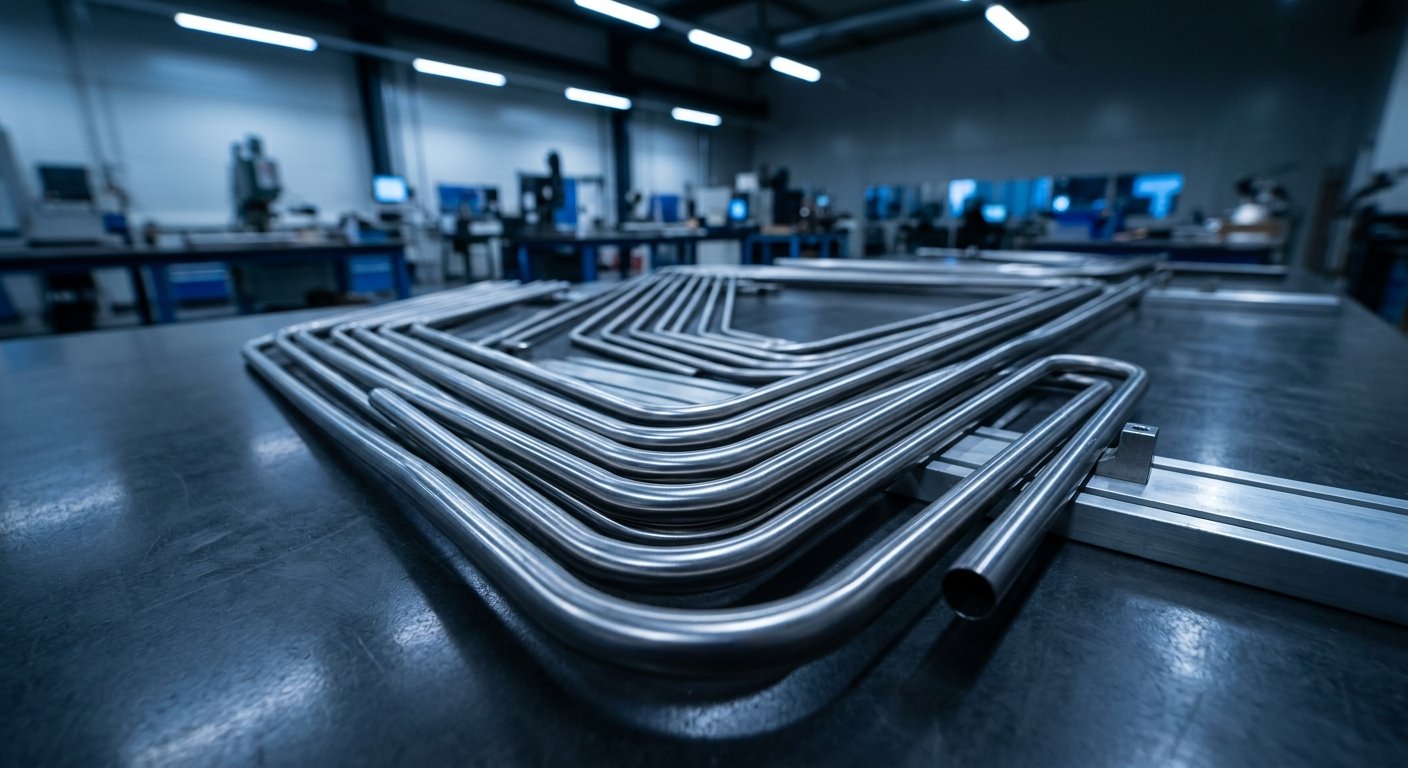
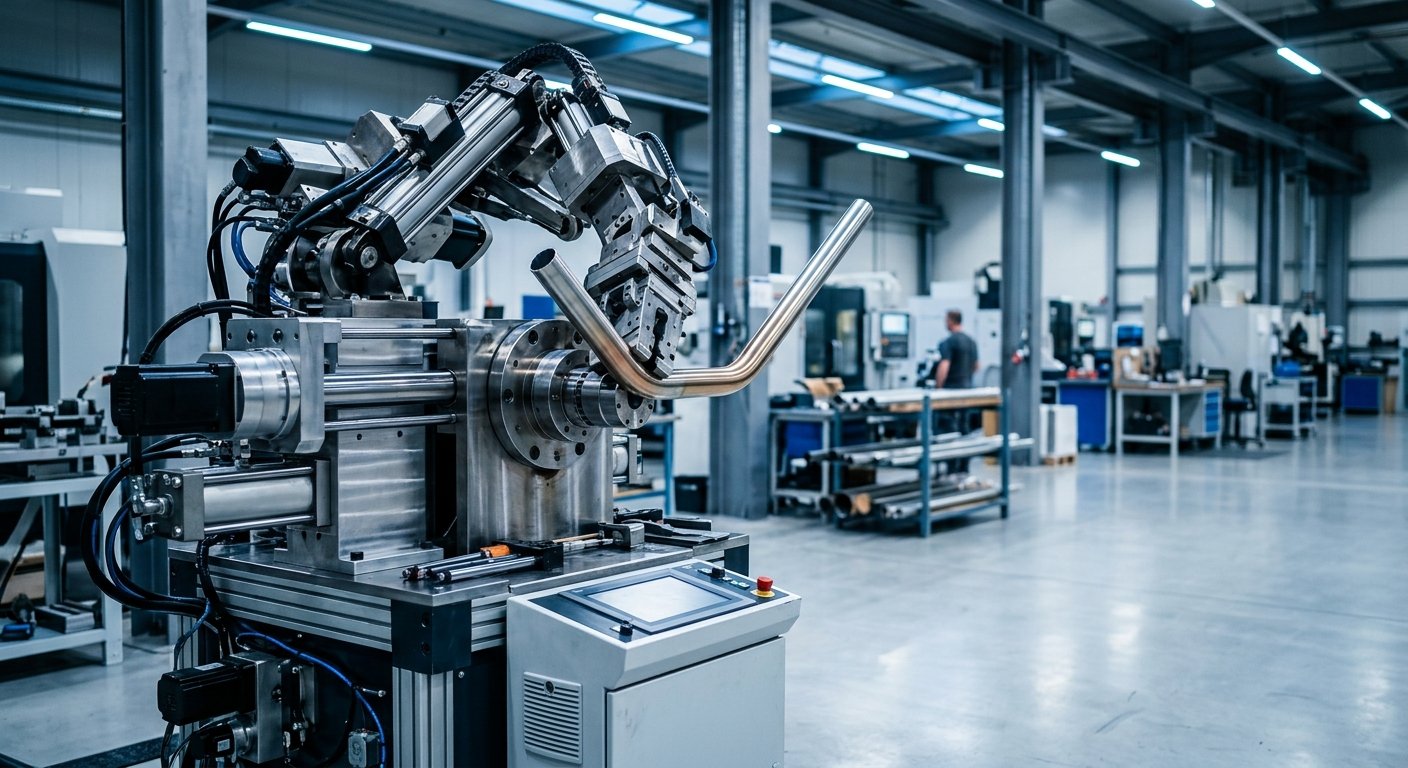
- CNC mandrel tube benders: Used for precision bending of thin-wall tubing in aerospace and hydraulic systems. Highly sought-after in the surplus market.
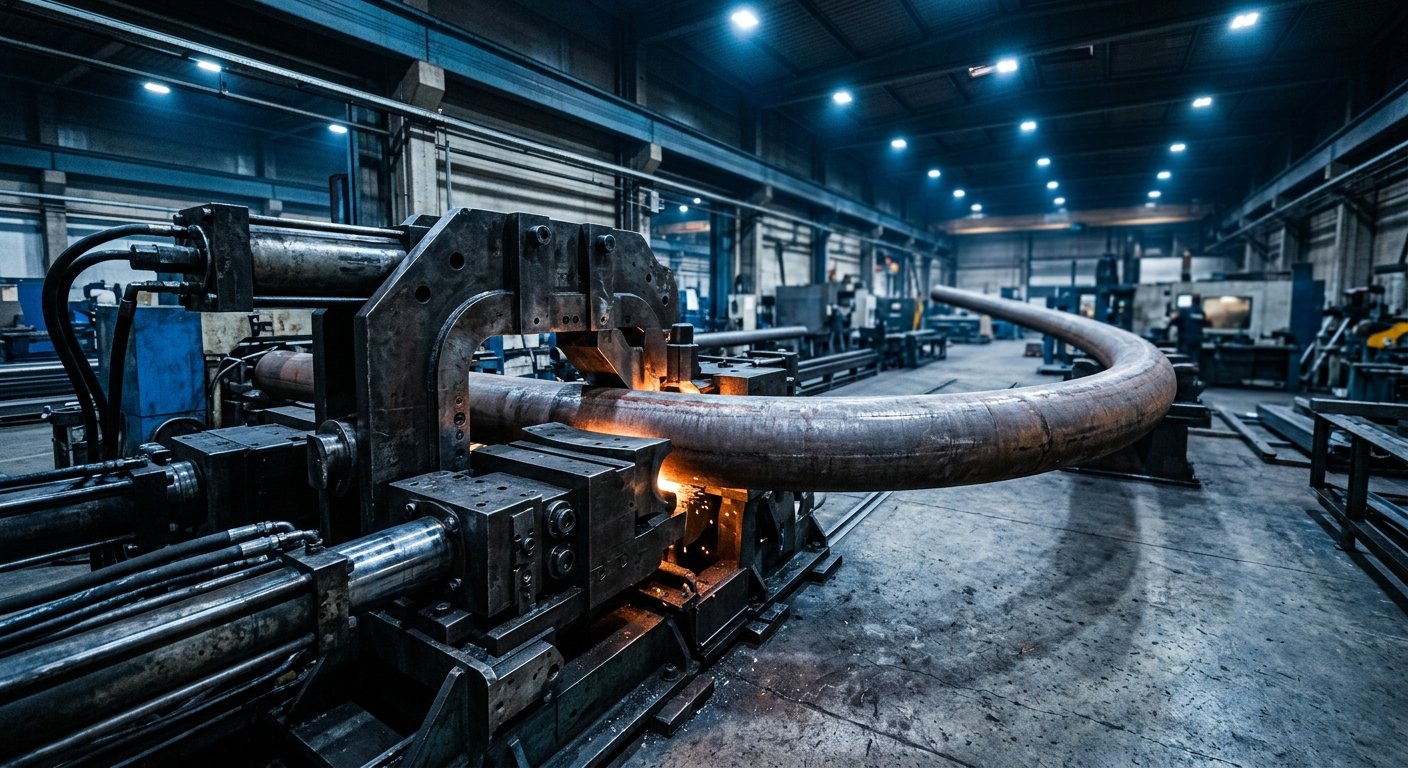
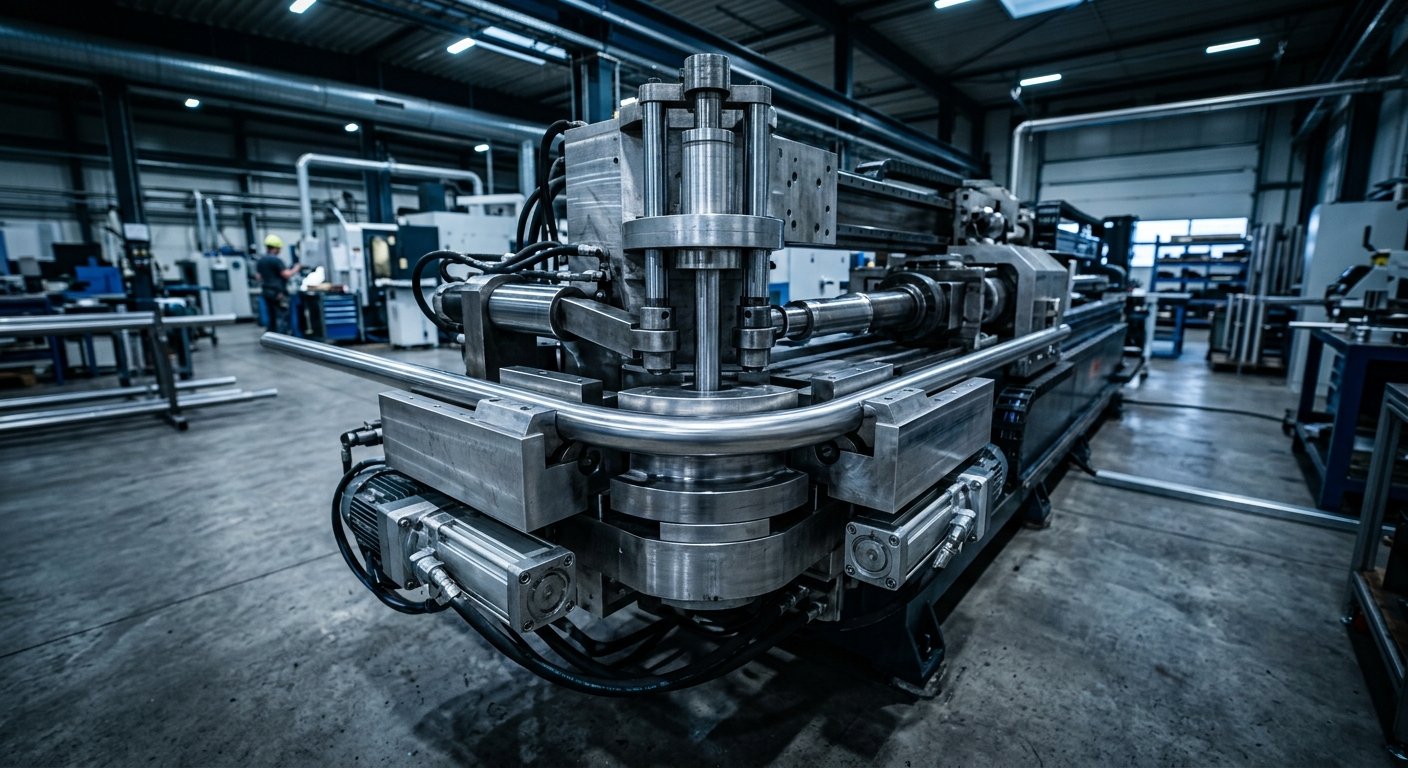
- Rotary draw benders: Workhorses for production environments in oil & gas and petrochemical applications. Good availability in the used market.
- Compression and roll benders: Lower-precision applications; generally easier to source used but less suited for tight-tolerance work.
- Large-diameter pipe benders: Less common in surplus channels but occasionally available from infrastructure project completions.
What to Evaluate Before Purchasing Surplus Equipment
Mechanical Integrity
The most critical assessment for any used mandrel pipe bender or CNC tube bender is mechanical condition. Key inspection points include:
- Hydraulic system integrity—check for leaks, pressure consistency, and cylinder condition
- Drive and gear train wear—excessive backlash directly affects bend repeatability
- Tooling condition and compatibility—worn bend dies, clamp dies, and pressure dies compound dimensional errors
- Frame and bed alignment—structural deformation from overloading or improper storage degrades accuracy
- Control system status—for pre-owned CNC tube benders, verify software version supportability and availability of replacement control components
Service History and Documentation
Request maintenance logs, prior calibration records, and any existing inspection reports. Machines with documented service histories are significantly lower risk. Be cautious of surplus equipment sold without any paperwork—especially for regulated applications. The OSHA machinery safety standards also require that equipment meet applicable safety requirements regardless of whether it’s new or used, which means proper documentation supports compliance as well as performance.
Parts and Support Availability
A reconditioned bending machine is only as useful as your ability to keep it running. Before purchasing any second hand pipe bending equipment, verify:
- Whether the original manufacturer still supports the machine with parts
- Availability of replacement tooling for your specific application
- Access to technical support or service technicians familiar with that equipment
This is an area where sourcing through a reputable used tube bending machine dealer—or directly through a manufacturer with a used equipment program—provides meaningful protection. Independent auction purchases often leave buyers stranded when they need a hydraulic seal kit or a replacement control board.
Sourcing Channels: How to Find Quality Used Pipe Benders
Engineering managers have several options for locating used pipe benders for sale in 2026:
- Manufacturer used equipment programs: The most reliable channel. Equipment is known, documented, and often reconditioned to a specified standard. Parts availability is assured.
- Established used tube bending machine dealers: Reputable dealers with industry-specific expertise can be valuable partners. Ask about their inspection process, reconditioning practices, and what warranty or support they provide post-sale.
- Industrial auctions: Platforms like major auction houses and liquidation events can yield good equipment at low prices, but require hands-on inspection capability and acceptance of as-is condition.
- Industry networks and associations: Peer connections within aerospace, defense, or petrochemical sectors occasionally surface quality surplus equipment before it reaches the open market.
Hines Bending Systems maintains an inventory of used pipe bending equipment that has been evaluated by our technical team—offering buyers the assurance of known equipment with access to genuine parts and support. For organizations that need new-build precision, our full line of pipe bending machines and tube bending machines remains available with full manufacturer support.
Reconditioning Standards: What “Reconditioned” Should Actually Mean
The term “reconditioned bending machine” is widely used but inconsistently defined in the surplus market. When evaluating a reconditioned machine, push dealers and sellers to specify what the reconditioning actually included. A thorough reconditioning program should encompass:
- Complete hydraulic system service including fluid replacement, filter changes, and seal inspection
- Electrical system inspection and updated safety compliance
- Mechanical alignment verification and correction
- Control system testing with actual bending cycles
- Tooling inspection and replacement of worn components
- Documented test results from bending trials
Anything less than this is a cleanup and resale, not a true reconditioning. For precision applications—the kind that NASA and military programs depend on—the distinction matters enormously.
Total Cost of Ownership: The Calculation That Changes the Decision
Purchase price is only one variable. A used industrial pipe bender priced at 50% of new can quickly become the more expensive option when you factor in:
- Downtime from parts unavailability or undiagnosed mechanical issues
- Production scrap from accuracy problems that weren’t apparent during acquisition
- Retrofit costs for safety compliance and control system updates
- Training time for operators unfamiliar with older machine interfaces
The true value of surplus equipment emerges when buyers honestly assess all of these variables, not just the acquisition cost. In many cases, a manufacturer-certified used machine or a reconditioned unit from a knowledgeable specialist provides better total cost of ownership than a low-priced auction find—even at a higher initial price point.
Frequently Asked Questions
What should I look for when buying used pipe benders for sale?
Prioritize machines with documented service histories, verified mechanical integrity, and confirmed parts availability from the original manufacturer. For precision applications in aerospace or oil & gas, avoid as-is auction equipment unless you have the in-house capability to fully inspect and refurbish it. CNC control system supportability is a critical factor for pre-owned CNC tube benders.
Are reconditioned bending machines reliable for precision aerospace applications?
Yes, when properly reconditioned to documented standards. The key is defining what “reconditioned” actually means before purchase. A thorough reconditioning—covering hydraulics, mechanical alignment, electrical systems, and verified test bends—can restore a machine to near-original performance specifications. Ask for test results and documentation before committing.
How do I verify parts availability for second hand pipe bending equipment?
Contact the original manufacturer directly with the machine’s model and serial number. Confirm that hydraulic components, tooling, and control system parts are still actively stocked or accessible. Sourcing through the original manufacturer’s used equipment program or an authorized dealer simplifies this verification considerably.
What’s the difference between a mandrel bender and a standard rotary draw bender in the used market?
Used mandrel pipe benders include internal mandrel support that prevents tube collapse during tight-radius bending—essential for thin-wall tubing in hydraulic lines and aerospace structures. Standard rotary draw benders are suitable for heavier-wall pipe in oil & gas and structural applications but don’t provide the same interior support. In the used market, mandrel benders are more specialized, more valuable, and require more thorough evaluation of mandrel rod and wiper die condition.
Is training available when purchasing used tube bending equipment?
It depends on the source. Manufacturer-direct used equipment programs and established dealers typically offer operator training and technical support. Auction purchases rarely include any support. Comprehensive training is a significant value-add that reduces startup scrap, improves safety compliance, and accelerates production ramp-up on acquired equipment.
Making the Right Sourcing Decision in 2026
The surplus pipe bending equipment market offers genuine value for organizations that approach it with clear evaluation criteria, realistic total cost calculations, and access to knowledgeable support. The risk-adjusted sweet spot lies in manufacturer-sourced or properly certified used equipment—where the cost savings of the secondary market combine with the reliability assurances of a known machine and ongoing support access.
With 50 years of precision bending expertise and a proven track record serving NASA, military, and demanding industrial clients, Hines Bending Systems brings the technical depth to help you evaluate your options—whether that’s a pre-owned machine from our inventory or a new American-manufactured bending system built to your exact specifications.
Ready to explore your options? Contact Hines Bending Systems to discuss your application requirements and review current used equipment availability. Our team can help you match the right machine—new or pre-owned—to your production demands.